
The Quick Read: A DSCR HELOC qualifies the rental’s rent, not your business deposits, so the way to qualify is to show a lease, market rent and equity that clear a 1.10x coverage test, while deposits only matter when they document rent receipts or when you switch to a separate bank-statement line. The label mixes two different qualification methods. Knowing which one a given file uses saves a lot of wasted paperwork.
- Rent qualifies the line. Business deposits do not count as income on this program.
- Coverage must reach 1.10x, measured on a stress payment over the whole line, subject to underwriting.
- Title, seasoning and property type are screened before any income question comes up.
- Exposure is capped at 5 loans or $2,500,000 per borrower with the program, so this is not an unlimited-scaling product.
- Deposit-based qualification exists, but it is a different product with its own rules.
- A lease is required, and the rent counted is the lesser of the lease and the appraiser’s market rent.
What Does “DSCR HELOC” Actually Mean?
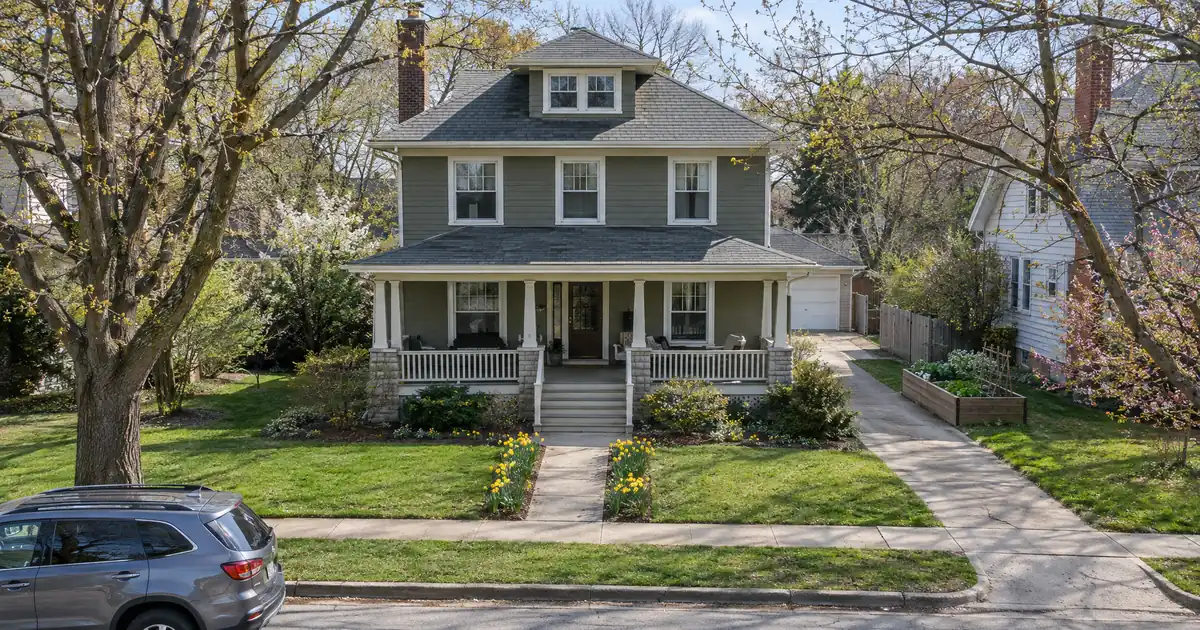
It is a market nickname, not a standard product. In Lendmire’s wholesale network, the version built on rent is a revolving line secured by a one-to-four-unit rental the owner keeps. It is written as a standalone second lien behind the first mortgage, or as a standalone first lien on a paid-off rental. It is never closed with a purchase, never a third lien, and never a line on your own home.
The line is qualified on the property. No traditional personal-income documentation, W-2s, pay stubs or debt-to-income ratio enter the calculation. Qualification rests primarily on property-level rental income covering the payment, subject to lender guidelines. The owner’s LLC can stay on title, subject to program eligibility, with the members signing as guarantors.
For the full mechanics of coverage-ratio lending, see Lendmire’s complete DSCR loans guide.
Business Deposits and DSCR: Two Separate Doors
Business deposits and DSCR answer different questions. DSCR asks whether the property’s rent covers its debt. Deposit-based qualification asks whether the borrower earns enough, using 12 to 24 months of statements. A lender picks one door per file, and the file’s documents follow from that choice.
| Factor | Rent-tested (DSCR) | Deposit-tested (bank statement) |
|---|---|---|
| What is tested | The rental’s rent vs. payment | The borrower’s averaged deposits |
| Role of deposits | Supporting evidence only | The income itself |
| Expense factor | Not applicable | Applied to business accounts |
| Personal income file | Not opened | Opened and run through DTI |
| LLC on title | Allowed on this program | Depends on the program |
A quick test sorts most files. If the rent covers the full payment on its own, the rent-tested path avoids the expense-factor haircut. If it does not, deposits may carry the file, but only after deductions.
How Underwriting Treats the File, Step by Step
On a rent-tested line, the deal works through the same checks in the same order.
1. Screen the property. Single-family, PUD, townhome, two-to-four units and warrantable and non-warrantable condos are eligible. Rural-designated property, condotels, row homes, leaseholds and a property listed for sale in the prior two months are not.
2. Check title and seasoning. A rental bought or refinanced inside the last 6 months is not eligible, and 6 months of ownership are required. That is measured from settlement to the note date, and a file that skips this check gets sent back.
3. Set the rent. A lease in place is required. The rent used is the lesser of the lease and the appraiser’s Form 1007 market rent. A lease above market can count only with three months of receipts. A two-to-four-unit property may have at most one vacant unit.
4. Run the coverage test. Gross monthly rent is divided by a stress payment on the entire credit limit, not just the amount drawn. The minimum is 1.10x. The lender’s own calculation governs, and the rate and pricing terms come with the lender’s disclosures.
5. Size the leverage. A second lien tops out at 70% combined loan-to-value, meaning the first mortgage plus the new line over value. A first lien is measured as loan-to-value. The tiers are below.
6. Order the valuation. Lines up to $400,000 use an automated valuation with a property inspection report, or a full interior appraisal. Lines above $400,000 take a full interior appraisal. Appraisal waivers are not accepted.
7. Review credit and history. There is no 30-day mortgage late in the last 12 months. There are 48 months since a bankruptcy, foreclosure, short sale or deed-in-lieu. Reserves and cash to close are not required.
The Structures and Numbers
These figures are ceilings and floors through select programs, subject to underwriting.
| Structure | Credit | Maximum leverage | Line size |
|---|---|---|---|
| Second lien (CLTV) | 720 or better | 70% CLTV | $50,000 to $500,000 |
| First lien (LTV) | 740 or better | 75% LTV | Up to $500,000 |
| First lien (LTV) | 700 to 739 | 70% LTV | Up to $500,000 |
| First lien (LTV) | 720 or better | 65% LTV | Above $500,000, to $1,000,000 |
Below 720 there is no second-lien option. The first-lien floor is 700. Whenever a first-lien line runs above $500,000, 65% is the ceiling. A declining-market flag lowers the ceiling by 5 points.
The draw rules are straightforward. The draw period is 5 years of interest-only payments on the drawn balance. A 25-year fully amortizing repayment period follows, with a 30-year maturity. The rate is variable. At least 80% of the line, and never less than $50,000, is drawn at closing. Later draws are at least $5,000 each.
Exposure has a hard limit. A borrower can hold at most 5 loans or $2,500,000 with the program. Investors planning to add many rentals should count slots before relying on this line, because the cap applies no matter how strong the rent is.
Borrowers must be U.S. citizens, permanent residents, or non-permanent residents with a Social Security number. Foreign nationals and ITIN borrowers are not eligible.
Where Business Deposits Still Show Up on a DSCR File
Deposits do not set coverage, but they appear in three places.
Rent receipts. If the lease is above market rent, three months of receipts must support it. Receipts are usually bank deposits. If rent lands in a business account, those statements are the proof.
Sourcing and cleanliness. An underwriter who opens statements will ask about large unexplained deposits. Transfers between your own accounts and loan draws should be labeled before they are asked about.
Mixed accounts. Rent that flows through a business account alongside operating revenue is harder to trace. Moving rent to its own account before applying makes the receipts easy to read.
Reserves are not a deposit use on this program, because none are required. A line that needs reserves would be a different product.
Where the General Rule Breaks
Title. A rent-tested line can sit in an LLC. A deposit-tested line may not, depending on the program. Title decides the product before income does, and deposits cannot fix a title mismatch.
Short-term rentals. The 1007 rent schedule can land well below what a short-term rental actually earns. Rent is the lesser of lease and market rent on this program, so a strong STR record does not raise the number.
Seasoning. An investor who just refinanced hits the 6-month wall regardless of deposits.
Non-owner-occupied only. A line on your own home, or a second home, is a different product. This one is never offered on an owner-occupied home.
Vacancy. In a two-to-four-unit building, a second vacant unit takes the file out of the program.
Condos. Warrantable and non-warrantable condos are both eligible property types, and the leverage tiers above govern them. Condotels are out.
Borrower count. An investor past 5 loans with the program is capped out, no matter how strong the rent is.
When Deposits Are Your Stronger Side
Some owners have thin rent coverage but heavy business revenue. Those files point to a bank-statement line, where lenders average eligible deposits over 12 to 24 months. They then remove non-income items and apply an expense factor on business accounts, because deposits are revenue and not profit.
Two points matter here. The expense factor is a lender setting, not a fixed rule, and a CPA letter or profit-and-loss statement may replace the default factor on some programs. Also, the borrower’s credit and debts enter the test, so the file looks nothing like a rent-tested one.
Federal rules do not dictate how deposits or rent must be counted. A HELN News analysis of home equity regulation notes that the ability-to-repay qualified-mortgage rule generally does not apply to bona fide HELOCs. So the documentation method is a lender decision. The CFPB HELOC booklet adds that many lenders set a limit as a percentage of appraised value minus the existing mortgage balance, which is the same limit-stack logic these tiers follow.
Tax treatment can depend on how the funds are used and how the property is held; borrowers should keep clear records and speak with a qualified tax professional before relying on any deduction.
What the Decision Looks Like in Practice
An LLC-owned duplex with a clean lease. Say the rent clears roughly 1.3x on the stress test, the lease matches market rent, and the owner has held the property for two years. This is the cleanest rent-tested file. The LLC can stay on title, and deposits only show receipts.
A rental held in a personal name with heavy write-offs. Picture an owner whose returns look thin, but whose rent still covers the stress payment at about 1.15x. Rent qualifies the line, so the thin returns never come up. If coverage fell to 0.95x, programs below 1.00 exist through select lenders in the network, but leverage and terms adjust, and qualification stays subject to lender guidelines and credit approval.
A rental bought five months ago. Run the numbers on even an excellent coverage ratio. The seasoning rule stops the file, and waiting for the sixth month is the only fix.
A weak-rent property with strong business deposits. Coverage lands well under 1.10x on rent alone. That points to the deposit-tested path, with the expense factor applied and the owner’s personal debts in the test.
One pattern shows up across the network. Files stall on preventable gaps: a lease that does not match the rent schedule, rent mixed into operating accounts, or title that conflicts with the product. Cleaning up the accounts and confirming title before submission gives the lender fewer gaps to chase.
Key Terms Defined
DSCR: the debt service coverage ratio, which is gross monthly rent divided by the qualifying payment.
Stress payment: a fully amortizing payment on the entire credit limit at a higher test rate, used only to measure coverage.
CLTV: combined loan-to-value, meaning the first mortgage plus the new line, divided by the property’s value.
Expense factor: the percentage of business deposits the lender removes to estimate profit on a bank-statement file.
Form 1007: the appraiser’s single-family market rent schedule.
Seasoning: the minimum time you must own, or have refinanced, a rental before the line is available.
Frequently Asked Questions
Can business deposits qualify me for a DSCR HELOC?
Not as income. Deposits can document rent receipts, but they do not raise or replace the coverage number. For a deposit-tested line, you would look at a separate bank-statement product.
Do I need tax returns or pay stubs?
No. The rent qualifies the line, so tax returns, W-2s, pay stubs and debt-to-income are not part of this program. The lease, the credit report and the valuation are still documented and reviewed, subject to underwriting.
Can my LLC be the borrower?
The LLC can hold title on this program, subject to program eligibility. The members sign as guarantors, and a title holder who is not a borrower signs a non-borrowing owner acknowledgment. The rental must be a non-owner-occupied investment property.
What happens if the rent does not reach 1.10x?
The line as sized does not meet the standard test. Options include a smaller line, a different structure, or a select lender’s below-1.00 program, with leverage and terms adjusted. Eligibility stays subject to lender guidelines, credit approval and property review.
Is there a limit on how many properties I can borrow against?
Yes. The program allows at most 5 loans or $2,500,000 per borrower. Investors with larger portfolios should plan which rentals use those slots, and they should not assume the line scales without limit.
Is the program available in every state?
No. It is offered in 15 of Lendmire’s 16 licensed states, every licensed state except Tennessee. Those 15 are Alabama, California, Colorado, Florida, Georgia, Indiana, Michigan, Montana, New Mexico, North Carolina, Ohio, Pennsylvania, Texas, Virginia and Washington.
Next Step
If you are considering a home equity line on a rental property and want to see how the numbers work, Lendmire can help you compare DSCR HELOC options based on the property, the rent, the equity available, credit profile, combined leverage, and your goals. Call 828-256-2183 or request a quote.
For current guidelines and terms, see Lendmire’s DSCR HELOC programs page.
About Lendmire
Lendmire (NMLS# 2371349) is a mortgage broker. Home equity lines of credit — on a primary residence, a second home or an investment property — are arranged through wholesale lenders in Lendmire’s 16 full-service states, and every line is underwritten by the lender under its program guidelines. Scotsman Guide named Lendmire a Top Mortgage Workplace in both 2025 and 2026.
Get Started
Ready to find the right loan for you?
See your offer in seconds. No credit pull, no obligation.
Informational only. Not a Loan Estimate, approval, or commitment to lend. Program availability and eligibility are subject to lender guidelines, credit approval, property review, and underwriting.
References
1. HELN News: key regulatory factors for home equity
This article is part of Lendmire’s DSCR HELOC program — full qualification details, guidelines, and scenarios live on the program page.
Related reading: DSCR HELOC vs DSCR Cash-Out Refinance to Consolidate Business Debt · How to Qualify for a DSCR HELOC With All Other Units Leased · How to Qualify for a DSCR HELOC Instead of a Concurrent Second at Purchase
Brandon Miller
Founder & CEO, Mortgage Loan Originator, Lendmire LLC
- Mortgage Loan Originator · NMLS# 1129696 · Verify on NMLS Consumer Access
- North Carolina Real Estate Broker · License# 343312 · Verify on NCREC
- North Carolina Insurance Producer · License# 19053198 · Property, Casualty, Life, Health · Verify on NAIC SBS
- Lendmire LLC · Firm NMLS# 2371349 · Verify firm licensure
Legal disclosures. Lendmire (NMLS# 2371349) is a state-licensed mortgage brokerage that arranges financing through wholesale lender relationships. Lendmire is not a direct lender, depository institution, or registered financial advisor. The discussion above is general informational content about real estate financing — it is not financial, legal, or tax advice, and readers should consult licensed professionals for guidance on their individual circumstances. Loan inquiries are subject to lender underwriting; this article does not represent a commitment to lend. Loan terms, rates, and qualification standards vary by borrower, property, and state, and are subject to change at any time. Equal Housing Opportunity. NMLS Consumer Access: nmlsconsumeraccess.org.