
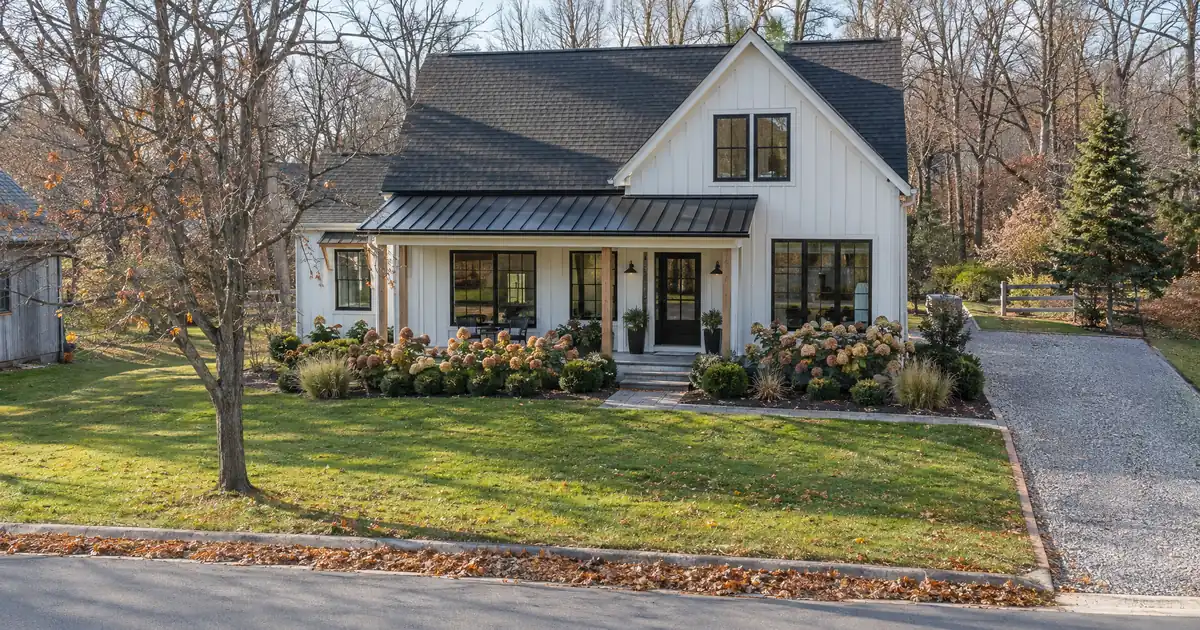
The Quick Read: No special franchise HELOC exists, so the best program is the one that fits the property securing the line, your credit profile, and how much equity you can safely tie up, because lenders underwrite you and the collateral rather than the franchise brand. The franchise only changes how much you need and what paperwork you show.
- On a primary residence, the top ceiling reaches 90% combined loan-to-value (CLTV), and only at a 720 or better credit profile on lines up to $500,000.
- On an investment property, the ceiling is 70% CLTV, with a 700 minimum score and a $500,000 maximum line.
- At least 75% of the line is drawn at closing, so a HELOC is less “draw as you build out” than most people expect.
- Investment-property lines must be titled to an individual or a revocable living trust, never an LLC, subject to lender guidelines.
- If your equity sits in a rental, a DSCR cash-out refinance is often the cleaner tool.
What Is the Best HELOC Program for a Franchise?
The best program depends on where your equity lives. A homeowner funding a first franchise usually uses a line on the primary home. An investor who owns rentals has a second option, which is a line on a rental or a DSCR cash-out refinance.
How large a line the equity supports.
An equity line is sized by combined loan-to-value, occupancy, and credit — not by rental coverage. Switch the occupancy or the credit band and the ceiling moves with it.
Investment-property lines require a 700 minimum credit score; second-home lines start at a 640 minimum and primary-residence lines at 600, and the combined-LTV ceiling steps down as the credit band drops on primary-residence and second-home lines and holds on investment-property lines; the line cap steps down on primary-residence lines and holds at every tier on investment-property and second-home lines.
A debt-to-income ratio above 45% requires 680+ credit. Profiles under 640 are limited to single-family homes. At least 75% of the approved line is drawn at closing. Ceilings, floors, and caps update from Lendmire’s centralized guideline source.
Line estimate
Illustrative estimate only — not a quote, Loan Estimate, approval, or commitment to lend. The rate is an editable assumption; equity-line pricing is variable through both the draw and repayment periods and never converts to fixed. Occupancy and credit drive the ceiling together: an investment property tops out at 70% combined LTV (minimum credit 700, line cap $500,000); a second home tops out at 90% combined LTV (minimum credit 640, line cap $500,000), with the ceiling stepping down as the credit band drops (the cap holds at every tier); a primary residence tops out at 90% combined LTV (minimum credit 600), and its $750,000 maximum line is available only at 75% combined LTV or below with a 700-or-better credit profile (720 on the longer-runway program) and a full appraisal. Lines above $500,000 require a full appraisal. Credit, debt-to-income, property type, and full underwriting review all affect the final line.
Lendmire is a mortgage broker, not a lender. It places HELOC files with select wholesale lenders and matches the scenario to the program whose rules fit. Across that network, the franchise brand never appears in the underwriting. The lender looks at the borrower, the property, and the combined leverage. It does not look at the burger, fitness, or cleaning brand you plan to open.
That is why “franchise HELOC” is a use of funds, not a product. Two borrowers with the same home, score, and debts get the same answer whether they are buying a franchise or remodeling a kitchen. The difference is on your side. You need a funding plan that matches the franchise’s cash calendar and a lender who will not be surprised by where the money goes.
Key Terms Defined
HELOC: A home equity line of credit is a revolving loan secured by a property, with a draw period followed by a repayment period.
CLTV: Combined loan-to-value adds every loan on the property, including the new line, and divides by the property’s value.
Draw period: This is the stretch when payments are interest-only and you can take funds from the line.
Repayment period: After the draw ends, the balance amortizes, meaning principal is paid down, and the monthly payment usually rises.
DSCR: Debt service coverage ratio compares a rental’s monthly rent to its monthly payment, which includes principal, interest, taxes, insurance, and any HOA dues.
Franchise disclosure document (FDD): This is the document a franchisor must hand you before you sign. Item 7 estimates your initial investment.
Seasoning: This is the waiting period a lender wants between two events, such as buying a property and pulling cash out of it.
How Underwriting Treats a Franchise Draw, Step by Step
Underwriting follows the same sequence for every borrower. Here is how it plays out when the money is headed to a franchise.
1. The collateral is chosen. The line sits on a primary residence, a second home, or an investment property. Each has its own ceiling, which the table below shows.
2. Equity is measured. The lender adds your existing mortgage to the new line and checks the total against the CLTV cap for your credit tier.
3. Credit is pulled. Across the network, the program floor is 600. A single-bureau score keyed to the primary wage earner drives the tier, and the report cannot be more than 90 days old at closing.
4. Debt-to-income is tested. The maximum is 50%, and 45% for scores from 600 to 679. A ratio above 45% needs a 680 minimum. The lender reviews your file on the interest-only payment calculated on the maximum draw, not on what you plan to take.
5. Value is confirmed. Lines at or below $500,000 ordinarily use an automated valuation instead of a traditional appraisal. A higher CLTV may trigger a secondary valuation, and you can request a full appraisal anyway. Every line above $500,000 requires one.
6. Property and title are checked. Single-family, 2-4 unit, PUD, townhome, and condo properties are eligible, including non-warrantable condos. Manufactured homes, co-ops, condotels, log homes, commercial, mixed-use, and agricultural zoning are not eligible.
7. The line closes with most of it drawn. At least 75% of the line is drawn at closing. After that, each draw must be at least $1,000 on the longer-runway structure described below.
Notice what is missing. No step asks about the franchise’s projected sales. The lender is not underwriting the business, so a strong brand does not improve your approval odds.
Program Parameters by Occupancy
Network ceilings are tiered by occupancy, and this is the first place franchise buyers go wrong. The 90% figure belongs to primary residences and second homes at 720 or better. It never applies to a rental.
| Collateral | Top CLTV | Credit needed | Max line |
|---|---|---|---|
| Primary residence | 90% | 720+ | $500,000 |
| Primary residence | 75% | 700+ (720+ for larger) | $750,000 |
| Second home | 90% | 720+ | $500,000 |
| Investment property | 70% | 700+ | $500,000 |
Lower scores step the ceiling down. A primary residence at 640 tops out at 80% CLTV, and one at 620 at 70%. A second home floors at 640. An investment property floors at 700. A line above $500,000 is primary-residence only and caps at 75% CLTV. It requires a full appraisal and a credit profile of 700 or better (720 on the 5-year draw structure described below).
Every figure here is typical guidance from select wholesale lenders, subject to lender guidelines and full file review. It is not a commitment to lend.
What a Franchise Line Can Pay For
A line can fund nearly any legitimate franchise cost, but it fits some costs better than others. Start by sizing the need from the disclosure document.
Federal franchise rules require the franchisor to deliver the disclosure document at least 14 calendar days before you sign, and the 14 days begin the day after delivery. Item 7 of that document estimates your initial investment through opening and through a three-month initial period afterward. That table is your sizing tool.
| Franchise cost | Fit for a HELOC |
|---|---|
| Franchise fee | Good, a single known lump sum |
| Build-out and construction | Good, though most of the line is drawn at closing |
| Equipment | Good, a one-time need |
| Opening inventory | Fair, since it turns over |
| Working capital | Risky if the line could be frozen |
| Personal reserves | Better held in cash, not borrowed |
Read the working-capital line of Item 7 hardest. That is the number that runs out first when sales ramp slowly.
Sizing the Line
Size the line from Item 7, then add a cushion for overruns. Next, check whether your equity can support that number under the network’s ceilings.
Take a primary home with an existing mortgage equal to 60% of its value. A 75% CLTV cap leaves room for a line worth 15% of the home’s value. The 90% ceiling at 720 or better would leave 30%, still subject to the $500,000 line cap. A federal consumer guide to using home equity says lenders typically want you to keep 10% to 20% of the home’s value as equity. That is a market-wide statement about primary homes. On this network, a primary home at 720 or better can reach a 90% CLTV ceiling, so you would keep as little as 10%.
Run the same math on a rental and the answer shrinks. Market surveys of investment-property lines, such as one NerdWallet explainer, report that lenders want at least 20% equity, a debt-to-income ratio of roughly 40% to 50%, and six or more months of reserves. The network figure is a 70% CLTV ceiling, which leaves 30% equity, a 700 minimum score, and a 50% maximum DTI.
Do not size to the ceiling. Size to the Item 7 number plus a buffer, then borrow less than the cap allows. A franchise that needs more than your line holds is a signal to stack another source, not to push leverage higher.
Draw Structure and the Ramp-Up Problem
Two draw structures exist on primary residences and second homes. One has a 3-year interest-only draw followed by a 17-year amortizing repayment. The other, the 5-year draw structure, has a 5-year draw followed by a 25-year repayment. Investment lines use the 5-year draw structure only.
Pricing floats through both periods and never converts to a fixed figure. The payment rises when the draw ends, and rate movement can raise it too.
Now match that to a franchise. Many units take a year or more to reach steady sales. If your draw ends in year three and your unit is still ramping, the payment steps up while the business is still finding its footing. The 5-year draw structure gives the business more runway. The 3-year structure shortens the payoff, which suits an owner with a proven brand and strong outside income.
A simple stress test helps. Assume sales run well below the franchisor’s projections for the first year. Then ask whether your household income, not the franchise, can carry the line payment, the franchise’s own debts, and your living costs. If the answer is no, the line is too big.
Where the General Rule Breaks
The rule that lenders ignore the franchise holds up. Several edge cases still change the answer.
Title. Lines on investment property must be held by an individual or an inter vivos revocable living trust. LLCs, corporations, partnerships, and irrevocable, blind, or land trusts cannot hold title. A rental already deeded to an LLC needs a vesting change or a DSCR cash-out instead.
Exposure limits. A borrower is limited to three lines. A borrower who owns more than 15 financed properties is not eligible. Investors with large portfolios hit this wall before the equity runs out.
Derogatory credit. A bankruptcy needs 4 years of seasoning from discharge or dismissal. On primary residences and second homes, one program seasons a foreclosure at 7 years and a deed-in-lieu or short sale at 4. The other declines that history entirely.
SBA-financed franchises. If the franchise is financed with an SBA loan, the lender wants a buyer equity injection, and a HELOC may or may not count toward it. One practitioner guide on SBA equity injection reports a 10% minimum on change-of-ownership deals and says borrowed funds count only if repayment comes from a source other than the business being acquired. Your rental income might qualify, but that is the SBA lender’s call. Expect them to ask for account statements that show where the money came from. Seasoning of the funds is commonly required. Confirm the brand’s current SBA directory status before you build a plan around it.
Freeze risk. Credit lines can be frozen or reduced if the property’s value falls or your finances change. A franchise that needs staged capital depends on the line staying open. Draw what you need for the build-out early, and do not count on the line as an emergency reserve.
Availability. Lendmire’s HELOC placements run through its 16 full-service states: AL, CA, CO, FL, GA, IN, MI, MT, NM, NC, OH, PA, TN, TX, VA, and WA. That is narrower than its DSCR footprint. Some of those states also set their own limits on the line, such as a lower CLTV cap that depends on the credit profile or a bar on properties recently listed for sale.
Tax treatment can depend on how the funds are used and how the property is held; borrowers should keep clear records and speak with a qualified tax professional before relying on any deduction.
Rental HELOC or DSCR Cash-Out Refinance?
If your equity sits in rentals, compare the two tools before you apply for either. DSCR loans are designed for non-owner-occupied investment properties. Because they are business-purpose investor loans, they are reviewed differently from a standard owner-occupied mortgage.
| Factor | Rental HELOC | DSCR cash-out refinance |
|---|---|---|
| Underwritten on | You and the property | The rental’s income |
| Top leverage | 70% CLTV | 75% LTV, standard rentals |
| Credit floor | 700 | 620 in parts, most want 660 |
| Size | $25,000 to $500,000 | Up to $3,000,000 on standard programs |
| Title | Individual or revocable trust | LLC possible, per lender program requirements |
| Structure | Floating, partly drawn at closing | Closed-end, 30-year fixed spine |
A DSCR cash-out generally asks for about 6 months of seasoning after you buy the property. It qualifies primarily on property-level rental income covering the payment, subject to lender guidelines. Many select programs start at a 1.00 coverage ratio, and stronger ratios open better pricing and leverage. A separate select-lender path takes coverage below 1.00, with leverage and terms adjusted. Reserves commonly run around 6 months of PITIA, meaning principal, interest, taxes, insurance, and association dues, though they vary by lender, leverage, and loan size.
The DSCR route has a franchise-specific advantage. A DSCR loan does not use your personal income, so the franchise’s debts do not enter the coverage math. It also has a catch. Clearing 1.00 does not mean the rental produces positive cash flow, because repairs, vacancy, management, and utilities sit outside the calculation. Pulling cash from a rental to fund an operating business puts that rental’s equity at risk if the business struggles.
For more detail, see Lendmire’s complete DSCR loans guide.
Which Program Fits Your Situation
| Your situation | Likely fit | Main tradeoff |
|---|---|---|
| First franchise, strong primary-home equity | Primary-home line | Home is the collateral |
| Add a second unit, mature first unit | Primary-home line, 5-year draw | Payment steps up at draw end |
| Rentals in your own name, strong credit | Rental HELOC | 70% CLTV, $500,000 cap |
| Rentals held in an LLC | DSCR cash-out | Seasoning and closed-end structure |
| Need above $500,000 | Primary-home line or DSCR cash-out | Full appraisal, 75% CLTV cap |
| Credit below 700, equity only in rentals | DSCR cash-out | Leverage and terms adjust |
A broker earns its keep in the middle rows. A single lender offers one product, while a broker that shops several wholesale lenders can compare how each treats your credit, vesting, and property type. The best program for your situation is the one that clears your credit tier, title, and leverage need at the same time.
Mistakes That Cost Franchise Buyers
- Treating the line as a revolving safety net. With most of it drawn at closing and a freeze possible, it is a funded loan, not a backup.
- Skipping the 14-day disclosure window. Open the line before you sign, not after, so the funds are seasoned and documented.
- Mixing funds. Move draws into a dedicated business account so the source of funds is clear to any later lender.
- Mortgaging the home for an untested concept. A NerdWallet explainer on home equity advises against mortgaging your home for risky endeavors like starting a business. The advice is blunt, and it applies to unproven brands.
- Assuming a franchisor’s approval means a safe franchise. A franchisor’s blessing and a lender’s approval measure different things.
Frequently Asked Questions
Can I use a HELOC to buy a franchise?
Yes, if you qualify on the collateral and your own credit. The lender does not restrict the use of funds to a franchise, and it does not underwrite the brand either. Expect to document your credit, debts, and the property’s value and title.
Can a HELOC cover an SBA down payment?
Sometimes. The SBA lender decides whether borrowed funds count, and it typically wants a documented repayment source outside the business you are buying. Ask that lender before you open the line, since the HELOC lender cannot make that call for you.
Can I use equity from a rental property instead of my home?
Yes, within limits. Investment lines on this network cap at 70% CLTV and $500,000, with a 700 minimum score, and the property must be titled to you or a revocable living trust. If the rental sits in an LLC, a DSCR cash-out refinance is usually the better fit.
What happens if the franchise struggles?
The line is secured by your property, so the payment is still due, and missed payments put the collateral at risk. The payment also rises when the draw period ends. That is why a stress test belongs in the plan before you borrow.
Is the interest on a franchise HELOC deductible?
Possibly, but it depends on how the funds are used and how the property is held. Keep clear records and ask a qualified tax professional before relying on any deduction.
Next Step
If you are considering a home equity line and want to see how the numbers work, Lendmire can help you compare HELOC options based on the property, the equity available, credit profile, combined leverage, and your goals. Lendmire arranges financing through select lenders in its wholesale network, with DSCR programs across 41 markets, including Washington, D.C. Every figure above is subject to lender guidelines and full file review, and none of it is a commitment to lend.
Franchise owners tend to do best when the line is sized to the disclosure document, not the equity ceiling.
About Lendmire
Lendmire, NMLS# 2371349, is a mortgage brokerage that arranges home equity lines of credit through wholesale lending partners in its 16 full-service states. Lines on primary residences, second homes and investment properties are each reviewed individually by the lender under the program’s occupancy, credit and combined-loan-to-value guidelines. Scotsman Guide named Lendmire a Top Mortgage Workplace in both 2025 and 2026.
Investors who want the broader program framework can review how DSCR loans work.
Get Started
Ready to find the right loan for you?
See your offer in seconds. No credit pull, no obligation.
Informational only. Not a Loan Estimate, approval, or commitment to lend. Program availability and eligibility are subject to lender guidelines, credit approval, property review, and underwriting.
References
1. CFPB – Using home equity guide
2. NerdWallet – Can you get a HELOC on an investment property
3. Acquisition ACE – SBA equity injection
4. NerdWallet – Is a HELOC a good idea
This article is part of Lendmire’s HELOC & home equity loan program — full qualification details, guidelines, and scenarios live on the program page.
Related reading: Best Investment Property HELOC Program for a Landlord With Three Doors · Best HELOC Program as a Backup Emergency Fund · Best Investment Property HELOC Program to Buy Rental Property
Brandon Miller
Founder & CEO, Mortgage Loan Originator, Lendmire LLC
- Mortgage Loan Originator · NMLS# 1129696 · Verify on NMLS Consumer Access
- North Carolina Real Estate Broker · License# 343312 · Verify on NCREC
- North Carolina Insurance Producer · License# 19053198 · Property, Casualty, Life, Health · Verify on NAIC SBS
- Lendmire LLC · Firm NMLS# 2371349 · Verify firm licensure
Compliance and disclosures. Lendmire (NMLS# 2371349) is a licensed mortgage broker and is not a direct lender, depository institution, financial advisor, or tax professional. Content in this article is general market analysis and educational information — not financial, legal, or tax advice for any specific situation. Lendmire does not guarantee loan approval; every transaction is subject to underwriting by the funding lender. Mortgage pricing and loan program guidelines are subject to change at any time without notice and vary by borrower characteristics, property type, and state regulations. Lendmire complies with Equal Housing Opportunity. Licensure verification: NMLS Consumer Access.