
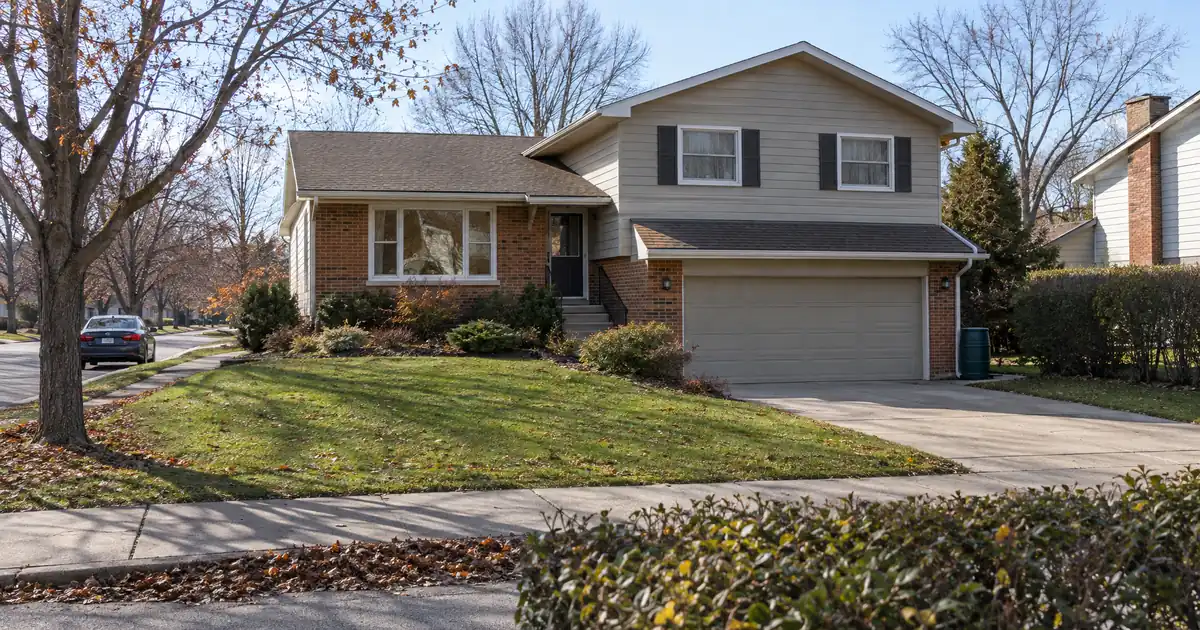
The Quick Read: A self-employed homeowner can pull equity out of a home to fund a renovation by qualifying on 12 months of bank deposits instead of tax returns, as long as the property has enough appraised equity, the deposits support the new payment, and the cash-out stays within the program’s leverage ceiling for that occupancy. The loan replaces your current mortgage with a larger one. You receive the difference as a lump sum. Qualification runs on documented income under the applicable program, subject to lender guidelines.
- On a primary residence, cash-out typically tops out at 80% LTV (loan-to-value, the loan as a share of appraised value). The limit is 75% when an accountant prepares the expense ratio.
- On a second home or an investment property, cash-out typically tops out at 75% LTV.
- Income and equity each cap your cash-out. Whichever is tighter sets the number.
- The appraisal values the home as it stands. Spending on the renovation does not raise your loan amount.
- Loan sizes generally run from $125,000 to $3,500,000, with reserves commonly around six months of the housing payment.
Everything below is subject to lender guidelines and credit review. Every file is underwritten individually, and nothing here is a commitment to lend.
What Is a Bank Statement Cash-Out Refinance?
It is a refinance that proves income through deposits instead of tax returns. Nothing else about the transaction changes. The new loan pays off the old mortgage and closing costs, and the leftover balance goes to you.
This is a non-QM loan. Non-QM means the loan falls outside the standard rules used for W-2 borrowers. These programs exist for people whose tax returns understate what they really earn. Business owners, 1099 contractors, and commission earners fit the pattern. Heavy write-offs shrink taxable income, but the bank account still shows the real cash flow.
Scotsman Guide’s overview of non-QM lending describes the standard setup. A borrower without a W-2 supplies 12 to 24 months of personal or business bank statements. The lender then calculates income using an expense factor, or in some cases a profit-and-loss statement or an expense statement from a tax professional. Across Lendmire’s wholesale network, 12 months of statements is the common starting point, and a few lenders ask for 24.
What Are the Requirements at a Glance?
The leverage ceiling depends on how you use the property. For a cash-out, the ceiling is lower than for a purchase, and most borrowers who read a headline number miss that.
| Occupancy / transaction | Typical max LTV |
|---|---|
| Primary residence, cash-out | Up to 80% (75% with accountant-prepared ratio) |
| Second home, cash-out | Up to 75% |
| Investment property, cash-out | Up to 75% |
| Primary residence, asset depletion | Up to 80% |
| Primary residence, purchase or rate-term only | Up to 90% |
The last row is a contrast, not a cash-out number. Select lenders reach 90% LTV on a primary-residence purchase or rate-and-term refinance. They do not extend that to a cash-out. Stronger files earn the top of each range, and weaker credit or a larger loan pulls the ceiling down.
Beyond leverage, expect these basics:
- Statements: 12 months of business or personal statements, usually consecutive.
- Loan size: roughly $125,000 to $3,500,000.
- Reserves: commonly around six months of the housing payment, held in liquid funds after closing.
- Credit and debt: a credit review, plus a test of your qualifying income against all debts, including the new, larger mortgage.
- Title history: lenders look at how long you have owned the home. If you bought recently, some programs use the lower of cost or appraised value.
How Do Lenders Turn Bank Deposits Into Income?
They average your eligible deposits, subtract an expense factor if the account is a business account, and multiply by your ownership share. The result is monthly qualifying income. The expense factor is set by the program, so identical deposits can produce different income at different lenders.
Here is the process, step by step:
1. Choose the statement type. Personal statements are read closer to raw deposits. Business statements take an expense factor.
2. Scrub the deposits. Underwriters remove transfers between your own accounts, refunds, loan proceeds, and owner cash injections. They also ask about large deposits that have no clear source.
3. Average the months. Eligible deposits are divided by the number of months in the window.
4. Apply the expense factor. The program chooses it. Some programs accept a letter or ratio from an accountant instead of the default, which is why that route can change both income and leverage.
5. Apply your ownership percentage. If you own half the business, you get credit for half.
6. Test against debts. The resulting income is measured against your total monthly obligations, including the new payment.
No expense factor is universal, so do not trust any number you see quoted as a rule. Scotsman Guide uses a round example, but each program sets its own.
| Item | Personal statements | Business statements |
|---|---|---|
| How deposits are read | Close to raw deposits | After an expense factor |
| Best fit | Clean, simple income | Revenue clearly run through the business |
| Main risk | Personal spending and transfers muddy the file | A flat factor can shortchange equipment-heavy firms |
| Helpful add-on | Letter explaining deposits | Accountant letter supporting a different ratio |
A longer statement window smooths out seasonal or lumpy income. A shorter one helps when your income is rising, because the recent months carry more weight.
Which Documents Should You Gather?
Gather statements, identity and ownership proof, and the standard property file. Clean labeling does more for your approval odds than most borrowers expect.
- Consecutive bank statements for the full window, all pages included.
- Business ownership proof if you use business statements, such as a license or entity paperwork.
- Your current mortgage statement, homeowners insurance declaration, and latest property tax bill.
- An HOA statement, if one applies.
- Government ID and authorization for a credit review.
- Letters of explanation for large one-off deposits, gaps, and any account that mixes personal and business money.
Commingled accounts are a common problem. Paychecks, family transfers, and personal spending in one account make the underwriter’s job harder. If you can, route business revenue into one account and keep personal money separate well before you apply. Annotating the statements yourself (what each large deposit was) prevents a round of questions later.
How Much Renovation Cash Can You Actually Get?
Your cash-out equals the new loan minus the payoff, closing costs, and prepaid items. The new loan is capped twice: once by equity, once by income. The smaller cap wins.
Run the numbers on a modeled primary residence. Say the existing mortgage balance equals about 55% of the home’s appraised value. At an 80% LTV ceiling, the equity cap leaves room of about 25% of value before costs. Closing costs and prepaids then come out of that. If your documented income supports a smaller loan than that, the income cap binds first and the cash you receive shrinks. These are modeled assumptions, not a quote. Final terms depend on lender guidelines, property type, leverage, and the borrower’s complete credit picture.
Three practical points follow:
- Size to the project, with a cushion. Renovations run over. Plan for a contingency on top of the contractor bid.
- A low appraisal hits cash first. When value comes in lower, the loan shrinks, and the cash-out absorbs the loss before anything else does.
- Higher leverage is not free. Pulling to the ceiling raises the payment. Check that your qualifying income still carries it with room to spare.
Does the Appraisal Count Your Renovation?
A standard cash-out loan is sized on the home’s current appraised value. Spending on a project that is not finished adds nothing to that number.
Completed, documented work may support a higher appraised value, depending on comps and underwriter review. The appraiser looks at what similar homes sell for, not at your receipts. A kitchen that cost a lot may or may not move value by the same amount.
That creates a timing choice:
- Refinance first. You get cash sooner, but the loan is sized on the as-is value. The cash may fall short of the full project.
- Renovate first, then refinance. You pay for the work some other way, and the finished result is what the appraiser sees. This can raise the ceiling, but you need bridge funds.
Some conforming renovation loans size on the as-completed value. They follow tax-return rules, though, which is often the exact problem for a self-employed borrower. Ask your loan officer which value the specific program uses before you plan the budget around it.
How Does the Cash Arrive, and How Do You Pay Contractors?
The cash arrives as a lump sum at closing. There is no draw schedule, and the lender does not inspect the work. Cash-out proceeds are generally unrestricted, so the loan does not dictate how you spend the money.
That freedom cuts both ways. You control the timing, and you can negotiate payment stages with your contractor. You also carry the discipline. Keep the proceeds in a dedicated account, pay in stages tied to completed work, and keep the contracts and receipts. Tax treatment can depend on how the funds are used and how the property is held; borrowers should keep clear records and speak with a qualified tax professional before relying on any deduction.
Is a Bank Statement Cash-Out the Right Way to Pay for the Work?
It depends on how long you will hold the home, what your current mortgage terms are, and which documents make your file strongest.
| Option | Works best when | Watch out for |
|---|---|---|
| Bank statement cash-out | You need a lump sum and deposits tell your income story | Replaces your whole first mortgage |
| Home equity line (second mortgage) | You need money in stages for a shorter horizon | Adds a second payment |
| Renovate first, then refinance | You can bridge the project and want the work counted | Needs separate funds up front |
| Conforming renovation loan | You can document income with tax returns | Tax returns may understate your income |
| DSCR cash-out (investment property only) | The property is a rental with strong rent coverage | Not available for your own home |
Two of these deserve a closer look.
Replacing a low first mortgage. A cash-out refinance swaps your existing loan and its terms for new ones. If your current mortgage is a good one, giving it up is a real cost. A second lien keeps the first mortgage in place. One cash-out can still beat a second lien followed by a refinance, because it avoids two sets of closing costs.
Investment property. A DSCR loan (debt service coverage ratio, which compares a property’s rent to its monthly payment) skips personal income entirely. A bank statement loan, even on an investment property, is judged on your deposits, not the rent. Investment-property cash-out on bank statements typically tops out around 75% LTV. If the home is a rental, pick the documentation set that is stronger for you. Lendmire’s complete DSCR loans guide explains when the rent-based route fits better. One more caution: a cash-out raises the balance, so a rental that covered its payment comfortably before can land close to the minimum coverage afterward.
What Can Derail the Application?
Most denials in this lane trace back to a handful of fixable problems.
- Muddy deposits. Transfers, refunds, and unexplained large deposits get stripped out, and income falls.
- Heavy debts. A larger payment on top of existing obligations pushes the debt test past what the program allows.
- Thin equity. The home’s appraised value leaves little room after your current balance.
- Low appraisal. A value below your expectation shrinks the loan and the cash with it.
- Short reserves. The file needs liquid funds after closing, commonly around six months of the housing payment.
- Declining deposits. A trend that falls in the most recent months can hurt more than a flat average suggests.
Start preparing before you apply. Clean up the accounts, pay down small debts if it helps your ratios, and keep your recent months strong. Ask a loan officer to test the numbers on both a 12-month and a 24-month view if your income moves around.
How Do the Disclosure and Repayment Rules Apply?
Occupancy decides which regime applies to your loan. An owner-occupied file, meaning a primary residence or second home, is a consumer mortgage and carries the standard consumer disclosures, including the Loan Estimate. A bank statement loan on a non-owner-occupied rental, including a short-term rental, is a business-purpose loan and is exempt from those disclosures.
Because they are business-purpose investor loans, those rental files are reviewed differently from a standard owner-occupied mortgage. Short-term rental rules can vary by city, county, HOA, and property type, so investors should confirm local rules before relying on projected rental income.
Non-QM does not mean unregulated. The CFPB’s compliance guide for the ability-to-repay and qualified mortgage rule says it summarizes the rule rather than replacing it. The rule covers closed-end consumer mortgages. A lender still has to make a reasonable, good-faith determination that you can repay. Verified deposits are how a bank statement program makes that determination.
Key Terms Defined
Non-QM loan: a mortgage that falls outside standard qualified-mortgage documentation rules, often used when tax returns do not reflect real income.
Expense factor: the percentage of business deposits a lender treats as operating costs before counting the rest as income.
LTV (loan-to-value): the loan amount divided by the property’s appraised value.
Cash-out refinance: a new, larger mortgage that pays off the old one and gives you the difference in cash.
As-is value: the appraised value of the home in its current condition, before planned work.
Reserves: liquid funds you keep after closing, usually measured in months of the housing payment.
What Is the Order of Steps From Prep to Closing?
1. Separate and label your accounts, and decide whether personal or business statements tell the better story.
2. Estimate the renovation budget, then add a contingency.
3. Ask a loan officer to run income and equity caps against that budget.
4. Gather statements, ownership proof, and the property file.
5. Submit the application and respond to underwriter questions about deposits.
6. Complete the appraisal, which sets the value ceiling.
7. Review final terms, close, and receive the lump sum.
8. Pay contractors in stages and keep every receipt.
Frequently Asked Questions
Can the cash from a bank statement cash-out go to any renovation?
Yes. Proceeds are generally unrestricted, so the lender does not direct how you spend them. The loan amount is set by appraised value, leverage limits, and your documented income, not by the renovation budget. Keep contracts and receipts for your own records.
What LTV can I expect on a cash-out versus a purchase?
It is lower on a cash-out. A primary residence typically reaches up to 80% LTV on a cash-out, or 75% with an accountant-prepared expense ratio. A second home or investment property typically tops out at 75%. The 90% LTV figure applies to a primary-residence purchase or rate-and-term refinance only.
Does the renovation increase how much I can borrow?
Not by itself. A standard cash-out is sized on the as-is appraised value, so unfinished work does not count. Finished work may support a higher appraised value, depending on comps and underwriter review, but it is the appraisal that moves the number.
Is a home equity line cheaper than a cash-out refinance?
It depends on your horizon and your current first mortgage. A second lien leaves your first mortgage untouched, which matters if that loan has favorable terms. A cash-out replaces everything with one loan. Compare closing costs, how long you will hold the property, and how each option changes your total monthly obligations.
Can a bank statement loan fund a renovation on a rental property?
Often, yes. Cash-out on an investment property typically tops out around 75% LTV, and the file is judged on your deposits rather than the rent. If the property’s rent is strong, a rent-based loan may fit better. Availability of owner-occupied consumer loans is limited to the 16 states where Lendmire holds consumer mortgage licensing, so confirm your state first.
Next Step
If you are self-employed and want to see how the numbers work, Lendmire can help you compare bank statement loan options based on your deposits, the property, credit profile, leverage, and your goals. Lendmire is a mortgage broker that shops a network of wholesale lenders, so the program that fits depends on your situation. Call 828-256-2183 to talk through your file.
For the mechanics of pulling equity out of a rental property, see Lendmire’s guide to cash-out refinance on an investment property.
About Lendmire
Lendmire is a mortgage brokerage (NMLS# 2371349) licensed for consumer mortgage lending in 16 states, arranging bank statement and other alternative-documentation mortgages — P&L-only, 1099-only and asset-based paths — through a wholesale lending network. Eligibility is determined by the lender on each file. Scotsman Guide named Lendmire a Top Mortgage Workplace in both 2025 and 2026.
Get Started
Ready to find the right loan for you?
See your offer in seconds. No credit pull, no obligation.
Informational only. Not a Loan Estimate, approval, or commitment to lend. Program availability and eligibility are subject to lender guidelines, credit approval, property review, and underwriting.
References
1. Scotsman Guide, “Rev Up the Engine for Non-QM Lending”
2. CFPB Ability-to-Repay/Qualified Mortgage Small Entity Compliance Guide
This article is part of Lendmire’s bank statement loan program — full qualification details, guidelines, and scenarios live on the program page.
Related reading: Best Bank Statement HELOC Program on a Home With No Mortgage · Best Bank Statement HELOC Program to Fund Business Expansion · Best Bank Statement HELOC Program to Fund Rehab in Stages
Brandon Miller
Founder & CEO, Mortgage Loan Originator, Lendmire LLC
- Mortgage Loan Originator · NMLS# 1129696 · Verify on NMLS Consumer Access
- North Carolina Real Estate Broker · License# 343312 · Verify on NCREC
- North Carolina Insurance Producer · License# 19053198 · Property, Casualty, Life, Health · Verify on NAIC SBS
- Lendmire LLC · Firm NMLS# 2371349 · Verify firm licensure
Disclosures. The information presented in this article is general market commentary, not financial, legal, or tax advice. Lendmire is a mortgage brokerage (NMLS# 2371349) — not a direct lender or depository institution — and loan placement is subject to lender underwriting. Nothing in this content represents a commitment to lend. Loan terms, pricing, and program availability vary based on borrower qualifications, property characteristics, and state of subject property, and are subject to change at any time. Lendmire complies with Equal Housing Opportunity requirements. Consumer access: nmlsconsumeraccess.org.