
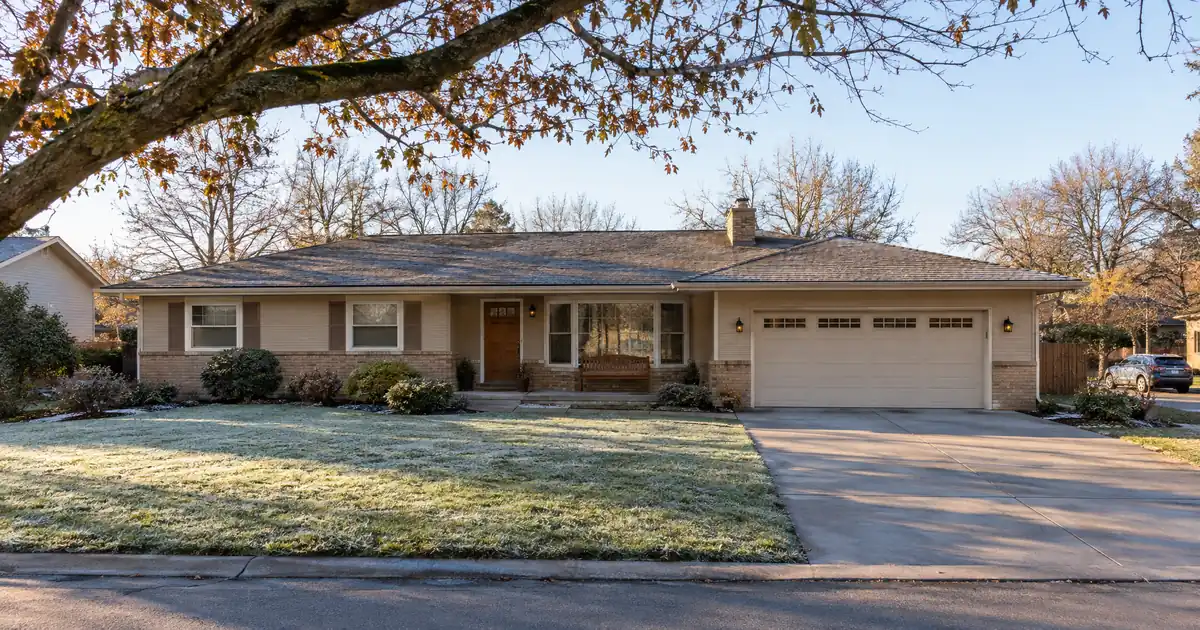
The Quick Read: Once the house is recorded in your name, a bank statement cash-out refinance treats it like any other property: the statements only decide how your income is calculated, while occupancy, appraised value, and the lender’s own title and waiting-period overlays decide how much cash you can pull out. The inheritance changes the paperwork you need up front. It does not change the basic math.
- Bank statements replace tax returns as proof of income. They do not replace title, an appraisal, or reserves.
- A paid-off inherited house is still a cash-out refinance when you borrow against it.
- Occupancy sets the leverage ceiling: up to 80% on a primary residence, 75% on a second home, and about 75% on an investment property.
- Inherited cash sitting in your account is not income and needs to be documented separately.
- Any waiting period after inheriting is a lender overlay, not a universal law, so it varies across programs.
What This Loan Actually Is
A bank statement loan is reviewed around documented income under the applicable program, subject to lender guidelines. Instead of tax returns, the lender reads 12 months of business or personal statements. It averages your deposits and applies an expense factor to estimate usable income.
A cash-out refinance replaces whatever loan sits on the house with a new, larger one. The difference comes to you as cash. Put the two together and you have a loan built for self-employed heirs who want to turn inherited equity into working capital or a buyout.
Lendmire is a mortgage broker. It places these files with select wholesale lenders, and each lender sets its own overlays on top of the program basics.
Does a Paid-Off Inherited House Count as Cash-Out?
Yes. If the house has no mortgage and you take a new loan against it, the lender calls it a cash-out refinance. Having no loan to pay off does not make it a purchase or a simple rate-and-term refinance.
That matters because cash-out carries lower leverage ceilings than purchase or rate-and-term files. A program that allows higher leverage on a primary-residence purchase will not extend that ceiling to a cash-out. Always ask which transaction type a quoted leverage figure belongs to.
The Gates: Title, Probate, and Co-Heirs
You cannot borrow against a house you do not yet legally control. Most lenders want the heir on recorded title before the new loan closes. The table shows where each situation stands.
| Stage | Can you proceed? | What to do next |
|---|---|---|
| Probate open | Usually not | Finish probate; get letters of authority |
| Probate closed, deed unrecorded | Not yet | Record the deed in your name |
| Deed recorded, sole heir | Yes | Gather statements; order appraisal |
| Co-heirs on title | Only with all signatures | Agree on buyout or joint loan |
| Trust or LLC holds title | Depends on lender | Confirm vesting before applying |
The real delay is usually the court process, not a seasoning rule. Probate rules differ by state, so confirm who has authority to pledge the house with an estate attorney before you apply.
Multiple heirs are the other common snag. If you and two siblings hold the house as tenants in common, one heir cannot borrow against the whole property over the others’ objection. Each owner on title generally has to sign, or be bought out first.
How Occupancy Changes the Leverage
The same inherited house can land in three different boxes. What you plan to do with it decides which one.
| Occupancy | Typical cash-out ceiling | Notes |
|---|---|---|
| Primary residence | Up to 80% LTV | 75% with an accountant-prepared expense ratio |
| Second home | Up to 75% LTV | Varies by loan size and credit |
| Investment property | About 75% LTV | Tenant-occupied or vacant-for-rent |
These are typical ranges from select lenders in the wholesale network. They are not guaranteed, and credit, loan size, and property type can pull them lower. Loan amounts across these programs generally run from roughly $125,000 to $3,500,000, and reserves of about six months of the housing payment are common.
Here is the trap many heirs miss. If you rent the house out or leave it vacant after inheriting, it is an investment property, not a primary residence. The higher primary-residence ceiling does not follow you there. Decide the occupancy plan before you apply, because the lender will ask.
How Bank Statement Income Is Read for an Heir
The lender reviews 12 months of statements, business or personal. It totals qualifying deposits, strips out transfers between your own accounts, and applies an expense factor to arrive at usable income. The factor differs by lender, so never assume a universal formula.
Inheritance money creates a specific problem. An estate payout landing in your account is a large, one-time deposit. Underwriters flag large or unexplained deposits, and they will not count that money as earnings.
Three habits keep the file clean:
- Keep inherited funds in a separate account from the one you use for income.
- Save the estate distribution paperwork so you can explain any large deposit.
- Do not move inherited cash through your business account during the statement window.
Commingling is what hurts you. Business deposits that mix with estate money are harder to average, and a messy window can lower the income the lender will use.
Some heirs also inherit liquid assets along with the house. An asset-depletion alternative is reviewed against those assets instead of deposits. On a primary residence, it runs to about 80% LTV, with details set by each program sheet. Exact terms depend on the lender’s guidelines, property type, leverage, and a full review of the borrower’s file.
Which Rulebook Applies
Most online advice about inherited homes comes from the agency world, and the two rulebooks get blurred. Bank statement loans are non-QM, which means they sit outside the standard agency rules. Any waiting period after inheriting is therefore a lender overlay, not a federal rule.
For contrast, Freddie Mac’s cash-out refinance page lists standard seasoning tests, including a first mortgage at least 12 months old and six months on title. The same page also lists no seasoning requirement for eligible inherited properties. Fannie Mae’s heirs’ property page similarly says 12-month seasoning does not apply to recent heirs buying out a co-owner.
Do not assume a bank statement lender follows those exceptions. Some do, some set their own wait, and some want the deed recorded for a stated period. Because a broker sees many lenders’ guidelines, the job is matching your timeline to a program whose overlay fits it.
You may also read that only private lenders handle inherited-property loans. That is not accurate. Standard wholesale programs can do it once title is clean, though each sets its own terms.
One more point on occupancy and paperwork. An owner-occupied file, meaning a primary residence or second home, is a consumer mortgage and follows the standard consumer disclosure process. A bank statement loan on a rental, including a short-term rental, is business-purpose and exempt from that process. Lendmire’s consumer mortgage licensing covers 16 states, so owner-occupied availability depends on where the property sits.
Buying Out Co-Heirs: Steps and a Worked Example
A cash-out refinance is the usual way one heir keeps the house while paying siblings their share. The steps run in this order:
1. Order an appraisal to set the value.
2. Calculate each co-heir’s share of that value.
3. Qualify the keeping heir on bank statement income.
4. Close the new loan, pay off any existing mortgage, and pay the buyout.
5. Record the deed so the keeping heir holds title alone.
Here is a modeled example in percentages only. Two siblings inherit a house, and the keeping heir must buy out the other’s 50% share. Assume the house is rented, so it is an investment property with a cash-out ceiling of about 75% LTV. Every figure here varies by lender and program — guidelines, property type, leverage, and credit profile all apply.
- New loan: 75% of appraised value.
- Existing mortgage payoff: none, since the house is paid off.
- Buyout to the sibling: 50% of appraised value.
- Left over before closing costs: roughly 25% of appraised value.
If the keeping heir lives in the house as a primary residence at the 80% ceiling, the leftover is roughly 30% before costs. Closing costs come out of that remainder, so the net cash is lower than either figure. If the house carries a mortgage, the payoff reduces the remainder dollar for dollar. If the buyout share plus payoff exceeds the loan ceiling, the heir needs cash from elsewhere, or a smaller buyout.
Bank Statement or DSCR: Which Fits an Heir?
The central decision is which kind of income the lender should test. If you plan to keep the house as a rental, a DSCR loan is the other path. DSCR stands for debt service coverage ratio, and it compares the property’s rent to its monthly obligation. Lendmire’s complete DSCR loans guide covers it in full.
| Factor | Bank statement loan | DSCR loan |
|---|---|---|
| What is tested | Your deposits | Property rent |
| Best for | Steady deposits, any occupancy | Rental held as an investment |
| Occupancy | Primary, second home, investment | Non-owner-occupied only |
| Weak spot | Irregular deposits | Low rent against the payment |
A DSCR loan is reviewed primarily on property-level rental income covering the payment, subject to lender guidelines. If your personal deposits swing from month to month, rent may carry the file better than deposits. If the house is your home or a second home, bank statements are usually the only route of the two, since DSCR is for rentals.
Edge Cases Where the Rule Breaks
Mortgage still on the house. The old loan gets paid off at closing. Some lenders look at how long it has been in place, so ask early.
Probate not closed. You generally cannot close until you hold title. Plan around the court calendar, not the lender’s.
Trust or LLC vesting. A trust or estate deed changes the paper trail. Lenders may require the deed in your personal name first, or may accept certain entity titles, subject to program terms.
Heir with irregular deposits. A self-employed heir whose deposits are lumpy can have a weak average. Compare against a rent-based option before you commit.
Prior credit line on the house. A home equity line left by the decedent is paid off at closing, which lowers your net cash.
Document Checklist
Heirs should expect to gather:
- A death certificate and any court letters of authority.
- The recorded deed or trust documents showing your ownership.
- A title report.
- 12 months of business or personal bank statements.
- Estate distribution paperwork for any large deposits.
- Homeowners insurance in your name.
- A rent schedule or lease, if the house is rented.
Tax treatment varies; consult a qualified tax professional before relying on any of the figures above.
Key Terms Defined
Cash-out refinance: A new loan that replaces the old one and pays you the difference in cash.
Non-QM: A loan that sits outside standard agency underwriting rules and uses its own documentation methods.
Seasoning: The waiting period a lender wants between two events, such as inheriting a house and refinancing it.
Tenants in common: A form of co-ownership where each heir holds a separate share and can act on that share.
Personal representative: The person a court names to manage an estate during probate.
Asset depletion: A way of qualifying based on liquid assets rather than monthly deposits.
Common Mistakes
The first mistake is applying before the deed is recorded. The second is assuming the agency rules for inherited homes apply to every lender. The third is depositing estate cash into the account that shows your income. The fourth is picking an occupancy type you will not actually use, because the lender can reclassify the file later.
Frequently Asked Questions
Can I use bank statements to cash out on a house I just inherited?
Usually yes, once title is recorded in your name and the lender’s own waiting period, if any, is met. The statements prove income, and the house still needs an appraisal and a clean title report. Eligibility depends on the program and lender guidelines.
Will the inherited cash in my account count as income?
No. Underwriters treat it as a large, non-recurring deposit and exclude it from income. Document where it came from and keep it apart from the account you use for business deposits.
How much can I take out of an inherited house?
It depends on occupancy. Typical ceilings are up to 80% LTV on a primary residence, 75% on a second home, and about 75% on an investment property. Credit and loan size can lower those numbers, and any existing loan or buyout comes out of the proceeds first. Final terms depend on lender guidelines, property type, leverage, and the borrower’s complete credit picture.
Can I buy out my siblings with this loan?
Yes, that is a common use. You must qualify on your own, all owners on title must sign, and the buyout comes out of the new loan.
Is a DSCR loan better if I plan to rent the house?
It can be, particularly if your personal deposits are uneven. A DSCR loan tests the property’s rent against its payment, while a bank statement loan tests your deposits. The better program depends on your income pattern, the property, and your goals.
Next Steps
If you are self-employed and want to see how the numbers work, Lendmire can help you compare bank statement loan options based on your deposits, the property, credit profile, leverage, and your goals. The right fit comes from matching your title status and occupancy plan to a lender whose overlays suit them, and inherited houses are where those details matter most.
A deeper walk-through of investment-property equity extraction lives in Lendmire’s guide to cash-out refinance on an investment property.
About Lendmire
Lendmire (NMLS# 2371349) is a mortgage brokerage serving self-employed and high-net-worth borrowers in 16 states. Bank statement, P&L-only, 1099-only and asset-based mortgages are arranged through wholesale lending channels; Lendmire brokers the financing and the lender underwrites each application. Scotsman Guide named Lendmire a Top Mortgage Workplace in both 2025 and 2026.
Get Started
Ready to find the right loan for you?
See your offer in seconds. No credit pull, no obligation.
Informational only. Not a Loan Estimate, approval, or commitment to lend. Program availability and eligibility are subject to lender guidelines, credit approval, property review, and underwriting.
References
1. Freddie Mac – Cash-out Refinance
2. Fannie Mae – Addressing heirs’ property
This article is part of Lendmire’s bank statement loan program — full qualification details, guidelines, and scenarios live on the program page.
Related reading: Bank Statement HELOC Lenders for Independent Workers · Best Bank Statement HELOC Program With One Unit Vacant · Best Bank Statement HELOC Program on an Inherited Rental With Tenants in Place
Brandon Miller
Founder & CEO, Mortgage Loan Originator, Lendmire LLC
- Mortgage Loan Originator · NMLS# 1129696 · Verify on NMLS Consumer Access
- North Carolina Real Estate Broker · License# 343312 · Verify on NCREC
- North Carolina Insurance Producer · License# 19053198 · Property, Casualty, Life, Health · Verify on NAIC SBS
- Lendmire LLC · Firm NMLS# 2371349 · Verify firm licensure
Disclosures. The information presented in this article is general market commentary, not financial, legal, or tax advice. Lendmire is a mortgage brokerage (NMLS# 2371349) — not a direct lender or depository institution — and loan placement is subject to lender underwriting. Nothing in this content represents a commitment to lend. Loan terms, pricing, and program availability vary based on borrower qualifications, property characteristics, and state of subject property, and are subject to change at any time. Lendmire complies with Equal Housing Opportunity requirements. Consumer access: nmlsconsumeraccess.org.