
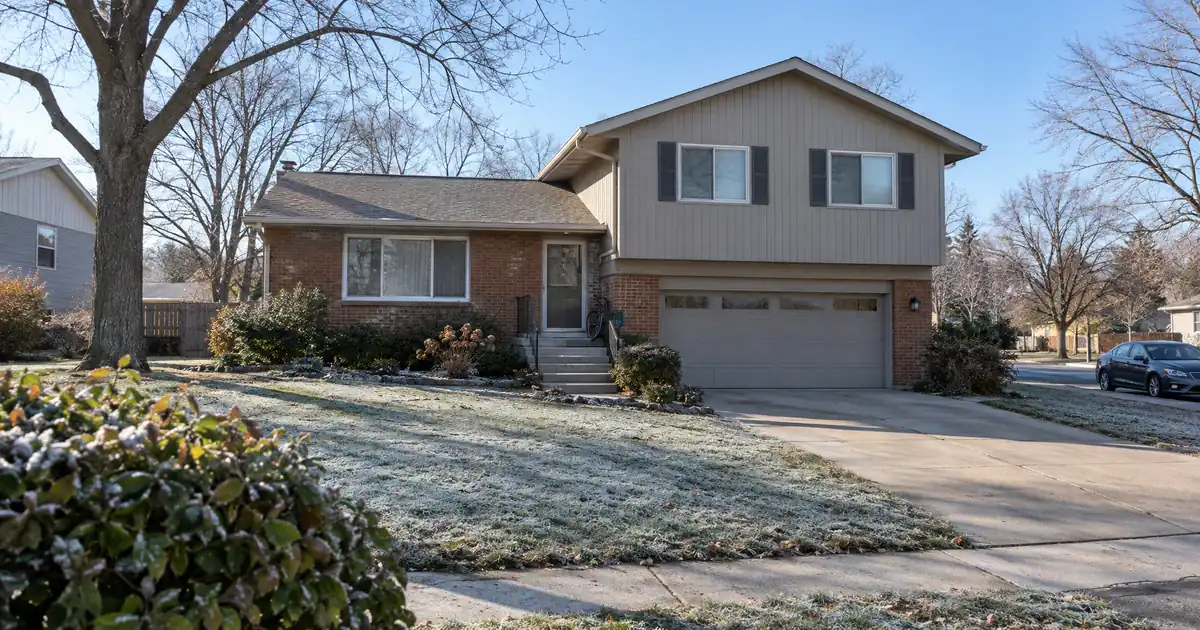
The Quick Read: When a rental’s coverage lands below 1.10x, the line usually does not work as submitted, because 1.10x is the program’s minimum and the test runs on the entire credit limit, not on what you draw. The practical path is to shrink the line, strengthen the rent evidence, or move to a different product. A cash-out refinance often starts at a lower coverage floor.
- The coverage test divides gross monthly rent by a stress payment on the full line.
- Line size is the most direct lever, because a smaller limit lowers the stress payment.
- Rent used for lender review is the lesser of the appraisal’s market rent and the lease, unless three months of receipts support a lease above market.
- A file well under 1.00x usually belongs in a cash-out refinance conversation, not a line.
What Is a DSCR HELOC, and Why Does 1.10 Matter?
A DSCR HELOC is a revolving line of credit on a non-owner-occupied one-to-four-unit rental. It qualifies primarily on property-level rental income covering the payment, subject to lender guidelines. The owner’s tax returns, W-2s, pay stubs and debt-to-income ratio are not part of the review.
Credit, equity, title and valuation are still reviewed. Only the personal income calculation goes away.
The line comes in two structures. It can be a standalone second lien behind a first mortgage you keep. Or it can be a standalone first lien on a rental with no mortgage. Through select programs, the property can stay in the owner’s LLC, with the members signing as guarantors, subject to program terms.
The 1.10x floor matters because it is the pass-or-fail gate for the whole file. Across Lendmire’s wholesale network, the line programs treat it as a hard gate, so a sub-1.10 file usually stalls before credit or equity even come into play. Other products are more flexible. A Scotsman Guide overview of DSCR lending says lenders typically set minimums of roughly 1.1 to 1.25. It adds that loans below 1.1 tend to come with more equity or different terms. For this line program, the figure is 1.10x, subject to underwriting.
The complete DSCR loans guide covers the ratio itself in more depth.
How Is the Coverage Test Built?
The test is gross monthly rent divided by a qualifying payment. The qualifying payment is a fully amortizing principal-and-interest payment on the entire credit limit, calculated at the start rate plus 2 percentage points. That is a stress payment. Taxes and insurance are not part of it.
Here is how the deal works through the test:
1. Rent is established. Rent used for lender review is the lesser of the appraisal’s Form 1007 market rent and the lease, unless three months of receipts support a lease above market. A lease in place is required.
2. The line size is set. Whatever limit you request becomes the base for the stress payment.
3. The payment is calculated on the whole limit. The drawn balance does not matter at this step.
4. Divide and compare. Rent divided by that payment must reach 1.10x.
5. The other gates run. Credit, combined leverage, valuation, title and insurance are reviewed.
On a second lien, the first mortgage also sits in the picture. The lender’s own coverage calculation governs how the first-mortgage payment is treated. Confirm on the file how the lender handles it before you build a plan around a specific ratio.
The step that surprises people is the third one. A borrower who plans to draw very little still gets tested on the full limit. And this program requires at least 80% of the line to be drawn at closing anyway, with later draws of at least $5,000 each. The line is a sizing decision, not a how-much-will-I-use decision.
For a 1-unit rental, Form 1007 is the appraiser’s rent schedule. For two-to-four units, the valuation uses a full appraisal on Form 1025 where an appraisal is required. That form carries the rent analysis.
What Does a Below-1.10 File Look Like in Practice?
Picture a rental whose rent, lease and appraisal all agree. At the full line the owner asked for, coverage comes out near 1.04x. That is below the floor by a small margin. The stress payment moves roughly in proportion to line size, so trimming the line moves the ratio the other way.
These figures are illustrative arithmetic only. The lender’s own calculation governs.
| Line size | Approx. coverage | Read |
|---|---|---|
| Full requested line | About 1.04x | Misses 1.10x |
| Line trimmed about 6% | About 1.11x | Clears narrowly |
| Line trimmed about 10% | About 1.16x | Clears with cushion |
The reverse also holds. A line about 20% larger on the same rent would push a 1.15x file to roughly 0.96x. Borrowers who ask for a bigger line to be safe sometimes talk themselves out of the approval.
A rule of thumb: a file at 1.00x needs the line cut by roughly 9% to reach 1.10x. A file at 1.05x needs about 5%. Those cuts also lower combined loan-to-value, which helps on a second lien capped at 70% CLTV (first mortgage balance plus the new line, divided by value, at a 720 score or better).
A trimmed line is not automatically a pass. It stays subject to underwriting, credit review and the property review.
Which Zone Below 1.10 Is Your File In?
Not every sub-1.10 file has the same fix. The distance below the floor decides the next move.
| Zone | Typical read | Best next move |
|---|---|---|
| About 1.05x to 1.09x | Near miss | Trim the line, or firm up rent evidence |
| About 1.00x to 1.04x | Break-even territory | Trim roughly 5-9%, or look at cash-out |
| Well under 1.00x | Rent does not cover payment | Different product or different property |
The first zone is usually fixable inside the line program. The second can go either way, depending on how much borrowing you actually need. The third is a signal that the line is the wrong tool.
A sub-1.00 structure may exist elsewhere, but ask whether it should be used. Select lenders offer sub-1.00 DSCR cash-out loans with adjusted leverage and terms. They are a different product, not a variant of the line. A Scotsman Guide piece on DSCR lending notes that some non-QM lenders will lend below 1.0 when the investor has other assets to offset the shortfall. If the only reason to go sub-1.00 is that no property in the search passes at standard coverage, that points to a problem with the search, not the loan type.
Which Input Failed? Diagnose Before You Fix
A low ratio has four possible causes. Each has a different first fix.
| Input | What went wrong | First fix |
|---|---|---|
| Rent | Appraisal or lease came in low | Document rent; time the renewal |
| Line size | Limit too large for the rent | Trim the limit |
| Vacancy | A 2-4 unit has an empty unit | Lease it, or trim the line |
| Valuation | Value caps the combined leverage | Smaller line or different structure |
Start with rent, because it is the input most borrowers misread. A lease that looks strong on paper can still be cut down to the appraiser’s market rent. The reverse also happens: a below-market lease caps the counted rent at the lease figure. If a long-term tenant is paying under market, renewing at documented market rent before the appraisal can lift the number.
Then check whether the borrower is solving the right problem. If rent is solid and the line is oversized, no amount of paperwork will help. Trimming is the cure.
Five Levers That Move a Thin Ratio
Line size is the most direct lever for a revolving line, because the whole limit is tested. The others each help at the margin.
Trim the line. Cutting the limit lowers the stress payment immediately. Of all the levers, it is the only one fully within the borrower’s control. The tradeoff is less available equity.
Document rent. Month-by-month receipts matter more than most investors expect. Three months of receipts can support a lease above market, which is the one exception to the lesser-of rule.
Fill the vacant unit. A two-to-four-unit property may have at most 1 vacant unit, and a lease must be in place. One empty unit in a four-unit building removes about a quarter of the rent. That alone can pull a passing file under 1.10x. Leasing the unit before applying often does more than any trim.
Time the renewal. If a lease expires soon, renew at documented market rent before the valuation. If the valuation is already ordered, waiting for the next cycle may beat applying now. This is a genuine toss-up: a delay costs time, but a thin file that fails costs more.
Reconsider short-term rental income. The rent schedule is built from monthly-lease comparables. Fannie Mae’s appraiser guidance says multiplying a nightly rate by 30 is not valid, and that the form cannot be used to estimate nightly fees. That is why short-term rentals often appraise low on rent, even when actual bookings are strong. Short-term rental rules can vary by city, county, HOA, and property type, so investors should confirm local rules before relying on projected rental income.
Here is a pattern that shows up often in files like this one. When a line fails the test by a small margin, the instinct is to chase a higher rent figure. The faster correction is usually the line size, because it is the one input nobody can dispute. Rent evidence helps most when the lease is below market or the appraisal came in oddly low.
When Is the Line the Wrong Tool?
The line is the wrong tool when coverage sits well under the floor, when the rental has a vacancy problem that will not be fixed soon, or when the borrower needs more equity than a trimmed line provides.
The usual alternative is a DSCR cash-out refinance. It replaces the first mortgage with one larger loan. A line adds a second lien and leaves the first mortgage alone. Each choice has a cost.
| Factor | DSCR HELOC | DSCR cash-out refinance |
|---|---|---|
| First mortgage | Stays in place | Replaced |
| Coverage floor | 1.10x on this program | Often starts at 1.00x; select programs go lower |
| Test basis | Stress payment on full limit | Varies by program |
| Access | Revolving, draws after closing | One lump sum |
If the first mortgage carries terms you would hate to give up, the line protects them. If the first mortgage is not worth keeping, the cash-out refinance may solve both problems at once. Check what a refinance does to the existing loan’s terms before choosing. Lendmire’s piece DSCR HELOC vs DSCR Cash-Out Refinance When the DSCR Comes In Below 1.10 walks through that tradeoff in more detail.
A bank statement HELOC is another path. It is reviewed on documented deposits instead of rent, so it follows that program’s rules, not this one’s. That route suits an owner whose deposits are strong even though the property’s rent is thin.
Where Do Most Investors Get It Wrong?
Assuming a bigger line is safer. Because the whole limit is tested, a larger request lowers the ratio.
Expecting a high lease to rescue the file. Rent counted is the lesser of market rent and the lease, unless three months of receipts support a lease above market. A lease above market without that support earns nothing extra.
Treating a coverage pass as a cash-flow pass. The ratio compares rent to the payment only. It ignores repairs, vacancy, management and capital expenses. A property can clear 1.10x and still lose money in a bad year.
Assuming personal-income HELOC rules apply. An investment-property HELOC qualified on personal income follows that program’s rules, not this one’s. This line is not offered on an owner-occupied home or second home.
Assuming a thin file only needs more paperwork. Documentation strengthens the rent figure. It does not change the math.
What Are the Risks and Limits?
The rate is variable. The stress payment is a conservative test, but the payment you actually make can change over the life of the line. The first 5 years are interest-only on the drawn balance. Then a 25-year fully amortizing repayment period begins, with a 30-year maturity. That shift changes the monthly obligation, so plan for the repayment period, not just the draw period.
A file that clears 1.10x narrowly has little cushion if rents soften. If your plan only works at the exact edge of the floor, size the line more conservatively than the minimum requires.
Other limits apply too. Two six-month clocks govern seasoning: a rental bought or refinanced inside the last 6 months is not eligible (that clock runs from the last note date to the new note date), and the owner must have held title for 6 months (settlement date to note date). Credit minimums are a 720 score on a second lien and 700 on a first lien. Rural property, condotels, row homes and leaseholds are outside the program. Each borrower is limited to 5 loans or $2,500,000 with the program.
The program is offered in 15 of Lendmire’s 16 licensed states, every licensed state except Tennessee. Foreign nationals and ITIN borrowers are not eligible. Everything here is subject to lender guidelines and underwriting.
Key Terms Defined
DSCR (debt service coverage ratio): The property’s gross monthly rent divided by the qualifying payment.
Qualifying payment: A fully amortizing principal-and-interest payment on the entire credit limit, at the start rate plus 2 percentage points.
Stress payment: A deliberately conservative payment used only to test the file, not the payment you will actually make.
CLTV (combined loan-to-value): The first mortgage balance plus the new line, divided by the property’s value.
Form 1007: The appraiser’s rent schedule for a single-family rental, used to establish market rent.
Draw period: The 5-year interest-only stretch when you can borrow against the line, before repayment begins.
Frequently Asked Questions
Can I get a DSCR HELOC if my coverage is under 1.10x?
Usually not as submitted. The 1.10x floor is a hard gate on this program. The common fixes are trimming the line, documenting stronger rent, or moving to a cash-out refinance. Qualification stays subject to lender guidelines and credit approval.
Does the test use the full limit or only the amount I draw?
The full limit. The qualifying payment is calculated on the entire credit line, so a small planned draw does not help. At least 80% of the line must be drawn at closing under this program in any case.
Does a higher-rent lease help?
Only with support. Rent is the lesser of the appraisal’s market rent and the lease, unless three months of receipts support a lease above market. A lease written well above market, with no payment history behind it, gets trimmed to the appraiser’s figure.
How long must I own the rental before a line is possible?
Two six-month clocks apply: the line is not available on a rental bought or refinanced in the last 6 months (last note date to new note date), and title must have been held for 6 months (settlement date to note date).
Does my personal income matter?
No personal income calculation is run. The rental’s income qualifies the line, subject to lender guidelines. Credit, equity, title and valuation are still reviewed, so personal credit history still counts.
Next Step
If you are considering a home equity line on a rental property and want to see how the numbers work, Lendmire can help you compare DSCR HELOC options based on the property, the rent, the equity available, credit profile, combined leverage, and your goals. Reach the team at 828-256-2183, or request a quote through Lendmire’s quote page.
Coverage ratios shift with every small change in line size, so the fastest way to learn whether a rental clears 1.10x is to run it at two or three different limits before ordering the appraisal.
About Lendmire
Lendmire (NMLS# 2371349) is a mortgage brokerage serving landlords and real estate investors in 16 licensed states. DSCR home equity lines of credit on non-owner-occupied one-to-four-unit rentals are arranged through wholesale lending channels in 15 of those states (every licensed state except Tennessee); Lendmire brokers the line and the lender underwrites each application on the property’s rent, credit and leverage. Scotsman Guide named Lendmire a Top Mortgage Workplace in both 2025 and 2026.
Get Started
Ready to find the right loan for you?
See your offer in seconds. No credit pull, no obligation.
Informational only. Not a Loan Estimate, approval, or commitment to lend. Program availability and eligibility are subject to lender guidelines, credit approval, property review, and underwriting.
References
1. Scotsman Guide: Get in the Game
2. Scotsman Guide: Invest in Your Future
3. Fannie Mae: Appraiser Update, June 2024
This article is part of Lendmire’s DSCR HELOC program — full qualification details, guidelines, and scenarios live on the program page.
Related reading: How to Use a DSCR HELOC to Fund a Small Business · Top DSCR HELOC Providers With Rental Income and No W-2 · Banks That Offer a DSCR HELOC in a Declining Market
Brandon Miller
Founder & CEO, Mortgage Loan Originator, Lendmire LLC
- Mortgage Loan Originator · NMLS# 1129696 · Verify on NMLS Consumer Access
- North Carolina Real Estate Broker · License# 343312 · Verify on NCREC
- North Carolina Insurance Producer · License# 19053198 · Property, Casualty, Life, Health · Verify on NAIC SBS
- Lendmire LLC · Firm NMLS# 2371349 · Verify firm licensure
Disclosure information. Lendmire is a state-licensed mortgage brokerage under NMLS# 2371349. Lendmire is not a depository institution, direct lender, or financial advisor — all loans referenced are placed through wholesale lender partners and are subject to each lender's underwriting standards. This article is provided for general informational purposes and is not a commitment to lend, nor does it constitute financial, legal, or tax advice. Loan programs, terms, rates, and qualification standards change without notice and depend on borrower profile, property type, and the state in which the subject property is located. Equal Housing Opportunity provider. NMLS Consumer Access: nmlsconsumeraccess.org.