
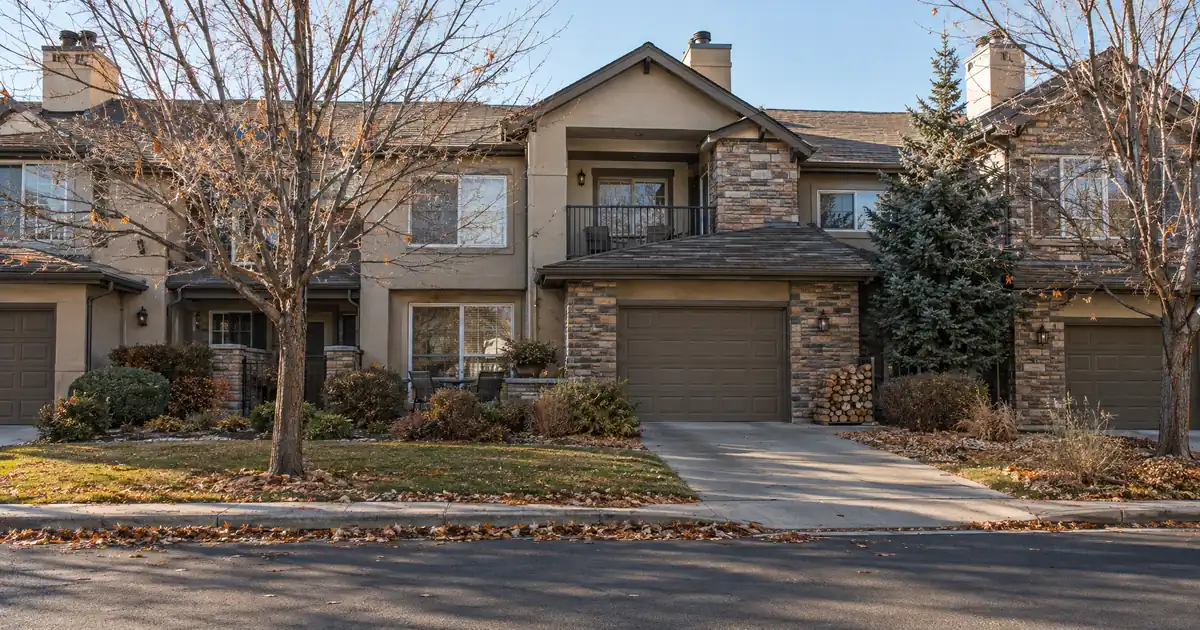
The Quick Read: A lender makes two separate decisions on this file. One decision is about your income, which bank statements document. The other is about the building, and a pending lawsuit lands only on that second decision, so strong deposits cannot offset a lawsuit the lender considers a real project risk. The type of suit, who is on each side, and what insurance and reserves can absorb usually decide the outcome.
- Bank statements change how income is documented. Credit, equity, and the property are still underwritten in full.
- Many lawsuits are survivable. Construction-defect, structural, and safety cases are the ones that tend to stop a file.
- Lenders in Lendmire’s wholesale network set their own condo-project rules, so the same building can get different answers.
- A line is revolving credit. A building under legal strain makes that line riskier for the lender to keep open.
- Pull the condo questionnaire and litigation disclosure before you apply. The suit often decides the file.
Key Terms Defined
Bank statement HELOC: A home equity line of credit where self-employed income is documented from 12 to 24 months of personal or business bank statements instead of tax returns.
HELOC: A revolving line of credit secured by your property. You borrow, repay, and borrow again during a set draw period.
Condo questionnaire: A form the lender sends to the HOA. It covers the budget, reserves, owner mix, insurance, and any pending litigation.
Non-warrantable condo: A condo project that fails the standard agency checklist. Enact, a mortgage insurer, lists pending litigation naming the HOA, sponsor, or developer among the triggers. High investor concentration and heavy commercial space are others.
CLTV: Combined loan-to-value. It adds your first mortgage and the new line together and divides by the property’s value.
Plaintiff and defendant: The plaintiff files the suit and the defendant answers it. Whether the HOA is suing or being sued changes the risk a lender sees.
How large a line the equity supports.
An equity line is sized by combined loan-to-value, occupancy, and credit — not by rental coverage. Switch the occupancy or the credit band and the ceiling moves with it.
Investment-property lines require a 700 minimum credit score; second-home lines start at a 640 minimum and primary-residence lines at 600, and the combined-LTV ceiling steps down as the credit band drops on primary-residence and second-home lines and holds on investment-property lines; the line cap steps down on primary-residence lines and holds at every tier on investment-property and second-home lines.
A debt-to-income ratio above 45% requires 680+ credit. Profiles under 640 are limited to single-family homes. At least 75% of the approved line is drawn at closing. Ceilings, floors, and caps update from Lendmire’s centralized guideline source.
Line estimate
Illustrative estimate only — not a quote, Loan Estimate, approval, or commitment to lend. The rate is an editable assumption; equity-line pricing is variable through both the draw and repayment periods and never converts to fixed. Occupancy and credit drive the ceiling together: an investment property tops out at 70% combined LTV (minimum credit 700, line cap $500,000); a second home tops out at 90% combined LTV (minimum credit 640, line cap $500,000), with the ceiling stepping down as the credit band drops (the cap holds at every tier); a primary residence tops out at 90% combined LTV (minimum credit 600), and its $750,000 maximum line is available only at 75% combined LTV or below with a 700-or-better credit profile (720 on the longer-runway program) and a full appraisal. Lines above $500,000 require a full appraisal. Credit, debt-to-income, property type, and full underwriting review all affect the final line.
What a Bank Statement HELOC Actually Is
It is a standard equity line with a different way of proving income. A HELOC is open-end credit with a draw period, and the CFPB gives a 10-year draw period as its example. If you already have a mortgage, the line sits behind it as a second lien. If the unit is paid off, a line can sit in first position.
The bank statement part solves a common problem. A self-employed owner can have strong cash flow and a tax return that shows little profit. Scotsman Guide describes the usual non-QM setup. The borrower supplies 12 to 24 months of statements. The lender applies an expense factor, with 50% as the trade press example, or accepts a profit-and-loss statement or an expense letter from a tax professional.
Bank statements are not a shortcut. The file is reviewed on documented income under the applicable program, subject to lender guidelines. Credit, equity, and the collateral all get full review.
How Underwriting Treats the File, Step by Step
The file runs on two tracks at once. Both must pass.
| Factor | Income review | Building review |
|---|---|---|
| What it checks | Your ability to repay | Condition and risk of the project |
| Main documents | 12-24 months of statements | Condo questionnaire, budget, insurance |
| Typical stopper | High debt-to-income, weak credit | Serious litigation, thin reserves |
| Can the other track fix it? | No | No |
Step 1: Income. The underwriter averages your deposits. Transfers between your own accounts, loan proceeds, and one-off deposits come out. For a business account, the underwriter applies an expense factor and adjusts for your ownership share. The result is monthly income, which then runs through a debt-to-income test. Across the wholesale programs this network places with, the ceiling is 50% debt-to-income. It drops to 45% for credit profiles from 600 to 679.
Step 2: Property. The lender sends the HOA the condo questionnaire. It also asks for the budget, reserve information, the declaration, the master insurance certificate, and a litigation disclosure. Where available, it wants a letter from the HOA’s attorney or insurer describing the suit.
Step 3: Litigation triage. The reviewer sorts the lawsuit by type and size. The next section covers that sort in detail.
Step 4: Title and value. The lender needs a clean lien position and a valuation that reflects the building’s condition. A pending suit can affect resale, and the valuation has to account for that.
Step 5: Decision. The deal works forward only if both tracks pass. A strong income file does not rescue a building the lender will not accept.
Which Lawsuits Matter, and Why
Lenders do not treat all litigation alike. The question is whether the suit threatens the building’s structure, finances, or resale. Most reviewers weigh whether insurance is defending the case and whether the HOA could fund a loss.
| Type of suit | Lender concern | Likely request | Your move |
|---|---|---|---|
| Insured slip-and-fall or liability claim | Low, if insurance is defending | Insurer confirmation | Get the insurer letter early |
| Dues collection against an owner | Low | Budget and delinquency data | Show delinquencies are modest |
| HOA suing a contractor or developer | Moderate to high | Attorney letter, repair status | Ask what funds the repairs |
| Construction defect or structural claim | High | Full attorney letter, reserves, assessment plans | Expect a narrow lender pool |
| Safety or habitability case | High | Same as above | Expect a possible decline |
| Suit against the HOA with large possible damages | High | Insurance and reserve proof | Learn if insurance covers it |
Plaintiff versus defendant. When the HOA is the plaintiff, the lender asks what the repair costs are and who pays now. Either way, a likely special assessment is a red flag, because it raises your cost of owning the unit.
Why a lender cares. A losing HOA may drain reserves, raise dues, or levy an assessment. Any of these can strain the owners who back the line. A suit can also narrow the pool of buyers who can finance a purchase, which hurts resale value. That is the lender’s collateral risk in plain terms.
The Agency Contrast, Briefly
Agency rules show the logic most lenders borrow from. Fannie Mae’s Selling Guide makes a project ineligible when the HOA or the sponsor is a named party to pending litigation tied to safety, structure, habitability, or function. Minor matters are treated more narrowly.
Your line is not an agency loan, so that rule does not bind it. Each lender in the wholesale network sets its own project review. Some lenders accept non-warrantable condos and some do not, which is why shopping the file across several lenders matters.
What Changes Because This Is a Line of Credit
A first mortgage funds once. A line stays open, and that changes the risk.
Draw structure. Across the wholesale programs this network places with, investment lines run a 5-year interest-only draw followed by a 25-year repayment period. Primary-residence and second-home lines can also use a 3-year draw followed by a 17-year repayment period. The pricing on these lines floats and does not convert to fixed. At least 75% of the line is drawn at closing.
Restricted draws. The CFPB notes a lender may restrict further draws if the home’s value falls significantly. A building in litigation raises that risk, so the unused part of your line may be less dependable than it looks. Plan around the amount drawn at closing, not the headroom.
Debt load. If the suit pushes dues up or brings an assessment, your carrying cost rises. Underwriters review the file on the interest-only payment calculated on the maximum draw, so a bigger line costs you more in the income test.
A status change after closing. A suit filed after closing does not usually unwind a funded line. It can, however, affect future draw availability and the value of your collateral. A suit that settles can improve the building’s standing, and that may open doors that were closed.
Network Parameters by Occupancy
The network program parameters differ by how you use the unit, so the ceiling depends on which one applies. Every figure below is subject to lender guidelines and full file review.
- Investment condo: a ceiling of 70% CLTV, a minimum 700 credit profile, and lines up to $500,000 on the 5-year draw structure.
- Second home: minimum credit of 640, with ceilings that rise with score. The 90% CLTV tier exists only at a 720-or-better profile.
- Primary residence: minimum credit of 600, with the same 90% tier available only at 720 or better.
- Property type: condos, including non-warrantable condos, are eligible. Condotels, co-ops, and mixed-use or commercial properties are not offered.
- Valuation: lines at or below $500,000 ordinarily run an automated valuation, and you can request a full appraisal in any case.
- Title: vesting must be in an individual or a revocable living trust. Programs in the wholesale network do not accept LLC title.
This product is available only in Lendmire’s 16 full-service states. That is narrower than its 41-market DSCR footprint, and it is a broker arrangement through select wholesale partners.
Where the General Rule Breaks
- Litigation plus another trigger. A suit on top of heavy investor concentration or resort-style operation makes the file harder. Condotel operation is not offered at all. Enact also lists commercial space above 35% as a trigger.
- The sponsor is the defendant. If a developer is being sued over the building, many reviewers treat that as closer to the structural cases, depending on the claims.
- A blank answer on the questionnaire. Unanswered litigation questions slow a file, and a lender may treat blanks as unknowns it cannot price.
- Insurer-defended minor claims. Some reviewers are comfortable here. The comfort level varies by lender and file.
- LLC title. If the unit is deeded to an LLC, the line does not fit. You would need a vesting change or a different product.
Three Walk-Throughs
A routine insured claim. An owner is suing the HOA over a fall in the lobby, and insurance is defending. Reserves are healthy and no assessment is planned. A lender will usually want the insurer’s confirmation and then focus on your credit and income. This is the cleanest version of a building with a lawsuit.
An HOA suing its builder over water intrusion. The repairs are underway and an assessment has been levied. The lender sees active structural exposure and a cost shift to owners. The file lands in a narrow lender pool, and some lenders will decline outright. A strong income file does not change this.
A suit filed mid-file. The questionnaire was clean when you applied, and a defect claim is filed before the lender decides. The lender will usually re-review the building. Expect it to ask for an updated attorney letter, and be ready for a delay or a different answer.
Your Step-by-Step Pre-Application Check
1. Ask the management office for the condo questionnaire and the litigation disclosure. 2. Read the litigation answer. Identify the type of suit and who is on each side. 3. Request the attorney or insurer letter if the HOA has one. 4. Review the budget and reserves. Look for any planned assessment. 5. Confirm how title is held. If it is an LLC, plan for a vesting change or a different product. 6. Gather 12 to 24 months of statements and run your own income math. 7. Bring the building documents and the statements to a broker who can compare lender project rules.
If the HOA is slow, ask in writing and keep a record. A blank or slow answer is itself information the lender will weigh.
If the Answer Is No
| Option | When it fits | What it holds back |
|---|---|---|
| A different wholesale lender | Project rules differ by lender | Terms may adjust |
| DSCR cash-out refinance | LLC title, rental unit, or a first-lien refinance | Replaces your first mortgage |
| Different collateral | You own another property with equity | Adds a different property review |
| Waiting | The suit is near settlement | Delays your timeline |
A DSCR cash-out refinance qualifies primarily on property-level rental income covering the payment, subject to lender guidelines. It tops out around 75% LTV across most of the network, and about 6 months of seasoning is the common expectation. Clearing 1.00 coverage does not mean positive cash flow, since repairs, vacancy, and management sit outside the calculation. The building still gets reviewed, because the same condo-project concerns apply to the collateral. Lendmire’s complete DSCR loans guide covers how those programs work.
For the document side, see the requirements for a bank statement HELOC on a condo building in litigation.
When This Probably Will Not Work
- The building is a condotel or runs resort-style rentals.
- The suit involves structural or safety claims with large possible damages and thin reserves.
- Title is in an LLC and you do not want to change it.
- You own more than 15 financed properties, or you already hold three lines.
- Your credit profile sits below the floor for your occupancy type.
Frequently Asked Questions
Does a condo lawsuit automatically block a bank statement HELOC?
No. Lenders weigh the type of suit, the dollars at risk, whether insurance is defending, and what reserves can absorb. Minor, insured matters are treated very differently from structural or safety cases. Each lender sets its own rules.
Can strong bank statements offset a building problem?
No. The income review and the building review run separately. Deposits answer whether you can repay. They say nothing about whether the project is acceptable collateral.
Is a non-warrantable condo the same as a bad building?
No. It is a financing label tied to agency checklists, not a judgment on the building. A settled case can restore standing in some situations.
Can I use an LLC?
Not for this product. Title must be held by an individual or a revocable living trust, so a property in an LLC needs a vesting change or a DSCR cash-out refinance instead, subject to lender program eligibility.
What should I ask the HOA before applying?
Ask for the condo questionnaire, the litigation disclosure, the budget and reserves, and any attorney or insurer letter. Also ask whether an assessment is planned.
Next Step
If you are considering a home equity line and want to see how the numbers work, Lendmire can help you compare HELOC options based on the property, the equity available, credit profile, combined leverage, and your goals. Reach the team at 828-256-2183, or use the quote request.
For current guidelines and terms, see Lendmire’s bank statement HELOC programs page.
About Lendmire
As a mortgage broker (NMLS# 2371349), Lendmire helps homeowners and real estate investors in its 16 full-service states open home equity lines of credit arranged through wholesale lenders. Lendmire is never the lender; line amounts, ceilings and terms are set by the lender under its guidelines. Scotsman Guide named Lendmire a Top Mortgage Workplace in both 2025 and 2026.
Get Started
Ready to find the right loan for you?
See your offer in seconds. No credit pull, no obligation.
Informational only. Not a Loan Estimate, approval, or commitment to lend. Program availability and eligibility are subject to lender guidelines, credit approval, property review, and underwriting.
References
1. Enact
2. CFPB Ask CFPB: What is a HELOC
3. Scotsman Guide: Rev Up the Engine for Non-QM Lending
4. Fannie Mae Selling Guide B4-2.1-03
This article is part of Lendmire’s bank statement HELOC program — full qualification details, guidelines, and scenarios live on the program page.
Related reading: How a Bank Statement HELOC Works on a Home in a Revocable Living Trust · How a Bank Statement HELOC Works for Qualifying Without a Paycheck From a Job · How a Bank Statement HELOC Works Across Lenders and Credit Tiers
Brandon Miller
Founder & CEO, Mortgage Loan Originator, Lendmire LLC
- Mortgage Loan Originator · NMLS# 1129696 · Verify on NMLS Consumer Access
- North Carolina Real Estate Broker · License# 343312 · Verify on NCREC
- North Carolina Insurance Producer · License# 19053198 · Property, Casualty, Life, Health · Verify on NAIC SBS
- Lendmire LLC · Firm NMLS# 2371349 · Verify firm licensure
Disclosure information. Lendmire is a state-licensed mortgage brokerage under NMLS# 2371349. Lendmire is not a depository institution, direct lender, or financial advisor — all loans referenced are placed through wholesale lender partners and are subject to each lender's underwriting standards. This article is provided for general informational purposes and is not a commitment to lend, nor does it constitute financial, legal, or tax advice. Loan programs, terms, rates, and qualification standards change without notice and depend on borrower profile, property type, and the state in which the subject property is located. Equal Housing Opportunity provider. NMLS Consumer Access: nmlsconsumeraccess.org.