
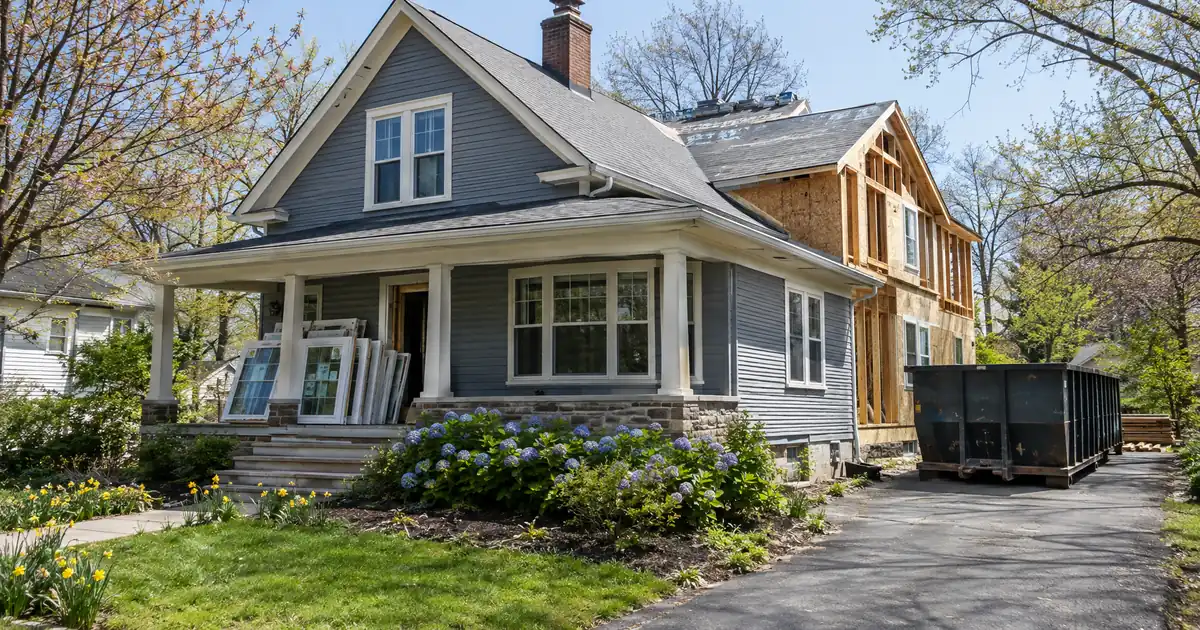
The Quick Read: A hard money cash-out on an empty rental is a short bridge loan sized on the property’s value, so the lease matters far less than the condition of the unit and your plan for the next loan. The best program for your situation depends on leverage, term length, and the exit. Lenders in a wholesale network differ on all three, and a broker shops them against your file.
- Hard money cash-out underwriting is asset-based. The lender looks at value, condition, and the exit, not at a lease.
- Across the network, cash-out and rate-and-term refinances on non-owner-occupied 1-4 unit property typically run up to 65% of value, subject to lender guidelines.
- Terms typically run 6 to 18 months, interest-only, with no prepayment penalty.
- A vacant, rent-ready unit can often go straight to long-term DSCR financing instead. That path is tested on the appraiser’s market rent.
- The cost of the two-step path (bridge, then permanent loan) is two sets of closing costs.
What Does Best Mean for a Rental With No Tenant?
There is no single best program. The right one depends on how finished the unit is, how much cash you need out, and what pays off the bridge when the term ends.
Here are the criteria that separate one program from another on this kind of file:
- Leverage. How much of the value the lender will advance on a cash-out.
- Term and extension room. Whether the bridge outlasts the lease-up and the next lender’s waiting period.
- Prepayment terms. Whether you can pay off early without a penalty.
- Collateral fit. Whether the property type sits inside the program: non-owner-occupied residential, 1-4 units.
- Exit clarity. Whether you can show the lender what takes it out.
Lendmire is a mortgage broker, not a lender. It works with a network of wholesale lenders across 41 markets, including Washington, D.C., and matches the scenario to a program. Programs change, every file is underwritten individually, and nothing here is a commitment to lend.
Why Does an Empty Unit Change the Loan?
Underwriting a rental depends on which loan you are asking for. A rent-based loan needs a rent figure. An asset-based loan needs a value and a plan.
A DSCR loan compares rent to the full monthly housing payment: principal, interest, taxes, insurance, and any HOA dues. With no tenant, there is no lease to supply the rent side of that math. The lender substitutes the appraiser’s opinion of market rent.
That opinion comes from a rent schedule attached to the appraisal. For one-unit homes, Fannie Mae’s Form 1007 is the agency version of that schedule. It builds market rent from three comparable rentals and adjusts rent concessions to the market. Per Freddie Mac’s version of the same form, the appraiser prepares it as an attachment to the appraisal. Two- to four-unit properties use a different form, the 1025. DSCR loans are not agency products. They borrow the form names, and each lender’s own guidelines decide how the rent counts.
A hard money cash-out skips most of that. The lender’s question is whether the property is worth enough, whether the plan is real, and whether you can pay the note back. A vacant unit does not break the file. A vacant unit that needs heavy work, or that has no exit, does.
Key Terms Defined
Cash-out refinance: A new loan that pays off the old one and returns the leftover equity to the borrower as cash.
Rate-and-term refinance: A new loan that pays off the old balance and costs, with no cash back to the borrower.
Seasoning: The minimum time you must own a property, usually measured from the date title was recorded, before a lender will refinance it on current value.
Rent-ready: Finished, safe, and listable at market rent without further construction.
Market rent: The monthly long-term rent an appraiser says the unit would command, as opposed to what a lease says.
DSCR: Monthly rent divided by the full housing payment. A ratio of 1.00 means rent equals the payment.
How Does Hard Money Cash-Out Underwriting Work, Step by Step?
The steps run in the same order on most files. Here is how a broker sees them.
1. Classify the transaction. Paying off the old loan and costs is a rate-and-term refinance. Cash back to you makes it a cash-out, with tighter leverage.
2. Confirm the collateral fits. The property must be non-owner-occupied residential, 1-4 units, and the use must be business-purpose.
3. Order the appraisal. It returns value. On a hard money loan, value drives the loan amount, since cash-out and rate-and-term refinances typically run up to 65% of value on this kind of collateral, varying by lender, property, and experience.
4. Check credit. A 620 score is the minimum in this program, with additional conditions below 660. Underwriting stays asset-based, so the property, the plan, and the exit carry the file.
5. Size the term to the exit. Terms typically run 6 to 18 months, interest-only, without a prepayment penalty. No multi-year options exist on this program, so anyone who needs longer runway plans a refinance into long-term rental financing.
6. Document the file. The package for a between-tenants rental is short but specific.
The documents most files need:
- The appraisal.
- A short letter explaining the vacancy, whether turnover, a light renovation, or an active listing.
- Photos or inspection evidence that the unit is rent-ready.
- A payoff statement for any loan being retired.
- Insurance evidence.
- The entity package, if the property sits in an LLC, subject to lender program eligibility.
Loan amounts reach up to $5,000,000, and larger by exception, though smaller balances vary by lender.
Hard Money Cash-Out or DSCR Cash-Out: Which Fits a Vacant Unit?
If the unit is rent-ready and you have owned it long enough, a DSCR cash-out often fits better than a bridge. If the unit needs work or you have not met the waiting period, the bridge is the tool.
Lendmire’s piece Best DSCR Cash-Out Refinance Program on a Rental Between Tenants covers the permanent-loan side in detail. The short version is this. A DSCR cash-out on a standard rental tops out around 75% of value across most of the network, and about six months of seasoning is the common expectation. Coverage is tested on the appraiser’s market rent when the unit is empty. The DSCR cash-out figure does not apply to the hard money loan above. The two programs have different leverage caps.
| Factor | Hard money cash-out | DSCR cash-out |
|---|---|---|
| Underwriting basis | Value, condition, exit | Rent coverage plus value |
| Typical leverage | Up to 65% of value | Around 75% on standard rentals |
| Vacant unit | Workable if exit is clear | Tested on market rent |
| Needs rent-ready | Not always | Generally yes |
| Term | 6-18 months, interest-only | Long-term, 30-year fixed spine |
DSCR programs are business-purpose investor loans, reviewed differently from a standard owner-occupied mortgage. Credit expectations also differ. A 620 floor exists in parts of the DSCR network, most programs want about 660, and 700 or above unlocks the strongest leverage tiers.
Two cautions on the DSCR side. First, 1.00 is where select programs start, and stronger ratios open better terms. A separate select-lender path takes coverage below 1.00, with leverage and terms adjusted. Second, clearing 1.00 does not mean positive cash flow. DSCR counts rent against the payment only. Repairs, vacancy, management, utilities, and capex sit outside it.
Which Path Fits Your Vacancy State?
The condition of the unit sorts these files better than the label on the loan. This table reflects how most files sort.
| Property state | Likely path | What the lender weighs | Main risk |
|---|---|---|---|
| Just vacated, rent-ready | DSCR cash-out | Market rent, seasoning | Low rent comps |
| Light turn, nearly done | Finish, then DSCR | Condition evidence | Work slips past term |
| Heavy rehab underway | Hard money bridge | Value, plan, exit | Exit not defined |
| Partly vacant, 2-4 units | Rent roll plus appraisal | Unit-by-unit rent | Weak vacant-unit comps |
| Lease signed, not started | DSCR on lease or market rent | Lower of lease and market | Lease above market adds nothing |
| Short-term rental | STR-specific DSCR | Hosting history | Form 1007 cannot show nightly rent |
A partly vacant 2-4 unit building is usually easier than an empty one. The occupied units carry real leases, and the vacant units are tested on market rent.
Short-term rentals sit apart. McKissock, an appraiser-education provider, explains that Form 1007 documents monthly rent for single-family homes, not nightly rent or business income. STR files therefore lean on platform history or a market-data report. On the DSCR side, STR cash-out generally tops out around 70% with a 640 or higher score and about 12 months of hosting history. Short-term rental rules can vary by city, county, HOA, and property type, so investors should confirm local rules before relying on projected rental income.
Where Do the General Rules Break?
Four edge cases cause most of the surprises.
The note matures before the seasoning clock runs out. Say the bridge comes due and the new lender still wants more ownership time. The options are an extension, a payoff-only rate-and-term refinance, or a sale. A payoff-only loan works, but if you later cash out, you pay closing costs twice.
Seasoning starts at title, not at the end of the rehab. Most lenders count from the date title was recorded. Finishing the work does not restart or shorten it.
Lease above market does not help. Lenders commonly count the lower of the lease and the appraiser’s market rent. A new lease above market gains nothing. A below-market lease drags coverage down.
Cash-out raises the payment. A larger loan means a larger monthly obligation. On a DSCR file, coverage often binds before equity does, so the extra cash can push the ratio under the line you need.
Some lenders want a lease before a DSCR cash-out. Others accept a vacant, rent-ready unit at market rent. A few discount the vacant rent or trim leverage. Nothing in law sets these rules. Seasoning, vacancy treatment, and leverage are lender policy, which is why the same property gets different answers from different programs.
What Does a Low Appraisal Do to the Math?
A low appraisal shrinks the loan amount on a value-based program. A low rent estimate shrinks DSCR coverage. Both can happen on the same file.
Picture a rental where you expected a cash-out at the top of the 65% hard money range. The appraisal comes back lower than your estimate. The loan amount falls with it, because the percentage applies to the lower value, and the cash to you falls faster than the value does. That is why a cash-out sized to the last dollar of an estimate is fragile.
The usual response is appraisal reconsideration. Gather recent nearby sales, condition adjustments, and a short written explanation of why the comps chosen miss the unit. A documented packet recovers value more often than a verbal complaint. If the appraiser’s rent figure is the problem, the same logic applies to the rent comps.
Run the downside before you commit. If the reduced cash-out no longer pays off the old loan plus costs, the refinance has no purpose. Know that number before the appraisal is ordered.
What Is the Cost of the Two-Step Path?
Using a bridge first and a permanent loan second means two sets of closing costs. That is the price of buying time.
If the property is already rent-ready and seasoned, going straight to a DSCR cash-out can skip the bridge entirely. If it is not ready, the bridge is what makes the property finishable. The second loan then has its own requirements: a finished unit, an appraisal with market rent, seasoning measured from title, and coverage on the new payment.
Many investors refinance out of hard money into long-term DSCR financing once the property stabilizes, and Lendmire brokers that path. The point is to plan it before the bridge closes, not after. A hard money lender wants a real exit. A plan that says only that you will refinance later is not one. The permanent lender’s requirements are the exit, so read them first.
How Do You Vet a Program?
Questions to ask any lender before you order the appraisal:
- What is the maximum cash-out leverage, and is it on value or on cost?
- What term options exist, and what does an extension cost?
- Is there a prepayment penalty?
- How is vacant rent treated on the permanent side?
- What does the lender want to see on the exit? Final terms depend on lender guidelines, property type, leverage, and the borrower’s complete credit picture.
Red flags are easy to spot. Vague exit fees, an unclear prepayment clause, and a promise of leverage above what the program sheet shows all deserve a second look. If a lender will not put its terms in writing, move on.
A broker adds the most value here. It sees many lenders’ guidelines and can match the unit, the leverage need, and the exit to the program that actually writes that file. Reserves, for instance, vary by lender, leverage, loan size, and transaction type. They are commonly around six months of the housing payment on DSCR files, and a broker knows which programs waive them on conservative files and which step up on larger loans.
For a broader look at how these programs fit together, see Lendmire’s complete DSCR loans guide.
What Should an Investor Do Next?
Decide the unit’s state first: finished, almost finished, or mid-rehab. Then decide whether the cash is for the next purchase or for paying off the old note. Then check the waiting period.
If you are buying, rehabbing, or refinancing an investment property on a short timeline and want to see how the numbers work, Lendmire can help you compare hard money options based on the project, the exit plan, leverage, and your goals. Call 828-256-2183 or request a quote through the site.
Frequently Asked Questions
Can I get a hard money cash-out on a rental with no tenant?
Yes, in many cases. Hard money underwriting is asset-based, so the lender focuses on value, condition, and exit rather than a lease. Leverage on a cash-out typically runs up to 65% of value on non-owner-occupied 1-4 unit property, and it varies by lender, property, and experience. The file still needs a clear exit, and nothing is a commitment to lend.
Does a DSCR loan require a lease?
Not always. The lease is the usual evidence of rent, but a vacant, rent-ready unit can often be tested on the appraiser’s market rent. Check the rent basis before ordering the appraisal.
What happens on a 2-4 unit building with one empty unit?
The lender uses leases for occupied units and market rent for the vacant one. A rent roll and the appraiser’s rent schedule make that unit-by-unit math possible. A partly vacant building is generally easier to finance than a fully empty one.
Can cash-out proceeds fund my next purchase?
Generally yes, because these are business-purpose loans on investment property. Size the cash-out against both the value cap and, on a DSCR loan, the coverage on the larger payment. The cash you can pull is the lower of what value allows and what rent supports.
Why does the seasoning rule matter if I just finished the rehab?
Most lenders measure seasoning from when title was recorded, not from when the work ended. If the bridge matures first, your choices narrow to an extension, a payoff-only refinance, or a sale. Plan the exit timeline around the title date from the start.
About Lendmire
A non-QM mortgage broker (NMLS# 2371349), Lendmire arranges DSCR financing for real estate investors in 41 markets — 40 states plus Washington, D.C. Because deals are underwritten primarily on property cash flow rather than personal income documentation, the structure suits self-employed buyers and entity-owned portfolios. Lendmire places loans through wholesale investor lenders; it is not a direct lender. Scotsman Guide named Lendmire a Top Mortgage Workplace in both 2025 and 2026.
Get Started
Ready to find the right loan for you?
See your offer in seconds. No credit pull, no obligation.
Informational only. Not a Loan Estimate, approval, or commitment to lend. Program availability and eligibility are subject to lender guidelines, credit approval, property review, and underwriting.
References
1. Fannie Mae Form 1007, Single-Family Comparable Rent Schedule
2. Freddie Mac Form 1000 / Fannie Mae Form 1007
3. McKissock, Form 1007 and Short-Term Rental Appraisals
This article is part of Lendmire’s hard money loan program — full qualification details, guidelines, and scenarios live on the program page.
Related reading: Top Hard Money Cash-Out Refinance Providers to Tap Equity From a Rental Property · DSCR vs. Conventional Cash-Out Refinance for a St. Charles MO Rental · Short-Term Rental Cash-Out Refinance Requirements When Your Mortgage Is Almost Paid Off
Brandon Miller
Founder & CEO, Mortgage Loan Originator, Lendmire LLC
- Mortgage Loan Originator · NMLS# 1129696 · Verify on NMLS Consumer Access
- North Carolina Real Estate Broker · License# 343312 · Verify on NCREC
- North Carolina Insurance Producer · License# 19053198 · Property, Casualty, Life, Health · Verify on NAIC SBS
- Lendmire LLC · Firm NMLS# 2371349 · Verify firm licensure
Required disclosures. Lendmire (NMLS# 2371349) operates as a licensed mortgage broker, not a direct lender or depository. The discussion in this article is general in nature and should not be relied upon as financial, legal, or tax advice — every investment scenario is unique and should be reviewed by a qualified professional. Any loan inquiry is subject to lender underwriting, and this article is not a commitment to lend or a guarantee of approval. Mortgage rates, loan terms, and program guidelines vary by borrower, property, and state, and may change without notice. Equal Housing Opportunity. Verify licensure at NMLS Consumer Access.