
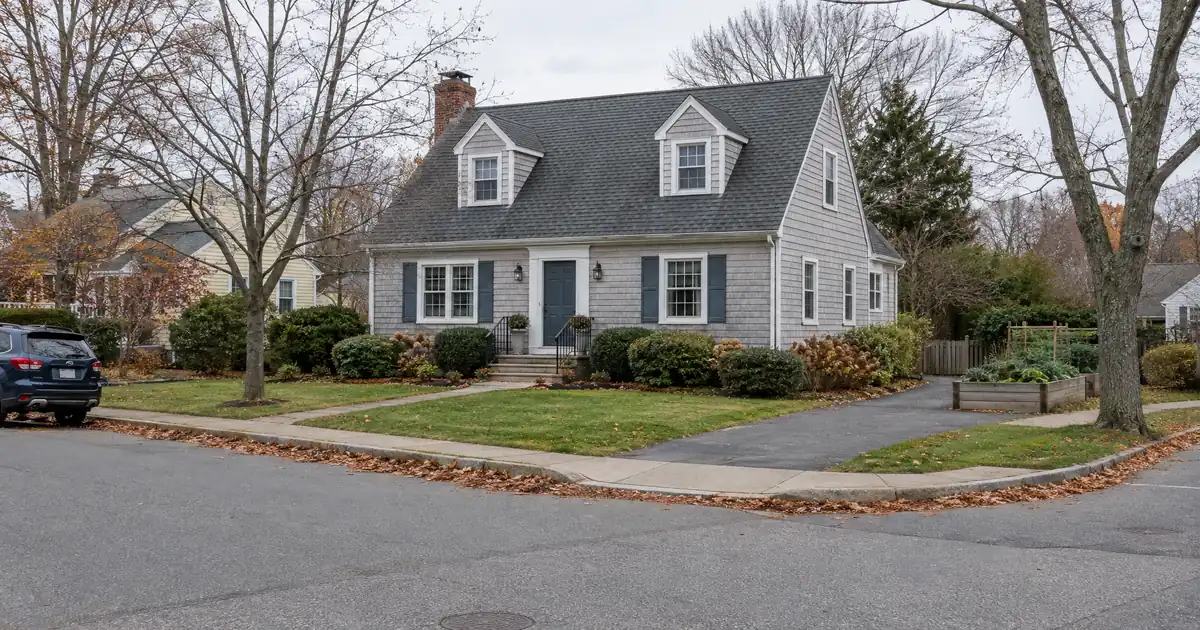
You added a spouse to a rental deed, or took one off, and now you want to pull equity. The deed you just recorded decides almost everything that happens next.
The Quick Read: A spousal quitclaim changes who is on recorded title, and a HELOC lender decides eligibility from that recorded title, so the line can only go to people who currently own the property, the existing mortgage stays exactly as it was, and everyone on title will usually sign the new lien.
- The deed must be recorded in the county land records before a lender treats it as real. A signed but unrecorded deed does not count, and neither does a divorce decree on its own.
- A quitclaim moves ownership only. It does not move the old mortgage, and it does not release the person who signed the note.
- On the network Lendmire brokers through, an investment-property line tops out at 70% combined loan-to-value (CLTV), with a 700 minimum credit score.
- Any waiting period after a recent deed is the new lender’s own policy, not a law. Get that answer in writing before you record.
- Title held by an LLC does not work for a HELOC. A DSCR cash-out refinance is the usual alternative, subject to program terms.
How large a line the equity supports.
An equity line is sized by combined loan-to-value, occupancy, and credit — not by rental coverage. Switch the occupancy or the credit band and the ceiling moves with it.
Investment-property lines require a 700 minimum credit score; second-home lines start at a 640 minimum and primary-residence lines at 600, and the combined-LTV ceiling steps down as the credit band drops on primary-residence and second-home lines and holds on investment-property lines; the line cap steps down on primary-residence lines and holds at every tier on investment-property and second-home lines.
A debt-to-income ratio above 45% requires 680+ credit. Profiles under 640 are limited to single-family homes. At least 75% of the approved line is drawn at closing. Ceilings, floors, and caps update from Lendmire’s centralized guideline source.
Line estimate
Illustrative estimate only — not a quote, Loan Estimate, approval, or commitment to lend. The rate is an editable assumption; equity-line pricing is variable through both the draw and repayment periods and never converts to fixed. Occupancy and credit drive the ceiling together: an investment property tops out at 70% combined LTV (minimum credit 700, line cap $500,000); a second home tops out at 90% combined LTV (minimum credit 640, line cap $500,000), with the ceiling stepping down as the credit band drops (the cap holds at every tier); a primary residence tops out at 90% combined LTV (minimum credit 600), and its $750,000 maximum line is available only at 75% combined LTV or below with a 700-or-better credit profile (720 on the longer-runway program) and a full appraisal. Lines above $500,000 require a full appraisal. Credit, debt-to-income, property type, and full underwriting review all affect the final line.
Key Terms Defined
Quitclaim deed: A deed that hands over whatever ownership interest the signer has, with no promise that the title is clean.
Recorded deed: A deed filed with the county, which puts the ownership change on the public record.
Vesting: The exact way title is held, such as one person, two spouses, or a living trust. The vesting on your application must match the vesting of record.
Lien versus note: The note is the promise to repay, and the lien is the claim on the property if you don’t. Different people can be on each one.
Seasoning: The waiting period a lender wants after an event, here a recent deed transfer, before it will lend.
CLTV: Combined loan-to-value, which adds every loan on the property together and divides by the property’s value.
What a Spousal Quitclaim Changes, and What It Leaves Alone
The deed changes who owns the property. It does nothing to the debt. A law-firm explainer from Collins Legal puts it plainly: the deed changes who owns the property and does nothing to the loan.
That gap causes most of the confusion. A spouse removed from title is still liable on the original note until the first lender releases them. That takes a refinance, an assumption, or a formal release.
| Item | Does the quitclaim change it? |
|---|---|
| Who is on recorded title | Yes |
| The first-mortgage note | No |
| Liability of the person who left title | No |
| Owner’s title insurance | Disputed (see below) |
| Who must sign a new lien | Yes, follows title |
Underwriters count the existing debt for everyone on the note. Combined leverage is measured across all liens, so the first mortgage stays in the math.
How a HELOC Lender Treats the New Title, Step by Step
The process runs in a set order, and skipping a step is where files stall. Across the wholesale network, the sequence looks like this.
1. The deed is recorded. Until it is recorded in the county land records, recorded title has not changed. A divorce decree alone does not change it either.
2. The title company reads the chain of title. Spouse additions, partial-interest deeds, and entity deeds all show up here.
3. Vesting is matched. The names on the application must match the names of record. A mismatch stops the file until the deed or the application is fixed.
4. The lender applies its own seasoning policy. Some lenders want the deed to be in place for a while. Others do not. This is lender policy, so ask for it in writing.
5. Borrowers and signers are sorted. The borrowers on the note qualify on credit, income, and equity. Everyone on recorded title usually signs the lien.
6. Combined leverage is tested. The new line plus the existing mortgage must fit under the CLTV cap for your occupancy type and credit tier.
One wrinkle surprises people. A HELOC lender reads the whole chain of title, not just the last deed. A strange transfer two deeds back can matter as much as the spousal quitclaim.
Who Signs What
Federal credit rules draw a line between the note and the lien. Under CFPB Regulation B, a lender generally cannot require a non-applicant spouse to sign the note when the applicant qualifies alone. The same rule lets a lender require signatures needed to make the pledged property reachable if you default.
The official interpretation in Cornell’s Regulation B supplement adds that this kind of signature is generally needed only on the security agreement. A spouse you just added to title is a co-owner, so the lender can ask that spouse to sign the lien without being a borrower. Regulation B covers business-purpose credit as well as consumer credit, though some of its procedural requirements differ for business loans. How these rules apply to a particular investor loan is a question for a compliance attorney.
| Scenario | On title | Signs the lien | On the note |
|---|---|---|---|
| Spouse added to title | Both | Both | Applicant only, if they qualify alone |
| Community-property state | Varies | Spouse may sign even if off title | Applicant only |
In community-property and homestead states, a spouse may need to sign even when not on title. That comes from the state-law carve-out in the same rule, which a NAFCU compliance article explains for lenders. The signer list is lender- and state-specific, so the title company should confirm it before application.
Where the General Rule Breaks
Title insurance. This is the most contested point. A California appellate decision, summarized by First Tuesday Journal, held that an owner’s policy ended when title was quitclaimed into the owner’s own living trust. That ruling is specific to California and to that policy. Practitioners in a BiggerPockets forum thread disagree and say the answer turns on how the policy defines an insured party. Ask the title officer before you record, because losing owner’s coverage can matter more than the HELOC.
The existing mortgage lender. Federal law, the Garn-St Germain Act, generally stops the first-lien lender from calling the loan when a spouse becomes an owner or when a spouse receives the property under a divorce decree. The same law covers a transfer into your own living trust when you remain a beneficiary and occupant. That protection only restrains the old lender. A new HELOC lender is not bound by it, which is why seasoning policy is a separate question. Collins Legal covers these categories in the explainer linked above.
Divorce. The protection depends on the spouse becoming an owner through the decree or agreement. A spouse who deeded out generally cannot open a line on that property, because the applicant must hold title.
Entity and trust transfers. A deed into an LLC is not the spousal case. On the HELOC side, title must sit with the individual borrower or an inter vivos revocable living trust. LLCs, corporations, partnerships, and irrevocable, blind, or land trusts cannot hold title. If the property is already in an LLC, the choices are a vesting change or a DSCR cash-out refinance, which qualifies primarily on property-level rental income covering the payment, subject to lender guidelines. Lendmire’s complete DSCR loans guide covers that route. A transfer into an irrevocable trust where you are not a beneficiary can also leave the old lender free to enforce its due-on-sale clause.
Property type. Eligibility can depend on how a property is used and titled, so treat any rental use as unconfirmed and have an attorney check it before you rely on it.
What the Network Allows Once Title Is Clean
Occupancy changes the numbers, so the ceiling depends on whether this is your home, a second home, or a rental. These are typical ranges from select wholesale lenders, subject to lender guidelines and full file review.
- Investment property: up to 70% CLTV, lines up to $500,000, minimum credit score of 700. Investment lines run a 5-year interest-only draw followed by a 25-year repayment period.
- Primary residence: the ceiling reaches 90% CLTV only at a 720 score or better, on lines up to $500,000. At lower credit tiers the cap steps down, and larger lines up to $750,000 cap at 75% CLTV.
- Second home: the ceiling reaches 90% CLTV only at a 720 score or better, with lines up to $500,000.
- Structure: lines sit in first or second lien position. Primary and second-home borrowers can choose a 3-year draw with a 17-year repayment or the 5-year draw with a 25-year repayment. At least 75% of the line is drawn at closing.
- Valuation: lines at or below $500,000 ordinarily use an automated valuation. A full appraisal is required above $500,000.
- Vesting: individual borrower or revocable living trust, as noted above. Leverage, reserves, and pricing vary by lender and program; the final terms follow the full file review.
Availability is limited to Lendmire’s 16 full-service states, which is narrower than its DSCR footprint of 41 markets, including Washington, D.C. A borrower is also limited to three lines, and anyone with more than 15 financed properties is not eligible.
A Worked Example
Say you own a duplex in your own name and add your spouse by quitclaim for estate-planning reasons. You record the deed, then apply for a HELOC the following week.
The title company finds the new vesting. The lender asks for its seasoning policy, and you learn the deed is too fresh for that lender. Your spouse is now a co-owner, so they will sign the lien even though they are not on the note.
The first mortgage is unchanged, so its balance counts toward combined leverage. If you had asked before recording, you could have chosen a lender whose policy fit, or applied first and recorded afterward. Same property, same equity, very different path.
Mistakes to Avoid
- Assuming a quitclaim takes a spouse off the mortgage. It does not.
- Treating a divorce decree as proof of title. Only a recorded deed changes title.
- Recording first and asking the lender about seasoning second.
- Skipping the title officer’s answer on owner’s coverage.
- Leaving a spouse on title for protection, then being surprised when they have to sign the lien.
- Applying under a name or vesting that does not match the record.
Questions to Ask in Writing Before You Record
- Does your lender season a recent spousal deed, and for how long?
- Which people on title will need to sign the lien?
- Does the owner’s title policy survive this deed, and is the new owner insured?
- Is a spousal transfer treated differently from a transfer to a trust, an LLC, or a child?
- Are there transfer-tax or recording-fee exemptions for spousal deeds in your county? Many places have them, but the rules vary.
Lendmire also covers the adjacent paths: bank statement HELOC rules right after a spousal quitclaim.
If you are considering a home equity line and want to see how the numbers work, Lendmire can help you compare HELOC options based on the property, the equity available, credit profile, combined leverage, and your goals. Lendmire is a broker and arranges financing through select lenders in its wholesale network, so nothing here is a commitment to lend.
This article is general information, not legal or tax advice. Title, deed, and spousal-signature rules vary by state, so consult a qualified attorney or CPA about your own situation.
Frequently Asked Questions
Can I apply for a HELOC right after the quitclaim is recorded?
It depends on the lender’s seasoning policy, which is the lender’s own rule and not a law. Some lenders want the deed in place for a period first. Others will proceed once title is clean. Ask in writing before you record.
Does a quitclaim remove my spouse from the mortgage?
No. The deed moves ownership only, and the person who signed the note stays liable until the first lender releases them. A refinance, an assumption, or a formal release does that.
Can a spouse on title stay off the loan?
Often yes. If you qualify alone, the lender generally cannot require your spouse as a co-borrower on the note. The lender can still require your spouse, as a co-owner, to sign the lien so the property can secure the line.
Can I borrow against a property I deeded out of my name?
Generally no. The applicant must hold title on the property being pledged. If you gave up title in a divorce, a line on that property is not available to you.
Is a signed deed enough, or does it have to be recorded?
It has to be recorded. A lender reads recorded title, so a signed but unrecorded deed does not change who can borrow.
My property is held in an LLC. Can I still get a HELOC?
No. HELOC title must be held by the individual borrower or a revocable living trust. A vesting change or a DSCR cash-out refinance, subject to program terms, are the usual alternatives.
About Lendmire
Lendmire (NMLS# 2371349) is a mortgage brokerage serving homeowners and real estate investors in its 16 full-service states. Home equity lines of credit are arranged through wholesale lending channels; Lendmire brokers the line and the lender underwrites each application under its occupancy-based guidelines. Scotsman Guide named Lendmire a Top Mortgage Workplace in both 2025 and 2026.
Get Started
Ready to find the right loan for you?
See your offer in seconds. No credit pull, no obligation.
Informational only. Not a Loan Estimate, approval, or commitment to lend. Program availability and eligibility are subject to lender guidelines, credit approval, property review, and underwriting.
References
1. Collins Legal, quitclaim deed and mortgage
3. Cornell LII, Regulation B Supplement I
4. NAFCU Compliance Blog, Regulation B and extending credit to spouses
5. First Tuesday Journal, title insurance and quitclaim to a trust
6. BiggerPockets forum thread on quitclaim deeds and owner’s title insurance
This article is part of Lendmire’s HELOC & home equity loan program — full qualification details, guidelines, and scenarios live on the program page.
Related reading: Best HELOC Program on an Owner-Occupied Duplex With One Unit Vacant · Best HELOC Program on a Fourplex When You Live in One Unit · Best HELOC Program for a Vacation Home Down Payment
Brandon Miller
Founder & CEO, Mortgage Loan Originator, Lendmire LLC
- Mortgage Loan Originator · NMLS# 1129696 · Verify on NMLS Consumer Access
- North Carolina Real Estate Broker · License# 343312 · Verify on NCREC
- North Carolina Insurance Producer · License# 19053198 · Property, Casualty, Life, Health · Verify on NAIC SBS
- Lendmire LLC · Firm NMLS# 2371349 · Verify firm licensure
Disclosure information. Lendmire is a state-licensed mortgage brokerage under NMLS# 2371349. Lendmire is not a depository institution, direct lender, or financial advisor — all loans referenced are placed through wholesale lender partners and are subject to each lender's underwriting standards. This article is provided for general informational purposes and is not a commitment to lend, nor does it constitute financial, legal, or tax advice. Loan programs, terms, rates, and qualification standards change without notice and depend on borrower profile, property type, and the state in which the subject property is located. Equal Housing Opportunity provider. NMLS Consumer Access: nmlsconsumeraccess.org.