
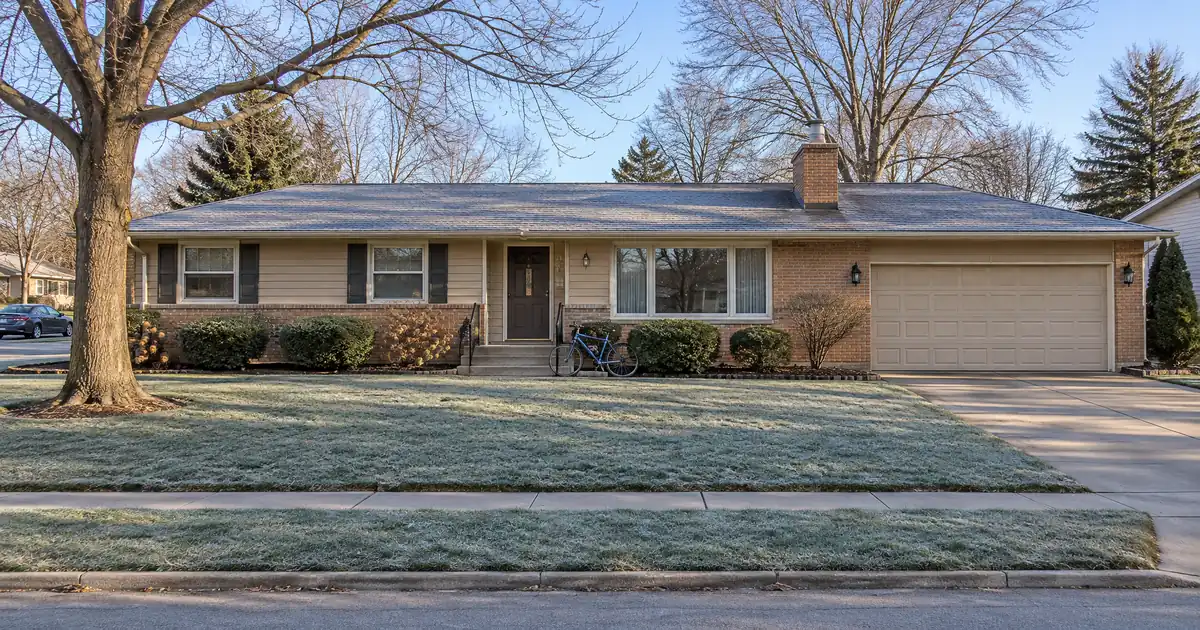
The Quick Read: It depends on the program, because a rent-qualified DSCR HELOC can allow the LLC on title while a personal-income investment HELOC will not. Even then, a deed recorded days before you apply is the item most likely to raise questions. The recorded deed date, the program’s seasoning treatment, and whether a mortgage sat on the property at transfer decide how the file reads.
- A rent-qualified DSCR HELOC can be written with the LLC on title, subject to underwriting.
- A personal-income investment HELOC typically requires an individual or revocable trust on title.
- Seasoning runs from recorded dates, and a fresh deed can complicate the count.
- A deed into the LLC may trigger the old lender’s due-on-sale clause.
- Ask the lender in writing before you record anything.
What “DSCR HELOC” Actually Means
“DSCR HELOC” is a market label, not one standardized product. Some lines under that name qualify on the rent and allow an LLC. Others are personal-income lines that do not.
A DSCR HELOC, in the version Lendmire places through select wholesale lenders, is a revolving line of credit on a rental you keep. It is a standalone second lien behind the first mortgage you keep, or a standalone first lien on a rental with no mortgage. The rental’s income qualifies the line. The lender does not calculate your personal income, and the LLC can stay on title. Lendmire is the broker here, not the lender, and every file is underwritten individually.
Different structures, different answers. Keep them separate:
| Feature | DSCR HELOC | Personal-income investment HELOC |
|---|---|---|
| What qualifies you | Rent vs. stress payment | Credit, DTI, CLTV |
| LLC on title | Allowed, subject to program terms | Typically not allowed |
| Guaranty | Members sign as guarantors | Individual borrower |
| Typical fix if LLC is on title | None needed | Re-vest or use a DSCR cash-out |
Does an LLC Deed Restart the Seasoning Clock?
It can. Seasoning is the waiting period a lender wants between a purchase or refinance and the next loan on the property. Whether a deed into your own LLC restarts that clock depends on the lender and the program.
On this program, a rental bought or refinanced inside the last 6 months is not eligible (that clock runs from the last note date to the new note date), and the owner must have held title for 6 months (settlement date to note date), subject to underwriting.
What nobody can give you is a published, universal number for a deed into your own LLC. Treat the effect as lender-dependent. Before you deed, ask in writing whether the recorded date of the new deed changes how the lender counts either clock. For background, Lendmire’s piece on DSCR refinance seasoning rules is a useful read, but rely on the lender’s written answer, not a general rule.
The Due-On-Sale Problem Nobody Mentions
If a mortgage is on the property, the deed itself can cause trouble. A due-on-sale clause lets a lender demand full repayment when title transfers. Federal law protects a list of transfers, and a transfer to an LLC is not on it. The eCFR text of 12 CFR 191.5 lays out those protected transfers, and Cornell’s Legal Information Institute mirrors the same rule and notes the lender keeps its rights outside the exceptions.
FedLaws explains that the exceptions cover only residential property with fewer than five units, and that deeding a personally owned rental into an LLC technically triggers the clause. Some attorneys note that many lenders do not enforce it on a transfer into a borrower’s own single-member LLC. That is practice, not protection. Get written consent first.
The same logic reaches an existing HELOC in your name. After you deed, the bank could call or freeze it.
Which Programs Accept the LLC, and Which Do Not
A rent-qualified DSCR HELOC accepts vesting in your LLC on investment property only. The members sign as guarantors. A title holder who is not a borrower signs a non-borrowing owner acknowledgment and the security instrument. The borrowers on the line need not match the borrowers on the first mortgage.
An LLC does not make the loan non-recourse. A personal guaranty is still part of the file.
A personal-income investment HELOC is a different animal. The restriction is lender design, not federal law. A revocable trust has a federal due-on-sale exemption. An LLC has neither that nor the same acceptance.
What the Lender Checks on a Recently Retitled Rental
Four things decide the file:
1. Program entity policy. Does this lender write the line with the LLC on title?
2. Recorded deed date. Seasoning runs from recording, so pull the date.
3. Mortgage at transfer. Was a first mortgage outstanding when the deed went in?
4. Name consistency. Title, insurance, lease, and the application entity must match.
The LLC does not become the borrower on the old first mortgage. The paperwork has to reconcile the borrower and title entities, and any mismatch must be corrected before the deal can move forward.
Expect the entity documents: operating agreement, certificate of good standing, and insurance naming the LLC. Add the lease, the credit report, and the valuation. Qualification runs on the rental’s income, with no tax returns, W-2s, or personal income calculation, subject to lender guidelines.
How the Coverage Test Works
The lender tests the rent against a stress payment, not your income. The minimum is 1.10x, which means gross monthly rent divided by a fully amortizing payment on the entire credit limit at a stressed start rate. Taxes and insurance are not part of that qualifying payment.
Rent is the lesser of the appraisal’s market rent and the lease, unless three months of receipts support a lease above market. A lease must be in place, and a two-to-four-unit property may have at most 1 vacant unit. On a second lien, confirm on the file how the lender treats the first-mortgage payment, because its coverage calculation governs.
Leverage, Line Size, and Draw Rules
Typical ranges through select programs, subject to underwriting:
| Position | Score | Leverage | Line size |
|---|---|---|---|
| Second lien | 720+ | 70% CLTV | $50,000 to $500,000 |
| First lien (no mortgage) | 740+ | 75% LTV | Up to $500,000 |
| First lien (no mortgage) | 700 to 739 | 70% LTV | Up to $500,000 |
| First lien, larger line | 720+ | 65% LTV | Above $500,000 to $1,000,000 |
CLTV is the first mortgage balance plus the new line, divided by value. A borrower who keeps a first mortgage can only take a second lien. A first lien exists only on a rental with no mortgage.
At least 80% of the line is drawn at closing, and the closing draw is never less than $50,000. Later draws are at least $5,000. The draw period is 5 years interest-only on the drawn balance, then a 25-year repayment period, with a 30-year maturity. The rate is variable.
Valuation on lines to $400,000 is an automated valuation with a property inspection report, or a full interior appraisal. Larger lines take a full interior appraisal. Appraisal waivers are not accepted. No reserves or cash to close are required, and exposure tops out at 5 loans or $2,500,000 per borrower with the program.
Outside the lane: rural property, condotels, row homes, and leaseholds, among others. An LLC changes the name on the deed, not the property type.
Three Ways This Plays Out
Picture an investor who bought a duplex in a personal name, kept the first mortgage, and deeded it to an LLC two months before applying. A rent-qualified second lien is the only structure that fits, and the lender’s view on the fresh deed decides the seasoning count. The owner needs that answer in writing.
Say another investor owns a rental free and clear and deeded it to the LLC last month. A first lien is possible in principle, but the recorded deed date is the item to clear before anything else.
Consider a third who wants a personal-income line and holds the rental in an LLC. That lender will likely ask to re-vest title in a personal name. Two transfers can touch due-on-sale, title insurance, and seasoning, so a temporary retitle and back is risky. Skip it. A DSCR cash-out refinance can pay off the old loan and vest title in the LLC at one closing, which avoids the early deed.
Before You Record the Deed: A Checklist
- Confirm the program accepts an LLC on title.
- Ask in writing whether a deed into your own LLC changes seasoning.
- Ask your insurer and title company how the transfer affects coverage.
- Check local transfer taxes and recording rules, which vary.
- Line up the operating agreement, good standing, and LLC-named insurance.
- Keep a short title-history cover letter explaining the deed.
Common Mistakes
- Deeding to the LLC first because that is a conventional-loan habit; it is not a DSCR requirement.
- Assuming a single-member LLC is a protected transfer, when it is not on the federal list.
- Assuming any HELOC fits an LLC rental.
- Letting names drift between title, lease, and insurance.
- Deeding in right before the application.
The cleanest order is title already in the LLC for a full seasoning period, or vesting in the LLC at the refinance closing. For more on how the pieces fit, read the complete DSCR loans guide.
This page is general information, not legal or tax advice. Consult a qualified attorney or CPA about your own situation, since tax treatment varies.
If you are considering a home equity line on a rental property and want to see how the numbers work, Lendmire can help you compare DSCR HELOC options based on the property, the rent, the equity available, credit profile, combined leverage, and your goals. The program is offered in 15 of Lendmire’s 16 licensed states, every licensed state except Tennessee, subject to underwriting.
Frequently Asked Questions
Does a deed into my LLC restart the seasoning clock?
It can, depending on the lender and program. Seasoning is measured from recorded dates, and no universal figure covers a deed into your own LLC. Get the lender’s treatment in writing before you record.
What does seasoning look like on this program?
A rental bought or refinanced inside the last 6 months is not eligible (that clock runs from the last note date to the new note date), and the owner must have held title for 6 months (settlement date to note date). Both are subject to underwriting, and neither has a published carve-out for a deed into your own LLC.
Can I keep my first mortgage and still get the line?
Yes, as a standalone second lien behind it, up to 70% CLTV at a 720 score or better, on lines of $50,000 to $500,000. The first-mortgage lender’s due-on-sale rights still matter if title moved.
Will I still sign personally?
Yes. The members sign as guarantors. A title holder who is not a borrower signs a non-borrowing owner acknowledgment.
What if the lender says no?
Options include waiting out the clock, a DSCR cash-out refinance that vests title in the LLC at closing, or a different program. The right fit depends on the property, equity, credit, and leverage.
About Lendmire
Lendmire is a mortgage brokerage (NMLS# 2371349) arranging DSCR home equity lines of credit — standalone first or second liens on non-owner-occupied one-to-four-unit rentals, qualified on rent — through a wholesale lending network in 15 of its 16 licensed states (every licensed state except Tennessee). Eligibility is determined by the lender on each file. Scotsman Guide named Lendmire a Top Mortgage Workplace in both 2025 and 2026.
Get Started
Ready to find the right loan for you?
See your offer in seconds. No credit pull, no obligation.
Informational only. Not a Loan Estimate, approval, or commitment to lend. Program availability and eligibility are subject to lender guidelines, credit approval, property review, and underwriting.
References
2. Cornell Legal Information Institute, 12 CFR 191.5
3. FedLaws, Garn-St. Germain due-on-sale triggers and exceptions
This article is part of Lendmire’s DSCR HELOC program — full qualification details, guidelines, and scenarios live on the program page.
Related reading: How Much Can You Borrow on a DSCR HELOC for Landlords Choosing a Lender? · DSCR HELOC Requirements for Out-of-State Rental Owners · DSCR HELOC Requirements for a Paid-Off Rental
Brandon Miller
Founder & CEO, Mortgage Loan Originator, Lendmire LLC
- Mortgage Loan Originator · NMLS# 1129696 · Verify on NMLS Consumer Access
- North Carolina Real Estate Broker · License# 343312 · Verify on NCREC
- North Carolina Insurance Producer · License# 19053198 · Property, Casualty, Life, Health · Verify on NAIC SBS
- Lendmire LLC · Firm NMLS# 2371349 · Verify firm licensure
Important disclosures. Lendmire (NMLS# 2371349) is a licensed mortgage brokerage. Lendmire is not a direct lender, depository institution, or financial advisor. All loan inquiries are subject to lender underwriting; this article does not constitute a commitment to lend. Rates, terms, and program guidelines are subject to change without notice and vary by borrower profile, property type, and state. Information in this article is general in nature and is not financial, legal, or tax advice. Equal Housing Opportunity. NMLS Consumer Access: nmlsconsumeraccess.org.