
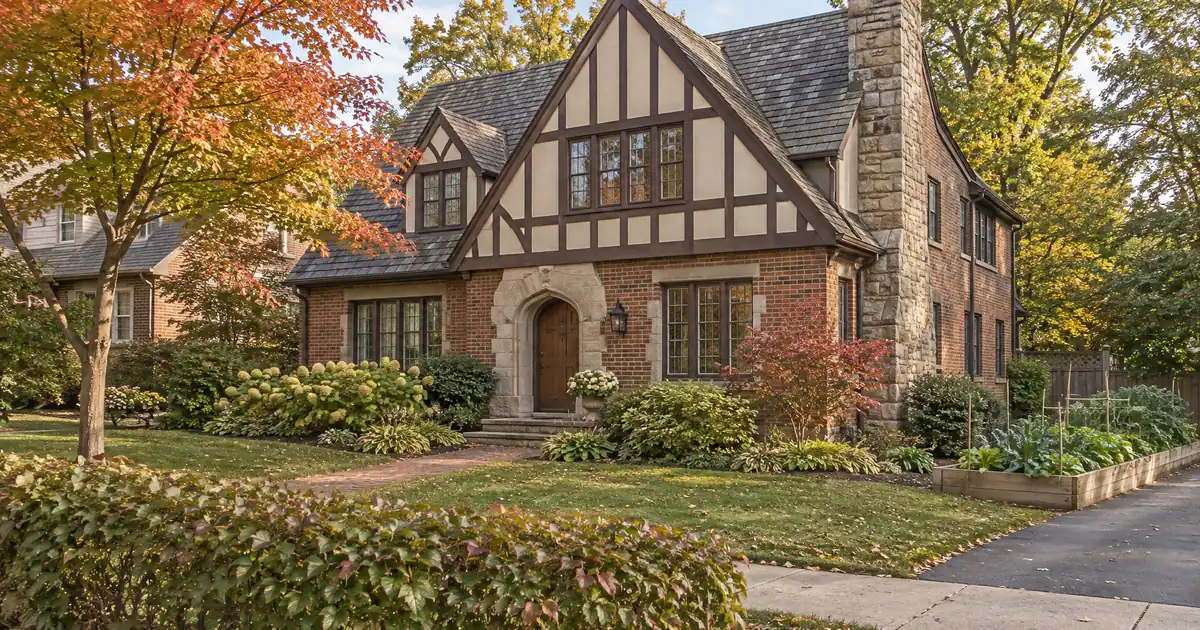
The Quick Read: A home with unpermitted work or open repairs can still carry a home equity line, because no rule bans it, but the lender’s valuation decides how much equity counts, and safety, legality, and documentation decide whether the property is accepted as collateral at all. Outcomes range from no comment to a smaller line to a decline.
- Value is the lever: space the appraiser excludes shrinks your available equity.
- Cosmetic wear is the least likely to matter, while structural, electrical, and illegal-unit issues are the ones to worry about.
- On this network, an investment-property line caps at 70% combined loan-to-value (CLTV) and needs a 700 credit score.
- Lines at or below $500,000 ordinarily use automated valuation, so the work may go unseen, but disclosing it remains your responsibility.
- If the work can’t be cured, a DSCR cash-out refinance may fit better. The exact numbers vary by lender and program and follow a full review of property, leverage, and credit.
Does Unpermitted Work Actually Block a HELOC?
No, it does not block one by itself. What matters is what was built or changed, whether it is safe, and what paperwork exists. Lenders and appraisers sort files into three buckets: ignore it, discount it, or reject the property.
How large a line the equity supports.
An equity line is sized by combined loan-to-value, occupancy, and credit — not by rental coverage. Switch the occupancy or the credit band and the ceiling moves with it.
Investment-property lines require a 700 minimum credit score; second-home lines start at a 640 minimum and primary-residence lines at 600, and the combined-LTV ceiling steps down as the credit band drops on primary-residence and second-home lines and holds on investment-property lines; the line cap steps down on primary-residence lines and holds at every tier on investment-property and second-home lines.
A debt-to-income ratio above 45% requires 680+ credit. Profiles under 640 are limited to single-family homes. At least 75% of the approved line is drawn at closing. Ceilings, floors, and caps update from Lendmire’s centralized guideline source.
Line estimate
Illustrative estimate only — not a quote, Loan Estimate, approval, or commitment to lend. The rate is an editable assumption; equity-line pricing is variable through both the draw and repayment periods and never converts to fixed. Occupancy and credit drive the ceiling together: an investment property tops out at 70% combined LTV (minimum credit 700, line cap $500,000); a second home tops out at 90% combined LTV (minimum credit 640, line cap $500,000), with the ceiling stepping down as the credit band drops (the cap holds at every tier); a primary residence tops out at 90% combined LTV (minimum credit 600), and its $750,000 maximum line is available only at 75% combined LTV or below with a 700-or-better credit profile (720 on the longer-runway program) and a full appraisal. Lines above $500,000 require a full appraisal. Credit, debt-to-income, property type, and full underwriting review all affect the final line.
A home equity line is a revolving loan secured by the house. Your equity is the home’s value minus what you owe on the first mortgage. So the value the lender accepts drives everything else. A finished basement with no permit can be counted at full value, discounted, or left out of the number entirely.
Many banks limit equity lines to primary residences, and some want the home titled in your personal name. A BiggerPockets thread on investment property HELOCs describes exactly that pattern, though it is anecdotal. Rental investors should expect a thin market before they ever reach the permit question.
What Does the Equity Line Network Require?
Across the wholesale network Lendmire works with, requirements depend heavily on how the home is occupied. Investment-property lines are the tightest. These are typical ranges, subject to lender guidelines and full file review.
| Occupancy | Minimum credit | Top CLTV | Max line |
|---|---|---|---|
| Primary residence | 600 | 90% (720+ only) | $500,000 at 90% CLTV; $750,000 at 75% CLTV, 700+ (720 on the longer-runway program, the five-year draw with 25-year repayment) |
| Second home | 640 | 90% (720+ only) | $500,000 |
| Investment property | 700 | 70% | $500,000 |
On primary residences and second homes, lower credit tiers carry lower ceilings. An investment-property line is different: the ceiling stays at 70% CLTV at every eligible credit tier, and the 700 minimum is the gate. Other core terms apply across the network:
- Debt-to-income: 50% maximum, or 45% for credit from 600 to 679. The borrower is qualified on the interest-only payment at the maximum draw.
- Structure: a standalone line in first or second lien position. Primary residences and second homes have two draw structures: a three-year interest-only draw with 17-year repayment, or a five-year draw with 25-year repayment. Investment lines run the five-year draw with 25-year repayment only.
- Initial draw: at least 75% of the line is drawn at closing.
- Title: the individual borrower or a revocable living trust. LLCs, corporations, and partnerships cannot hold title.
- Not eligible: manufactured homes, co-ops, condotels, log homes, and commercial or mixed-use zoning.
- Availability: these lines are offered only in Lendmire’s 16 full-service states.
Lendmire is a broker. It places files with select wholesale partners, and the lender makes every approval decision.
How Underwriting Treats the Work, Step by Step
The valuation method comes first, and it sets what the lender can even see. Everything after that follows from the report.
1. The lender picks a valuation. On this network, lines at or below $500,000 ordinarily run an automated valuation with no traditional appraisal. A higher CLTV may trigger a secondary valuation. Every line above $500,000 needs a full appraisal, and you can request one on any line.
2. If an appraiser visits, they report what exists. Appraisers are not permit auditors, and an Appraisers Forum discussion puts the duty this way: disclose what you know, appraise what is there. They often notice red flags, such as square footage that doesn’t match county records, an odd layout, or poor construction quality.
3. The report treats the work in one of a few ways. The space may be excluded from living area, discounted, adjusted for the cost to cure, or flagged for lender review. In the worst case the lender rejects the property as collateral.
4. The lender decides. It can accept the property as-is, condition the line, or decline. The lender’s instructions often control how the appraiser reports the work. If the lender says to give no value to unpermitted space, the appraiser follows that.
5. Value sets the line. Available line equals value times the CLTV ceiling, minus the first-mortgage balance.
Step five is where the pain shows up. On an investment property at the 70% ceiling, every dollar of value the appraiser excludes removes 70 cents of available line. Your mortgage balance doesn’t shrink to match.
When the Report Says “Subject To” Repairs
A “subject to” appraisal means the value assumes the repairs get finished. Proof of completion is usually the next step, often in the form of a completion report from the same appraiser (the appraisal update and completion form, Form 1004D).
- The lender may require permit resolution or a final inspection.
- A specialist may need to evaluate or fix a safety issue.
- The lender may hold back part of the line or reduce the amount.
- A retroactive permit may be required, where the jurisdiction allows one.
Cosmetic wear draws a comment at most. Roof, structural, electrical, and plumbing problems, illegal living areas, and changes in unit count push decline odds up. Insurability matters too, since insurers can balk at unpermitted additions.
Where the General Rule Breaks
Automated valuation lines. An automated model can’t see unpermitted interior work. That doesn’t make the work harmless. You still sign representations about the property, and title and insurance issues don’t disappear. The same blind spot cuts the other way: a model can miss real, permitted renovations and undervalue them. A full appraisal is the usual fix, and you can ask for one.
Fresh rehab with thin comps. Appraisers may not credit new work when no closed sales support it. A reconsideration of value request, sent through the lender with comparable sales, is the normal path.
Grandfathered work. Some jurisdictions treat old unpermitted work as grandfathered. A “subject to permits” condition can then be impossible to satisfy, as an Appraisers Forum thread on unpermitted additions explains. This varies by locality.
Repair-only draws. Because at least 75% of the line is drawn at closing, a small repair plan doesn’t fit. You pay on money you don’t need.
Vesting. If the home sits in an LLC, a bank-style line is usually off the table. The property would need a vesting change, or you would use a DSCR cash-out instead.
Listed for sale. A property listed for sale, or listed within the past 60 days, is ineligible in several states, including Indiana, North Carolina, Pennsylvania, Tennessee, Texas, and Washington.
Ineligible structures. Manufactured homes and log homes are not offered on these lines.
The Federal Appraisal Threshold Is Not Your Right
Many borrowers hear that appraisals aren’t needed on smaller loans. The truth is narrower. A joint federal statement hosted by the OCC sets a $400,000 exemption for residential transactions. Below it, a regulated bank may use a lighter evaluation instead of a full appraisal.
That federal figure is a floor for regulated banks, not an entitlement, and it is separate from the network’s own $500,000 line size at which automated valuation ordinarily applies. Lenders can require more. An evaluation is still a value check. Software replaces the appraiser, not the scrutiny.
Fix It First: The Order That Works
1. Identify what was done. List additions, conversions, and electrical, plumbing, or structural work.
2. Pull county permit records. Compare them against what is actually in the house.
3. Get permits closed or retroactively issued. Do this before the valuation, not after.
4. Repair safety items. Structural, electrical, and egress issues come first.
5. Gather documents. Contractor invoices, photos, final inspection sign-offs, and a licensed contractor’s scope and cost estimate all help.
6. Disclose early. Telling the lender is better than letting an appraiser discover it.
7. Apply with an accurate picture. If you expect a higher CLTV tier, ask about a full appraisal.
Rental investors with several properties have a sequencing choice. A line on a different property can fund repairs on the troubled one. A line can’t be opened on a property you don’t yet own.
When a HELOC Is the Wrong Tool
A HELOC underwrites the borrower: personal credit, debt-to-income, and the home’s value. A DSCR cash-out refinance qualifies primarily on property-level rental income covering the payment, subject to lender guidelines. Our complete DSCR loans guide covers the full mechanics.
For rentals, the comparison looks like this:
| Factor | Equity line | DSCR cash-out |
|---|---|---|
| Underwritten on | Borrower credit and DTI | Property rent coverage |
| Title | Individual or revocable trust | LLC possible, subject to program terms |
| Valuation | Often automated at or below $500,000 | Full appraisal with market rent |
| Typical ceiling | 70% CLTV on investment property | Around 75% LTV on standard rentals |
On most DSCR files, about 6 months of seasoning is the common expectation. Coverage of 1.00 is where many select programs start. A separate select-lender path goes below 1.00, with leverage and terms adjusted. Reserves commonly run around 6 months of the full monthly obligation, though they vary.
Two cautions apply. A low appraisal can hurt both value and the market rent figure, so the unpermitted-work problem doesn’t vanish. And clearing 1.00 is not positive cash flow. The ratio compares rent to the housing payment only, and repairs, vacancy, management, and utilities sit outside it.
If the property has an illegal unit or a structural defect, the realistic comparison is a DSCR cash-out with a full appraisal, a short-term rehab loan, or legalizing the work first.
Key Terms Defined
HELOC: a revolving line of credit secured by your home, which the CFPB describes as letting you borrow repeatedly against equity.
CLTV: combined loan-to-value, meaning all liens on the home divided by its value.
Evaluation: a lighter value check than a full appraisal, often built from automated data.
Cost to cure: the estimated expense to fix a defect, which can be subtracted from value.
Subject to repairs: an appraisal that assumes listed repairs get finished.
DSCR: debt service coverage ratio, meaning rent divided by the full monthly housing payment.
Frequently Asked Questions
Will an appraiser report unpermitted work?
If the appraiser knows about it, the report discloses it. Appraisers are not required to search permit records, but they flag clues like square footage that doesn’t match county data. How the work is valued often depends on the lender’s instructions.
Can I get a HELOC without any appraisal?
Possibly. On this network, lines at or below $500,000 ordinarily use automated valuation, though a higher CLTV may require a secondary valuation. You can request a full appraisal anyway, and every line above $500,000 requires one. Skipping the appraisal doesn’t remove your duty to disclose known issues.
Can I use a HELOC to fix the problem?
Yes, if the line is on a property that qualifies. Because at least 75% of the line is drawn at closing, the plan works best when the project is large enough to use most of it.
Does LLC ownership change anything?
Yes. LLCs, corporations, and partnerships can’t hold title on these lines. A home already deeded to an LLC needs a vesting change, or a DSCR cash-out refinance may be the better route, subject to program eligibility.
What credit score do I need?
It depends on occupancy. A primary residence line starts at 600, a second home at 640, and an investment property at 700. Higher scores unlock higher CLTV tiers on primary and second-home lines, while the investment-property ceiling stays at 70%. Every file is reviewed individually.
Next Step
If you are considering a home equity line and want to see how the numbers work, Lendmire can help you compare HELOC options based on the property, the equity available, credit profile, combined leverage, and your goals. Reach the team at 828-256-2183 or request a quote.
For current guidelines and terms, see Lendmire’s home equity page.
About Lendmire
Lendmire — NMLS# 2371349 — is a mortgage broker that arranges home equity lines of credit in its 16 full-service states through wholesale lenders, on primary residences, second homes and investment properties. Every line is subject to the lender’s guidelines and full underwriting. Scotsman Guide named Lendmire a Top Mortgage Workplace in both 2025 and 2026.
Get Started
Ready to find the right loan for you?
See your offer in seconds. No credit pull, no obligation.
Informational only. Not a Loan Estimate, approval, or commitment to lend. Program availability and eligibility are subject to lender guidelines, credit approval, property review, and underwriting.
References
1. BiggerPockets – Investment Property HELOC
2. Appraisers Forum – Appraising a house with an unpermitted addition
3. Appraisers Forum – Unpermitted addition
4. OCC – Interagency Statement on Appraisals and Evaluations
5. CFPB: What Is a Home Equity Line of Credit HELOC
This article is part of Lendmire’s HELOC & home equity loan program — full qualification details, guidelines, and scenarios live on the program page.
Related reading: How a DSCR HELOC Works Right After Closing on a Home · Banks That Offer an Investment Property HELOC to Buy Another Home · Best HELOC Program Without Transferring Title
Brandon Miller
Founder & CEO, Mortgage Loan Originator, Lendmire LLC
- Mortgage Loan Originator · NMLS# 1129696 · Verify on NMLS Consumer Access
- North Carolina Real Estate Broker · License# 343312 · Verify on NCREC
- North Carolina Insurance Producer · License# 19053198 · Property, Casualty, Life, Health · Verify on NAIC SBS
- Lendmire LLC · Firm NMLS# 2371349 · Verify firm licensure
Important disclosures. Lendmire (NMLS# 2371349) is a licensed mortgage brokerage. Lendmire is not a direct lender, depository institution, or financial advisor. All loan inquiries are subject to lender underwriting; this article does not constitute a commitment to lend. Rates, terms, and program guidelines are subject to change without notice and vary by borrower profile, property type, and state. Information in this article is general in nature and is not financial, legal, or tax advice. Equal Housing Opportunity. NMLS Consumer Access: nmlsconsumeraccess.org.