
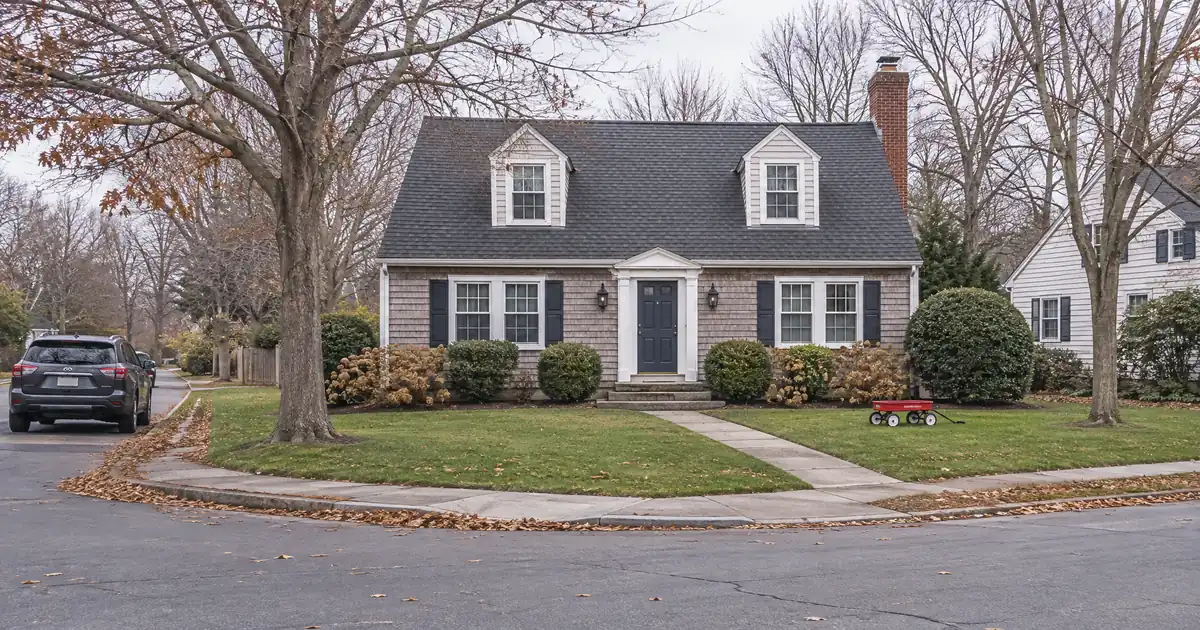
The Quick Read: You get a HELOC on an inherited reverse-mortgage home in three steps: take recorded title, pay off the reverse mortgage with cash or a new loan, then add the line against the equity left, within the credit and combined-leverage limits of the program. The HELOC usually comes after the payoff rather than serving as the tool that retires the reverse mortgage.
- A HELOC is a lien, so you cannot borrow against a house you do not yet own of record.
- A reverse mortgage has no monthly payment to inherit. It comes due after the last borrower dies.
- On an investment property, a HELOC through Lendmire’s wholesale network tops out at 70% CLTV (combined loan-to-value, meaning all liens against the home’s value) and wants a 700 credit score.
- If you plan to rent the home, a DSCR cash-out refinance often fits better, because it qualifies primarily on property-level rental income covering the payment, subject to lender guidelines.
What Happens to the Reverse Mortgage When the Borrower Dies?
The loan becomes due and payable. Nobody keeps making payments, because there were none to begin with. The heirs choose among three paths: repay the balance, sell the home, or hand the keys to the lender.
How large a line the equity supports.
An equity line is sized by combined loan-to-value, occupancy, and credit — not by rental coverage. Switch the occupancy or the credit band and the ceiling moves with it.
Investment-property lines require a 700 minimum credit score; second-home lines start at a 640 minimum and primary-residence lines at 600, and the combined-LTV ceiling steps down as the credit band drops on primary-residence and second-home lines and holds on investment-property lines; the line cap steps down on primary-residence lines and holds at every tier on investment-property and second-home lines.
A debt-to-income ratio above 45% requires 680+ credit. Profiles under 640 are limited to single-family homes. At least 75% of the approved line is drawn at closing. Ceilings, floors, and caps update from Lendmire’s centralized guideline source.
Line estimate
Illustrative estimate only — not a quote, Loan Estimate, approval, or commitment to lend. The rate is an editable assumption; equity-line pricing is variable through both the draw and repayment periods and never converts to fixed. Occupancy and credit drive the ceiling together: an investment property tops out at 70% combined LTV (minimum credit 700, line cap $500,000); a second home tops out at 90% combined LTV (minimum credit 640, line cap $500,000), with the ceiling stepping down as the credit band drops (the cap holds at every tier); a primary residence tops out at 90% combined LTV (minimum credit 600), and its $750,000 maximum line is available only at 75% combined LTV or below with a 700-or-better credit profile (720 on the longer-runway program) and a full appraisal. Lines above $500,000 require a full appraisal. Credit, debt-to-income, property type, and full underwriting review all affect the final line.
Many heirs expect to “assume” the loan and carry on. That is not how these loans work. A reverse mortgage lets the borrower draw on home equity while living there, and the balance grows over time. When the last borrower leaves the home for good, the balance is due.
Most reverse mortgages are federally insured and called HECMs. On an HECM, heirs generally owe the lesser of the loan balance or 95% of the appraised value. If the house is worth less than the balance, they can walk away without owing the difference. Privately issued reverse mortgages can differ, so read the note.
The practical takeaway is simple. Paying off that balance comes first, and a new line of credit comes second.
Can a HELOC Pay Off the Reverse Mortgage?
Sometimes, but only when the heir holds title and the new line sits in first-lien position with enough equity behind it. A HELOC (home equity line of credit, a revolving line secured by the home) can be a first or second lien on this network. Once the reverse mortgage is gone, it is just a line on a house.
Three program facts matter for an heir:
- Standalone position. The line can be a first lien or a second lien. A first-lien line can be the payoff vehicle if the payoff fits under the CLTV ceiling.
- Draw at closing. At least 75% of the line is drawn at closing, which suits a payoff.
- Pricing floats. It does not convert to a fixed structure, so plan for that.
The ceiling depends entirely on how you will use the home.
| Occupancy | Max CLTV | Credit minimum | Max line |
|---|---|---|---|
| Investment property | 70% | 700 | $500,000 |
| Second home | Up to 90% (720+ only) | 640 | $500,000 |
| Primary residence | Up to 90% (720+ only) | 600 | $500,000 at 90% CLTV; $750,000 at 75% CLTV, 700+ (720 on the longer-runway program) |
Each figure is subject to lender guidelines and full file review. The 90% tier exists only at a 720 credit profile, and primary-residence lines above $500,000 carry their own credit and appraisal requirements (700 or better, or 720 on the longer-draw structure, with a full appraisal). Lines at or below $500,000 ordinarily use an automated valuation instead of a traditional appraisal.
The draw structure also differs by occupancy. Investment lines run a 5-year interest-only draw followed by a 25-year repayment period. Primary and second-home lines can also use a 3-year draw with a 17-year repayment.
Qualification is personal. Debt-to-income tops out at 50%, and the line is qualified on the interest-only payment at the maximum draw. Title must be held by you as an individual or by your revocable living trust. An LLC cannot hold title on a HELOC. If the home is already in an LLC, you need a vesting change or a DSCR cash-out instead.
HELOC availability runs through Lendmire’s 16 full-service states, which is narrower than its 41-market DSCR footprint (40 states plus Washington, D.C.).
The Order of Operations
Skip a step and the file stalls. Here is the sequence as it actually runs.
1. Servicer notice. The servicer reports the death and sends a due-and-payable notice to the estate or heirs. Ask for a payoff statement and the servicer’s appraisal process.
2. Check for a surviving spouse. An eligible non-borrowing spouse may be able to defer repayment. HUD’s heirs’ guide for insured reverse mortgages says that spouse must file a certification after the death, and the timing depends on the servicer’s instructions and the specific file.
3. Clear title. Probate is the court process that decides who may act for an estate. Whether you need it depends on state law and on how the home passed, such as through a trust or a transfer-on-death deed.
4. Order the valuation. The appraisal tells you whether the payoff sits near or above the home’s value.
5. Pay off the reverse mortgage. Use cash, estate assets, sale proceeds, or a new mortgage. Keep taxes and insurance current in the meantime. The same HUD guide says those stay the estate’s responsibility until title transfers.
6. Add the line, or choose cash-out instead. With no mortgage left, a first-lien HELOC is possible. With a new first mortgage in place, the HELOC can only be a second lien, if the program allows one.
Deadlines are the tricky part. HUD’s guide describes a 30-day window to satisfy the loan, with 90-day extensions available when heirs document active efforts to sell or repay. A law-firm summary of HUD’s later Mortgagee Letter 2022-15 explains that the lender’s notice to heirs follows its report of the death. The two documents start the clock at different points, so confirm the dates in writing with the servicer. Because those extensions exist for heirs who document their efforts, a missed first deadline does not mean foreclosure begins immediately.
Which Route Fits Which Heir?
| Your situation | Likely route |
|---|---|
| Plenty of equity, moving in | Cash payoff, then a first-lien HELOC |
| Keeping it as a rental | DSCR cash-out refinance |
| Thin equity, want to keep it | Compare payoff size to the CLTV ceiling |
| Balance exceeds value | Repay the lesser amount, or deed to lender |
| Home already in an LLC | DSCR cash-out refinance |
| Probate still open | Wait for title, or sell through the estate |
Four Scenarios, Without the Dollar Signs
Ample equity. Picture an heir inheriting a home where the reverse mortgage balance is a small slice of value. The heir pays it from savings and estate assets. With a clean title, a first-lien line on a no-mortgage house works. A credit score of 720 or better and a primary-residence plan opens the highest ceiling, up to 90% CLTV on lines up to $500,000. These specifics are subject to lender guidelines and a full review of property, leverage, and credit.
Thin equity. Say the payoff already sits near 70% of the appraised value, and you want to rent the home out. An investment-property HELOC tops out at 70% CLTV, so it cannot cover the payoff plus cash back. A DSCR cash-out refinance on a standard rental is sized on its own loan-to-value limit, which may leave some room, so compare the payoff to that limit and to the HELOC ceiling before choosing. Terms depend on the lender’s guidelines, the property type, the leverage, and a full review of the credit profile.
Underwater. If the balance exceeds the value, the heirs generally need to repay only the lesser amount on an insured HECM. A new lender still sizes its loan on its own appraisal and limits. The 95% rule can lower the cash you need, but it does not raise the new lender’s leverage cap.
Co-heirs. Three siblings inherit. Two want to keep the house, and one will not sign. Co-owners generally must all agree to a lien, so one holdout can stall the file. Settle the title and a buyout plan before anyone applies.
Where the General Rule Breaks
- Probate still open. Heirs typically cannot pledge the home. The personal representative holds the authority.
- Eligible non-borrowing spouse. The loan may not be due yet if the spouse filed the certification on time.
- Proprietary reverse mortgage. The 95% protection may not apply.
- A listed home. In several states, a property listed for sale within the past 60 days is ineligible for the HELOC. Delisting first matters.
- Manufactured homes and log homes. They are not eligible for the HELOC programs, and they fall outside the network’s DSCR programs too.
- Credit history. A bankruptcy needs 4 years of seasoning from discharge or dismissal. Foreclosure history splits by program, so ask before you apply.
When a DSCR Cash-Out Beats the HELOC
If the home becomes a rental, the HELOC starts to feel like the wrong tool. DSCR loans are designed for non-owner-occupied investment properties. Because they are business-purpose investor loans, they are reviewed differently from a standard owner-occupied mortgage.
DSCR (debt service coverage ratio) compares monthly rent with the full monthly housing payment: principal, interest, taxes, insurance, and any HOA dues. A ratio of 1.00 is where many select programs start. A separate select-lender path takes coverage below 1.00, with leverage and terms adjusted. Stronger coverage opens better pricing and leverage.
Clearing 1.00 does not equal positive cash flow. Repairs, vacancy, management, and utilities sit outside the calculation.
Why heirs often prefer this route:
- No personal income test. A retired or self-employed heir is not boxed out by debt-to-income math.
- Higher loan sizes. Loans run up to $3,000,000 on standard programs (smaller balances available through select lenders), versus a $500,000 cap on an investment HELOC.
- LLC vesting. The heir takes title personally first. Moving the home into an LLC afterward is a separate step, and DSCR lenders can handle LLC-held rentals, subject to lender program eligibility.
- Credit. A 620 floor exists in parts of the network, most programs want around 660, and 700+ unlocks the strongest leverage.
About 6 months of seasoning is a common expectation on cash-out refinances. How an inherited title counts toward that varies by lender, so ask early. The complete DSCR loans guide walks through the full qualification picture.
Documents to Gather
- Death certificate and the reverse mortgage agreement
- Current payoff statement from the servicer
- Proof of title transfer, such as a recorded deed or trust documents
- Insurance and tax bills on the property
- Government ID and credit information for each owner
- For rentals: a lease or market rent estimate
Key Terms Defined
HECM: the most common federally insured reverse mortgage, which has no monthly payment and comes due after the last borrower dies.
CLTV: combined loan-to-value, the total of all liens divided by the home’s value.
Lien position: whether a loan is paid first (first lien) or after another loan (second lien) if the home is sold.
Probate: the court process that decides who may act for an estate and transfer its property.
DSCR: monthly rent divided by the full monthly housing payment, used to size investor loans.
Seasoning: the waiting period a lender wants between buying or acquiring a property and refinancing it.
Frequently Asked Questions
Do I owe the reverse mortgage out of pocket if it’s more than the home is worth?
On an insured HECM, generally not. Heirs can repay the lesser of the balance or 95% of the appraised value, or deed the home to the lender. Privately issued reverse mortgages may differ, so read the note before deciding.
Can I get a HELOC while the estate is still in probate?
Usually not. A HELOC is a lien, and the person who signs it must own the property of record. Until the court transfers title to you, the personal representative holds the authority.
Can a HELOC pay off the reverse mortgage itself?
Only as a first-lien line on a home you own, and only if the payoff fits under the CLTV ceiling. On an investment property that ceiling is 70%.
Can I put the inherited house into an LLC before getting the HELOC?
No. A HELOC through this network requires title in your name or a revocable living trust. If the home is already in an LLC, a DSCR cash-out refinance is the usual alternative, subject to lender program eligibility.
Do I need a job to qualify?
For a HELOC, yes in effect, because debt-to-income caps at 50% and income is documented. A DSCR cash-out qualifies primarily on property-level rental income covering the payment, subject to lender guidelines.
Next Step
If you are considering a home equity line and want to see how the numbers work, Lendmire can help you compare HELOC options based on the property, the equity available, credit profile, combined leverage, and your goals. Lendmire is a mortgage broker that arranges financing through select lenders in its wholesale network, including DSCR investor loans, and it serves Washington, D.C.
A reverse mortgage does not have to end a family’s claim to a house, but it does reset the clock on how you finance it.
About Lendmire
Lendmire is a mortgage brokerage (NMLS# 2371349) arranging home equity lines of credit — primary-residence, second-home and investment-property lines — through a wholesale lending network in its 16 full-service states. Eligibility is determined by the lender on each file. Scotsman Guide named Lendmire a Top Mortgage Workplace in both 2025 and 2026.
Get Started
Ready to find the right loan for you?
See your offer in seconds. No credit pull, no obligation.
Informational only. Not a Loan Estimate, approval, or commitment to lend. Program availability and eligibility are subject to lender guidelines, credit approval, property review, and underwriting.
References
1. HUD – Inheriting a Home Secured by an FHA-insured HECM
2. financialservicesperspectives.com
This article is part of Lendmire’s HELOC & home equity loan program — full qualification details, guidelines, and scenarios live on the program page.
Related reading: Does an Investment Property HELOC Make Sense for Home Improvements? · How Much Can You Borrow on a DSCR HELOC for Investing in Mortgage Notes? · HELOC vs Home Equity Loan If the Home Will Be Listed Soon
Brandon Miller
Founder & CEO, Mortgage Loan Originator, Lendmire LLC
- Mortgage Loan Originator · NMLS# 1129696 · Verify on NMLS Consumer Access
- North Carolina Real Estate Broker · License# 343312 · Verify on NCREC
- North Carolina Insurance Producer · License# 19053198 · Property, Casualty, Life, Health · Verify on NAIC SBS
- Lendmire LLC · Firm NMLS# 2371349 · Verify firm licensure
Legal disclosures. Lendmire (NMLS# 2371349) is a state-licensed mortgage brokerage that arranges financing through wholesale lender relationships. Lendmire is not a direct lender, depository institution, or registered financial advisor. The discussion above is general informational content about real estate financing — it is not financial, legal, or tax advice, and readers should consult licensed professionals for guidance on their individual circumstances. Loan inquiries are subject to lender underwriting; this article does not represent a commitment to lend. Loan terms, rates, and qualification standards vary by borrower, property, and state, and are subject to change at any time. Equal Housing Opportunity. NMLS Consumer Access: nmlsconsumeraccess.org.