
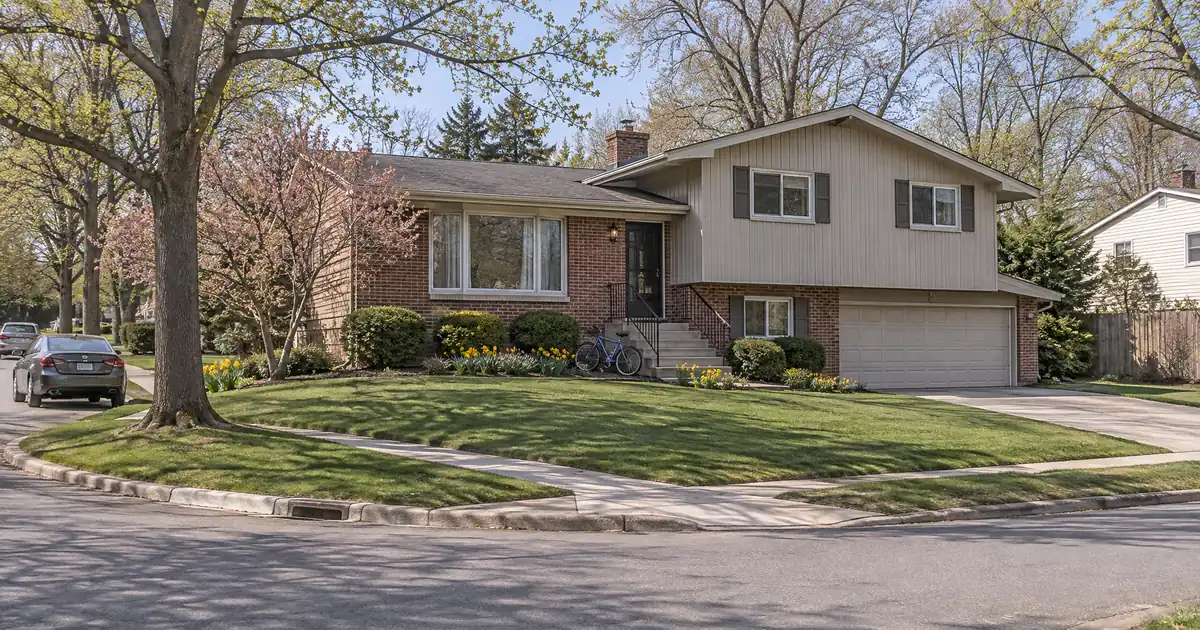
The Quick Read: Yes, a HELOC can legally pay adoption fees, because the cash can go to any purpose, but it works as a bridge secured by a property, not as a subsidy, and the line is only worth opening if you have enough equity, a stable credit profile, and a clear plan to repay it from tax-credit and employer money.
- On the programs Lendmire places files with, at least 75% of the line is drawn at closing, so you cannot simply open it and draw fee by fee.
- The ceiling depends on occupancy: 70% CLTV on an investment property, and up to 90% CLTV on a primary residence or second home only at a 720-or-better credit profile.
- Recovery comes after you file a tax return, not before the fees are due.
- A drawn balance stays owed even if a match falls through.
- Pricing floats and never converts to fixed, so the payment can move.
Why Adoption Fees Create a Bridge Problem
Adoption costs arrive in phases, and the money that offsets them arrives later. That mismatch is the whole reason families look at equity lines. The first fees are typically for the home study and parent preparation, then come agency program fees, and then match-related and placement-related costs. The tax credit and any employer help come back only after the money has gone out.
How large a line the equity supports.
An equity line is sized by combined loan-to-value, occupancy, and credit — not by rental coverage. Switch the occupancy or the credit band and the ceiling moves with it.
Investment-property lines require a 700 minimum credit score; second-home lines start at a 640 minimum and primary-residence lines at 600, and the combined-LTV ceiling steps down as the credit band drops on primary-residence and second-home lines and holds on investment-property lines; the line cap steps down on primary-residence lines and holds at every tier on investment-property and second-home lines.
A debt-to-income ratio above 45% requires 680+ credit. Profiles under 640 are limited to single-family homes. At least 75% of the approved line is drawn at closing. Ceilings, floors, and caps update from Lendmire’s centralized guideline source.
Line estimate
Illustrative estimate only — not a quote, Loan Estimate, approval, or commitment to lend. The rate is an editable assumption; equity-line pricing is variable through both the draw and repayment periods and never converts to fixed. Occupancy and credit drive the ceiling together: an investment property tops out at 70% combined LTV (minimum credit 700, line cap $500,000); a second home tops out at 90% combined LTV (minimum credit 640, line cap $500,000), with the ceiling stepping down as the credit band drops (the cap holds at every tier); a primary residence tops out at 90% combined LTV (minimum credit 600), and its $750,000 maximum line is available only at 75% combined LTV or below with a 700-or-better credit profile (720 on the longer-runway program) and a full appraisal. Lines above $500,000 require a full appraisal. Credit, debt-to-income, property type, and full underwriting review all affect the final line.
Lifetime Adoption describes the pattern directly. Some families use a HELOC for upfront costs, then use the tax credit and employer reimbursement to pay the line down. The same page notes that no federal law requires employers to offer adoption assistance, so that second source of repayment is not something to assume. It also puts domestic infant adoption at $40,000 and up, which shows why a bridge is worth considering at all. Total cost varies widely by path: domestic infant, independent, foster care, or international.
A HELOC suits this timing better than a lump-sum personal loan in one way. A revolving line lets you reach for money in stages, which is why Kitces lists it among the tools homeowners use for adoption. The same source names the main risk plainly: the home secures the line, so you can lose it if you cannot repay.
How the Line Works, Step by Step
A HELOC has a draw period, when you can borrow against the line, and a repayment period, when you can no longer borrow and must pay the balance down. The CFPB’s HELOC booklet explains that these lines typically carry variable pricing, so payments can change even if you do not borrow more. The booklet is an older consumer-education piece, so treat it as a source for how the product behaves, not for current pricing.
Here is the sequence that makes sense for an adoption.
1. Open the line before you need the money. Credit and income look best before leave, reduced hours, or a job change. Opening a line while you are waiting for a match, not after, avoids a scramble.
2. Size the line to the near-term fees. Across the wholesale network Lendmire works with, the programs require at least 75% of the line to be drawn at closing. Interest is charged on what is drawn, so a large line sitting mostly drawn costs more to carry than the textbook description suggests.
3. Plan what you do with the closing draw. If the fees are not due yet, the drawn cash sits in your account while you pay interest on it. Some borrowers choose a smaller line for that reason.
4. Draw the remainder as fees come due. The minimum subsequent draw after closing is $1,000 on the program that states one, and in Texas it is $4,000.
5. Keep every invoice and proof of payment. You will need them for the tax credit whether or not you used a line.
6. Pay down the balance when money comes back. That means tax-credit proceeds, employer reimbursement, or other savings.
The draw period on these programs is interest-only. One program has a 3-year draw followed by 17 years of fully amortizing repayment. Tennessee shortens both structures. Either way, the payment steps up when repayment begins, because principal is added to interest. A balance you expected to clear in the draw period can still be there when that step happens.
What the Network’s Equity-Line Programs Allow
The ceiling depends on how you occupy the property, so no single number applies to everyone. Lendmire brokers equity lines through select wholesale partners, and it is never the lender. Every figure below is subject to lender guidelines and full file review.
| Occupancy | Top CLTV | Credit profile | Max line |
|---|---|---|---|
| Primary residence | 90% (720+) | 600 minimum | $500,000 at 90% CLTV; $750,000 at 75% CLTV, 700+ (720 on the longer-runway program) |
| Second home | 90% (720+) | 640 minimum | $500,000 |
| Investment property | 70% | 700 minimum | $500,000 |
Those top tiers are narrower than they look. On a primary residence, 90% CLTV applies only up to a $500,000 line, and a lower credit profile steps the ceiling down. A 700 profile reaches 85% up to $500,000, and a 620 profile reaches 70% up to $400,000. A Texas primary residence caps at 80% combined loan-to-value, so the higher tiers never apply there.
- Debt-to-income: 50% maximum, or 45% for credit profiles from 600 to 679. A ratio above 45% requires a 680 minimum. The test uses the interest-only payment calculated on the maximum draw, so a bigger line can hurt the ratio even if you plan to draw less.
- Lines above $500,000: primary residence only, 75% CLTV maximum, a full appraisal, and a credit profile of 700 or better (720 on the 5-year-draw program, the longer-runway option).
- Valuation: lines at or below $500,000 ordinarily use an automated valuation, though a higher CLTV may require a secondary valuation. A borrower may request a full appraisal in any case.
- Property types: single-family, 2-4 units, PUD, townhome, and condominium, including non-warrantable. Manufactured homes, co-ops, condotels, log homes, and commercial or agricultural properties are not eligible.
- Availability: the equity-line programs are offered in Lendmire’s 16 full-service states (AL, CA, CO, FL, GA, IN, MI, MT, NM, NC, OH, PA, TN, TX, VA, WA), which is narrower than the DSCR footprint of 41 markets, including Washington, D.C.
Key Terms Defined
CLTV: Combined loan-to-value, which adds every lien on the property, including the new line, and divides by the property’s value.
Draw period: The stretch when you can borrow against the line, usually interest-only on these programs.
Repayment period: The stretch after the draw ends, when you can no longer borrow and the balance amortizes.
Qualified adoption expenses: The fees that count toward the federal adoption credit, such as adoption fees, court and legal costs, and travel tied to the adoption.
Lien position: Whether the line sits first or behind another mortgage. The network’s lines can be placed in either position.
DSCR: The ratio of a rental’s income to its full monthly obligation. It matters here only if you pull equity through a DSCR loan instead of a line.
What Happens If the Match Falls Through?
The debt does not cancel. This is the scenario most competing articles skip, and it is the one that changes whether a HELOC is right for you.
Some agency fees are treated as nonrefundable once services begin, which means money already paid can be gone even if no placement occurs. A balance you drew to pay those fees stays on the line. You then carry interest-only payments on a drawn balance with no child home and no adoption cost to claim against. A disrupted match is also the moment when household income and attention are least likely to be available for paperwork.
Two planning habits help. First, draw for the fees due now, not for every fee you can foresee. Second, keep enough liquidity outside the line to service it for a stretch if the process stalls. Borrowers who need the line to be the only source of liquidity should treat that as a signal to wait or to reduce the amount.
How You Recover the Money
The main offset is the federal adoption credit. The IRS adoption credit page explains that you claim it on Form 8839 and that qualified expenses are capped per child. The dollar limit changes by tax year and income phases the credit out, so check the current figure on that page before you budget around it. The IRS also notes that part of a carryforward may be refundable depending on the tax year, so the credit is not a guaranteed cash refund on a fixed date.
The IRS guidance on the credit adds three useful points. Expenses can qualify even when paid before a child is identified, such as an early home study. Unused nonrefundable credit carries forward for up to five years. And a taxpayer who adopts a spouse’s child cannot claim the credit, so a stepparent adoption has no credit to repay a bridge.
Timing is the practical issue. Expenses paid before the adoption is final are generally claimed on the return for the following year, so the credit arrives well after the fees. Employer reimbursement, where available, comes sooner but cannot be double counted against the same expenses. Plan the line so it can sit at a drawn balance until the first of those sources arrives.
Tax treatment can depend on how the funds are used and how the property is held; borrowers should keep clear records and speak with a qualified tax professional before relying on any deduction.
How a HELOC Compares With the Other Ways to Fund Adoption
No option is best for everyone. The right one depends on how much equity you have, how stable your income is, and how much risk you can carry.
| Option | Home at risk? | Fits fee timing? | Main watch-out |
|---|---|---|---|
| HELOC | Yes | Staged draws, with a closing draw | Pricing floats |
| Unsecured adoption loan | No | Lump sum | Shorter repayment |
| 401(k) loan | No | Lump sum | Job loss can force repayment |
| Employer assistance | No | After the fact | Not required by law |
| State subsidy (foster care) | No | Varies | Only for foster adoption |
The 401(k) route avoids putting the home at risk, but Kitces notes that a job loss can force repayment and an unpaid balance becomes a taxable distribution. Foster-care adoption often costs far less, and each state runs a subsidy program for children adopted from foster care, so a HELOC may not be needed at all. A borrower with strong equity and stable income may reasonably prefer the line to the other options. A borrower with thin equity or uncertain income may be better off with a smaller plan.
The Investor Angle: Primary Home, Rental, or DSCR Loan?
Real estate investors often hold equity in more than one place, and the answer changes by property.
A line on your primary residence is the usual consumer route. It carries the highest ceilings in the network, and it fits when the home has meaningful equity and your credit profile is strong.
A line on a rental is available on the network’s investment-property tier, with a 70% CLTV ceiling, a 700 credit minimum, a $500,000 maximum line, and only the 5-year-draw structure. Before you apply, confirm with the lender that using the proceeds for a personal expense is permitted. A business-purpose product can carry use restrictions that a primary-residence line does not, and that question is better answered at the start than after the file is submitted.
Title matters. The lines require the property to be titled in the individual borrower or an inter vivos revocable living trust. LLCs, corporations, partnerships, and irrevocable, blind, or land trusts cannot hold title. A rental already deeded to an LLC would need a vesting change, or a different product such as a DSCR cash-out refinance.
Your other loans are mostly unaffected. A personal line on your own home does not change a rental’s DSCR, which compares that property’s rent to its own monthly obligation. A drawn line can still reduce liquidity and raise credit utilization, and lenders look at both. How a given underwriter weighs that depends on the program and the file.
A DSCR cash-out is the other path. An investor with a paid-up or lightly financed rental may prefer pulling equity through a DSCR cash-out refinance. On the network, cash-out generally tops out around 75% LTV, with about 6 months of seasoning as the common expectation. The rental must clear coverage on the new, larger obligation. 1.00 is where many select programs start, and stronger ratios open better terms. A separate select-lender path takes coverage below 1.00, with leverage and terms adjusted. Clearing the ratio is not the same as positive cash flow, because repairs, vacancy, management, and capital expenses sit outside the calculation. Lendmire’s complete DSCR loans guide covers how those programs work in full.
The tradeoff is simple. A cash-out refinance resets the terms on a rental you may want to keep as is. A line leaves the first mortgage in place but adds a second lien and a variable payment. Neither is free, and the better choice depends on which loan you would rather disturb. Lendmire’s piece Should You Use a Home Equity Loan or HELOC to Pay for a Wedding? walks through a similar personal-expense decision.
Who This Tends to Work For (and Who Should Skip It)
The line fits a homeowner with solid equity, a credit profile at or above the tier for the ceiling they want, and household income that can carry interest-only payments if repayment sources come late. It also fits a family that has already confirmed whether an employer will reimburse and whether the adoption credit applies to their situation.
It is a poor fit when the match is uncertain and fees are nonrefundable, when income may drop after the baby arrives and there is no cushion, or when the line would be the only liquidity you have. In those cases, a smaller line, a different source, or a longer runway before borrowing is the more defensible choice.
A short checklist before applying:
- Confirm the occupancy of the property you plan to borrow against, since that sets the ceiling.
- Know your credit profile and your debt-to-income ratio on the full line, not just the part you plan to draw.
- Decide how much of the closing draw you can use right away.
- Look up the current credit limit and income phase-out.
- Keep a written plan for repaying the balance if the match fails.
Frequently Asked Questions
Can I use a HELOC to pay adoption agency fees directly?
Yes, the cash from a HELOC can go to any purpose, including agency, attorney, and home study fees. The catch is that the line is secured by a property, so a default puts that property at risk. On an investment-property line, confirm with the lender that personal use of the proceeds is permitted.
Do I have to draw the whole line at once?
Not the whole line, but at least 75% is drawn at closing on the programs in Lendmire’s network. The rest can be drawn later in amounts of at least $1,000 on the program that states a minimum, or $4,000 in Texas. That is why sizing the line to near-term fees matters, since interest is charged on what is drawn.
What if the adoption falls through after I draw?
The balance stays owed. Agency fees are sometimes nonrefundable once services begin, so the money may not come back, and the line keeps accruing interest-only payments during the draw period. Keeping liquidity outside the line to cover payments for a stretch is the safest buffer.
Does a HELOC on my own home affect my rental loans?
Not the rental’s DSCR, which compares that property’s rent to its own monthly obligation. A drawn line can still reduce liquidity and affect credit utilization, which lenders review on a new file. How much it matters depends on the program, the property, and the borrower’s overall profile.
Is a HELOC better than a 401(k) loan or an adoption loan?
It depends on what you are protecting. A HELOC puts the home at risk but lets you draw in stages. A 401(k) loan avoids that risk but can force repayment after a job loss. An unsecured adoption loan avoids both, usually with a shorter repayment period. Equity, income stability, and risk tolerance decide it.
If you are considering a home equity line and want to see how the numbers work, Lendmire can help you compare HELOC options based on the property, the equity available, credit profile, combined leverage, and your goals. You can reach the team at 828-256-2183 or request a quote at Lendmire’s quote page.
About Lendmire
Lendmire (NMLS# 2371349) is a mortgage broker. Home equity lines of credit — on a primary residence, a second home or an investment property — are arranged through wholesale lenders in Lendmire’s 16 full-service states, and every line is underwritten by the lender under its program guidelines. Scotsman Guide named Lendmire a Top Mortgage Workplace in both 2025 and 2026.
Get Started
Ready to find the right loan for you?
See your offer in seconds. No credit pull, no obligation.
Informational only. Not a Loan Estimate, approval, or commitment to lend. Program availability and eligibility are subject to lender guidelines, credit approval, property review, and underwriting.
References
1. Lifetime Adoption – Financial assistance
3. CFPB – What you should know about HELOCs
This article is part of Lendmire’s HELOC & home equity loan program — full qualification details, guidelines, and scenarios live on the program page.
Related reading: How Much Can You Borrow on a DSCR HELOC Before Your Return Is Filed? · Can You Get an Investment Property HELOC on an Inherited Home Still in Probate? · Can You Get an Investment Property HELOC Before Your Return Is Filed?
Brandon Miller
Founder & CEO, Mortgage Loan Originator, Lendmire LLC
- Mortgage Loan Originator · NMLS# 1129696 · Verify on NMLS Consumer Access
- North Carolina Real Estate Broker · License# 343312 · Verify on NCREC
- North Carolina Insurance Producer · License# 19053198 · Property, Casualty, Life, Health · Verify on NAIC SBS
- Lendmire LLC · Firm NMLS# 2371349 · Verify firm licensure
Compliance and disclosures. Lendmire (NMLS# 2371349) is a licensed mortgage broker and is not a direct lender, depository institution, financial advisor, or tax professional. Content in this article is general market analysis and educational information — not financial, legal, or tax advice for any specific situation. Lendmire does not guarantee loan approval; every transaction is subject to underwriting by the funding lender. Mortgage pricing and loan program guidelines are subject to change at any time without notice and vary by borrower characteristics, property type, and state regulations. Lendmire complies with Equal Housing Opportunity. Licensure verification: NMLS Consumer Access.