
The Quick Read: Usually yes, but only after the heir is on recorded title, because a lender cannot take a lien on property the borrower does not legally own. With no will, a probate court normally appoints an administrator, distributes the property under state law, and a deed to the heir gets recorded.
- Having no will does not disqualify you. It changes the route to clean title.
- An open estate cannot sign a DSCR HELOC. The heir, or the heir’s LLC or trust, must be on recorded title.
- Slow probate delays the line, so start the court process early.
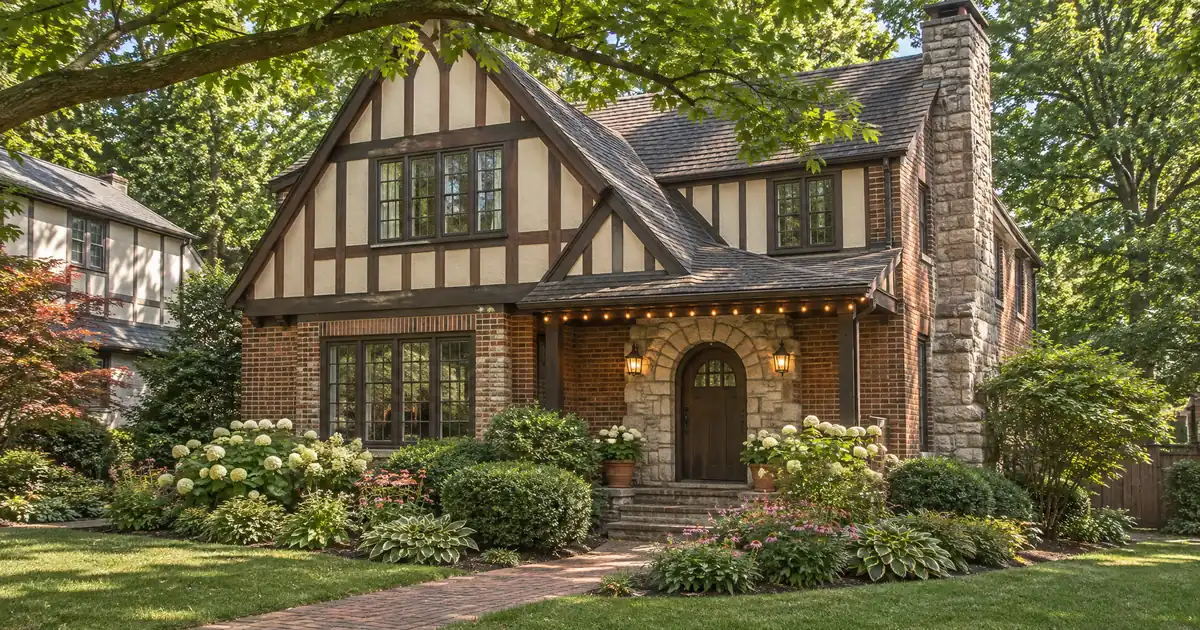
Picture a landlord who dies without a will, leaving a duplex with tenants paying on time. The rent keeps coming. The equity is there. But nobody alive has the legal power to pledge the building. That gap is the whole story, and it closes in a predictable order.
Why Does Title Control Everything?
A lien can only attach to property the borrower legally owns. Until a deed puts the heir on record, no one can sign a lien the lender can rely on.
Dying without a will is called dying intestate. State law then decides who inherits, usually starting with a spouse and children. The person the court appoints to run the estate is an administrator, and the court’s authorizing document is called letters of administration. That is the no-will version of an executor’s letters. A California law-firm glossary notes that no one can sell estate property or sign for the estate until the court issues those letters.
The timing of ownership varies by state. In some states, title vests in the heirs at death by operation of law, while in others the estate holds title until the court distributes the property. A New York attorney’s explainer describes heirs there becoming tenants in common even if no administrator is ever appointed. Legal ownership and insurable record title are different things, though. A title company decides whether title passed cleanly, and the rules are state-specific. Confirm yours with a probate attorney and a title company.
Who Can Sign at Each Stage?
At every stage before the deed records, the answer is the same: no DSCR HELOC. The table shows what changes as the no-will process moves along.
| Stage | Who can sign | DSCR HELOC? |
|---|---|---|
| Death, no court filing | No one with authority | No |
| Petition filed, no letters | No one with authority | No |
| Administrator appointed | Administrator, for the estate only | No |
| Heirs determined, property distributed | The administrator, until the deed records | Not yet |
| Deed recorded to heir, trust, or LLC | The owner(s) on title | Can be reviewed |
The middle rows deserve a closer look. An administrator acts for the estate, and the estate is not the heir. Estate-level borrowing exists, but it is a different product, and it does not turn into a DSCR HELOC for the heir. Some states allow limited interim authority before full letters. That still does not make this line available.
What Is the Path From Death to a Recorded Deed?
The path has five steps, and each one gates the next.
1. Gather documents. You need the death certificate, the existing deed, and a title report. A payoff statement helps if a mortgage exists.
2. Petition for letters. State priority rules usually put the surviving spouse first, then adult children, then other relatives, per a practitioner explainer on letters of administration.
3. Administer the estate. The administrator pays debts and manages the property. Rent keeps flowing, but who collects it and where it goes should be settled with the probate attorney.
4. Distribute and deed. The court’s distribution order lets the heirs record ownership. Title becomes insurable once that deed is recorded.
5. Optional: move it into an LLC. After the estate deed records, the heir can deed the property into an LLC. Vesting in the owner’s LLC is allowed on this program for investment property, subject to lender program eligibility.
No national number exists for how long this takes. Court calendars, estate complexity, and disputes among heirs drive it. Plan around the slowest realistic case, not the best one.
Does every no-will estate need probate? Not always. Some states offer small-estate affidavits, and a funded trust, a survivorship deed, or a transfer-on-death deed can skip probate. A house held as tenants in common with no will generally does go through it, though state rules differ, so ask a probate attorney. Even on a non-probate route, title review still decides.
What Does the Lender Look At Once Title Is Clean?
Once the heir is on recorded title, the property is reviewed the way any rental is. The rent qualifies the line. No traditional personal-income documentation, W-2s, pay stubs, or personal debt-to-income calculation are used, subject to lender guidelines. The lender still documents the rent, the lease, the credit report, and the valuation.
Here is how the parameters run through the select wholesale-network programs Lendmire places files with. All are subject to underwriting.
- Structure: a standalone second lien behind a first mortgage the owner keeps, or a standalone first lien on a rental with no mortgage.
- Coverage: minimum 1.10x. That is gross monthly rent divided by a fully amortizing payment on the entire credit limit at a stress rate. Taxes and insurance are not part of that qualifying payment. How the lender treats a first-mortgage payment on a second lien should be confirmed on the file.
- Rent used: the lesser of the appraisal’s market rent and the lease, unless three months of receipts support a lease above market.
- Second-lien leverage: up to 70% combined loan-to-value (CLTV) at a 720 score or better, on lines from $50,000 to $500,000.
- First-lien leverage: up to 75% loan-to-value (LTV) at 740 or better on lines to $500,000, 70% from 700 to 739, and 65% on lines above $500,000, up to $1,000,000.
- Draw rules: at least 80% of the line is drawn at closing, later draws run at least $5,000, the draw period is 5 years interest-only, repayment runs 25 years, and maturity is 30 years. The rate is variable.
- No reserves and no cash to close are required.
- Seasoning: a rental bought or refinanced inside the last 6 months is not eligible (that clock runs from the last note date to the new note date), and the owner must have held title for 6 months (settlement date to note date).
- Valuation: lines to $400,000 use an automated valuation with a property inspection report or a full interior appraisal. Larger lines take a full interior appraisal.
Two details matter for inherited rentals. First, a lease must be in place, so a vacant or half-renovated house usually needs another path first. Second, the title date drives the seasoning clock, and a slow probate pushes that date back, which is another reason to start early.
Some property types sit outside this line: rural-designated property, row homes, condotels, and leaseholds, among others. The program is offered in 15 of Lendmire’s 16 licensed states, every licensed state except Tennessee. For the broader picture of how these loans work, see the complete DSCR loans guide.
What If There Are Several Heirs?
With multiple heirs, every owner on title generally signs the lien, even one who is not a borrower. One holdout stalls the file. Non-borrowing owners sign an acknowledgment and the security instrument.
This is where tangled title bites. The National Association of Realtors says heirs’ property can make a home difficult to finance, sell, or transfer, and can end in a forced sale. A partition action, where a court orders a sale, is the costly last resort when siblings cannot agree.
Run a simple case. A rental passes to two siblings under state intestacy law. One wants to pull equity for repairs. The other wants to hold and does not care. The court distributes the property and the deed records to both. Both sign the lien, and the one who wants the line applies as borrower. If the second sibling refuses to sign, the first has no line to draw. One way out is for one sibling to buy the other out, and the buying sibling must be on title before applying.
Does an Existing Mortgage Change the Answer?
It complicates the file but does not block it. Federal law generally stops a servicer from calling a loan due just because a relative inherits. The CFPB’s servicing rule amendments treat confirmed successors in interest as borrowers for servicing purposes. Those protections cover the existing loan. They do not clear title or create a new line.
If the heir keeps that first mortgage, the DSCR HELOC sits behind it as a second lien. That requires a 720 score or better. If the heir has no mortgage on the rental, the line can be a first lien, with its own score floor at 700. Exact terms depend on lender and investor guidelines, credit profile, and property review.
An inherited LLC interest adds a wrinkle. The LLC owns the property, but the membership interest typically passes through probate. The same title-first logic applies.
What Are the Alternatives While You Wait?
Fannie Mae’s heirs’ property page says clear title is often needed to access equity or obtain a mortgage. That is a conforming-loan contrast, not a DSCR rule, but it shows the title problem is universal.
| Route | Lien position | Who signs | Fit |
|---|---|---|---|
| DSCR HELOC | Second or first lien | Heir(s) on title | Keep a low first mortgage, draw as needed |
| DSCR cash-out refinance | Replaces first lien | Heir(s) on title | One lump sum, new first mortgage |
| Estate-level loan | Estate | Administrator | Covers estate needs, not an heir’s plans |
| Sell | None | Administrator or heirs | Ends the title problem |
A HELOC leaves an existing low first-mortgage payment untouched. A cash-out refinance replaces it. If the first mortgage terms are favorable, that favors the line. If you want one lump sum, the refinance may fit better, and Lendmire’s explainer DSCR Cash-Out Refinance Requirements for a Rental Inherited With No Will walks through that route.
Also know what a DSCR loan will not pay. Probate administration costs and unsecured estate claims are outside its reach.
What Should Heirs Do While Probate Runs?
Keep the property performing and the paperwork ready.
- Keep the lease in force and collect rent in a way the probate attorney approves.
- Save a rent roll, rent receipts, and insurance declarations. Three months of receipts can matter if the lease sits above market rent.
- Ask the probate attorney whether a small-estate or non-probate route applies in your state.
- Order a title report early, so surprises surface before the deed does.
- Decide which heir, trust, or LLC will hold title, and confirm that with the attorney.
- Settle the plan for the equity before the line is open. A HELOC cannot be opened against a property the heirs do not yet hold on recorded title, so the line waits until the deed records.
Key Terms Defined
Intestate: dying without a valid will, so state law decides who inherits.
Administrator: the person a court appoints to manage an estate when no will names an executor.
Letters of administration: the court document that gives the administrator legal authority to act for the estate.
DSCR: debt service coverage ratio, meaning the rent compared to the qualifying payment.
HELOC: a revolving line of credit secured by property, here a rental the owner keeps.
CLTV: combined loan-to-value, which adds the first mortgage and the new line, divided by property value.
Frequently Asked Questions
Can an heir get a DSCR HELOC before probate ends?
Generally no. The estate holds title until the court distributes the property and a deed records. An administrator may arrange estate-level borrowing, but that is a different product. Once the heir is on recorded title, a DSCR HELOC can be reviewed, subject to lender guidelines.
Is being the heir enough to sign?
No. Being an heir does not by itself give authority to sign a deed or a lien. Title companies check the signer against the court’s letters and the recorded deed. Until those line up, no lender can take a clean lien.
How does seasoning work on an inherited rental?
Title must have been held for 6 months, counted from settlement date to note date. Because the title date moves with probate, a slow estate pushes that clock back.
Does a power of attorney still work after the owner dies?
No. A power of attorney ends at death. After that, authority comes only from the court, through letters, or from a recorded deed to the heir.
What if one sibling will not cooperate?
Every owner on title generally signs, so one holdout can stall the line. One option is for a sibling to buy out the holdout, which requires the buying sibling to be on title first. A court-ordered partition is a costly last resort.
Can the rental sit in an LLC?
Yes. Vesting in the owner’s LLC is allowed on this program for investment property, with the members signing as guarantors, subject to program terms. The heir typically deeds the property into the LLC after the estate deed records.
Next Steps
If you are considering a home equity line on a rental property and want to see how the numbers work, Lendmire can help you compare DSCR HELOC options based on the property, the rent, the equity available, credit profile, combined leverage, and your goals. Reach the team at 828-256-2183 or request a quote.
Programs change and every file is underwritten individually. Leverage figures are ceilings, not offers, and none of this is a commitment to lend. Tax treatment varies; consult a qualified professional.
About Lendmire
Lendmire, NMLS# 2371349, is a mortgage brokerage with consumer lending licenses in 16 states. It arranges DSCR home equity lines of credit on rental property through wholesale lending partners in 15 of its 16 licensed states (every licensed state except Tennessee); each line is written on a non-owner-occupied one-to-four-unit rental and reviewed individually by the lender under the program’s credit and leverage guidelines. Scotsman Guide named Lendmire a Top Mortgage Workplace in both 2025 and 2026.
Get Started
Ready to find the right loan for you?
See your offer in seconds. No credit pull, no obligation.
Informational only. Not a Loan Estimate, approval, or commitment to lend. Program availability and eligibility are subject to lender guidelines, credit approval, property review, and underwriting.
References
1. Ridley Law Offices: Letters of Administration
2. New York Real Estate Lawyer Blog: Title Vesting When an Owner Dies Intestate
3. Elayne: What Is a Letter of Administration
4. National Association of Realtors: Heirs’ Property
5. CFPB’s servicing rule amendments
6. Fannie Mae: Addressing Heirs’ Property
This article is part of Lendmire’s DSCR HELOC program — full qualification details, guidelines, and scenarios live on the program page.
Related reading: Best DSCR HELOC Program for a Rental Qualified on Its Rent · Banks That Offer a DSCR HELOC on an Inherited Rental With Tenants in Place · Top DSCR HELOC Providers on a Fourplex Rental
Brandon Miller
Founder & CEO, Mortgage Loan Originator, Lendmire LLC
- Mortgage Loan Originator · NMLS# 1129696 · Verify on NMLS Consumer Access
- North Carolina Real Estate Broker · License# 343312 · Verify on NCREC
- North Carolina Insurance Producer · License# 19053198 · Property, Casualty, Life, Health · Verify on NAIC SBS
- Lendmire LLC · Firm NMLS# 2371349 · Verify firm licensure
Required disclosures. Lendmire (NMLS# 2371349) operates as a licensed mortgage broker, not a direct lender or depository. The discussion in this article is general in nature and should not be relied upon as financial, legal, or tax advice — every investment scenario is unique and should be reviewed by a qualified professional. Any loan inquiry is subject to lender underwriting, and this article is not a commitment to lend or a guarantee of approval. Mortgage rates, loan terms, and program guidelines vary by borrower, property, and state, and may change without notice. Equal Housing Opportunity. Verify licensure at NMLS Consumer Access.