
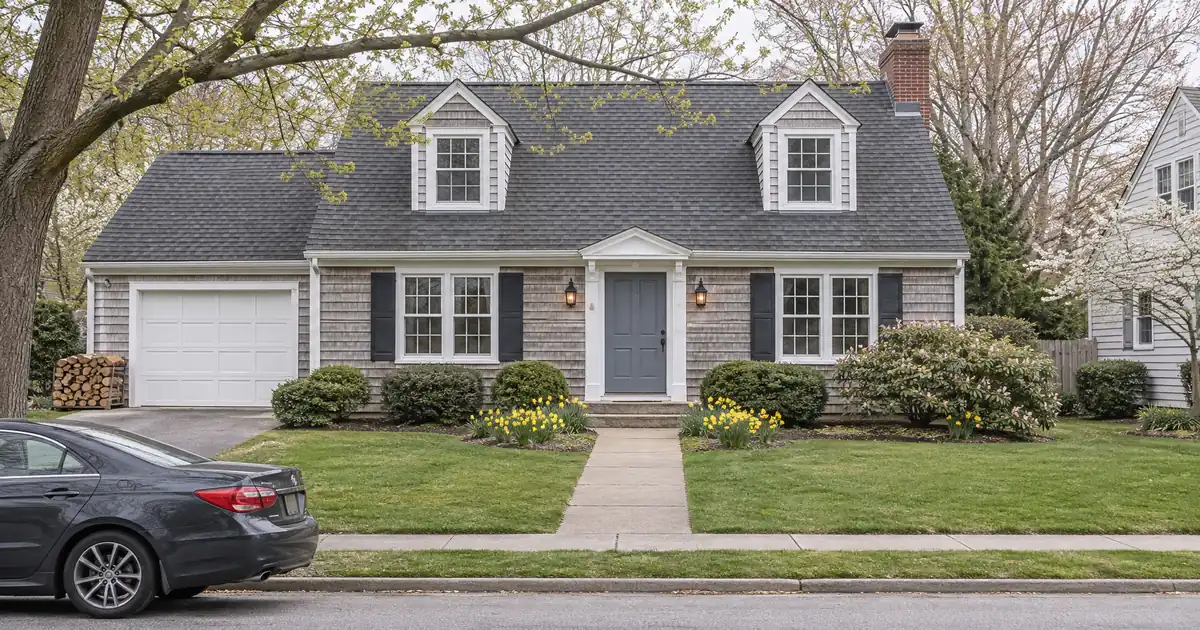
The Quick Read: It depends on how many days you expect to stay: a few days still leaves room for an investment line, but a longer personal stay usually moves the file to second-home treatment or a decline, because lenders classify the property by your stated intent.
- Investment lines on Lendmire’s wholesale network typically run up to 70% CLTV (combined loan-to-value, meaning all liens added together against the property’s value), with a 700 minimum credit profile and a $500,000 maximum line, subject to lender guidelines.
- No single day-count separates investment from second home at every bank. Each lender sets its own policy.
- A federal business-purpose rule uses 14 expected days of owner use as its trigger, and the test looks forward, not backward.
- Second-home lines can reach higher leverage, up to 90% CLTV at a 720-or-better credit profile, but they are a different product with different questions.
- A true rental that needs cash out often fits a DSCR cash-out refinance better than a revolving line.
The Straight Answer: Your Calendar Is Part of the Application
A home equity line of credit (HELOC) is a revolving line secured by your property. On a rental, only some lenders offer one, and the terms are tighter than on a home you live in.
How large a line the equity supports.
An equity line is sized by combined loan-to-value, occupancy, and credit — not by rental coverage. Switch the occupancy or the credit band and the ceiling moves with it.
Investment-property lines require a 700 minimum credit score; second-home lines start at a 640 minimum and primary-residence lines at 600, and the combined-LTV ceiling steps down as the credit band drops on primary-residence and second-home lines and holds on investment-property lines; the line cap steps down on primary-residence lines and holds at every tier on investment-property and second-home lines.
A debt-to-income ratio above 45% requires 680+ credit. Profiles under 640 are limited to single-family homes. At least 75% of the approved line is drawn at closing. Ceilings, floors, and caps update from Lendmire’s centralized guideline source.
Line estimate
Illustrative estimate only — not a quote, Loan Estimate, approval, or commitment to lend. The rate is an editable assumption; equity-line pricing is variable through both the draw and repayment periods and never converts to fixed. Occupancy and credit drive the ceiling together: an investment property tops out at 70% combined LTV (minimum credit 700, line cap $500,000); a second home tops out at 90% combined LTV (minimum credit 640, line cap $500,000), with the ceiling stepping down as the credit band drops (the cap holds at every tier); a primary residence tops out at 90% combined LTV (minimum credit 600), and its $750,000 maximum line is available only at 75% combined LTV or below with a 700-or-better credit profile (720 on the longer-runway program) and a full appraisal. Lines above $500,000 require a full appraisal. Credit, debt-to-income, property type, and full underwriting review all affect the final line.
Staying there part of the year adds a second question. The lender asks whether this is an investment property at all. Your answer goes on a signed occupancy declaration, so it has to match what you actually plan to do.
A short stay does not automatically end the conversation. A property that is marketed and rented, with an owner who visits briefly, can still be reviewed as an investment. A property you use for a month every summer is a different file.
The cleanest way to think about it: the more days you plan to be there, the more the file looks like a second home. The more days it earns rent, the more it looks like an investment. In the middle, the lender decides, and lenders decide differently.
How Lenders Sort a Part-Year Property
A lender puts every property into one of three buckets: primary residence, second home, or investment property. The bucket sets the leverage, the credit floor, and the paperwork.
There is no universal federal rule for how many days equals investment. Lenders look at your stated intent, your rental history, your listing calendar, and how the property is managed. Here is how common usage patterns tend to read, though each lender sets its own policy.
| Usage pattern | Likely classification | Main risk |
|---|---|---|
| You live there, no rental | Primary or second home | Not a rental file |
| A few weeks of personal use, rented the rest | Often second home | Underwriter reads it as mixed use |
| Rented most of the year, brief owner stays | Often investment | Stays must match your declaration |
| Managed rental pool or hotel-style program | Often investment or ineligible | Some lenders exclude these |
| Long-term tenant, no owner use | Investment | Narrow lender pool for lines |
The middle two rows are where borrowers get stuck. Two lenders can look at the same calendar and land in different places. If one says no, another may classify the same use differently, so comparing lenders is part of the job.
Names matter too. Some lenders will not offer a HELOC on a rental under that label, yet they offer a line of credit secured by an investment property. Ask for it by that description.
Three Part-Year Scenarios
The lake house. Say you own a lake house, rent it out most of the summer, and plan 21 days of your own use in peak season. That is more than two weeks of expected personal use. A lender will probably review it as a second home, or decline an investment line. A second-home line follows personal-use credit rules, with leverage up to 90% CLTV at a 720-or-better credit profile. Exact terms depend on the lender’s guidelines, property type, leverage, and a full review of the borrower’s file.
The mountain cabin. Picture a cabin you list year-round and visit for about 10 days, mostly for maintenance and a ski weekend. Your planned stay is short, and the property is run as a rental. That fits an investment review. The declaration must still match reality, so the 10 days have to be a real estimate, not a number picked to fit a rule.
The city condo. Consider a condo with a long-term tenant and one owner night a quarter when you are in town. It reads as an investment. The harder questions are on the lender side: whether the building and the line size fit the program, and whether title is held in the right name.
What the 14-Day Line Means
Now the regulatory frame, kept brief. The federal consumer-credit rule, Regulation Z section 1026.3 from the CFPB, treats credit on non-owner-occupied rental property as business-purpose credit. It removes that treatment if you expect to occupy the property for more than 14 days during the coming year.
Two details matter. First, the test is forward-looking. It asks what you expect to do in the year ahead, not only what happened last year. Second, the classification can pull in consumer-credit protections that apply to personal-use loans.
Once you expect to stay more than 14 days, the rule treats the property as owner-occupied rental property, and a unit-count test decides what still counts as business-purpose. Credit to acquire the property counts as business-purpose only if it has more than 2 units. Credit to improve or maintain it counts only if it has more than 4 units. An explanation of the beach-house example in the rule’s commentary appears in a Doss Law guide to the business-purpose exemption.
Even where the federal rule exempts a loan, the lender can still apply its own occupancy policy. The rule sets a floor on how a file is classified. The lender’s guidelines set the practical answer.
The Tax Day-Count Is a Different Test
Many investors have heard about a 14-day or 10% rule. That is the tax test for whether a dwelling counts as your home, and it decides tax treatment, not your loan type. IRS Publication 527 says personal use above the greater of 14 days or 10% of the days rented at a fair price makes it a home for tax purposes.
The University of Illinois Tax School walks through the same test. A CPA firm’s worked example shows that 30 personal days stay under the limit only if the unit is rented about 301 days or more.
A lender is not bound to use that count. Some will borrow its logic, some will ignore it, and some write their own. Do not tell a lender you qualify as an investment because you passed the tax test. Tax treatment varies; consult a qualified professional.
What an Investment Line Looks Like on Lendmire’s Network
Lendmire is a mortgage broker. It arranges home equity lines through select wholesale partners and is never the lender. Every figure below is subject to lender guidelines and full file review.
For an investment property, typical terms on the network are:
- Leverage: up to 70% CLTV. There is no higher tier on an investment line.
- Credit: a 700 minimum, which is a hard floor with no tier beneath it. A 720 profile reaches the same 70%, so credit above 700 does not raise leverage.
- Line size: $25,000 to $500,000 on an investment property.
- Structure: a standalone line in first or second lien position, with a 5-year interest-only draw followed by a 25-year fully amortizing repayment. Pricing floats and does not convert to fixed.
- Draw at closing: at least 75% of the line is drawn at closing.
- Valuation: because the line caps at $500,000, it usually runs on an automated valuation instead of a traditional appraisal. A borrower may still request a full appraisal.
- Property types: single-family, 2-4 units, PUD, townhome, and condominium, including non-warrantable condos. Manufactured homes, co-ops, condotels, log homes, commercial, mixed-use, and agricultural zoning are not eligible.
- Exposure: a borrower is limited to three lines, and owning more than 15 financed properties is not eligible.
Title is the sharpest difference from a DSCR loan. The line must be held by you as an individual or by a revocable living trust. An LLC cannot hold title on these lines. A property already deeded to an LLC needs a vesting change, or a DSCR cash-out instead.
A line on a primary residence or second home runs a different menu, including a 3-year interest-only draw with a 17-year repayment. Higher leverage belongs to those occupancy types, not to an investment property.
These home equity lines are available in Lendmire’s 16 full-service states: AL, CA, CO, FL, GA, IN, MI, MT, NM, NC, OH, PA, TN, TX, VA, and WA. That is narrower than the 41-market DSCR footprint.
How to Document Your Personal Use
Your paperwork should tell one consistent story. A lender does not need a diary, but your records should agree with each other.
- Listing calendar: blocked-off dates should match the stays you declare.
- Rental history: booking records, leases, or a management statement show how the property earns.
- Management agreement: read it, since some rental programs reserve owner days or limit them.
- Declaration: an honest estimate of your planned stays, including family and friends.
- Use that does not change: if your plans shift after closing, talk to your lender before you act.
Family stays and below-market stays for friends count as personal use under the tax test. Treat them as personal use when you plan your year. Days spent full time on repairs generally do not count for tax, but your lender may read them differently.
When a DSCR Cash-Out Fits Better
If the property is truly a rental and you want cash from it, a DSCR cash-out refinance may be the stronger route. A DSCR loan is a business-purpose, non-owner-occupied investor loan that qualifies primarily on property-level rental income covering the payment, subject to lender guidelines. It is a closed-end first-lien loan, not a revolving line.
Typical network terms for a standard rental cash-out:
- Leverage tops out around 75% LTV.
- About 6 months of seasoning is the common expectation.
- Most programs want a credit profile near 660. A 620 floor exists in parts of the network, and 700 or higher unlocks the strongest tiers.
- Loan sizes run up to $3,000,000 on standard programs (smaller balances available through select lenders).
- Reserves vary by lender, leverage, loan size, and transaction type, commonly around 6 months of PITIA (principal, interest, taxes, insurance, and HOA dues).
- A coverage ratio of 1.00 is where many select programs start. A separate select-lender path takes coverage below 1.00, with leverage and terms adjusted.
Short-term rental cash-out is stricter: 70% LTV, a 640+ credit profile, and about 12 months of hosting history. Every figure here varies by lender and program — guidelines, property type, leverage, and credit profile all apply.
Clearing 1.00 does not mean positive cash flow. DSCR compares rent to PITIA only, so repairs, vacancy, management, utilities, and capital expenses sit outside the calculation. You can read more in the complete DSCR loans guide.
A DSCR file also asks for a business-purpose and occupancy certification. Personal-use limits vary by lender, so a stay that conflicts with them is a file problem, not a technicality. An LLC can hold title on a DSCR loan, subject to program terms.
| Option | Fits when | Key limits |
|---|---|---|
| Investment HELOC | Rental, individual or trust title | 70% CLTV, 700 credit, $500,000 |
| Second-home HELOC | Meaningful personal use | Up to 90% CLTV at 720+ |
| DSCR cash-out | True rental, any eligible title | About 75% LTV, 6-month seasoning |
| HELOC on your own home | You have equity at home | Secured by your residence |
A line on your own primary residence is a separate approach. It puts your home at risk instead of the rental, and the lender underwrites you personally. If a line was opened on your home before you moved out and rented it, read your stipulations before you change how the property is used.
Mistakes That Cost Borrowers
- Declaring investment use while planning a long stay. A signed declaration that does not match your plans is a misstatement. It can lead to the loan being called and can carry legal consequences.
- Assuming an LLC solves it. Actual use and intent control, not the name on title. On an equity line, an LLC cannot hold title anyway.
- Using the tax count as a lender rule. It is a different test with a different purpose.
- Counting only last year. The business-purpose test is forward-looking. Your expectation for the coming year is what matters.
- Assuming every bank offers it. Availability for investment lines is thin and lender-by-lender.
Key Terms Defined
CLTV: combined loan-to-value, which adds every lien on the property and divides by its value.
Business-purpose loan: credit used to buy, improve, or maintain a property held to earn rent.
Occupancy classification: the lender’s label for the property: primary residence, second home, or investment property.
Personal use: days you, your family, or friends stay at the property, including stays at below-market rent.
Automated valuation: a computer-generated value estimate used instead of a traditional appraisal.
DSCR: debt service coverage ratio, meaning monthly rent divided by the monthly payment including taxes, insurance, and any HOA dues.
Frequently Asked Questions
Can I get an investment property HELOC if I stay a week or two each summer?
Often yes, if the property is run as a rental and your honest estimate of personal days is short. The lender decides the classification under its own policy. A federal business-purpose rule uses 14 expected days as its trigger, so planning more than that moves you toward second-home or owner-occupied treatment.
Does the IRS 14-day rule decide whether I get an investment loan?
No. That count decides tax treatment. Lenders apply their own occupancy policy, and the lending test looks at what you expect to do in the coming year. A tax-qualified rental can still be reviewed as a second home, and the reverse can also happen.
How does a lender check how often I stay?
Lenders rely on your signed declarations, your stated intent, and your rental records, such as listing calendars and leases. Practices differ by lender. Keep your records consistent, because a mismatch between the declaration and the calendar is a red flag.
Can I hold the property in an LLC and still get a HELOC?
Not on these equity lines. Title must be held by you as an individual or by a revocable living trust. A property already in an LLC needs a vesting change, or a DSCR cash-out instead, subject to program terms.
What if my personal use increases after closing?
Talk to your lender before changing how you use the property. A line was approved on the use you declared, so a major shift can conflict with that declaration. If you expect your stays to grow, apply as a second home from the start.
Next Step
If you are considering a home equity line and want to see how the numbers work, Lendmire can help you compare HELOC options based on the property, the equity available, credit profile, combined leverage, and your goals. For a true rental, the team can also show how a DSCR cash-out refinance compares. Program terms are subject to lender guidelines, and none of this is a commitment to lend.
For a part-year property, the honest count of personal days decides the product, and the product decides the leverage.
About Lendmire
Lendmire, NMLS# 2371349, is a mortgage brokerage that arranges home equity lines of credit through wholesale lending partners in its 16 full-service states. Lines on primary residences, second homes and investment properties are each reviewed individually by the lender under the program’s occupancy, credit and combined-loan-to-value guidelines. Scotsman Guide named Lendmire a Top Mortgage Workplace in both 2025 and 2026.
Get Started
Ready to find the right loan for you?
See your offer in seconds. No credit pull, no obligation.
Informational only. Not a Loan Estimate, approval, or commitment to lend. Program availability and eligibility are subject to lender guidelines, credit approval, property review, and underwriting.
References
1. CFPB, Regulation Z section 1026.3
2. Doss Law, business-purpose exemption simplified
4. University of Illinois Tax School, tax rules for rentals and vacation homes
5. WCG CPAs and Advisors, vacation home rules
This article is part of Lendmire’s investment property HELOC program — full qualification details, guidelines, and scenarios live on the program page.
Related reading: How Much Can You Borrow on an Investment Property HELOC on a Condotel?
Brandon Miller
Founder & CEO, Mortgage Loan Originator, Lendmire LLC
- Mortgage Loan Originator · NMLS# 1129696 · Verify on NMLS Consumer Access
- North Carolina Real Estate Broker · License# 343312 · Verify on NCREC
- North Carolina Insurance Producer · License# 19053198 · Property, Casualty, Life, Health · Verify on NAIC SBS
- Lendmire LLC · Firm NMLS# 2371349 · Verify firm licensure
Important disclosures. Lendmire (NMLS# 2371349) is a licensed mortgage brokerage. Lendmire is not a direct lender, depository institution, or financial advisor. All loan inquiries are subject to lender underwriting; this article does not constitute a commitment to lend. Rates, terms, and program guidelines are subject to change without notice and vary by borrower profile, property type, and state. Information in this article is general in nature and is not financial, legal, or tax advice. Equal Housing Opportunity. NMLS Consumer Access: nmlsconsumeraccess.org.