
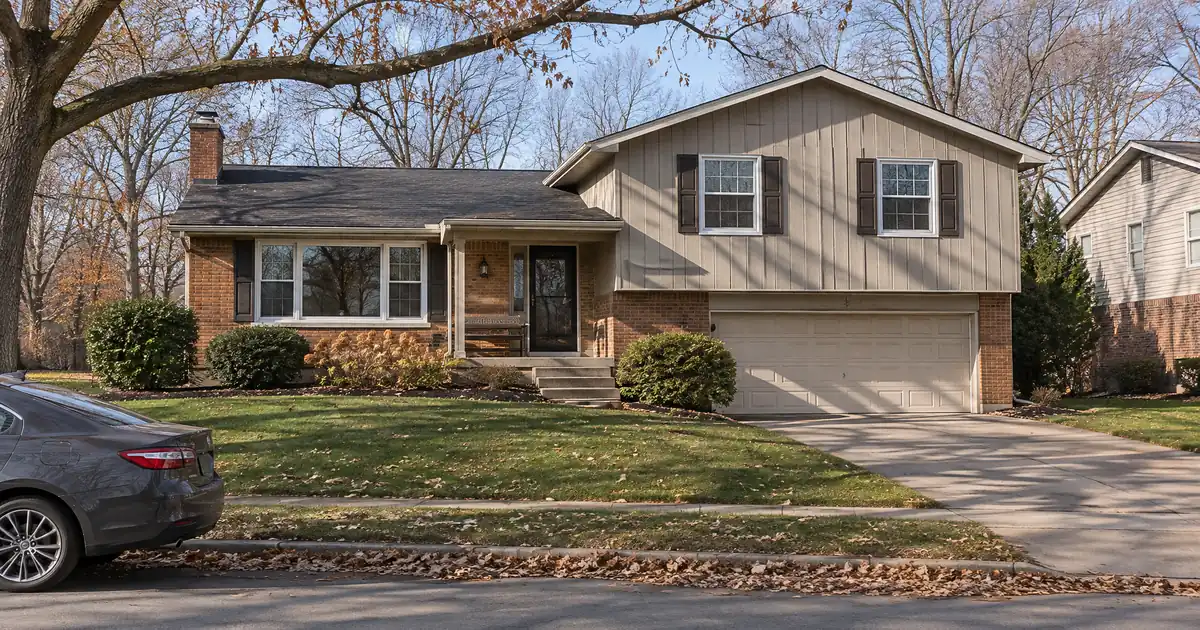
The Quick Read: A HELOC on an inherited rental works only after the heir holds recorded title, which means probate must reach the point where the executor deeds the property out of the estate, and then the heir applies as the titled owner on an investment line capped at 70% combined loan-to-value (CLTV).
- During probate, the estate still owns the rental. A new lien needs a borrower on title.
- Strong rent does not fix a title gap. Rental income matters for DSCR loans, not for this line.
- Across Lendmire’s wholesale network, an investment line tops out at 70% CLTV and $500,000, with a 700 credit minimum.
- While probate is open, your real options are an estate-level loan, a sale, or waiting for the deed.
- A DSCR cash-out refinance is the usual alternative once title vests, subject to lender guidelines.
Picture an heir who inherits a tenanted duplex and wants repair money before the next lease turns over. The rent is flowing and the equity is real. Still, no lender will place a new lien on a house whose deed names someone who has died. This guide walks through why, what changes at each stage, and which product fits once the deed moves.
How large a line the equity supports.
An equity line is sized by combined loan-to-value, occupancy, and credit — not by rental coverage. Switch the occupancy or the credit band and the ceiling moves with it.
Investment-property lines require a 700 minimum credit score; second-home lines start at a 640 minimum and primary-residence lines at 600, and the combined-LTV ceiling steps down as the credit band drops on primary-residence and second-home lines and holds on investment-property lines; the line cap steps down on primary-residence lines and holds at every tier on investment-property and second-home lines.
A debt-to-income ratio above 45% requires 680+ credit. Profiles under 640 are limited to single-family homes. At least 75% of the approved line is drawn at closing. Ceilings, floors, and caps update from Lendmire’s centralized guideline source.
Line estimate
Illustrative estimate only — not a quote, Loan Estimate, approval, or commitment to lend. The rate is an editable assumption; equity-line pricing is variable through both the draw and repayment periods and never converts to fixed. Occupancy and credit drive the ceiling together: an investment property tops out at 70% combined LTV (minimum credit 700, line cap $500,000); a second home tops out at 90% combined LTV (minimum credit 640, line cap $500,000), with the ceiling stepping down as the credit band drops (the cap holds at every tier); a primary residence tops out at 90% combined LTV (minimum credit 600), and its $750,000 maximum line is available only at 75% combined LTV or below with a 700-or-better credit profile (720 on the longer-runway program) and a full appraisal. Lines above $500,000 require a full appraisal. Credit, debt-to-income, property type, and full underwriting review all affect the final line.
Key Terms Defined
Probate is the court process that validates a will, settles debts, and passes the property to heirs.
Letters testamentary are the court document that proves an executor can act for the estate. When there is no will, the court issues letters of administration, which carry equivalent authority.
Recorded deed is the document, filed with the county, that moves title from the estate to the heir.
CLTV (combined loan-to-value) is the first mortgage plus the new line, divided by the property’s value.
HELOC is a home equity line of credit, a revolving line secured by the property.
Seasoning is the time a lender wants you on title before it will lend against the property.
Who Owns the Rental While Probate Is Open?
The estate does. Until the court-supervised steps finish and a deed records, the title still names the person who died. The Farmland Access Legal Toolkit calls this cloudy title. Heirs hold a claim to the property, not clean legal ownership.
A will does not change that. It names who should receive the property. The court decides who has authority to act. Afterkin’s probate guide notes that you cannot legally act for the estate until the court issues letters. It adds that a title company wants a certified copy of those letters to sell, transfer, or refinance real property held in the decedent’s sole name.
Letters prove the executor’s authority. They do not make the executor, or any other heir, the owner. That distinction is where most heirs get stuck. An executor can act for the estate, but a personal HELOC needs a borrower who holds recorded title.
How Does Underwriting Treat an Inherited Rental, Step by Step?
Underwriting starts with title, then moves to the borrower, the property, and the leverage. Rent plays a supporting role. Here is the sequence a lender in the network follows on an investment line.
1. Title review. The lender wants fee simple or leasehold title held by an individual or a revocable living trust. If the deed still names the decedent, the file stops here.
2. Lien check. An existing first mortgage or an old HELOC stays attached to the house through probate. A title search surfaces it, and it counts toward combined leverage.
3. Borrower profile. On an investment line, the network requires a credit score of at least 700, and DTI generally tops out at 50%. The score is a hard floor with no tier beneath it. DTI means your total monthly debts compared with your income, so the borrower’s own profile matters on a HELOC.
4. Property eligibility. Single-family homes, 2-4 unit buildings, PUDs, townhomes, and condos can qualify. Manufactured homes, co-ops, condotels, log homes, and commercial or mixed-use properties are not offered.
5. Valuation. Because an investment line caps at $500,000, and full appraisals begin only above that size, these lines normally run on an automated valuation with no traditional appraisal. A borrower can still request a full appraisal.
6. Leverage test. The first mortgage plus the new line cannot exceed 70% CLTV on an investment property. Meeting the 700 minimum keeps the file eligible, but a stronger score does not lift that limit.
This is a different test from a DSCR loan. A DSCR loan is reviewed primarily on property-level rental income covering the payment, subject to lender guidelines. An equity line leans on your credit, your debts, and your equity. The complete DSCR loans guide covers the rent-based side in full.
Who Can Sign at Each Stage of Probate?
The signer changes as the case moves. This table shows who can pledge the property at each point.
| Stage | Who holds title | Who can sign a new lien |
|---|---|---|
| Probate not opened | Decedent’s name | No one |
| Letters issued | Still the estate | Representative, for an estate-level loan only |
| Deed recorded | Heir or heirs | Every titled owner |
| Funded trust or survivorship | Often already moved | Successor trustee or surviving owner, after title review |
Two rows deserve a closer look. Once letters issue, the representative may have the power to borrow against estate real property, but this varies by state and by the court order. A California practitioner page, Ridley Law Offices, explains that those letters can show whether the representative’s powers include or exclude borrowing against real estate. That is an estate loan, not a personal line for the heir.
The last row is the exception. Property held in a funded revocable trust, with survivorship, or under a transfer-on-death designation can avoid probate. Title may already sit with a successor trustee or surviving owner. A trust that became irrevocable at the owner’s death can raise vesting questions on an equity line, so a lender reviews the trust documents before anything else.
What About the Existing Mortgage?
The existing loan stays on the house, and it does not have to be paid off just because the owner died. Under the federal due-on-sale exception, a lender generally cannot call a residential loan when the property passes to a relative at the borrower’s death. Nolo’s guide to taking over a mortgage explains this protection, and the statute text at Cornell Law School sets it out.
Read that protection narrowly. It stops the old lender from accelerating the old loan. It does not oblige any new lender to fund a new line. Interest also keeps accruing on the old loan during probate, so a slow case costs money. Heirs are generally not personally liable for the decedent’s loan, but the lien has to be resolved before title is clean.
On an investment line, the standalone HELOC can sit in first or second lien position. If the first mortgage is worth keeping, the second-lien structure leaves it alone. That first mortgage still counts toward the 70% CLTV ceiling.
What Does the Investment HELOC Look Like Once You Qualify?
Once the heir is on title, the line itself has a defined shape. Across the network, an investment line runs from $25,000 up to the $500,000 cap (the floor is lower in a few states). It follows a 5-year interest-only draw period, then a 25-year fully amortizing repayment period. At least 75% of the line is drawn at closing, and the line does not convert to a fixed structure. Programs change and every file is underwritten individually, so confirm each figure for your property.
A few limits catch investors by surprise:
- Vesting. LLCs, corporations, partnerships, and irrevocable, blind, or land trusts cannot hold title on the line. A rental already deeded to an LLC needs a vesting change or a different product.
- Exposure. A borrower is limited to three lines, and an owner with more than 15 financed properties is not eligible.
- Listing status. A property listed for sale, or listed within the past 60 days, is ineligible in several states. Listing the inherited rental to test the market can therefore cost you the line.
- Availability. Lendmire places HELOC files in 16 full-service states, which is narrower than its 41-market DSCR footprint.
Here is a scenario with the math kept in percentages. Say an heir inherits a duplex, the deed records in her name alone, her credit sits above 700, and the existing first mortgage uses about half of the property’s value. A line that lifts combined leverage toward 70% CLTV fits the ceiling. A line that pushes past 70% does not, no matter how well the duplex rents. That is the equity test. The rent never enters it.
Why Rent Can’t Stand In for Title
DSCR strength answers one question: does the rent cover the monthly payment on the property? It says nothing about who owns the property. A strong ratio on a house still titled to a decedent is a strong ratio on a house no one can pledge.
Clearing 1.00 on a DSCR loan is also not the same as positive cash flow. Coverage compares rent to the principal, interest, taxes, insurance, and any HOA dues. Repairs, vacancy, management, and utilities sit outside it.
What Changes When There Are Several Heirs?
Everyone on title has to cooperate. Heirs who inherit without a will generally own as tenants in common, and each holds an undivided share. One heir cannot pledge the whole property alone, and a lender expects every owner to sign.
Lenders are wary of partial interests. The drafters’ commentary on the Uniform Partition of Heirs Property Act says banks and lenders will not accept a partial interest in tenancy-in-common property as collateral. Any co-owner can also ask a court to partition the property, either in kind or by sale. Adoption of that act varies by state, so check how your state treats it.
A sibling buyout is the common fix. One heir keeps the rental and borrows against it to pay the others out. That usually needs a loan sized to the whole property and a deed that puts the keeper alone on title. A buyout is a sizing question for a refinance, and a line capped at 70% CLTV may or may not cover it.
How Do the Options Compare?
Four paths exist for an inherited rental, and each fits a different stage.
| Option | Who signs | Best fit |
|---|---|---|
| Investment HELOC | Titled owner(s) | Keep the first mortgage, add a line |
| DSCR cash-out refinance | Titled owner(s) or entity | Replace the loan, pull equity |
| Estate-level loan | Court-authorized representative | Cash needs during probate |
| Sale | Representative or titled owner | Heirs who don’t want to hold |
A DSCR cash-out refinance replaces the first mortgage with a single lien. Across most of the network it tops out around 75% LTV on a standard rental, with about 6 months of seasoning as the common expectation. Short-term-rental collateral runs lower, at 70% on a cash-out. Confirm how a lender counts the seasoning clock when title came through inheritance, because a slow probate can push the start date back. Title can vest in an LLC at closing on a refinance, subject to lender program eligibility. These specifics are subject to lender guidelines and a full review of property, leverage, and credit.
An estate-level loan is a different animal. It needs a representative with full authority and enough equity in the estate’s real property. Lenders usually want the letters, and notice often goes to the heirs. The loan is repaid by refinancing or selling the property.
What to Do While Probate Is Open
Use the wait to shorten the path after the deed records.
- Get certified copies of the letters, because institutions often keep the copies they receive.
- Order a title search early to surface prior liens, an old HELOC, or a clouded title.
- Keep the lease and rent records organized. Rent earned during administration generally runs through the authorized representative.
- Decide which product you want, so the first call after recording is the application.
- Stay on the rental while probate runs. Listing it can make it ineligible in some states.
Common Mistakes That Stall Files
Three mistakes can stall a file. The first is treating a closed probate case as the same thing as recorded title. The court closing the case does not move the deed. The second is assuming the executor can take out a personal line. Letters authorize estate action, not personal borrowing. The third is assuming the leverage cap is negotiable once the deed is in order. Terms depend on the lender’s guidelines, the property type, the leverage, and a full review of the credit profile.
Frequently Asked Questions
Can an heir get a HELOC on an inherited rental before probate ends?
Not on this network. An investment line needs a borrower on recorded title, and during probate the deed still names the decedent. The representative may have estate-level borrowing power, depending on state law and the court order, but that is an estate loan.
Does the will make me the owner?
No. A will names who should receive the property. Probate validates it, and title passes by a recorded deed. Until then, the estate controls the property.
Do all heirs have to sign?
Every titled owner should expect to sign. If heirs hold the property as tenants in common, each has only an undivided share. One heir cannot pledge the whole property alone.
What is the maximum I can borrow against an inherited rental?
On an investment property, the ceiling is 70% CLTV, and the line caps at $500,000. Your first mortgage counts toward that ceiling. Every figure is subject to lender guidelines and full file review.
Is a cash-out refinance a better fit than a HELOC?
It can be, particularly when title will vest in an LLC or the first mortgage is worth replacing. A DSCR cash-out refinance qualifies primarily on property-level rental income covering the payment, subject to lender guidelines. A HELOC leans on your credit, debts, and equity.
If you are considering a home equity line and want to see how the numbers work, Lendmire can help you compare HELOC options based on the property, the equity available, credit profile, combined leverage, and your goals. Many inherited rentals end up on a DSCR cash-out refinance instead, and the title date, not the rent, often decides which path opens first.
About Lendmire
As a mortgage broker (NMLS# 2371349), Lendmire helps homeowners and real estate investors in its 16 full-service states open home equity lines of credit arranged through wholesale lenders. Lendmire is never the lender; line amounts, ceilings and terms are set by the lender under its guidelines. Scotsman Guide named Lendmire a Top Mortgage Workplace in both 2025 and 2026.
Get Started
Ready to find the right loan for you?
See your offer in seconds. No credit pull, no obligation.
Informational only. Not a Loan Estimate, approval, or commitment to lend. Program availability and eligibility are subject to lender guidelines, credit approval, property review, and underwriting.
References
1. Farmland Access Legal Toolkit, Heirs’ Property
2. Afterkin, Letters Testamentary
4. Nolo, Taking Over a Mortgage in California When Your Loved One Dies
5. Cornell Law School, 12 U.S.C. §1701j-3
6. Uniform Partition of Heirs Property Act, drafters’ commentary
This article is part of Lendmire’s investment property HELOC program — full qualification details, guidelines, and scenarios live on the program page.
Related reading: How Much Can You Borrow on an Investment Property HELOC for Owners of a Single Rental?
Brandon Miller
Founder & CEO, Mortgage Loan Originator, Lendmire LLC
- Mortgage Loan Originator · NMLS# 1129696 · Verify on NMLS Consumer Access
- North Carolina Real Estate Broker · License# 343312 · Verify on NCREC
- North Carolina Insurance Producer · License# 19053198 · Property, Casualty, Life, Health · Verify on NAIC SBS
- Lendmire LLC · Firm NMLS# 2371349 · Verify firm licensure
Important disclosures. Lendmire (NMLS# 2371349) is a licensed mortgage brokerage. Lendmire is not a direct lender, depository institution, or financial advisor. All loan inquiries are subject to lender underwriting; this article does not constitute a commitment to lend. Rates, terms, and program guidelines are subject to change without notice and vary by borrower profile, property type, and state. Information in this article is general in nature and is not financial, legal, or tax advice. Equal Housing Opportunity. NMLS Consumer Access: nmlsconsumeraccess.org.