
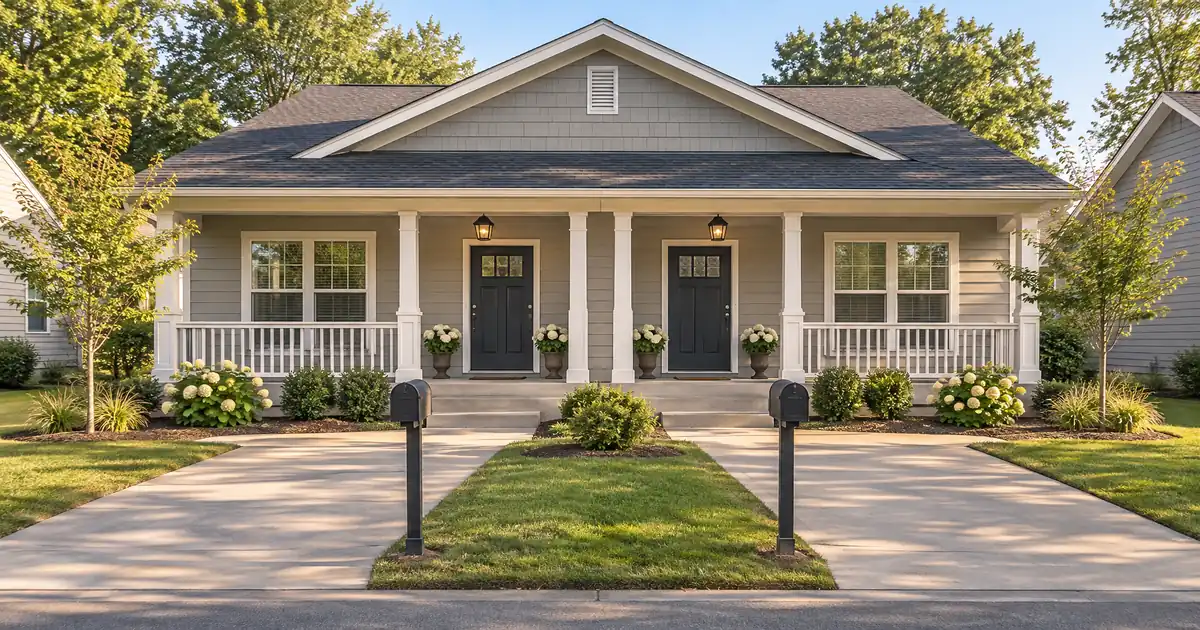
The Quick Read: Neither order is right for everyone, and the choice turns on your paperwork and your cash need. Cash out now fits you if you need the money soon and your own income carries the loan. Filling the unit first fits you if the empty unit is part of how the loan works on paper, or if it needs work before an appraiser sees it. Either way, you must live in the duplex as your home.
Key Takeaways
- An FHA cash-out refinance is for a home you own and live in. On a duplex, that means you occupy one unit.
- The program reaches 80% loan-to-value (LTV) on a home you have owned and occupied for 12 months before the case number is assigned.
- A vacant unit does not disqualify you by itself. How much its rent helps depends on the appraisal and on the lender’s review.
- Leasing the unit first builds a paper trail. It also pushes your cash-out date back.
Side-by-Side
Here is the comparison laid out plainly. “Cash out now” means you apply with the second unit still empty. “Fill first” means you sign a tenant, collect rent, and then apply. Program figures are subject to lender guidelines and full file review, and none of this is a commitment to lend.
FHA cash-out estimate
Seeded with an example value, a balance to match, and a round cash request; change any field.
Editable benchmark: 7.18% as of November 5, 2026 · Freddie Mac 30-year average via FRED®. A conventional market reference, not an FHA cash-out refinance quote.
Illustrative starting assumptions: a $350,000 home value, a $193,000 current balance, the FHA cap on a principal residence with the upfront premium financed, a thirty-year term at the current Freddie Mac benchmark, and property taxes and insurance estimated at typical national rates. Every field is editable.
An illustration, not a Loan Estimate, an approval, a quote, or a commitment to lend. The rate shown is the weekly Freddie Mac thirty-year conventional benchmark, used as a market reference; an FHA cash-out is priced by the lender at lock, and this is not an FHA cash-out refinance quote. HUD’s cap limits the base loan; the upfront premium is financed on top of the capped base loan; the monthly premium for the first year follows the snapshot’s schedule. Cash available means the base loan the cap permits less the balances retired, before closing costs, which this calculator leaves out. The line figure applies the line program’s combined loan-to-value ceiling to the same value and balance. Taxes and insurance are estimates you can edit. Licensed in sixteen states for consumer mortgages.
| Factor | Cash out now (unit vacant) | Fill the unit first |
|---|---|---|
| Maximum leverage | 80% LTV | 80% LTV (same cap) |
| Mortgage insurance | Upfront 1.75% plus annual premium | Same premiums |
| Rent on the empty unit | Appraiser’s market-rent opinion only | Lease plus appraiser’s opinion |
| Documentation | Lighter for the rental side | More: lease, deposit, rent receipts |
| Timing of cash | Sooner | Later, after the tenant is in place |
| Main risk | Rent may count for little | Vacancy can return before you apply |
Two things stay the same in both columns: the leverage cap and the owner-occupancy rule. The real difference is the paper behind the second unit.
How the Two Paths Actually Work
Start with the loan itself. Across the wholesale programs Lendmire places FHA files with, the cash-out refinance replaces your current mortgage with a new, larger one. You receive the difference as cash. The new loan can reach 80% of the appraised value, and that ceiling has to cover the payoff of your old loan, the closing costs, and the cash you take.
Because the cap is a percentage of value, the appraisal matters twice. It sets the value, and on a two-to-four-unit home it also gives a market-rent figure for each unit. That second number is what the vacant unit hangs on.
Path A, cash out now. You are the owner-occupant. You have owned the home and lived in it for the required 12 months. The lender orders an appraisal on the multi-unit form, and the appraiser estimates what each unit would rent for. Your qualifying income is mostly your own. The vacant unit has no lease and no rent history, so it carries the thinnest documentation of any case.
Path B, fill first. You list the unit, sign a tenant, and collect rent. The lender then has a lease and real payments to document. The appraiser’s rent opinion and the lease can support each other. The price of this path is time, and the risk that the tenant leaves before you apply.
What FHA Rules Say About Rent on a Duplex
Rental income on a two-to-four-unit home is real, documented income, not a rough guess. HUD Mortgagee Letter 2023-17 lets a lender consider rent from existing and prospective tenants on a two- to four-unit dwelling. For two or more units, the lender must verify proposed rent with an appraisal that shows fair market rent. Prospective leases are added if you have them.
If you already have a history of rent from the property, the lender documents the existing lease and that history instead. That is why waiting can help. A tenant in place turns an opinion into a paper trail.
Now the honest gap. The letter does not say, in plain words, how much weight a lender gives a vacant unit’s market rent on a cash-out refinance of an owner-occupied duplex. Lenders can differ here. Ask your loan officer this exact question before you decide, and get the answer for your file.
Two more points keep the picture accurate:
- The rent from the unit you live in is not income. Only the unit rented to someone else can help.
- Ask whether the lender will reduce projected rent for vacancy and maintenance, because that would lower the amount counted from the vacant unit.
When FHA Cash-Out Now Is the Better Fit
Cash out now wins when your own income is the main engine of the loan. In that case the vacant unit is a bonus, not a requirement. If your ratios work without it, waiting only delays your cash.
It also fits when the cash need has a deadline. The usual FHA ratio pair is 31/43 (housing costs over income, then all debts over income) with no extra strengths. Documented compensating factors can raise the limits to 40/50 at the top tier, and the lender’s automated underwriting finding is what decides the ratios on a given file. If your file clears those ratios on your own income, you have little reason to delay.
Consider a homeowner who bought a duplex, lived in one unit for well over 12 months, and now wants to pay off high-balance debts. The second unit is empty because the last tenant moved out, and the unit is clean and rent-ready. Their income carries the loan on its own. For this person, signing a new tenant first adds work without changing the answer.
Cash out now also makes sense when the unit has no lease prospects for a while, such as a unit that is being held for a family member. There is no paper trail to build, so there is nothing to wait for.
Before you go ahead, understand what a cash-out does to your budget. The CFPB describes a cash-out refinance as replacing your existing mortgage with a bigger one and taking the difference in cash, and it notes that closing costs often apply. A CFPB guide on using home equity adds that a cash-out can lengthen the time it takes to pay off the mortgage and can raise the monthly payment. It also says lenders typically require you to keep some equity in the home. With an empty unit, remember that the payment continues while no rent comes in.
Mortgage insurance is part of the picture too. FHA charges an upfront premium of 1.75% of the base loan, which is usually financed into the balance. It also charges an annual premium between 0.15% and 0.75% of the balance, depending on term, loan amount, and LTV. On a thirty-year loan at or below 90% LTV, the annual premium ends after eleven years. A cash-out capped at 80% LTV falls under that line.
When Filling the Unit First Is the Better Fit
Filling first wins when the vacant unit matters to your numbers. If your own income leaves your ratios tight, a signed lease and a few rent payments may give the lender something firmer than an appraiser’s estimate. Ask your loan officer whether a lease would change what the lender counts on your file.
It also wins when the unit needs work. An appraiser who walks through a unit with a broken kitchen or missing flooring may report a lower value, a lower market rent, or both. Since your loan amount is a percentage of value, a weak appraisal reduces the equity you can reach. Fixing the unit and renting it can lift both numbers.
Run through a second picture. A homeowner has lived in the duplex for about two years. The upstairs unit has sat empty since a renovation, and the owner wants cash to finish the work. The appraisal would likely show a rent figure that the lender treats cautiously. Here the owner might finish the repairs, lease the unit, and apply once the lease is in hand. The cash comes later, but the file is stronger.
Filling first has its own cost. You carry the empty unit longer. A tenant can leave before you apply, which restarts the clock on your paper trail. And you give up time while your cash need sits unmet. Weigh a short wait against a thinner file, and decide which one costs you more.
Waiting does not change the 12-month ownership and occupancy test. If you are close to that mark, your lease timing and your seasoning clock run side by side. If you have not reached 12 months, cash-out is not open to you yet, and the question answers itself for now.
A Third Option: Skip the Cash
Some owners ask the wrong question. If what you really want is a better loan on the same home, and not cash, FHA offers other refinances. The FHA Streamline refinances an existing FHA loan with no appraisal, a limited credit review, and a net tangible benefit test. The mortgage insurance premium continues. The FHA rate-and-term refinance uses an appraisal and reaches 97.75% on a principal residence you have occupied for the previous twelve months. Neither pays you cash, but neither depends on the vacant unit’s rent the way a tight cash-out might.
What to Gather Before You Decide
A vacant-unit file and a leased-unit file ask for different paperwork. A short list helps you see where you stand:
- If the unit is vacant: proof you live in the duplex, a clear photo record of the unit’s condition, and any listing or marketing record showing it is for rent.
- If the unit is leased: the signed lease, proof of the deposit, and rent receipts or deposits that show payments arriving.
- For both: your own income documents and a current statement on the mortgage you plan to pay off.
Three- and Four-Unit Differences
If your building has three or four units, the rules shift. Those properties add reserves of three months of housing payments after closing, per the same HUD letter. They also bring a separate self-sufficiency test that counts the market rent of all units. A duplex avoids both. If you own a bigger building, treat this article as a starting point and ask your loan officer about those extra steps.
Key Terms Defined
Cash-out refinance: a new, larger mortgage that pays off your old one and gives you the difference in cash.
Market rent: the amount an appraiser estimates a unit would rent for, based on similar nearby units.
Owner-occupant: a borrower who lives in the property as a principal residence.
LTV (loan-to-value): the loan amount divided by the home’s appraised value, shown as a percentage.
Seasoning: the time you must own or occupy a home before a program lets you use it for a certain loan.
Frequently Asked Questions
Can I do an FHA cash-out refinance if one side of my duplex is empty?
It can be possible. An empty unit does not disqualify you by itself, as long as you live in the other unit and meet the 12-month ownership and occupancy test. What changes is how much help the empty unit’s rent gives your file. Lenders can treat a vacant unit’s market rent cautiously, so confirm how yours will handle it.
Do I have to live in the duplex to cash out?
Yes. FHA cash-out is for an owner-occupied principal residence. If you rent out the whole building and live elsewhere, this program is not open to you. Non-occupant co-borrower income also cannot be used to qualify on a cash-out.
Does a signed lease raise the amount of cash I can take?
Not directly. The cash amount comes from the appraised value and the 80% LTV ceiling, less your payoff and costs. A lease can help your qualifying income, which matters if your ratios are tight. It does not raise the value cap. Exact terms depend on the lender’s guidelines, property type, leverage, and a full review of the borrower’s file.
Does leasing the unit change the 12-month clock?
No. The test looks at how long you have owned and occupied the home as your residence. Renting the second unit while you live in the first does not reset that clock. Ask your loan officer to confirm how your occupancy will be documented.
What if the appraiser’s rent figure comes in low?
A low figure reduces what the lender may count from that unit. If your own income still carries the loan, the file may be fine. If not, you may need to wait for a lease at a higher rent, or consider a smaller cash request or a different refinance, depending on lender guidelines.
The Balanced Verdict
Cash out now is the stronger move when your own income carries the loan, the unit is in good shape, and you need the money. The empty unit is then a side issue, and delay only costs you time.
Filling first is the stronger move when the second unit’s rent is part of how your numbers hold together, or when the unit needs repairs that could drag the appraisal down. You trade a later cash date for a firmer file.
Either path can be the right one, depending on your file. The test is simple. Ask your loan officer whether your file works without the vacant unit’s rent. If yes, go now. If it is borderline, a lease may be worth the wait. If the unit needs work, fix it before the appraiser arrives.
If you are weighing a cash-out refinance against keeping the loan you have, Lendmire can help you compare the programs and the equity each one reaches. Program figures are subject to lender guidelines and full file review, and nothing here is a commitment to lend.
For your own numbers, request a scenario review with Lendmire.
About Lendmire
Lendmire, NMLS# 2371349, is a mortgage brokerage with consumer lending licenses in 16 states. FHA, VA, conventional and jumbo purchase and refinance loans are arranged through wholesale lending partners, and each application is reviewed individually by the lender. Scotsman Guide named Lendmire a Top Mortgage Workplace in both 2025 and 2026.
Get Started
Ready to find the right loan for you?
See your offer in seconds. No credit pull, no obligation.
Informational only. Not a Loan Estimate, approval, or commitment to lend. Program availability and eligibility are subject to lender guidelines, credit approval, property review, and underwriting.
References
1. HUD Mortgagee Letter 2023-17
2. CFPB: similar loans to a HELOC
3. CFPB: Using home equity guide
This article is part of Lendmire’s FHA cash-out refinance program — full qualification details, guidelines, and scenarios live on the program page.
Related reading: How to Buy Out Co-Heirs With an FHA Cash-Out on a 2-4 Unit Home You Live In · How an FHA Cash-Out Works When Duplex Rent Offsets a High DTI · How an FHA Cash-Out Works on a Duplex You Live In
Brandon Miller
Founder & CEO, Mortgage Loan Originator, Lendmire LLC
- Mortgage Loan Originator · NMLS# 1129696 · Verify on NMLS Consumer Access
- North Carolina Real Estate Broker · License# 343312 · Verify on NCREC
- North Carolina Insurance Producer · License# 19053198 · Property, Casualty, Life, Health · Verify on NAIC SBS
- Lendmire LLC · Firm NMLS# 2371349 · Verify firm licensure
Legal disclosures. Lendmire (NMLS# 2371349) is a state-licensed mortgage brokerage that arranges financing through wholesale lender relationships. Lendmire is not a direct lender, depository institution, or registered financial advisor. The discussion above is general informational content about real estate financing — it is not financial, legal, or tax advice, and readers should consult licensed professionals for guidance on their individual circumstances. Loan inquiries are subject to lender underwriting; this article does not represent a commitment to lend. Loan terms, rates, and qualification standards vary by borrower, property, and state, and are subject to change at any time. Equal Housing Opportunity. NMLS Consumer Access: nmlsconsumeraccess.org.