
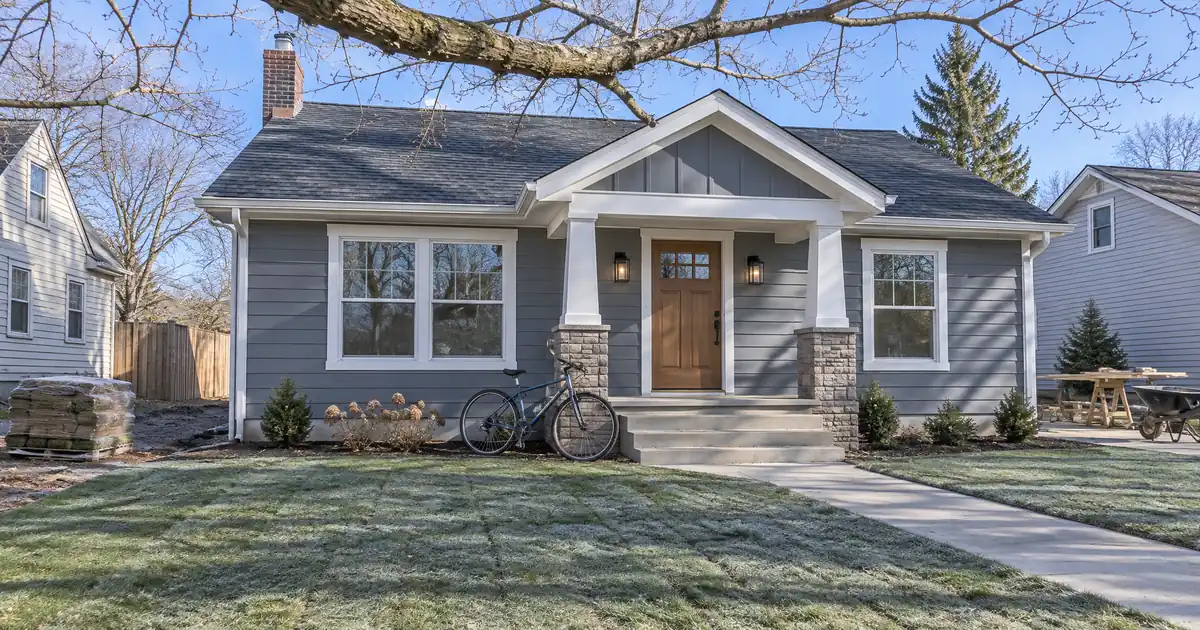
Your rental has equity on paper, and you want to know what you can actually walk away with. The honest answer is a smaller number than the appraisal suggests.
The Quick Read: Usually far less than the equity on paper, because a refinance pays you only the new loan minus your existing payoff and closing costs, while a sale releases all of the equity before selling costs and tax, and ends your ownership.
- Cash out equals the new loan, minus the old loan payoff, minus closing costs. The loan cap is not your cash.
- A new hard money cash-out loan on a rental typically tops out around 65% of value, with 6-18 month interest-only terms. This varies by lender, property, and experience.
- A DSCR cash-out refinance on a standard rental typically tops out around 75% LTV, and 70% on short-term-rental collateral, subject to lender guidelines.
- A sale releases all the equity, less selling costs and any tax, but the property and its upside are gone.
DSCR Cash-Out Calculator
Run the cash-out numbers in your market
Rate source: Freddie Mac 30-yr average via FRED® — Federal Reserve Bank of St. Louis · effective Nov 5, 2026
Prefilled with starting assumptions — enter your property’s value, balance, taxes, and insurance for a more accurate picture.
Program parameters update from Lendmire’s centralized guideline source. Taxes and insurance are editable estimates.
As of Nov 5, 2026 · General Freddie Mac market benchmark, not a Lendmire loan offer. Property value, balance, taxes, and insurance are editable estimates. Maximum loan-to-value varies by lender, program, property type, and seasoning. Not a Loan Estimate, approval, or commitment to lend. Program availability and eligibility are subject to lender guidelines, credit approval, property review, and underwriting.
How Is the Cash Actually Calculated?
The cash you receive is the new loan amount minus what you owe on the old loan minus closing costs. The loan limit is a percentage of the appraised value. Your equity on paper and your cash in hand are two different numbers.
Here is the same property run three ways, using indexed numbers instead of dollars. These are modeled assumptions, not market data. The property appraises at 100, and you owe 70 to a hard money lender. Assume closing costs of about 3 points on a refinance.
| Path | Loan or sale | Minus payoff | Minus costs | Cash to you |
|---|---|---|---|---|
| Hard money refinance (65% of value) | 65 | 70 | 3 | Shortfall |
| DSCR cash-out refinance (75% LTV) | 75 | 70 | 3 | About 2 |
| Sale | 100 | 70 | Selling costs and tax | 30 before costs and tax |
The first row is the lesson. A new hard money loan capped near 65% of value cannot even pay off a balance at 70. It only helps when the existing balance sits well under the cap. The second row shows the usual hard money exit, where a long-term DSCR loan pays off the bridge and a thin sliver comes back to you. The third row releases the most cash, but it also ends your ownership.
Now stress it. Say the appraisal comes in at 94 instead of 100. A 75% DSCR loan is then 70.5, which is less than the 73 you need for payoff plus costs. The small cash-out becomes a shortfall of about 2.5 points that you would have to bring to the table.
Which Product Are You Actually Comparing?
Two products are worth comparing here. The first is a new hard money loan on a property you already own. It is a short-term, asset-based business loan on a non-owner-occupied 1-4 unit property. Cash-out and rate-and-term refinances typically run up to about 65% of value. Terms are 6-18 months, interest-only, with no prepayment penalty. Amounts go up to $5,000,000, and larger by exception. Credit starts around 620, with extra conditions below 660. All of that varies by lender, property, and experience, and none of it is a commitment to lend.
The second is the exit. You use hard money to buy and rehab, then a long-term DSCR loan pays the bridge off. A hard money exit almost always counts as a cash-out refinance on the DSCR side, because the new loan pays off a bridge and may return cash. Lendmire arranges that path through its wholesale network, and the hard money exit refinance page covers the program.
Most investors asking about cash out are choosing between a short bridge and a long-term loan, or between either one and a sale. This article covers all three.
Key Terms Defined
Cash-out refinance: a new loan larger than the one it replaces, with the difference paid to you after costs.
Payoff: the exact balance, with accrued interest, needed to clear the old loan at closing. It is paid through the title company.
LTV (loan-to-value): the loan amount divided by the property’s appraised value.
Seasoning: the waiting period a lender wants after you acquire a property before it will size a cash-out loan on appraised value. In this network it is typically about 6 months from title recording.
DSCR (debt service coverage ratio): monthly rent divided by the full monthly obligation of principal, interest, taxes, insurance, and any HOA dues (PITIA).
Rate-and-term refinance: a refinance that replaces the old loan without returning cash.
Interest-only: a loan structure where you pay only interest during the term, so the balance does not shrink.
Why the 75% Is Not Your Cash
The percentage caps the loan. It does not set your proceeds. Here is what stands between the cap and your wallet, in the order a lender checks it.
Classification. A refinance that covers only the payoff and closing costs is generally treated as rate-and-term. It becomes cash-out the moment money comes back to you. A hard money exit usually lands in the cash-out bucket, so the lower cash-out ceiling applies.
Seasoning. Across most of the network, about 6 months from title recording is the common expectation. Inside that window, the loan is typically sized on what you paid plus documented improvements, not on the new appraisal. That can erase the equity you built through the rehab.
Appraisal. A new appraisal sets the value. The strategy only works if you can borrow on the appraised value rather than on cost. The appraiser may also complete a rent schedule, called Form 1007, or a small-income appraisal for multi-unit properties, called Form 1025. Form 1007 is a long-term lease schedule, so short-term-rental income is supported differently.
Rent coverage. Next the lender tests whether rent covers the payment. A coverage ratio of 1.00 is where many select programs start, and a separate select-lender path takes coverage below 1.00 with leverage and terms adjusted. Stronger ratios open better pricing and leverage. Value and rent are separate tests, and the lower resulting loan amount governs. A property can appraise well and still be limited by thin rent.
Reserves. Reserves are liquid funds the lender wants you to keep after closing. They vary by lender, leverage, loan size, and transaction type. About 6 months of PITIA is common, and loans above $1,500,000 typically step up to about 9 months. Conservative files at modest leverage may see them reduced, subject to lender guidelines.
Payoff through title. The new lender pays the bridge through the title company. What is left after payoff and costs is your cash.
Keep one distinction straight. Clearing a 1.00 coverage ratio does not mean the rental produces positive cash flow. DSCR compares rent to PITIA only. Repairs, vacancy, management, utilities, and capital expenses sit outside the calculation.
What Does a Sale Release Instead?
A sale releases all of the equity, less selling costs and any tax. The refinance releases only part of it, but you keep the property.
| Factor | Cash-out refinance | Sale |
|---|---|---|
| Cash received | Loan minus payoff and costs | Price minus payoff, costs, tax |
| Equity released | Part | All |
| Property and upside | You keep both | Gone |
| Rental income | Continues, with a larger loan | Ends |
| Tax event | Generally not a sale event | Usually triggered |
| Debt after | Higher balance | None |
On the tax side, IRS Publication 544, which covers sales and other dispositions of assets, says depreciation taken or allowable is subtracted from your basis, so a sale of a depreciated rental can include recapture. A refinance is generally not a sale, so it does not trigger that tax the way a sale does, but the tax is deferred, not erased. Tax treatment varies; consult a qualified professional.
A 1031 exchange is a tax-deferral alternative to a plain sale. It carries an IRS statutory 45-day identification period and an 180-day exchange period, as summarized in this Reed Corp tax summary. Those are tax-code deadlines, and they have nothing to do with how a loan funds.
Where the Cash Gets Trapped
Several common situations shrink the check or turn it negative. Each of them is predictable.
A low appraisal. The indexed example above shows the pattern. Value slips a few points, and the whole cash-out can vanish. Investors who plan for this keep a second exit available and leave a cushion in the numbers.
Unfinished seasoning. If you refinance inside the window, the loan is sized on cost plus documented improvements. Your rehab equity stays locked in the property until the clock runs out.
A short bridge term. Hard money runs 6-18 months. A long rehab can burn through that term before the seasoning window ends on the DSCR side. Build the timeline backward from the maturity date, not forward from the purchase.
Thin rent. A bigger loan means a bigger monthly obligation and a lower coverage ratio. The same rent may clear 1.00 at a lower loan amount but miss it at the top of the leverage range. Rent, not value, then sets your proceeds.
A purchase financed with a hard money lien. Delayed financing is an agency idea built for cash buyers. It waives seasoning only, and it generally does not fit a purchase financed with a hard money lien. Cash buyers who use it recover their documented cost, never the after-repair value. A payoff-only refinance may not require the same wait, depending on the lender, but it also returns no cash.
Property type. Manufactured homes (single- and double-wide), log homes, and barndominiums are not offered through the network’s DSCR programs. If your rental is one of those, this exit does not apply.
Short-term rentals. Cash-out on short-term-rental collateral is capped at 70%, against 75% on a standard rental. Expect a credit score of 640 or higher and about 12 months of hosting history. Short-term rental rules can vary by city, county, HOA, and property type, so investors should confirm local rules before relying on projected rental income.
Refinance or Sell? Four Decision Rules
Run the numbers both ways, then apply these rules.
1. Refinance when the property already cash-flows after real expenses, and the cash covers your next move. You keep an appreciating asset and defer the tax event. The smart target is usually the cash you need, not the ceiling.
2. Sell when the cash-out falls short of your goal. If a 75% loan barely clears the payoff, the refinance only trades a bridge for a larger long-term balance.
3. Sell when coverage is thin. If rent only just clears 1.00 at a lower loan amount, the extra payment may leave you with a property that costs you monthly.
4. Sell when you are ready to exit. A refinance extends your commitment. A sale ends it in one transaction.
Thinking out loud: many investors who hold through a refinance do it because the numbers support it, not because refinancing feels safer. A thin-cash refinance adds debt without meaningful liquidity. A better test is whether you would buy this property at today’s value with this loan. If the answer is no, selling deserves a serious look.
What Happens to the Next Round of Deals?
A bigger loan on one rental can fund a down payment on the next one. That works when the first property keeps cash-flowing after the payment steps up. It stops working when the added debt turns the first property into a monthly drain.
Many investors refinance out of hard money into long-term DSCR financing once the property is stabilized. The network’s DSCR loans run on a 30-year fixed spine, and select lenders offer extended terms, interest-only periods, and adjustable structures. Standard loan sizes run up to $3,000,000, and above $2,500,000 the network generally holds to 30-year fixed. The complete DSCR loans guide explains how qualification works across those programs.
A larger down payment on a purchase can lift the ratio, but it never erases leverage caps, credit floors, reserve rules, or property eligibility. The strongest files clear both tests: enough equity and enough rental coverage.
Frequently Asked Questions
Can I pull out 75% of the appraised value as cash?
No. The 75% on a DSCR cash-out refinance of a standard rental is the maximum loan size, not your proceeds. Your cash is that loan minus the old payoff and closing costs. If your existing balance already sits near 75% of value, almost nothing comes back.
Can I refinance right after a hard money purchase using delayed financing?
Generally not. Delayed financing waives seasoning for cash buyers and returns documented cost, not after-repair value. A purchase financed with a hard money lien typically does not fit it. A payoff-only refinance may avoid the same wait, but it returns no cash.
What credit score do I need?
A hard money loan typically starts around 620, with extra conditions below 660. On the DSCR side, a 620 floor exists in parts of the network, most programs want around 660, and 700 or higher unlocks the strongest leverage tiers. Everything is subject to lender guidelines and individual underwriting.
Does a refinance cost less than selling?
Not always. A refinance carries closing costs and a larger balance afterward. A sale carries selling costs and a possible tax event. Compare net cash today against the value of keeping the property, not either cost alone.
What if the appraisal comes in low?
Your loan shrinks with the value. A cash-out can become a shortfall that you cover from your own funds. You can contest the appraisal if the comps support it, and it helps to have more than one exit planned.
If you are buying or refinancing a rental property and want to see how the numbers work, Lendmire can help you compare DSCR loan options based on the property income, credit profile, leverage, and investor goals. Reach the team at 828-256-2183 or request a quote.
About Lendmire
Lendmire (NMLS# 2371349) is a DSCR-focused mortgage broker that helps arrange investor financing across 41 markets, including Washington, D.C., through wholesale and investor-lending channels. DSCR eligibility is generally reviewed by the lender around the property’s rental income rather than personal income documentation, subject to lender guidelines. Scotsman Guide named Lendmire a Top Mortgage Workplace in both 2025 and 2026.
Get Started
Ready to find the right loan for you?
See your offer in seconds. No credit pull, no obligation.
Informational only. Not a Loan Estimate, approval, or commitment to lend. Program availability and eligibility are subject to lender guidelines, credit approval, property review, and underwriting.
References
1. IRS Publication 544 (2021 edition)
2. reedcorp.tax: Publication Sales and Other Dispositions of Assets
This article is part of Lendmire’s hard money loan program — full qualification details, guidelines, and scenarios live on the program page.
Brandon Miller
Founder & CEO, Mortgage Loan Originator, Lendmire LLC
- Mortgage Loan Originator · NMLS# 1129696 · Verify on NMLS Consumer Access
- North Carolina Real Estate Broker · License# 343312 · Verify on NCREC
- North Carolina Insurance Producer · License# 19053198 · Property, Casualty, Life, Health · Verify on NAIC SBS
- Lendmire LLC · Firm NMLS# 2371349 · Verify firm licensure
Disclosure information. Lendmire is a state-licensed mortgage brokerage under NMLS# 2371349. Lendmire is not a depository institution, direct lender, or financial advisor — all loans referenced are placed through wholesale lender partners and are subject to each lender's underwriting standards. This article is provided for general informational purposes and is not a commitment to lend, nor does it constitute financial, legal, or tax advice. Loan programs, terms, rates, and qualification standards change without notice and depend on borrower profile, property type, and the state in which the subject property is located. Equal Housing Opportunity provider. NMLS Consumer Access: nmlsconsumeraccess.org.