
The Quick Read: Big banks rarely write this loan, because a hotel-style building fails their project rules, so the loans that do exist come mostly from specialty and portfolio lenders reached through a wholesale broker, and each one reviews the building and the borrower’s deposits as two separate tests.
- Qualification runs on documented income under the applicable program, subject to lender guidelines.
- On an investment property, cash-out tops out around 75% LTV, and a condotel often lands below that ceiling.
- A primary residence can reach up to 80% LTV on cash-out, and a second home up to 75%.
- The best program for your situation depends on the building, the statements, your credit and how much equity you want to pull.
What Is This Loan, Exactly?
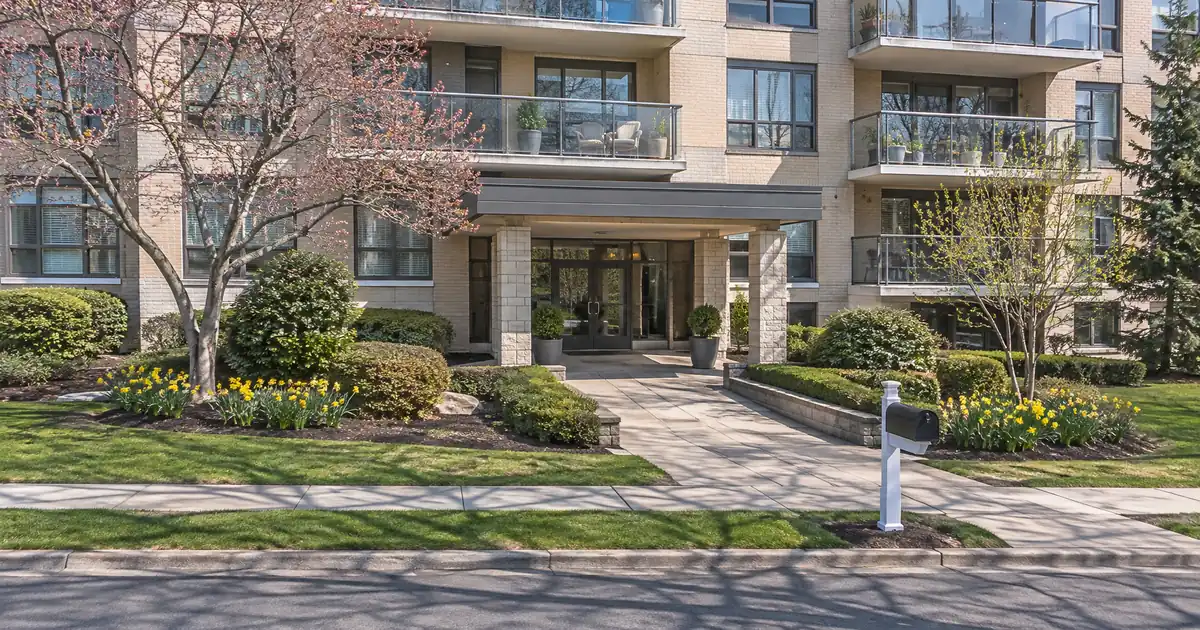
A condotel is a condo unit inside a building run like a hotel. You own the unit, but a front desk and a rental program usually handle the guests. A bank statement cash-out refinance replaces your current mortgage with a larger one and hands you the difference in cash. The lender judges your ability to repay from 12 months of bank statements instead of tax returns.
That combination narrows the field fast. Each piece is manageable on its own.
Do Banks Actually Offer This?
Rarely, and the answer depends on the type of lender. The word “bank” in this search usually means “who will lend on this.” Those lenders are mostly not retail banks. The table below sorts them by type, not by name.
| Lender type | Typical stance on condotels | How you reach it |
|---|---|---|
| Big retail bank | Usually declines the building | Direct application |
| Credit union | Occasionally, on a portfolio basis | Direct, member only |
| Portfolio lender | Reviews case by case | Direct or via broker |
| Wholesale non-QM lender | Writes the loan if the file fits | Through a broker |
The last row is where Lendmire works. Lendmire is a mortgage broker that shops a wholesale network and matches the scenario to a program. It does not lend. The lenders that write this loan depend on the project, the borrower’s deposits and the leverage requested.
Why the Building Is the Harder Test
The building usually decides the outcome before your income does. Agency guidelines treat a project as ineligible when it is managed and operated as a hotel, even with individually owned units. They also flag projects where a resort management company runs short-term rentals for owners. Fannie Mae’s Selling Guide spells this out. That rule does not govern bank statement loans. It explains why most big lenders step aside, since their loans are built to be sold into that system.
Non-QM lenders write their own project rules. They look at the rental program, the owner-use limits and the condo association’s finances. A lender-side post on BiggerPockets names the usual worries: uncertain rental income, operational risk, tourism-driven swings and association problems. Those worries explain why the pool of willing lenders is small.
The building is a separate test from the borrower. A strong borrower can still fail on a weak project. A strong project cannot rescue a thin borrower file.
How Underwriting Treats the File, Step by Step
Across the wholesale network, the order of review is consistent even when the details differ.
1. Project screening. The lender decides whether it will lend on a hotel-operated project at all. It reads the rental program agreement, the owner-use rules and the association documents.
2. Income from deposits. The lender averages eligible deposits across 12 months of statements. Transfers and one-time deposits that are not income get stripped out.
3. The expense factor. Business statements take a lender-specific expense factor, which reduces the usable income. Personal statements are often counted with less or no haircut. Programs differ, so treat any quoted factor as lender-specific.
4. Credit, reserves and equity. The lender checks credit, then reserves, commonly around six months of the housing payment. Then it checks that the requested cash-out fits the leverage ceiling.
5. Appraisal. The appraiser values the unit as a condo, and the report has to address its hotel-style operation. Lenders handle this differently, so ask early how they want it documented.
6. Final review. The lender confirms the project, the borrower and the property all fit its program sheet.
Notice what is missing. The property’s rental income is not the qualifying income here. Your deposits are.
Key Terms Defined
Condotel: A condo unit in a building operated like a hotel, usually with a front desk and a rental program.
Non-warrantable condo: A condo project that falls outside standard agency eligibility rules, often because of how it is operated or funded.
Bank statement loan: A mortgage that qualifies the borrower on documented deposits instead of tax returns, subject to lender guidelines.
Expense factor: The share of business deposits a lender treats as operating cost before it counts the rest as income.
Cash-out refinance: A new, larger mortgage that pays off the old one and returns the difference to the borrower.
DSCR loan: An investor loan that qualifies primarily on property-level rental income covering the payment, subject to lender guidelines.
The Leverage You Can Expect
Leverage depends on occupancy, and the ceilings differ for each use. These are typical ranges from select lenders in the network, not promises.
- Primary residence, cash-out: up to 80% LTV with a fixed expense ratio. An accountant-prepared ratio carries a lower ceiling, around 75%.
- Second home, cash-out: up to 75% LTV, depending on loan size and credit.
- Investment property, cash-out: tops out around 75% LTV.
- Asset-depletion alternative: qualifying from liquid assets runs to about 80% LTV on a primary residence. The exact numbers vary by lender and program and follow a full review of property, leverage, and credit.
Loan amounts generally run from $125,000 to $3,500,000. A condotel often sits below these ceilings, because lenders shave leverage on property they find harder to sell. Investment purchase leverage on bank statement documentation varies by lender, so ask for it file by file. Program details are subject to lender guidelines and individual underwriting, and none of this is a commitment to lend.
Variations: Which Documentation Path Fits?
Bank statements are one of three paths, and each fits a different borrower.
| Path | Best fit | Watch for |
|---|---|---|
| Bank statements | Self-employed, heavy write-offs | Expense factor trims income |
| DSCR | Investors with solid net rent | Condotel rental split lowers rent |
| Asset depletion | Large liquid balances | Primary residence focus |
The condotel rental program changes the DSCR math. Many programs pay owners only a share of room revenue, with the resort keeping the rest. That leaves thin net rent, which is the main reason to consider statements over a DSCR path. A DSCR loan is reviewed primarily on property-level rental income covering the payment, subject to lender guidelines. Select lenders in the network offer programs below a 1.00 coverage ratio, though leverage and terms adjust when they do. Lendmire’s complete DSCR loans guide explains how that path works.
Personal and business statements also produce different results. A borrower with a clean business account and a high expense factor may qualify on a different number than the same borrower’s personal deposits. The only way to know is to run both through a lender’s program.
Where the General Rule Breaks
The general rule is that a condotel needs a specialty lender. Several edge cases bend it.
- The owner uses the unit. A condotel used as a vacation home is a different file from a pure rental. Lender rules on owner use and on second-home treatment change the leverage ceiling.
- The project loses a lender, not just a borrower. A building can pass one lender’s review and fail another’s. A declined file at one program is not a verdict on the building everywhere.
- Exit risk. While the building operates as a hotel, a later refinance into a standard agency loan is generally unavailable. Plan on staying in non-agency financing for as long as you hold the unit.
- Entity ownership. Title in an LLC can change which programs apply, subject to program terms.
- State limits. Some lenders restrict the owner-occupied version of this program to certain states. Consumer-purpose lending through Lendmire covers 16 states, so availability varies by location.
A pre-approval is also not a green light on the building. One investor on BiggerPockets was approved for a loan and then learned it could not be used on a condotel. Ask about the project type before you pay for an appraisal.
Occupancy Decides the Paperwork
Because occupancy sets the rules, you should know which regime your property falls under. An owner-occupied condotel, whether a primary residence or second home, is a consumer mortgage, and consumer disclosure rules, including TRID, apply. A non-owner-occupied rental condotel is business-purpose credit. The CFPB’s Regulation Z overview says credit to acquire or improve non-owner-occupied rental property counts as business purpose, and that business-purpose credit is exempt. For these rentals, including short-term rentals, that exemption means the file is also outside TRID.
This is a purpose test, not a label. Compliance Alliance notes that not every investment property is exempt. If you plan to stay in the unit, say so up front, so the file is built under the correct set of rules.
What the Decision Looks Like in Practice
Picture a self-employed owner of a condotel unit who rents it through the building’s program. Tax returns show modest income after write-offs. Business deposits are strong across the 12 statements. The deposits, after the lender’s expense factor, support the housing payment on a cash-out at a leverage level below the 75% investment ceiling. The unit’s own rent, after the resort’s split, would barely cover the payment, so a DSCR path would look thin. That is the profile where bank statements tend to fit.
Reverse the facts. If the owner’s deposits were uneven but the unit’s net rent covered the payment with room to spare, a DSCR path could be cleaner. The fit depends on the borrower’s profile, not on a rule.
- 12 months of personal or business bank statements.
- A current mortgage statement, or entity documents if an LLC holds title.
- An accountant-prepared expense ratio, if you want a custom factor.
- Condo association documents and the rental program agreement.
- Proof of reserves.
Questions worth asking any lender or broker: Will you lend on a hotel-operated project? What expense factor applies to my statements? What is the cash-out ceiling on this property type? How do you want the appraisal handled? Which reserves apply?
If you are declined, work through the cause. A building decline means a different program. An income decline means testing personal versus business statements, or the asset-depletion path. A leverage decline means taking less cash out.
Also run the numbers on carrying costs before you pull cash. Association dues, replacement fees and the rental program’s split all reduce what the unit really earns. Size the cash-out to the unit’s actual income, not its brochure.
Frequently Asked Questions
Do big banks offer a bank statement cash-out refinance on a condotel?
Almost never. Large retail lenders typically use project rules that exclude hotel-operated buildings, and bank statement documentation is outside their usual programs. Specialty, portfolio and wholesale non-QM lenders are where these loans come from, and a broker can shop several of them.
How much cash can I take out of a condotel?
It depends on occupancy. On an investment property, cash-out tops out around 75% LTV, and a primary residence can reach up to 80%. A second home is up to 75%. Condotels often land below those ceilings, since lenders trim leverage on harder-to-sell property.
Do I need tax returns?
No, the program reviews the file on documented income under the applicable program, subject to lender guidelines. The lender uses 12 months of business or personal statements. You still go through credit review, project review, an appraisal and reserve checks.
Is a bank statement loan better than a DSCR loan for a condotel?
It depends on the numbers. If the resort keeps a large share of room revenue, net rent may be too thin for a DSCR path, and your deposits may tell a stronger story. If net rent covers the payment comfortably, DSCR can be simpler.
Can an LLC hold the condotel?
Often, subject to lender program eligibility. Entity ownership can shift which programs apply and may change the documents needed. Raise it at the start so the file is built correctly.
Next Step
If you are self-employed and want to see how the numbers work, Lendmire can help you compare bank statement loan options based on your deposits, the property, credit profile, leverage, and your goals.
A deeper walk-through of investment-property equity extraction lives in Lendmire’s guide to cash-out refinance on an investment property.
About Lendmire
Lendmire — NMLS# 2371349 — is a mortgage broker that arranges bank statement, P&L-only, 1099-only and asset-based home financing in 16 states through wholesale lenders, on primary residences, second homes and investment properties. Every option is subject to the lender’s guidelines and full underwriting. Scotsman Guide named Lendmire a Top Mortgage Workplace in both 2025 and 2026.
Get Started
Ready to find the right loan for you?
See your offer in seconds. No credit pull, no obligation.
Informational only. Not a Loan Estimate, approval, or commitment to lend. Program availability and eligibility are subject to lender guidelines, credit approval, property review, and underwriting.
References
1. Fannie Mae Selling Guide, Ineligible Projects
2. BiggerPockets, Why condotels are difficult to fund
3. BiggerPockets, Condotel pre-approval thread
4. CFPB, Truth in Lending Act overview
This article is part of Lendmire’s bank statement loan program — full qualification details, guidelines, and scenarios live on the program page.
Brandon Miller
Founder & CEO, Mortgage Loan Originator, Lendmire LLC
- Mortgage Loan Originator · NMLS# 1129696 · Verify on NMLS Consumer Access
- North Carolina Real Estate Broker · License# 343312 · Verify on NCREC
- North Carolina Insurance Producer · License# 19053198 · Property, Casualty, Life, Health · Verify on NAIC SBS
- Lendmire LLC · Firm NMLS# 2371349 · Verify firm licensure
Required disclosures. Lendmire (NMLS# 2371349) operates as a licensed mortgage broker, not a direct lender or depository. The discussion in this article is general in nature and should not be relied upon as financial, legal, or tax advice — every investment scenario is unique and should be reviewed by a qualified professional. Any loan inquiry is subject to lender underwriting, and this article is not a commitment to lend or a guarantee of approval. Mortgage rates, loan terms, and program guidelines vary by borrower, property, and state, and may change without notice. Equal Housing Opportunity. Verify licensure at NMLS Consumer Access.