
The Quick Read: A bank statement cash-out refinance on a condotel works only when the building passes a project review and your 12 months of deposits support the new loan, and the providers that write it are non-QM wholesale lenders reached through a broker, not agency or big-bank channels. No published ranking can tell you which provider is the top fit, because the answer depends on the building, how you hold and use the unit, and what your statements show. Lendmire is a mortgage broker that shops this kind of file across select wholesale lenders.
- A condotel gets two separate reviews: the project first, then your income.
- Qualification runs on documented income under the applicable program, subject to lender guidelines.
- Cash-out leverage depends on how the unit is held, and the ceilings are set out by occupancy in the leverage section below.
- Loan sizes generally run from $125,000 to $3,500,000, with reserves commonly near 6 months of the housing payment.
- Deposit quality matters more than deposit volume.
What Counts as a Condotel?
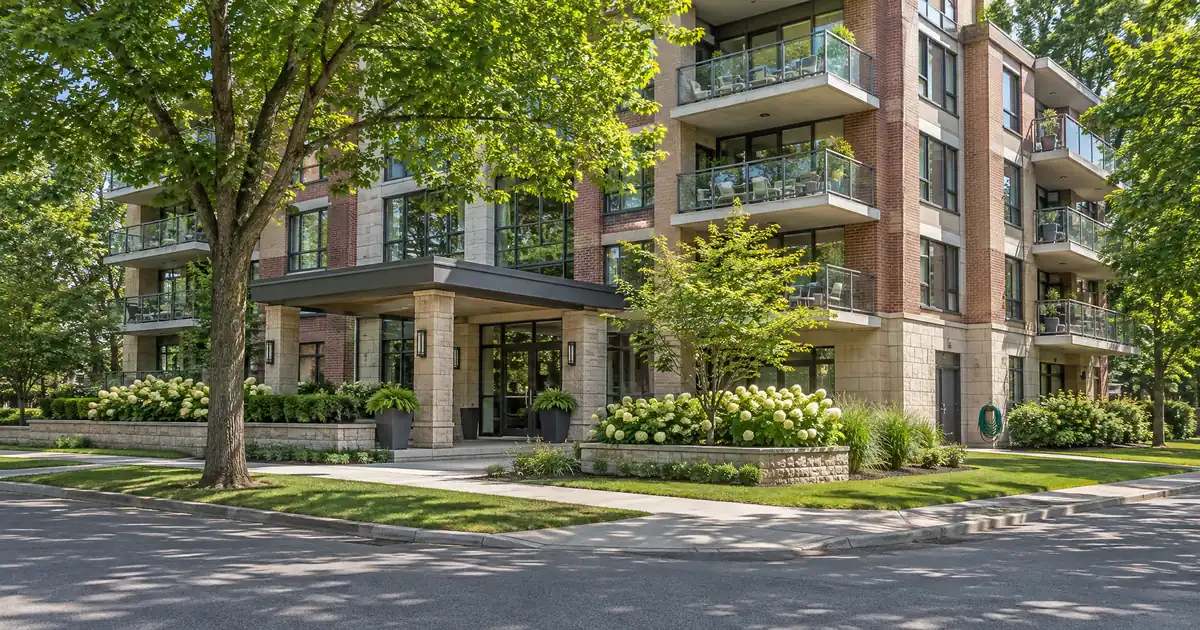
A condotel is an individually owned condominium unit inside a building that operates like a hotel. The front desk, housekeeping and booking are run by a management company. Many owners put their unit into a rental pool, and the operator shares the revenue with them.
The operation is what sets a condotel apart. A resort name on the door does not make a building a condotel. A plain condo with an optional rental program may not be one either.
Lenders look at how the project actually runs. They review the HOA documents, the management agreement and the rental-pool terms. That review is why this loan type sits in the non-QM world, where lenders write loans that fall outside agency boxes. Scotsman Guide notes that non-QM loans are often quality mortgages that simply don’t meet the strict guidelines needed for agency purchase.
How Does Underwriting Treat a Condotel Cash-Out, Step by Step?
Underwriting runs two parallel reviews. One asks whether the project is acceptable. The other asks whether your deposits support the loan. A strong borrower cannot rescue a building the program will not accept. Here is the sequence across most bank statement programs.
1. The building gets classified. The lender asks whether the property is a condotel, whether the rental pool is mandatory or voluntary, and what the HOA questionnaire and management documents show.
2. You pick a documentation path. The standard path uses 12 months of statements, either personal or business. A program sheet may offer a longer window, so follow the sheet for the program you are targeting.
3. Deposits get scrubbed. The underwriter removes anything that is not income. That includes transfers between your own accounts, loan proceeds, refunds and one-time windfalls. Cash from an earlier refinance comes out too.
4. An expense factor is applied to business statements. The lender takes eligible deposits, subtracts an expense factor, and divides by the months reviewed. Each lender sets its own factor. Some programs accept an accountant-prepared ratio instead, and that route carries a lower leverage ceiling on a primary residence.
5. The full payment is tested against that income. The test includes taxes, insurance and HOA dues. Condotel dues tend to run high, as investor discussions on BiggerPockets point out, so this step often decides the file.
6. The loan is sized on the appraisal. Cash-out leverage sits below purchase leverage, covered in the next section.
7. Title, credit and reserves are checked. Reserves commonly run around 6 months of the housing payment. Many programs will not let the cash-out proceeds themselves count toward reserves, so confirm that on the program sheet.
The same statements can produce different income figures at different lenders. The cause is the expense factor and how each underwriter treats deposits. That is a real reason to compare programs instead of taking the first answer.
Why Don’t Agency or Big-Bank Programs Handle This?
Agency programs exclude hotel-operated projects by design. Fannie Mae’s Condo Status Finder says it cannot finance projects that operate as a hotel or motel, or that manage daily or short-term rentals, even when units are individually owned. Freddie Mac’s Guide section 5701.3 lists a condominium hotel or similar transient housing as an ineligible project.
More equity does not change this. The exclusion belongs to the project, not the borrower. Large retail lenders that sell loans to the agencies follow the same limits, which leaves non-QM wholesale lenders as the working channel.
Non-QM does not mean loose. These lenders still have to verify that you can repay the loan. The difference is the documentation method. As Scotsman Guide describes it, bank statement loans let self-employed borrowers qualify on their actual income rather than the tax-return number.
What Leverage Applies on a Cash-Out?
Cash-out ceilings depend on occupancy, and they sit below purchase ceilings. A condotel may be held as a primary residence, a second home or an investment property, so find your own row in the table. Individual lenders may set lower limits on the project itself.
| Occupancy | Cash-out ceiling (typical) | Disclosure regime |
|---|---|---|
| Primary residence, fixed expense ratio | Up to 80% LTV | Consumer mortgage |
| Primary residence, accountant-prepared ratio | Up to 75% LTV | Consumer mortgage |
| Second home | Up to 75% LTV | Consumer mortgage |
| Investment property | Up to 75% LTV | Business-purpose |
Higher figures you may see quoted belong to other transactions. A primary residence can reach 90% LTV on a purchase or rate-and-term refinance, but that ceiling does not apply to cash-out. Investment purchase leverage on bank statement documentation varies by lender. An asset-depletion alternative, which qualifies from liquid assets, can reach about 80% LTV on a primary residence. All of these figures are typical ranges subject to lender guidelines and credit approval.
Occupancy also sets the paperwork. An owner-occupied file, including a second home, is a consumer mortgage, so the Truth in Lending disclosure rules (TRID) apply. A bank statement loan on a non-owner-occupied rental, including a short-term rental, is a business-purpose loan and is exempt from TRID. Which regime fits depends on how the condotel is used, so settle that before choosing a program.
What Does a Cash-Out Look Like Start to Finish?
Run the sequence in percentages. Say an investor owns a condotel held as an investment property, and the current payoff is 50% of appraised value. At the typical 75% ceiling, the maximum new loan is 75% of value. That leaves up to 25 percentage points of value as gross cash-out room, before closing costs and before any reserve requirement. Every figure here varies by lender and program — guidelines, property type, leverage, and credit profile all apply.
Three limits can cap the number, and any one of them can bind first:
- Leverage. The 75% ceiling controls on higher-value units with low existing debt.
- Loan size. Programs generally start around $125,000, so a small unit with a small balance can fall under the floor.
- Cash in hand. If reserves must come from your own funds, the usable proceeds shrink.
Which limit binds depends on the unit. A high-value unit with a small payoff runs into the leverage ceiling. A low-priced unit runs into the loan-size floor. Treat the 25-point figure as a ceiling, not an expectation. The project review, the appraisal and the deposit scrub all come before it.
Bank Statement, DSCR or Full Documentation?
The right path depends on which document tells your story best. Bank statement documentation fits an owner whose deposits are strong but whose tax returns understate cash flow after write-offs. A DSCR loan, which qualifies primarily on property-level rental income covering the payment, subject to lender guidelines, fits an owner whose unit clearly covers its own debt. Select lenders in the network will review DSCR files below 1.00 coverage, but leverage and terms adjust when they do.
| Factor | Bank statement | DSCR | Full documentation |
|---|---|---|---|
| Reviewed on | Deposit-based income | Property rental income | Tax returns and W-2s |
| Best for | Self-employed owners | Investor-held rentals | Salaried borrowers |
| Owner-occupied use | Yes | No | Yes |
| Condotel fit | Depends on the project | Depends on net rent | Rarely, due to the project |
Condotel economics make the choice harder than usual. The operator’s share comes off before the owner is paid. In one BiggerPockets thread on condo hotels, investors describe fees coming off gross revenue before the split. That thin net rent can pull a DSCR number down even when the building itself is acceptable. A bank statement file qualifies the person, so it can step around that problem on an owner-occupied loan.
For the full mechanics of property-rent-based lender review, Lendmire’s complete DSCR loans guide walks through the ratio and the program range. Bank statement documentation is the right tool when your deposits tell the stronger story. Use a DSCR loan when the unit’s own income does.
Where Does the General Rule Break?
Most of the exceptions come from the building and the borrower. These are the named edge cases.
Mandatory versus voluntary rental pool. Some programs treat a mandatory pool, where the owner cannot use the unit freely, as a harder eligibility problem than voluntary participation. Eligibility varies by program. BiggerPockets members describe some resorts that require pool participation and others that allow private management.
Occupancy restrictions. A given building may limit units to second-home or investment use only. That limit decides which row of the leverage table applies.
LLC title. A consumer bank statement loan generally closes in an individual’s name. If the unit sits in an LLC, the file usually points toward a business-purpose program, subject to lender program eligibility. Moving title can affect the program, so check before changing anything.
Commingled accounts. Personal and business deposits in one account make the scrub harder. They can also shrink the income that counts.
Foreign nationals. Many programs are separate for these borrowers, and terms are program-specific.
Loan size. Units priced at the low end can fall below the minimum, while large balances can hit overlays that tighten leverage.
Term structure. Extended terms and interest-only options mostly belong to the DSCR side. Alt-doc terms follow each lender’s program sheet, so describe the term length you want to the broker and ask for the sheet.
How Do You Evaluate Providers Without a Ranked List?
A ranked list of companies cannot tell you much here, because each condotel is its own project. The lenders that write condotel files depend on the building, the occupancy and your documentation. Lendmire is a broker, not a lender, so it matches the scenario to a program instead of selling one product. These are the criteria that separate one provider from another:
- Project acceptance. Does the program accept your type of building, including mandatory rental pools?
- Expense factor treatment. Does the lender use a fixed factor, or accept an accountant-prepared ratio, and what does each route do to leverage?
- Statement window. Does the program use 12 months of statements, and does it accept personal or business accounts?
- Cash-out ceiling for your occupancy. Confirm the figure for your occupancy, not a purchase figure.
- Loan-size range. Check that your balance sits inside the program’s range.
- Reserve rules. Ask how reserves are counted, and whether proceeds can count.
- Footprint. Consumer programs for owner-occupied files are available only in the 16 states where Lendmire’s consumer mortgage operations are licensed. Business-purpose investor loans follow a separate set of markets.
A broker that shops multiple wholesale lenders can run your deposits and your building against several program sheets at once. Fit, not brand, decides the outcome here.
What Documents Should You Prepare?
Bring more than statements. Underwriters need to see both your deposits and your building.
- 12 months of personal or business bank statements, with every page included.
- Explanations for large or unusual deposits.
- A business license or other proof the business exists, if using business statements.
- The most recent mortgage statement, plus the HOA budget and dues.
- The HOA questionnaire, management agreement and rental-pool documents.
- Proof of insurance on the unit and evidence of master policy coverage.
- Title information, including entity documents if an LLC is involved.
- Statements showing reserves, kept separate from the proceeds you expect.
Clean deposit habits help. Keep personal and business accounts separate where you can, and label transfers. The underwriter removes what it cannot trace.
Key Terms Defined
Condotel: A condominium unit in a building run like a hotel, usually with a management company and an optional or required rental pool.
Non-warrantable: A project that agency programs will not purchase, which pushes the loan into non-QM channels.
Rental pool: An arrangement where owners share unit revenue with an operator who manages bookings and upkeep.
Expense factor: The share of business-account deposits a lender treats as operating costs when calculating qualifying income.
Deposit scrub: The step where an underwriter removes transfers, refunds, loan proceeds and one-time items from your statements.
LTV: Loan-to-value, the loan amount divided by the appraised value of the property.
DSCR: Debt service coverage ratio, a property’s rent divided by its full monthly obligation. It qualifies investor loans on property income.
Frequently Asked Questions
Can a condotel be refinanced with a cash-out at all?
Yes, through non-QM programs that accept the project. Agency programs exclude hotel-operated buildings, so the options narrow to wholesale lenders that review condotels one at a time. Eligibility turns on how the building operates, whether the rental pool is mandatory, and how you use the unit. Qualification is subject to lender guidelines and credit approval.
Why is the cash-out ceiling lower than the purchase ceiling?
Cash-out loans take equity out of the property, so lenders hold back more cushion. A primary residence can reach 90% LTV on a purchase or rate-and-term refinance, but cash-out on that same property tops out at 80% or 75%. On a second home or investment property, the cash-out ceiling is typically around 75% LTV. Condotel project overlays can push the figure lower.
Do I need personal bank statements or business statements?
Either can work, depending on how your income flows. Business statements get an expense factor applied before income is counted. Personal statements are reviewed without that step, but deposits still get scrubbed for transfers and non-income items. Which accounts qualify depends on the specific program, and mixed accounts make the review harder.
Can I use the proceeds to buy another rental?
Many borrowers do, since the proceeds are your own equity once the loan funds. The file still has to qualify as a cash-out, and the proceeds generally cannot count toward reserves. Lendmire’s piece Top Bank Statement Cash-Out Refinance Providers to Tap Equity From a Rental Property covers that route in more depth.
Should I choose a bank statement loan or a DSCR loan on a condotel?
Choose bank statement documentation when your deposits are strong and the unit’s net rent after operator fees is thin. Choose DSCR when the unit’s net rent clearly covers the full monthly obligation and the unit is a pure rental. The operator’s revenue share is the number to test first, since it can reduce the rent the lender counts.
What Is the Next Step?
If you are self-employed and want to see how the numbers work, Lendmire can help you compare bank statement loan options based on your deposits, the property, credit profile, leverage, and your goals. Reach the team at 828-256-2183 or request a quote.
A deeper walk-through of investment-property equity extraction lives in Lendmire’s guide to cash-out refinance on an investment property.
About Lendmire
Lendmire — NMLS# 2371349 — is a mortgage broker that arranges bank statement, P&L-only, 1099-only and asset-based home financing in 16 states through wholesale lenders, on primary residences, second homes and investment properties. Every option is subject to the lender’s guidelines and full underwriting. Scotsman Guide named Lendmire a Top Mortgage Workplace in both 2025 and 2026.
Get Started
Ready to find the right loan for you?
See your offer in seconds. No credit pull, no obligation.
Informational only. Not a Loan Estimate, approval, or commitment to lend. Program availability and eligibility are subject to lender guidelines, credit approval, property review, and underwriting.
References
1. Scotsman Guide: Don’t Shut the Door on Quality Borrowers
2. BiggerPockets: Investing in Condotels
3. Fannie Mae Condo Status Finder
4. Freddie Mac Guide Section 5701.3
6. BiggerPockets – Condotel in Maui
This article is part of Lendmire’s bank statement loan program — full qualification details, guidelines, and scenarios live on the program page.
Related reading: Bank Statement Cash-Out Refinance vs Full-Doc Refinance Twice in Twelve Months · Bank Statement Cash-Out Refinance vs Full-Doc Refinance to Build an Emergency Fund · Bank Statement Cash-Out Refinance vs Full-Doc Refinance With No Seasoning Period
Brandon Miller
Founder & CEO, Mortgage Loan Originator, Lendmire LLC
- Mortgage Loan Originator · NMLS# 1129696 · Verify on NMLS Consumer Access
- North Carolina Real Estate Broker · License# 343312 · Verify on NCREC
- North Carolina Insurance Producer · License# 19053198 · Property, Casualty, Life, Health · Verify on NAIC SBS
- Lendmire LLC · Firm NMLS# 2371349 · Verify firm licensure
Important disclosures. Lendmire (NMLS# 2371349) is a licensed mortgage brokerage. Lendmire is not a direct lender, depository institution, or financial advisor. All loan inquiries are subject to lender underwriting; this article does not constitute a commitment to lend. Rates, terms, and program guidelines are subject to change without notice and vary by borrower profile, property type, and state. Information in this article is general in nature and is not financial, legal, or tax advice. Equal Housing Opportunity. NMLS Consumer Access: nmlsconsumeraccess.org.