
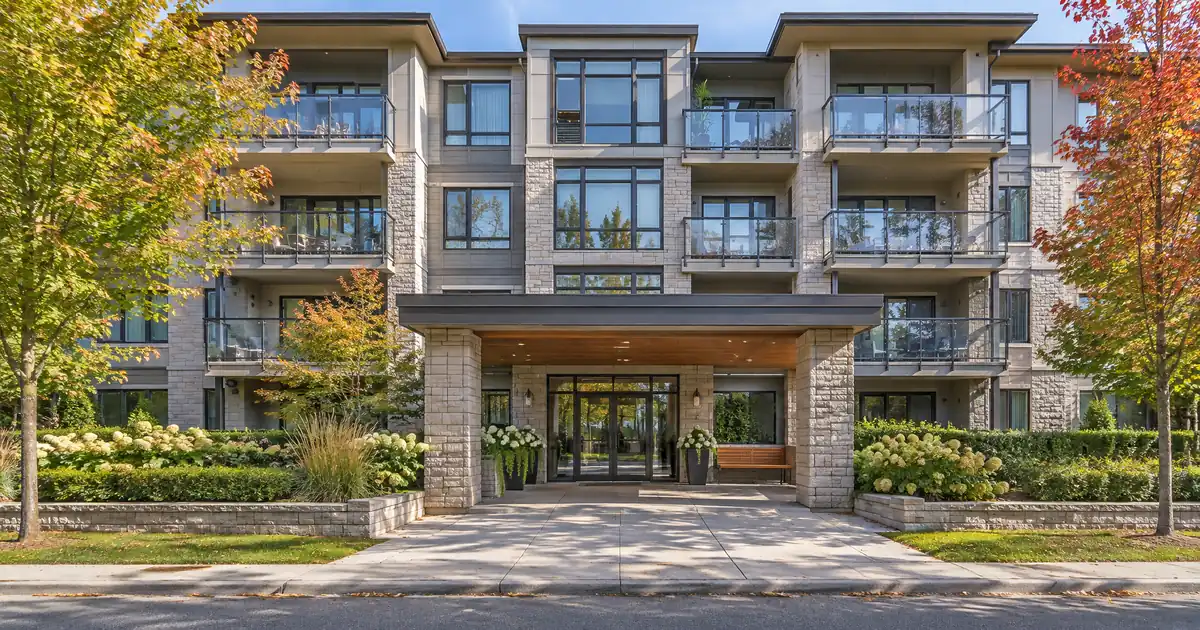
The Quick Read: Usually the lender treats the condo as an investment property, because you do not live there and rent-free use by your daughter satisfies neither the primary-residence nor the second-home test, so it reviews occupancy, title, the condo association, your credit and debt load, and available equity under investment-tier limits. Rent-free use does not create rental income, so the file gets no credit for her living there.
- On this wholesale network, an investment-property line tops out at 70% combined loan-to-value (CLTV), with a 700 minimum credit score and a $500,000 maximum line.
- Title must sit with you personally or in a revocable living trust. An LLC cannot hold title on the line.
- The condo building gets its own review, covering association finances, insurance, and litigation.
- A lease at market rent changes the picture and can open a DSCR cash-out refinance as a different route.
- Subject to lender guidelines, and not a commitment to lend.
How Does a HELOC Lender Classify a Condo Your Daughter Lives In?
The lender classifies it by who lives there, and your daughter’s residence does not count as yours. Lenders sort properties into primary residence, second home, and investment property. The borrower’s own use drives that sorting, while the question of whether rent changes hands does not decide the tier.
How large a line the equity supports.
An equity line is sized by combined loan-to-value, occupancy, and credit — not by rental coverage. Switch the occupancy or the credit band and the ceiling moves with it.
Investment-property lines require a 700 minimum credit score; second-home lines start at a 640 minimum and primary-residence lines at 600, and the combined-LTV ceiling steps down as the credit band drops on primary-residence and second-home lines and holds on investment-property lines; the line cap steps down on primary-residence lines and holds at every tier on investment-property and second-home lines.
A debt-to-income ratio above 45% requires 680+ credit. Profiles under 640 are limited to single-family homes. At least 75% of the approved line is drawn at closing. Ceilings, floors, and caps update from Lendmire’s centralized guideline source.
Line estimate
Illustrative estimate only — not a quote, Loan Estimate, approval, or commitment to lend. The rate is an editable assumption; equity-line pricing is variable through both the draw and repayment periods and never converts to fixed. Occupancy and credit drive the ceiling together: an investment property tops out at 70% combined LTV (minimum credit 700, line cap $500,000); a second home tops out at 90% combined LTV (minimum credit 640, line cap $500,000), with the ceiling stepping down as the credit band drops (the cap holds at every tier); a primary residence tops out at 90% combined LTV (minimum credit 600), and its $750,000 maximum line is available only at 75% combined LTV or below with a 700-or-better credit profile (720 on the longer-runway program) and a full appraisal. Lines above $500,000 require a full appraisal. Credit, debt-to-income, property type, and full underwriting review all affect the final line.
This is lender convention, not a statute. A primary residence is where you live. A second home is a property you occupy for part of the year and keep for your own use. A condo occupied by an adult child while you live elsewhere fits neither description, so the file lands in the investment tier.
| Scenario | Typical classification | Effect on the file |
|---|---|---|
| You live there | Primary residence | Highest leverage tiers |
| You use it part-time, no tenant | Second home | Its own limits, below the top tier except at 720+ |
| Daughter lives there rent-free | Investment | Investment-tier limits, no rent counted |
| Daughter pays market rent on a lease | Investment | Lease supports the file |
| Daughter pays below-market rent | Investment | Rent figure may not count as reliable income |
The tiers matter because the limits differ sharply. On this network, a primary-residence line can reach 90% CLTV, but only at a 720-or-better credit profile and up to a $500,000 line. A second home follows its own table, and its ceiling also reaches 90% CLTV only at a 720-or-better credit profile. An investment property sits at 70% CLTV, and nothing above that exists for it.
What Does the Lender Check, and in What Order?
The review runs in a sequence, and each step can stop the file. Lenders in the network generally work through occupancy, title, the building, the borrower, and then equity.
1. Occupancy declaration. You state who lives in the property. Because you do not, the loan is set up as investment. Disclose the family use accurately. Misstating occupancy on an application is a serious problem, and lenders can test it against insurance records and other documents in the file.
2. Title and vesting. Title must be held by you individually or by a revocable living trust. LLCs, corporations, partnerships, and irrevocable, blind, or land trusts cannot hold title on these lines.
3. Property type. Condominiums are eligible, including non-warrantable condos. Manufactured homes, co-ops, condotels, and log homes are not.
4. Condo project review. The lender typically sends the association or its manager a questionnaire. There is no single national form, so the contents vary from lender to lender.
5. Borrower profile. Credit, debts, and income documents come next. Debt-to-income can run to 50% at most. The line is qualified on the interest-only payment calculated on the maximum draw, not on what you plan to borrow.
6. Equity and valuation. The lender adds the first mortgage and the new line, then divides by the value. Lines at or below $500,000 ordinarily run an automated valuation, though a higher CLTV may call for a second valuation. You can also request a full appraisal.
7. Insurance. Expect to show unit-owner coverage and proof of the association’s master policy.
No step looks at what your daughter earns, and none gives credit for the free housing you provide. The review is about you, the building, and the equity.
Does Rent-Free Use Change the Loan’s Purpose?
It can, because the lender also asks what the money is for. Credit for a rental property you do not occupy is generally treated as business-purpose lending, and business-purpose credit is exempt from many consumer-credit rules under Regulation Z, section 1026.3.
A condo with no rent paid is not clearly a rental, though. For property that is not a rental, Compliance Alliance notes that lenders look at the loan’s purpose rather than how the collateral is classified. Your stated use of the funds therefore carries more weight. Spend the proceeds on the condo itself or on another rental, and the purpose is clear. Spend them on personal expenses, and the file reads differently.
What Do Investment-Tier Terms Look Like?
They are tighter than primary-residence terms, and the credit bar is higher. For an investment-property line across the network:
- The minimum credit score is 700, and the 70% CLTV ceiling applies at both the 700+ and 720+ credit tiers.
- The maximum line is $500,000.
- Lines run from $25,000 up, in first or second lien position.
- Investment lines use a 5-year interest-only draw followed by a 25-year fully amortizing repayment, and no other structure.
- At least 75% of the line is drawn at closing.
- A borrower can hold at most three lines, and a borrower with more than 15 financed properties is not eligible.
- A property listed for sale, or listed within the past 60 days, is ineligible in NC, PA, TN, TX, and WA.
Availability is limited by state. Lendmire’s HELOC programs are limited to 16 full-service states (AL, CA, CO, FL, GA, IN, MI, MT, NM, NC, OH, PA, TN, TX, VA, WA). Its DSCR investor programs run across 41 markets, including Washington, D.C.
Every figure here is subject to lender guidelines and full file review. The sharpest limit for many investors is title: a condo already deeded to an LLC needs a vesting change before it can secure the line, or a DSCR cash-out instead.
Why Does the Condo Building Get Its Own Review?
The lender is lending against shared property, so the health of the association becomes part of the collateral. A struggling association can lower the unit’s value or make it hard to sell. The questionnaire varies, and the usual areas of attention are below.
| Area reviewed | Why it matters |
|---|---|
| Association finances and reserves | Weak funds can lead to special assessments |
| Unit mix of owners and renters | A heavy investor share can change eligibility |
| Master insurance | Gaps leave the building exposed after a loss |
| Pending litigation | Suits can affect value and saleability |
| Delinquent dues | High delinquency strains the budget |
| Rental caps or restrictions | Rules can limit how the unit may be used |
Association rental rules deserve a look even when your daughter pays nothing. A cap on non-owner occupants or a rule on who may live in a unit can matter if the arrangement ever changes. Non-warrantable condos are eligible on this network, which gives buildings with unusual features more room than they would have elsewhere. Eligibility still depends on the individual lender’s review.
Does Her Living There Help or Hurt the File?
Mostly it is neutral, with one drawback. Her occupancy does not raise your leverage or lower your credit requirement, and there is no lease or rent history to count as income. The condo simply reads as an investment property that produces nothing.
The drawback is that nothing offsets your debts. The qualifying payment sits on top of your existing obligations, and your own income has to carry all of it. Debt-to-income can reach 50% at most, and the lender qualifies you on the interest-only payment calculated on the maximum draw.
The tax side is a separate question from the lending side. The IRS treats rent-free use by a relative as personal use, as IRS Publication 527 explains, which is a different test from the lender’s occupancy classification; tax treatment varies, so consult a qualified professional.
What Changes If She Starts Paying Rent?
A written lease at market rent gives the property real income and opens a second financing route. The classification stays investment either way, but the file now has documents the lender can use.
| Factor | Rent-free | Lease at market rent |
|---|---|---|
| Rental income counted | None | Supported by lease |
| Classification | Investment | Investment |
| Borrower is reviewed on | Personal profile | Personal profile or property rent |
| DSCR route | Not usable | Possible |
DSCR measures rent against the full monthly obligation (principal, interest, taxes, insurance, and any HOA dues). With zero rent the ratio is zero, so no coverage-based loan can work. A lease changes that. Lendmire’s complete DSCR loans guide covers how the ratio is built.
Here is what that route looks like on this network:
- Cash-out leverage: cash-out refinances on standard long-term rentals top out around 75% LTV across most of the network, with about 6 months of seasoning as the common expectation.
- Coverage: 1.00 is where many select programs start. A separate select-lender path takes coverage below 1.00, with leverage and terms adjusted.
- Credit: most programs want about 660, and 700+ opens the strongest tiers.
- Title: an LLC-held condo can fit a DSCR loan, subject to lender program eligibility, which is a clear difference from the equity line.
- Cash flow: clearing 1.00 does not mean positive cash flow, because repairs, vacancy, management, and capital costs sit outside the ratio.
Below-market rent is a middle case. A lease at a family discount may be accepted as a document, but the rent figure may not hold up as reliable income. A lender may haircut it or ask for market support.
What Are the Alternatives to a Line on the Daughter’s Condo?
The usual alternatives are borrowing against your own home, refinancing the condo itself, or leasing it first and using a DSCR loan. Which fits depends on your equity, your credit, and where the money is going.
| Route | Collateral | What drives approval |
|---|---|---|
| Line on your primary home | Your residence | Your credit, debts, and equity |
| Line on the condo | Condo (investment tier) | 700+ credit, 70% CLTV ceiling |
| DSCR cash-out | Leased condo | Rent coverage, credit, leverage |
A line on your own primary residence follows the more generous tier. With a 720+ profile, the ceiling is 90% CLTV on lines up to $500,000, and 75% CLTV applies on lines up to $750,000. Whether those fit depends on the equity in your home and your debts. Your stated use of the funds still matters, as noted above, so a clear purpose such as the condo itself or another rental keeps the file simple.
The decision comes down to what the equity is for and whether the condo is ever going to earn rent. If your daughter will live there for years with no rent, the condo is a family asset and not an investment in the lending sense. Borrowing against your own home may be the cleaner path. If a lease is realistic, the DSCR route becomes worth modeling.
A Worked Example in Percentages
Take a condo with a first mortgage balance equal to 50% of its value. At the 70% CLTV investment ceiling, the new line could reach at most 20% of the value, before the $500,000 line cap and every other test.
If the first mortgage sits at 60% of value, only 10% of value is left. If it sits at 70% or more, no room is left at all. Equity therefore matters a great deal here, because the 70% investment ceiling sits well below the 90% a primary residence can reach at a 720-or-better profile. The test is also on combined debt, so a larger first mortgage shrinks the line one for one.
What Documents Should You Gather?
Pulling these together before applying keeps the review orderly:
- A current mortgage statement for the first lien
- Proof of the title vehicle (deed, or trust certification if applicable)
- The unit-owner insurance policy and the association’s master policy
- The most recent association budget and financial statements
- Identification and credit authorization
- Income and debt documentation for you as the borrower
- A written occupancy explanation that matches your application
- A signed lease, if you convert to a rental arrangement
Key Terms Defined
Non-owner-occupied: a property where the borrower does not live, which lenders place in the investment tier.
CLTV (combined loan-to-value): the first mortgage balance plus the new line, divided by the property’s value.
Warrantable condo: a condo project that meets a lender’s standards for association finances, ownership mix, and insurance. A non-warrantable condo falls outside those standards but can still be eligible on this network.
Vesting: the legal form in which title to the property is held, such as an individual or a revocable living trust.
DSCR: the ratio of a property’s monthly rent to its full monthly debt obligation, used to qualify a rental on its own income.
Frequently Asked Questions
Can I get a HELOC on a condo my adult daughter lives in?
Yes, in many cases, but it is reviewed as an investment property. On this network that means a 700 minimum credit score, a 70% CLTV ceiling, and a $500,000 maximum line, with title held by you or a revocable trust. Eligibility depends on the building review, your debts, and your equity, and the program is available in 16 states.
Does it count as a second home if she lives there rent-free?
No, not for lending purposes. A second home is one you occupy yourself for part of the year. A relative’s occupancy does not meet that test, so the condo moves to the investment tier. On this network the investment ceiling is 70% CLTV, and no higher tier exists for it.
Should I tell the lender she lives there?
Yes, and the application should say it accurately. The occupancy declaration drives the classification, and lenders can compare it against insurance and other records in the file. A misstatement can create a serious problem for the loan, so a plain disclosure is the safer path.
What if the condo is owned by my LLC?
The line cannot be written on a property held by an LLC, corporation, partnership, or an irrevocable, blind, or land trust. Title would have to move to you individually or to a revocable living trust. A DSCR cash-out can fit an LLC-held condo, subject to lender program eligibility, but only once the property earns rent.
Would a lease help me qualify?
A lease at market rent helps if you pursue a DSCR loan, because the property’s rent then supports the file. It does not change the equity line’s 70% ceiling, which stays fixed on an investment property, though a documented lease may support a higher appraised value, depending on comps and underwriter review. For a cash-out refinance on a leased rental, most of the network tops out around 75% LTV, with about 6 months of seasoning common. Every figure here varies by lender and program — guidelines, property type, leverage, and credit profile all apply.
Next Step
If you are considering a home equity line and want to see how the numbers work, Lendmire can help you compare HELOC options based on the property, the equity available, credit profile, combined leverage, and your goals. Lendmire is a mortgage broker that matches each scenario to a wholesale lender. You can request a quote or call 828-256-2183. Programs change, and every file is reviewed individually.
About Lendmire
Lendmire, NMLS# 2371349, is a mortgage brokerage that arranges home equity lines of credit through wholesale lending partners in its 16 full-service states. Lines on primary residences, second homes and investment properties are each reviewed individually by the lender under the program’s occupancy, credit and combined-loan-to-value guidelines. Scotsman Guide named Lendmire a Top Mortgage Workplace in both 2025 and 2026.
Get Started
Ready to find the right loan for you?
See your offer in seconds. No credit pull, no obligation.
Informational only. Not a Loan Estimate, approval, or commitment to lend. Program availability and eligibility are subject to lender guidelines, credit approval, property review, and underwriting.
References
1. CFPB Regulation Z, section 1026.3
This article is part of Lendmire’s HELOC & home equity loan program — full qualification details, guidelines, and scenarios live on the program page.
Related reading: What a DSCR HELOC Lender Looks at Before You Move a Rental Into an LLC? · DSCR HELOC Requirements on Little Income · DSCR HELOC Rules Before the Divorce Is Final
Brandon Miller
Founder & CEO, Mortgage Loan Originator, Lendmire LLC
- Mortgage Loan Originator · NMLS# 1129696 · Verify on NMLS Consumer Access
- North Carolina Real Estate Broker · License# 343312 · Verify on NCREC
- North Carolina Insurance Producer · License# 19053198 · Property, Casualty, Life, Health · Verify on NAIC SBS
- Lendmire LLC · Firm NMLS# 2371349 · Verify firm licensure
Important disclosures. Lendmire (NMLS# 2371349) is a licensed mortgage brokerage. Lendmire is not a direct lender, depository institution, or financial advisor. All loan inquiries are subject to lender underwriting; this article does not constitute a commitment to lend. Rates, terms, and program guidelines are subject to change without notice and vary by borrower profile, property type, and state. Information in this article is general in nature and is not financial, legal, or tax advice. Equal Housing Opportunity. NMLS Consumer Access: nmlsconsumeraccess.org.