
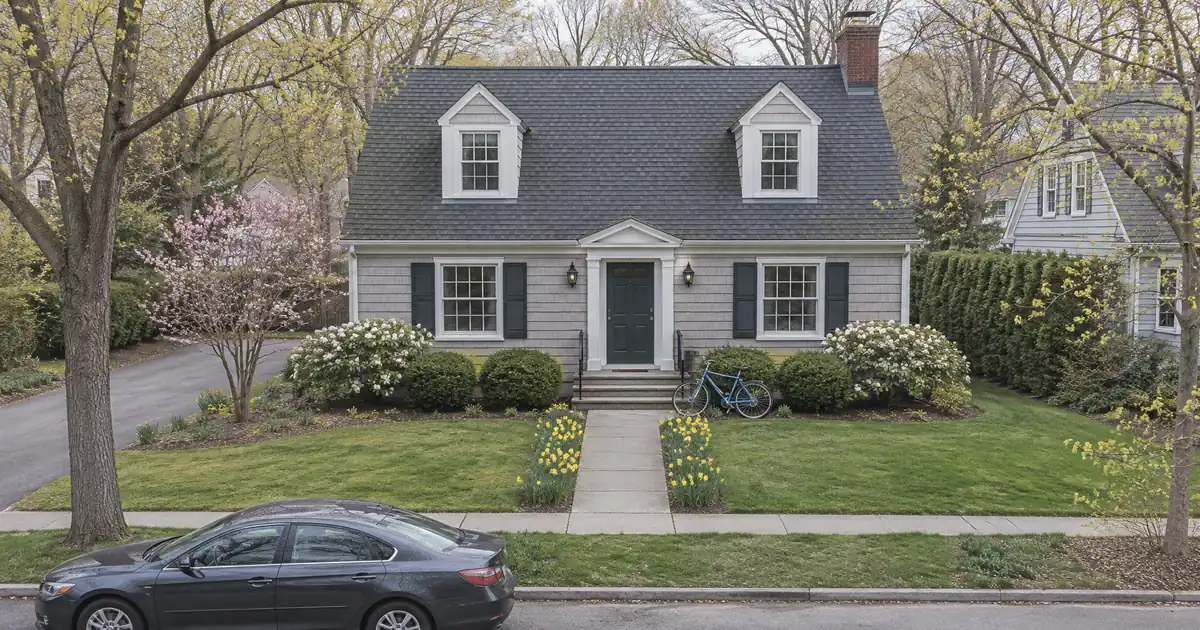
The Quick Read: A home equity line of credit (HELOC) can sit behind your cash savings as a second layer of liquidity. The lenders that write these lines, and the terms they attach, decide whether it behaves like a standby fund or like a loan you take on early. Lendmire is a mortgage broker, not a lender, and it matches your property and credit profile to the wholesale lenders whose programs fit.
- On an investment property, the network’s ceiling is 70% combined loan-to-value (CLTV), with a 700 minimum credit score and a line of up to $500,000.
- On a primary residence or second home, the ceiling reaches 90% CLTV, but only at a 720-or-better credit profile.
- At least 75% of the line is drawn at closing, so these lines are not an untouched standby balance.
- A lender can freeze or shrink an unused line on listed grounds, so the line supplements cash and never replaces it.
- LLC-titled rentals generally cannot hold these lines, because title must sit with the individual or a revocable living trust.
What a Backup HELOC Actually Is
A HELOC is a revolving line secured by your property. Think of the equity as the property’s value minus what you owe on it. The lender sets a limit, and you borrow against it as needed.
How large a line the equity supports.
An equity line is sized by combined loan-to-value, occupancy, and credit — not by rental coverage. Switch the occupancy or the credit band and the ceiling moves with it.
Investment-property lines require a 700 minimum credit score; second-home lines start at a 640 minimum and primary-residence lines at 600, and the combined-LTV ceiling steps down as the credit band drops on primary-residence and second-home lines and holds on investment-property lines; the line cap steps down on primary-residence lines and holds at every tier on investment-property and second-home lines.
A debt-to-income ratio above 45% requires 680+ credit. Profiles under 640 are limited to single-family homes. At least 75% of the approved line is drawn at closing. Ceilings, floors, and caps update from Lendmire’s centralized guideline source.
Line estimate
Illustrative estimate only — not a quote, Loan Estimate, approval, or commitment to lend. The rate is an editable assumption; equity-line pricing is variable through both the draw and repayment periods and never converts to fixed. Occupancy and credit drive the ceiling together: an investment property tops out at 70% combined LTV (minimum credit 700, line cap $500,000); a second home tops out at 90% combined LTV (minimum credit 640, line cap $500,000), with the ceiling stepping down as the credit band drops (the cap holds at every tier); a primary residence tops out at 90% combined LTV (minimum credit 600), and its $750,000 maximum line is available only at 75% combined LTV or below with a 700-or-better credit profile (720 on the longer-runway program) and a full appraisal. Lines above $500,000 require a full appraisal. Credit, debt-to-income, property type, and full underwriting review all affect the final line.
You pay interest only on what you have drawn. The unused part costs little by itself. Repayments restore your available credit, much like a credit card does.
That is the appeal for an emergency fund. You get access to cash without selling a property or refinancing it. For an investor, the cash might cover a roof, a long vacancy, or a gap between tenants.
Here is the catch. The line is debt, not savings. Every dollar you pull is borrowed against a home, and it comes due.
A layered approach is the safer way to think this through. Cash covers the first problem. The line covers a bigger or longer one. A loan you can still get is not the same as money you already hold.
How Lenders Underwrite the Line, Step by Step
Underwriting a HELOC follows a predictable path. Each step can end the conversation, so it helps to know them in order.
1. Collateral and occupancy. The lender first asks which property secures the line and whether you live there. Occupancy is the first fork in the road, because the leverage and credit tiers differ sharply by occupancy.
2. Title and vesting. The property must be held by you personally or by your revocable living trust. This is the sharpest difference from a DSCR loan, which can sit in an LLC subject to lender program eligibility.
3. Credit. Across the wholesale network, the credit floor depends on the property. It is 600 on a primary residence, 640 on a second home, and 700 on an investment property. Housing history and tradelines also get reviewed, and the standards vary by program.
4. Income and debt. The lender caps debt-to-income (DTI) at 50% on most files, and at 45% for credit profiles between 600 and 679. The lender reviews your file on the interest-only payment calculated on the maximum draw. That is stricter than the amount you plan to use.
5. Valuation. Lines at or below $500,000 ordinarily run on an automated valuation instead of a full appraisal. A higher CLTV can trigger a second valuation. Every line above $500,000 needs a full appraisal.
6. Combined leverage. The lender adds your existing first mortgage and the new line and divides by the value. That CLTV number must sit under the tier your credit score unlocks.
Picture an investor with a rental carrying a first mortgage at about 50% of its value. Under the investment ceiling of 70% CLTV, the line can use at most 20 points of value. The 700 credit minimum and the DTI test still apply on top of that.
Once the line is open, the structure matters. Experian describes typical draw periods of five to 10 years followed by a repayment period commonly around 20 years. It also warns that some lines carry a balloon payment, meaning the whole balance comes due when the draw ends.
What the Network Lets You Borrow
The network’s limits depend on the occupancy of the property securing the line. Read your own row and ignore the others.
| Collateral | Top CLTV | Credit floor | Max line |
|---|---|---|---|
| Primary residence | 90% only at 720+ | 600 | $500,000 at 90% CLTV; $750,000 at 75% CLTV, 700+ (720 on the longer-runway program) |
| Second home | 90% only at 720+ | 640 | $500,000 |
| Investment property | 70% | 700 | $500,000 |
Lower credit tiers step the ceiling down on primary residences and second homes. A 700 profile on a primary residence reaches 85% CLTV on lines up to $500,000, for example. A line above $500,000 is for primary residences only.
All of this is subject to lender guidelines and a full file review. Treat the ceilings as eligibility ranges, not promises.
Two draw structures exist across the network’s primary-residence and second-home programs. One is a 3-year interest-only draw followed by a 17-year fully amortizing repayment. The other is a 5-year interest-only draw followed by a 25-year fully amortizing repayment. Investment lines run the 5-year draw and 25-year repayment structure only.
Pricing floats through both the draw and the repayment period and never converts to a fixed figure. When the draw ends and principal payments begin, the monthly obligation can step up. Plan for that before you pull cash.
A borrower may hold up to three lines. Anyone owning more than 15 financed properties is not eligible. The programs are available only in Lendmire’s 16 full-service states: AL, CA, CO, FL, GA, IN, MI, MT, NM, NC, OH, PA, TN, TX, VA, and WA. That is narrower than Lendmire’s 41-market DSCR footprint.
The Features That Make a Line Work as Standby
A broker sees many lenders’ guidelines side by side, and a few features separate a usable standby line from a clumsy one. Ask about each before you apply.
| Feature | Why it matters | What to ask |
|---|---|---|
| Draw at closing | Forces borrowing you may not need | How much must I draw up front? |
| Minimum later draw | Small emergencies may not qualify | What is the smallest draw allowed? |
| Draw length | Sets when payments jump | When does the draw end? |
| Balloon language | Can force a lump-sum payoff | Does the balance come due at draw end? |
| Freeze language | Governs access in a downturn | What lets you stop my draws? |
| Fees to hold the line | Unused lines still cost money | What do I pay if I never draw? |
On this network, at least 75% of the line is drawn at closing. Where a program states a minimum for later draws, it is $1,000. That is a very different product from a bank line with no opening draw.
The practical read is simple. If you want a line that sits at a zero balance until trouble hits, a draw-at-closing product is the wrong fit. If you want a funded reserve against a property you already hold, it can work. In that case you are paying interest on money you may not spend.
Where the General Rule Breaks
Those are the mechanics. The edge cases are where an emergency-fund plan quietly fails.
The lender can cut the line. The CFPB’s official commentary lets a lender stop further advances or reduce the limit only on listed grounds. A significant decline in property value is one. The same commentary lists a material change in your financial circumstances as another. That means a freeze can land when your income is under the most stress.
An open line can therefore shrink in the downturn or vacancy spell you bought it for. Do not count it as money in the bank.
Title kills many rentals. LLCs, corporations, partnerships, and irrevocable, blind, or land trusts cannot hold title on these lines. A rental already deeded to an LLC needs a vesting change first. The other route is a cash-out refinance under a DSCR loan, which qualifies primarily on property-level rental income covering the payment, subject to lender guidelines.
On a standard rental, the network’s cash-out ceiling runs around 75% LTV, and about six months of seasoning is the common expectation. Short-term-rental collateral tops out at 70% on a cash-out. Our complete DSCR loans guide walks through that structure. Terms depend on the lender’s guidelines, the property type, the leverage, and a full review of the credit profile.
Occupancy rules can bite. Renting out a home that secures a primary-residence line may violate the line’s terms, according to the CFPB’s HELOC brochure. Do not open a primary-residence line planning to convert the home to a rental without reading the agreement first. Some investors suggest opening the line before renting. That path conflicts with the written terms, so skip it.
Selling triggers payoff. If you sell the property securing the line, you generally must repay it in full right away. An investor planning to sell should weigh that before opening a line against that property.
Property type can end the file. Manufactured homes, co-ops, condotels, log homes, commercial, mixed-use, and agricultural-zoned properties are not offered. Single-family, 2-4 unit, PUD, townhome, and condominium properties are eligible, including non-warrantable condos.
A property listed for sale is ineligible in several states. A listing within the past 60 days is the typical trigger. Check the status of the property before applying.
Tax treatment can depend on how the funds are used and how the property is held. Keep clear records and speak with a qualified tax professional before relying on any deduction.
Key Terms Defined
Draw period: The stretch when you can borrow against the line and typically pay interest only.
Repayment period: The stretch after the draw ends, when borrowing stops and principal payments begin.
CLTV (combined loan-to-value): Your first mortgage plus the new line, divided by the property’s value.
Freeze: A lender’s decision to stop further advances on an open line, or to reduce its limit.
Balloon payment: A lump-sum payoff that comes due when the draw period ends.
What to Do If the Line Gets Frozen
A freeze plan is worth writing down before you open the line. This sequence is a sensible one to follow:
1. Pull cash first. Your savings are the only layer a lender cannot revoke.
2. Ask the lender in writing why the line was frozen and what would restore it.
3. Check whether the cause is a value drop or a change in your finances, since that tells you whether it can cure.
4. Reduce the drawn balance if you can. Lower combined leverage helps if a value test is the trigger.
5. Line up a second source before you need it, such as a cash-out refinance on a rental that is reviewed on its own rent.
Cash First, Line Second: What the Decision Looks Like
The decision rests on three questions. Do you hold enough cash to cover the first problem without borrowing? Is your title clean enough for these lines? Can your budget absorb the payment when the draw ends?
The line fits best when your credit sits in a higher tier and the property is held personally. It also fits when your cash reserves already exist and the line is a layer behind them. It fits worst when you are using it to replace reserves you have not saved. A line that can be frozen is the wrong foundation for a first-dollar fund.
DSCR loans carry their own reserve expectations, commonly around six months of PITIA, though that varies by lender, leverage, loan size, and transaction type. PITIA means principal, interest, taxes, insurance, and association dues. Whether a line counts toward those reserves is a lender-by-lender question, so ask before you assume.
For a closer look at program choice, Lendmire’s guide Best HELOC Program as a Backup Emergency Fund covers the tradeoffs. The best program depends on your property, credit profile, leverage need, and documentation.
A line is also secured debt. The CFPB notes that if you fall behind, you could lose the home. Read that disclosure line by line.
Next Step
If you are considering a home equity line and want to see how the numbers work, Lendmire can help you compare HELOC options based on the property, the equity available, credit profile, combined leverage, and your goals. Reach the team at 828-256-2183, or request a quote through the mortgage quote page.
Frequently Asked Questions
Can I use a HELOC as my only emergency fund?
No. A lender can freeze or reduce an open line on listed grounds, including a significant drop in value or a material change in your finances. Cash is the only layer that cannot be pulled back. Use the line as a second layer behind savings.
Do I have to draw money when I open the line?
On this network, yes. At least 75% of the line is drawn at closing, so the balance starts high rather than at zero. A line with no opening draw is a different product from a different type of lender. Ask about draw requirements before you apply.
Can I get one on a rental held in an LLC?
Not directly. Title must sit with you personally or with a revocable living trust, subject to lender guidelines. A property deeded to an LLC needs a vesting change first. The alternative is a DSCR cash-out refinance, which qualifies primarily on the rental’s income.
How much can I borrow against a rental?
On an investment property, the ceiling is 70% CLTV with a 700 minimum credit score and a line up to $500,000. That counts your first mortgage plus the new line. Leverage on a primary residence or second home is higher, so make sure you are reading the right row.
What happens when the draw period ends?
Borrowing stops and principal payments begin, so the monthly obligation can rise. Investment lines run a 5-year interest-only draw followed by a 25-year repayment. Some lines in the wider market carry a balloon payoff at draw end, so confirm that in the terms.
About Lendmire
As a mortgage broker (NMLS# 2371349), Lendmire helps homeowners and real estate investors in its 16 full-service states open home equity lines of credit arranged through wholesale lenders. Lendmire is never the lender; line amounts, ceilings and terms are set by the lender under its guidelines. Scotsman Guide named Lendmire a Top Mortgage Workplace in both 2025 and 2026.
Get Started
Ready to find the right loan for you?
See your offer in seconds. No credit pull, no obligation.
Informational only. Not a Loan Estimate, approval, or commitment to lend. Program availability and eligibility are subject to lender guidelines, credit approval, property review, and underwriting.
References
1. Experian
2. CFPB – Official commentary on open-end credit limits
This article is part of Lendmire’s HELOC & home equity loan program — full qualification details, guidelines, and scenarios live on the program page.
Related reading: Best HELOC Program as a Backup Emergency Fund · Top HELOC Providers as a Backup Emergency Fund · Banks That Offer a HELOC as a Backup Emergency Fund · Standby HELOC vs Personal Loan for an Emergency Fund Backup · HELOC vs. 401k Loan for a Saver Who Needs an Emergency Backup
Brandon Miller
Founder & CEO, Mortgage Loan Originator, Lendmire LLC
- Mortgage Loan Originator · NMLS# 1129696 · Verify on NMLS Consumer Access
- North Carolina Real Estate Broker · License# 343312 · Verify on NCREC
- North Carolina Insurance Producer · License# 19053198 · Property, Casualty, Life, Health · Verify on NAIC SBS
- Lendmire LLC · Firm NMLS# 2371349 · Verify firm licensure
Legal disclosures. Lendmire (NMLS# 2371349) is a state-licensed mortgage brokerage that arranges financing through wholesale lender relationships. Lendmire is not a direct lender, depository institution, or registered financial advisor. The discussion above is general informational content about real estate financing — it is not financial, legal, or tax advice, and readers should consult licensed professionals for guidance on their individual circumstances. Loan inquiries are subject to lender underwriting; this article does not represent a commitment to lend. Loan terms, rates, and qualification standards vary by borrower, property, and state, and are subject to change at any time. Equal Housing Opportunity. NMLS Consumer Access: nmlsconsumeraccess.org.