Financing A Second Home In Horseshoe Bay On Bank Statements

Loan sizes on this path run from $300,000 to $30,000,000 through two separate wholesale programs, each with its own leverage ladder.

 Lendmire Research
Loan sizes on this path run from $300,000 to $30,000,000 through two separate wholesale programs, each with its own leverage ladder.
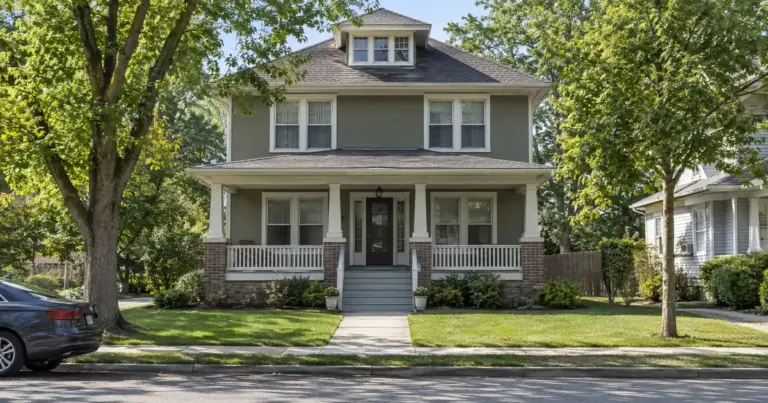
A lender divides eligible assets by a set number of months and adds that number to any other income you have.

Second Home in Middleburg — A second home doesn’t have to be financed off a tax return.

Nothing in this article describes Great Falls, Montana, or any specific city’s rental market.

Leverage steps down and reserve requirements step up as the loan gets bigger.
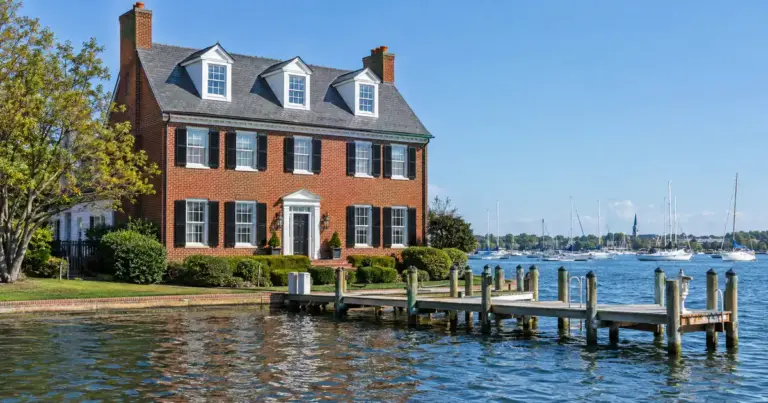
Bank statement programs solve the qualification problem for self-employed buyers by reading 12 or 24 months of deposits instead of a tax return.

Leverage steps down as the loan gets bigger — 90% on a smaller primary-residence file, down to the 55%-65% range once a loan crosses into eight figures.

What actually gates the loan isn’t the documentation type.

If a business owner plans to use the house personally for part of the year, the file usually runs on personal income or bank statements.

The account balances stay untouched — the math is a qualifying convention, not a withdrawal plan.

That choice can move the coverage ratio by a wide margin, and it usually decides how much leverage the file supports.

Underwriting spreads eligible assets across a set number of months and treats the result as income.

Bank-statement and asset-based non-QM programs solve that by qualifying on deposits or liquidity instead of net taxable income.

The mechanics are consistent across lenders even though the exact divisor, haircut, and reserve requirement vary by program.

Lenders divide eligible balances by a set number of months instead of looking at a paycheck.