
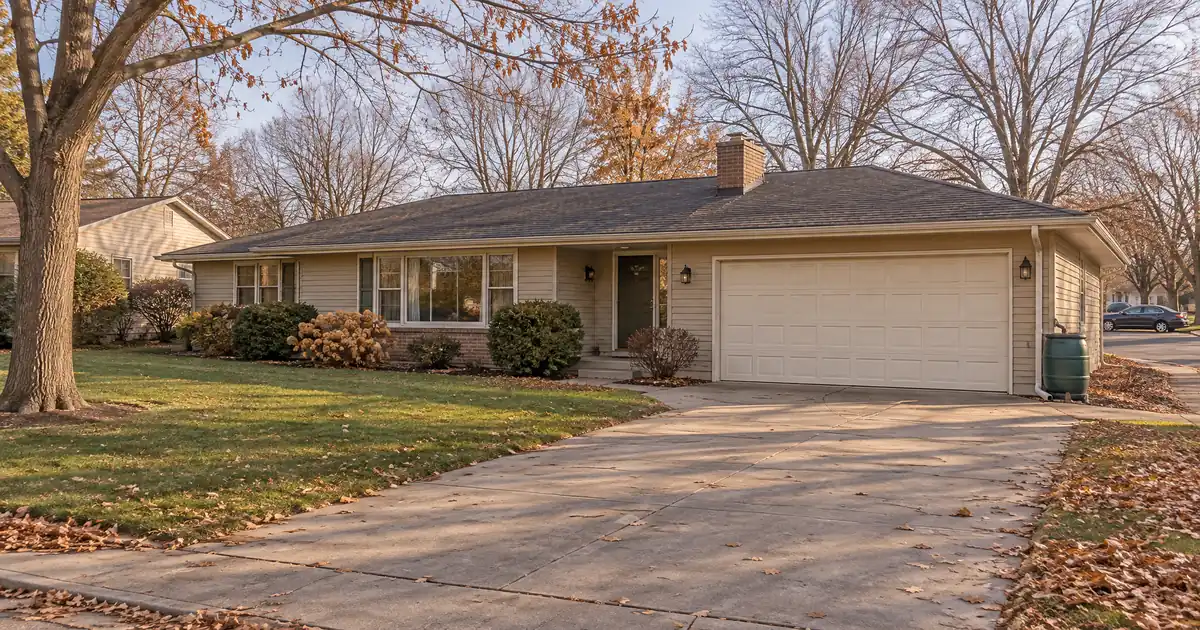
The Quick Read: A bank statement HELOC keeps the inherited first mortgage and adds a line up to $500,000 at 70% CLTV on an investment property, while a bank statement cash-out refinance replaces that mortgage, reaches around 70% LTV on a standard rental, and may allow LLC title, subject to program terms. Final terms depend on the lender’s guidelines, the property type, and the borrower’s complete credit picture.
- The HELOC fits an heir who holds title personally or in a revocable trust and wants to keep an existing first mortgage.
- The cash-out fits an heir who needs a large lump sum, is buying out co-heirs, or wants the property vested in an LLC.
- Neither product closes until title is recorded in the borrower’s name. Letters from probate court are not a deed.
- Both qualify mainly on your deposits and credit, not on the rent. A DSCR cash-out is the property-based alternative.
The line is the narrower tool: it suits a self-employed heir with strong credit, a first mortgage worth keeping, and a capital need under the line cap. The refinance is the broader tool: it handles bigger cash needs, sibling buyouts, and entity title, but it reprices the whole balance. The right choice depends on three facts: how title is held, how much cash you need, and whether the existing first mortgage is worth keeping.
How large a line the equity supports.
An equity line is sized by combined loan-to-value, occupancy, and credit — not by rental coverage. Switch the occupancy or the credit band and the ceiling moves with it.
Investment-property lines require a 700 minimum credit score; second-home lines start at a 640 minimum and primary-residence lines at 600, and the combined-LTV ceiling steps down as the credit band drops on primary-residence and second-home lines and holds on investment-property lines; the line cap steps down on primary-residence lines and holds at every tier on investment-property and second-home lines.
A debt-to-income ratio above 45% requires 680+ credit. Profiles under 640 are limited to single-family homes. At least 75% of the approved line is drawn at closing. Ceilings, floors, and caps update from Lendmire’s centralized guideline source.
Line estimate
Illustrative estimate only — not a quote, Loan Estimate, approval, or commitment to lend. The rate is an editable assumption; equity-line pricing is variable through both the draw and repayment periods and never converts to fixed. Occupancy and credit drive the ceiling together: an investment property tops out at 70% combined LTV (minimum credit 700, line cap $500,000); a second home tops out at 90% combined LTV (minimum credit 640, line cap $500,000), with the ceiling stepping down as the credit band drops (the cap holds at every tier); a primary residence tops out at 90% combined LTV (minimum credit 600), and its $750,000 maximum line is available only at 75% combined LTV or below with a 700-or-better credit profile (720 on the longer-runway program) and a full appraisal. Lines above $500,000 require a full appraisal. Credit, debt-to-income, property type, and full underwriting review all affect the final line.
Side-by-Side
The HELOC column reflects guidelines across the wholesale network Lendmire works with. The cash-out column shows published industry norms, with network ranges where noted. Every figure is subject to lender guidelines and full file review.
| Factor | Bank Statement HELOC | Bank Statement Cash-Out Refi |
|---|---|---|
| Structure | Line behind or ahead of a first mortgage | One new first mortgage replaces the old |
| Investment leverage | 70% CLTV, line up to $500,000 | Around 70% LTV on standard rentals |
| Credit | 700 minimum on investment | Commonly 660+, varies by program |
| Vesting | Individual or revocable trust only | Entity title may be allowed |
| Property types | 1-4 unit, PUD, townhome, condo | Varies; manufactured and log excluded |
| Valuation | Automated valuation common | Full appraisal is the usual norm |
| Reserves | Set by lender file review | Commonly around 6 months of PITIA |
The line is also narrower geographically. The HELOC side runs only in Lendmire’s 16 full-service states, while the broader DSCR footprint spans 41 markets, including Washington, D.C.
Key Terms Defined
CLTV. Combined loan-to-value counts every lien on the property against its value, so an inherited first mortgage eats into a line’s room.
Bank statement income. The lender totals 12 to 24 months of deposits, applies an expense factor, and uses the result as qualifying income instead of tax returns. HousingWire’s non-QM guide describes this as an alternative-documentation option, not a lower standard.
Vesting. Vesting is how title is held: individual, trust, or LLC. It decides which products are open to you.
Seasoning. Seasoning is the waiting period a lender wants after a purchase or prior cash-out. About 6 months is a common expectation for cash-out refinances in the network, and how inheritance is treated varies by lender.
What the Inheritance Changes
An inherited rental changes the order of operations more than the underwriting. Title comes first.
A lender can only take a lien from someone with legal authority over the property. If the house is still in the estate, neither product closes. Executor letters show authority over the estate, not ownership. You need a recorded deed to the heir, trust, or LLC that a title insurer will insure. Probate steps are state-specific, so the title company in the property’s county has the final word on what it accepts.
Documents typically include a death certificate, court letters if probate applies, will or heirship evidence, the existing deed, and any buyout agreement between co-heirs.
Three inheritance quirks come up often:
- Co-heirs. A cash-out can pay out siblings from one closing. A HELOC buyout works only if you hold title individually or in a revocable trust, and the buyout fits under the CLTV ceiling.
- Statement window. Estate payouts or inherited cash passing through your accounts can muddy the deposit review. Lenders generally strip out transfers and non-business deposits, so keep estate money in a separate account.
- Valuation. Both products value the property on a current valuation. Your tax basis does not set the loan amount, and tax treatment varies, so consult a qualified professional.
When the Bank Statement HELOC Is the Better Fit
Choose the line when keeping the existing first mortgage is the point. A cash-out reprices the entire balance. A line leaves the first lien alone and adds capital behind it, or it can sit as a standalone first lien if the property is free and clear.
The investment line has a clear shape across the network. It reaches 70% CLTV for credit of 700 or better, with a $500,000 maximum line. Credit above 700 buys eligibility, not extra leverage. The line generally runs on an automated valuation, and a traditional appraisal is commonly skipped. A borrower can still request a full appraisal. DTI tops out at 50%, and the line is qualified on the interest-only payment calculated on the maximum draw.
The structure is a 5-year interest-only draw followed by a 25-year repayment period. One catch matters for heirs who wanted a standby reserve: at least 75% of the line must be drawn at closing. A HELOC here is not a dormant safety net.
Property eligibility is wide: single-family, 2-4 units, PUD, townhome, and condominium, including non-warrantable condos. Manufactured homes, co-ops, condotels, log homes, commercial, mixed-use, and agricultural-zoned properties are not eligible.
The line fits you when all of these are true:
- Title sits with you personally or in a revocable living trust.
- Your credit profile reaches 700 or better.
- The existing first mortgage has terms worth preserving and allows a second lien.
- The cash need fits under the 70% CLTV ceiling after counting that first mortgage.
An LLC cannot hold title on this line. A rental already deeded to an LLC needs a vesting change first, or a different product.
When the Bank Statement Cash-Out Refinance Is the Better Fit
Choose the refinance when the cash need is big, the title structure is complicated, or the old loan is not worth keeping. One new first mortgage pays off the old loan and any estate or heir structure, then funds the cash. Everything happens in a single closing.
Leverage on a standard rental cash-out varies by program and lender, and the strongest tiers are generally reserved for stronger credit profiles. Loan sizes run up to $3,000,000 on standard programs (smaller balances available through select lenders), and above $2,500,000 the network generally holds to 30-year fixed structures. Credit requirements vary by program, with a 620 floor on some programs and 660 or higher more common elsewhere, and 700 or better unlocks the strongest leverage tiers. Reserves vary by lender, leverage, loan size, and transaction type, commonly around 6 months of PITIA, which is principal, interest, taxes, insurance, and any HOA dues. Larger loans typically step up from there.
The refinance pulls ahead in four situations:
- Sibling buyouts. One closing pays co-heirs and consolidates title.
- Entity title. Vesting the property into an LLC at the refinance, rather than before it, is common practice. Moving a mortgaged rental into an LLC first can trigger the existing loan’s due-on-sale clause. Whether the cash-out allows entity title is subject to program terms.
- A large cash need. The refinance is not bound by the line cap.
- A first mortgage you’d happily retire. If it is already expensive or restrictive, replacing it costs you nothing structurally.
Expect a seasoning conversation. If the heir recently did a cash-out on this property, or the lender counts from a deed recording rather than the date of death, the timing can shift. Ask early which clock the lender uses.
A Worked Heir Scenario
Picture an heir who inherits a duplex, records the deed in a revocable trust, and runs a self-employed contracting business with strong deposits and 700-plus credit. The inherited first mortgage covers about 40% of the property’s value.
On the line, CLTV caps at 70%, so the room is roughly 30 points of value, and the $500,000 cap applies if that amount is lower. The first mortgage stays untouched. That works if the heir wants to fund a renovation.
Now add a sibling who must be bought out and an LLC the heir wants on title. The line can’t hold LLC title, and a buyout of that size may break the CLTV ceiling. The cash-out reaches around 70% LTV on a standard rental, pays the sibling at closing, and may vest title in the LLC, subject to program terms. The tradeoff is that the first mortgage gets replaced. Leverage, reserves, and pricing vary by lender and program; the final terms follow the full file review.
The same property, two different answers. Title and cash need drove the choice, not the income documentation.
Where the Business-Purpose Question Fits
A rental held for investment is generally a business-purpose loan. Consumer ability-to-repay rules, described in the CFPB’s compliance guide, require a good-faith repayment determination on covered consumer mortgages. Freddie Mac’s bulletin lists business-purpose loans among TILA-exempt mortgages. Treat that as context, not a legal conclusion for your file. Lenders still underwrite your ability to repay, which is why bank statement and DSCR lanes exist.
When Neither Fits
Skip both when the numbers are thin. Equity that barely clears the CLTV or LTV ceiling leaves no usable cash. Deposits that swing wildly from month to month produce low qualifying income after the expense factor. A borrower below the credit floors has little to work with, and a property type like a manufactured home is not eligible in these programs.
If your deposits are weak but the rental is strong, a DSCR cash-out may fit better. It qualifies primarily on property-level rental income covering the payment, subject to lender guidelines. Coverage of 1.00 is where select programs start, and a separate select-lender path takes coverage below 1.00 with leverage and terms adjusted. Clearing the ratio does not equal positive cash flow, because repairs, vacancy, and management sit outside the calculation. The complete DSCR loans guide covers the property-based lane in full.
The Verdict
Pick the HELOC when you hold title personally or in a revocable trust, your credit is 700 or better, the first mortgage is worth keeping, and your cash need sits under the line cap. Pick the cash-out refinance when you need more cash, a sibling buyout, or entity title, and you’re comfortable replacing the first mortgage. If your income is hard to document but the rental covers its own payment, price a DSCR cash-out beside both. The best program for your situation depends on the title, the equity, and the credit profile, and a broker who shops several wholesale lenders can test all three paths against one scenario.
Frequently Asked Questions
Can I borrow before probate closes?
Usually not. Both products need recorded, insurable title in the borrower’s name. Letters from the court show you can act for the estate, but a lender needs a deed it can insure against.
Does a bank statement non-QM loan mean subprime lending?
No. Non-QM means the loan falls outside the standard qualified-mortgage box, and bank statement loans swap tax returns for deposit analysis. HousingWire’s non-QM guide makes the same point: it is not careless or unverified lending.
Can an LLC hold title on the HELOC?
No. The investment line requires an individual or a revocable living trust. A rental already in an LLC needs a vesting change first, or a cash-out where entity title is allowed subject to program terms.
Can I take a HELOC and a cash-out on the same inherited rental?
Sequencing matters. A recent cash-out can trigger seasoning questions, and a second lien must fit under the CLTV ceiling and the first mortgage’s terms. If you want both, ask the broker to map the order before you apply.
Is the line available in every state?
No. The investment HELOC is limited to Lendmire’s 16 full-service states. The cash-out side is placed through the wider wholesale network, subject to lender and program eligibility.
Next Step
If you are weighing a home equity line against a cash-out refinance on an inherited rental and want to see how the numbers work, Lendmire can help you compare HELOC options based on the property, the equity available, credit profile, combined leverage, and your goals. Call 828-256-2183 or request a quote. This is not a commitment to lend.
For how equity extraction works on an investment property, see Lendmire’s guide to cash-out refinance on an investment property.
About Lendmire
Lendmire (NMLS# 2371349) is a mortgage broker. Home equity lines of credit — on a primary residence, a second home or an investment property — are arranged through wholesale lenders in Lendmire’s 16 full-service states, and every line is underwritten by the lender under its program guidelines. Scotsman Guide named Lendmire a Top Mortgage Workplace in both 2025 and 2026.
Get Started
Ready to find the right loan for you?
See your offer in seconds. No credit pull, no obligation.
Informational only. Not a Loan Estimate, approval, or commitment to lend. Program availability and eligibility are subject to lender guidelines, credit approval, property review, and underwriting.
References
1. HousingWire, Non-QM loans guide
2. CFPB, Ability-to-Repay and Qualified Mortgage compliance guide
3. Freddie Mac, Guide Bulletin 2021-19
This article is part of Lendmire’s bank statement HELOC program — full qualification details, guidelines, and scenarios live on the program page.
Related reading: Can You Get a Bank Statement HELOC for Buying Another Rental House? · Can You Get a Bank Statement HELOC on My Rental Property? · Does a Bank Statement HELOC Make Sense Above the FHA Cash-Out Cap?
Brandon Miller
Founder & CEO, Mortgage Loan Originator, Lendmire LLC
- Mortgage Loan Originator · NMLS# 1129696 · Verify on NMLS Consumer Access
- North Carolina Real Estate Broker · License# 343312 · Verify on NCREC
- North Carolina Insurance Producer · License# 19053198 · Property, Casualty, Life, Health · Verify on NAIC SBS
- Lendmire LLC · Firm NMLS# 2371349 · Verify firm licensure
Legal disclosures. Lendmire (NMLS# 2371349) is a state-licensed mortgage brokerage that arranges financing through wholesale lender relationships. Lendmire is not a direct lender, depository institution, or registered financial advisor. The discussion above is general informational content about real estate financing — it is not financial, legal, or tax advice, and readers should consult licensed professionals for guidance on their individual circumstances. Loan inquiries are subject to lender underwriting; this article does not represent a commitment to lend. Loan terms, rates, and qualification standards vary by borrower, property, and state, and are subject to change at any time. Equal Housing Opportunity. NMLS Consumer Access: nmlsconsumeraccess.org.