
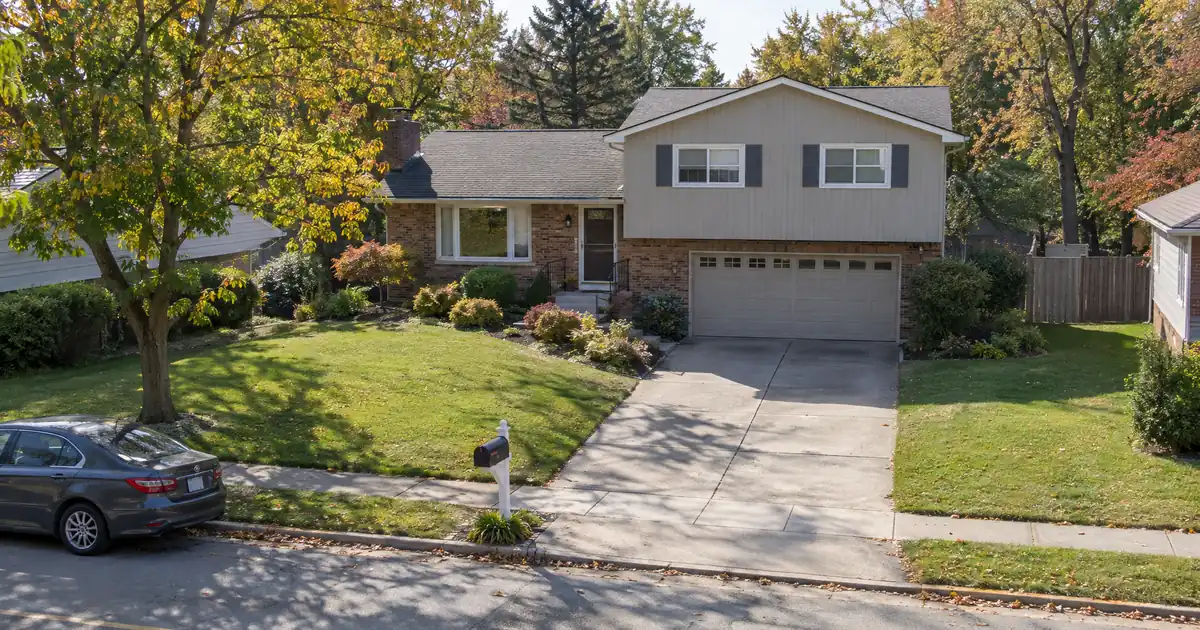
The Quick Read: Your down payment on a bank statement loan comes from two dials: your credit tier and how you will use the property. A stronger score unlocks higher leverage, and a weaker score caps it lower. Moving from a primary home to a second home to a rental usually tightens the ceiling further.
- On a primary residence purchase or rate-and-term refinance, select lenders in Lendmire’s network go up to 90% LTV, and stronger files earn the top of that range.
- LTV (loan-to-value) is the loan divided by the property’s value.
- An owner-occupied cash-out tops out at 80% LTV, and an investment-property cash-out at around 75%.
- Investment purchases on bank statements vary by lender. Investors with strong rent coverage often do better on a DSCR loan.
- Reserves and closing costs sit on top of the down payment. Plan for roughly six months of housing payments in reserve.
All of this is subject to lender guidelines, and every file is underwritten individually.
What your deposits qualify you for.
Alt-doc programs read 12 months of business or personal bank deposits instead of tax returns. Enter your average monthly deposits and see the income a lender would credit you.
The expense factor is set by the lender from your business type and profit-and-loss statement; it is not a number you choose. This widget quotes no rate and no payment.
Program parameters shown update from Lendmire’s centralized guideline source.
Estimate
Illustrative estimate only — not a quote, Loan Estimate, approval, or commitment to lend. Deposit average, expense factor, and housing ratio are editable assumptions; the expense factor a lender applies is set from your business type and documentation. No interest rate or monthly payment is quoted here. Purchase capacity is a simplified illustration and does not account for taxes, insurance, HOA dues, or other debts. Alt-doc income documentation is available on consumer mortgages in the states where Lendmire is licensed for consumer lending; actual terms vary by lender, borrower, and property.
What “By Use” Actually Means
Use means how you will occupy the property, and lenders sort files into three buckets. A primary residence is where you live most of the year. A second home is a personal-use property you occupy part of the year. An investment property is a rental you do not live in, including a short-term rental.
Each bucket gets its own leverage ceiling because the lender’s risk changes with it. People protect the home they live in. A rental is the first payment that gets skipped in a squeeze. That is why leverage usually steps down as you move from the first bucket to the third.
The transaction type matters just as much as the use. A purchase, a rate-and-term refinance, and a cash-out each carry their own ceiling. A figure for one can’t be borrowed for another. If you read a high leverage number online, check which transaction and which occupancy it describes.
How Underwriting Treats a Bank Statement File, Step by Step
Underwriting on this loan is a sequence, and each step can lower your ceiling but none can raise it above the program cap. Here is the order a file actually moves through.
Step 1: Documentation sets the income. The lender reviews 12 months of business or personal bank statements. Qualifying income comes from your average monthly deposits, minus an expense factor that the lender sets. Business accounts get a larger haircut because some deposits cover costs rather than profit. Expense factors differ from one program to the next. That gap can matter more to your loan size than a credit tier does.
Step 2: Credit score places the file in a tier. Most non-QM programs publish a grid. One axis is credit score band and the other is LTV band. A file sitting near the program’s minimum score gets a lower maximum LTV than a file with a strong score. The lender typically prices off the middle of your three bureau scores.
Step 3: Use applies a second cap. Occupancy sets the program ceiling. Your credit tier then decides how close to that ceiling you get.
Step 4: Other layers trim further. Loan size, transaction type, property type, reserves, and recent credit events each have their own limits. Loan amounts across our wholesale network run from roughly $125,000 to $3,500,000. The top leverage tier often applies only up to a certain balance.
Step 5: LTV sets the down payment. Purchase price minus the loan you are allowed equals your cash down. A lower tier means a lower LTV, which means more cash.
Step 6: Pricing moves with the same tiers. Credit and leverage affect cost as well as eligibility. The calculator on this site gives an illustrative estimate, and pricing is never quoted in an article.
The Credit-Tier-by-Use Grid
The grid below shows direction and the network figures that apply to each use. Exact score cutoffs differ by program, so treat the tiers as bands rather than hard numbers.
| Credit tier | Primary residence | Second home | Investment property |
|---|---|---|---|
| Strong | Up to 90% LTV (purchase) | Program-specific, at or below primary | Varies by lender |
| Middle | Mid-range LTV cap | Tighter than primary | Tighter again |
| Near program floor | Lowest LTV cap | Lowest cap, often more reserves | Most cash down |
Cash-out is a separate ceiling, and it never borrows the purchase figure:
| Transaction | Maximum LTV |
|---|---|
| Primary residence purchase or rate-and-term | Up to 90% |
| Owner-occupied cash-out (primary or second home) | Up to 80% |
| Investment-property cash-out | Around 75% |
| Asset-depletion alternative, primary residence | Up to about 80% |
These are typical ranges from select lenders in our network, not commitments. The top of a range generally goes to the strongest files, and loan size can lower it.
Why the Tiers Move
The tiers exist because thin equity and weaker credit are the riskiest combination for a lender, and bank statement loans already carry some extra uncertainty. Income comes from deposit averages instead of traditional personal-income documentation. That makes the lender lean on the factors it can measure cleanly: your score and your equity in the property.
Industry reporting on non-QM lending describes lenders leaning toward higher scores paired with lower LTVs when documentation is lighter. A high score earns room to borrow more. A lower score gets offset with more of your own money in the deal.
Several things can push your cap up or down:
- Help: strong, steady deposits; healthy reserves; a clean recent credit history; a modest loan size.
- Hurt: erratic deposits; large business expense factors; a recent foreclosure or bankruptcy; a jumbo balance; thin reserves.
Across our wholesale network, programs read the same file differently. One lender may approve a mid-tier score with strong reserves and a lower LTV. A stricter overlay can decline the same file. That spread is the reason a broker comparing several programs can change your outcome.
Primary Residence: Where Leverage Peaks
A primary home is the best-case use. The 90% LTV ceiling on a purchase or rate-and-term refinance is reserved for the strongest files, so only a top-tier score gets you close to 10% down. Drop a tier and the cap generally falls, so your required down payment rises point for point with it.
Run the logic on two borrowers buying the same primary home at the same price. Borrower one has a strong score and steady deposits, and qualifies at the top of the ladder. Borrower two has a mid-tier score and a lower cap, so each point the cap drops adds a point to the percentage down. The price is identical, but the cash needed is not. The calculator converts percentages to dollars for your actual price.
There is also an asset-depletion option for borrowers with large liquid balances. It drives lender review on assets instead of deposits and goes up to about 80% LTV on a primary residence. Final terms depend on lender guidelines, property type, leverage, and the borrower’s complete credit picture.
Second Home: The Least Covered Middle Step
A second home usually sits one step below a primary residence. It is still personal use, so lenders treat it more kindly than a rental, but the leverage ceiling generally comes in at or below the primary figure. The exact number depends on the program, so no single figure applies across the board.
For a second-home cash-out, the owner-occupied ceiling is 80% LTV. Gift funds are one question buyers often raise on this use. Lendmire’s piece How to Use Gift Funds for a Second-Home Down Payment on Bank Statements covers what lenders tend to allow.
One caution. Occupancy has to be true. A property you plan to rent out is not a second home, and the file gets reviewed on what it is, not what it is called.
Investment Property: One Step Tighter
An investment property gets the tightest ladder. On a cash-out, the ceiling is around 75% LTV. On a purchase, leverage on bank statement documentation varies by lender, and some programs do not offer it on rentals at all. Check the guidelines before you build a plan around one.
Here is the practical choice. A bank statement loan is reviewed on documented income under the applicable program, subject to lender guidelines. A DSCR loan is reviewed primarily on property-level rental income covering the payment, subject to lender guidelines. DSCR (debt service coverage ratio) is the monthly rent divided by the monthly debt payment. If your personal deposits are strong but the rent barely covers the loan, bank statements may fit. If your personal income is complicated but the rent covers the payment comfortably, DSCR often fits better. Credit tiers still set leverage on both. Lendmire’s complete DSCR loans guide walks through the investor side in detail.
Short-term rentals follow the investment bucket. Short-term rental rules can vary by city, county, HOA, and property type, so investors should confirm local rules before relying on projected rental income.
Cash-Out and Refinance: Same Tiers, Lower Ceilings
A cash-out follows the same tier logic but starts from a lower ceiling. Owner-occupied cash-out goes up to 80% LTV, set by loan size and credit. Investment cash-out tops out around 75%. The top of either range goes to stronger files. Your score still decides how far below the ceiling you land.
If you are pulling equity to fund the next purchase, Lendmire’s article Bank Statement HELOC LLC and Use-of-Funds Rules by Line Size shows how lenders view the money’s purpose. A refinance with no cash out follows purchase-style leverage on a primary residence.
What Happens When You Sit Between Tiers
If your score is just under a cutoff, you have four levers. Each one has a different cost.
1. Raise the score. Paying down revolving balances before you apply can lift a score into the next band. It costs time and some cash, and no outcome is promised.
2. Add reserves. Many programs treat extra reserves as a trade-off for a score gap. It does not work everywhere, and some overlays ignore it.
3. Put more down. This is the surest lever. A lower LTV moves you toward a tier your score already supports.
4. Change lenders. Cutoffs differ by program. A broker can compare grids to find the one that reads your file best.
Which lever is more affordable depends on your situation. A score two points short with ample cash points toward a larger down payment. A score far from the next tier with time on your hands points toward rebuilding first.
Total Cash Needed
The down payment is only one line. Plan for three:
- Down payment: purchase price times the percentage that your tier and use require.
- Reserves: commonly around six months of the housing payment.
- Closing costs: separate from both, and they vary by file.
Most buyers focus on the first line, but the second often surprises them. Reserves are cash you keep, not cash you spend, and lenders want to see them in your accounts.
Occupancy Honesty and How the Rules Differ by Use
The occupancy you declare decides how the loan is documented and disclosed. An owner-occupied file, meaning a primary residence or second home, is a consumer mortgage and carries the full set of consumer disclosures under TRID. A bank statement loan on a non-owner-occupied rental, including a short-term rental, is business-purpose and exempt from TRID. The two never mix on one file.
The underlying rule is the federal ability-to-repay requirement. A CFPB assessment report explains that loans which cannot meet the General QM standard are non-QM and remain subject to those provisions. A Congressional Research Service overview notes the requirement came out of Dodd-Frank. No regulator sets a minimum credit score or a down payment for these loans. Each program sets its own, which is why the tiers above are product-level overlays and not law.
Misstating occupancy to get a higher LTV is a serious problem. If a file is labeled primary but the property is really a rental, the leverage and the disclosure treatment are both wrong.
Tax treatment varies by how the funds are used and how the property is held; consult a qualified professional.
Key Terms Defined
Non-QM loan: a mortgage that falls outside the Qualified Mortgage box, usually because it documents income differently, such as with bank statements.
LTV (loan-to-value): the loan amount divided by the property’s value; 90% LTV means a 10% down payment. These specifics are subject to lender guidelines and a full review of property, leverage, and credit.
Credit tier: a score band that sets how much leverage a program allows.
Expense factor: the share of business deposits a lender subtracts as costs before counting the rest as income.
Reserves: liquid savings you keep after closing, commonly measured in months of housing payments.
Asset depletion: a way to qualify from liquid assets instead of deposits.
Frequently Asked Questions
Can I use a bank statement loan for a rental?
Sometimes. It depends on the program, and not every lender offers it on investment properties. Cash-out on a rental tops out around 75% LTV, and purchase leverage varies. Many investors with solid rent coverage use a DSCR loan instead, subject to lender guidelines.
Does a second home cost more down than a primary residence?
Usually the ceiling is at or below the primary-residence figure, so you should expect to put down the same amount or more. The exact number depends on the program and your credit tier. A second-home cash-out follows the owner-occupied ceiling of 80% LTV.
What if my credit score falls between two tiers?
You are placed in the lower tier, so the lower LTV cap applies. You can raise the score, add reserves, put more down, or look at a program with a different cutoff. Comparing several lenders’ grids is often a more affordable fix.
Does a cash-out refinance follow the same tiers as a purchase?
It follows the same logic but a lower ceiling. Owner-occupied cash-out goes up to 80% LTV and investment cash-out to around 75%. The purchase maximum of 90% applies only to a primary residence purchase or rate-and-term refinance. Terms depend on the lender’s guidelines, the property type, the leverage, and a full review of the credit profile.
Are the numbers the same at every lender?
No. Score cutoffs, expense factors, reserve rules, and loan-size limits differ from one program to the next. The ranges here come from select lenders in Lendmire’s network, and every file is underwritten individually.
Lendmire’s consumer mortgage licensing covers 16 states, and qualification is on documented income under the applicable program, subject to lender guidelines. This is not a commitment to lend.
Lenders fix the down payment at the tier your credit earns, so one of the more affordable ways to reduce the cash you need is to rebuild a few points of score before you apply.
About Lendmire
Lendmire is a DSCR-focused mortgage brokerage, NMLS# 2371349, placing investor loans across 41 markets, including Washington, D.C. DSCR eligibility is generally reviewed by the lender around a property’s rental income rather than personal income documentation, which fits LLC-held rentals, self-employed investors, and portfolios scaling past conventional financed-property limits. Scotsman Guide named Lendmire a Top Mortgage Workplace in both 2025 and 2026.
Get Started
Ready to find the right loan for you?
In about 30 seconds you can review financing options available for your home or investment property. No commitment required.
Informational only. Not a Loan Estimate, approval, or commitment to lend. Program availability and eligibility are subject to lender guidelines, credit approval, property review, and underwriting.
References
1. Congressional Research Service – The Qualified Mortgage Rule and Recent Revisions
2. CFPB: CFPB Ability to Repay Qualified Mortgage Assessment Report
This article is part of Lendmire’s bank statement loan program — full qualification details, guidelines, and scenarios live on the program page.
Related reading: Can You Get a Bank Statement Loan With a Co-Signer? · Can You Get a Bank Statement Loan With Overdrafts on Your Statements? · Can You Get a Bank Statement Loan With 10% Down?
Brandon Miller
Founder & CEO, Mortgage Loan Originator, Lendmire LLC
- Mortgage Loan Originator · NMLS# 1129696 · Verify on NMLS Consumer Access
- North Carolina Real Estate Broker · License# 343312 · Verify on NCREC
- North Carolina Insurance Producer · License# 19053198 · Property, Casualty, Life, Health · Verify on NAIC SBS
- Lendmire LLC · Firm NMLS# 2371349 · Verify firm licensure
Compliance and disclosures. Lendmire (NMLS# 2371349) is a licensed mortgage broker and is not a direct lender, depository institution, financial advisor, or tax professional. Content in this article is general market analysis and educational information — not financial, legal, or tax advice for any specific situation. Lendmire does not guarantee loan approval; every transaction is subject to underwriting by the funding lender. Mortgage pricing and loan program guidelines are subject to change at any time without notice and vary by borrower characteristics, property type, and state regulations. Lendmire complies with Equal Housing Opportunity. Licensure verification: NMLS Consumer Access.