
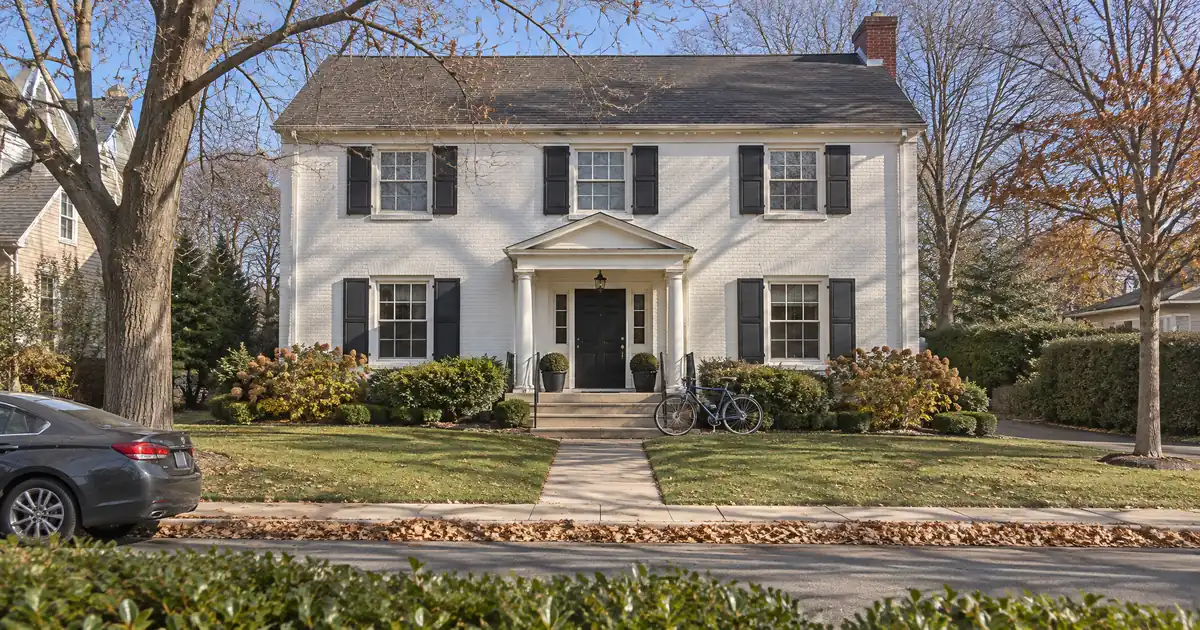
The Quick Read: Some banks offer a home equity line of credit (HELOC) that lets you borrow against a rental to pay off other debt. An interest-only period can reduce what you owe each month without reducing the balance. Ask whether the bank accepts a fully rented property and how repayment changes when that period ends.
- Screen for the rental first. A bank that offers a line on your own home may exclude a property occupied entirely by tenants.
- Check equity and income separately. The wholesale rental program described here starts at a 700 credit score and caps combined borrowing at 70% of the investment property’s value.
- Size the line to the payoff. This program requires you to borrow at least 75% of the approved line at closing. The lender tests your income against the full line.
- Compare both payment periods. Paying off a card with rental equity moves the debt. It also gives the new creditor a claim against your property. Each figure is subject to lender guidelines and a complete review of property type, leverage, and credit.
Key Terms Defined
Equity is the part of the property’s value left after subtracting what you owe against it.
Draw period means the time when you can borrow from the line, pay it down and borrow again under the agreement.
Principal is the amount you borrowed and still owe, apart from interest and fees.
Combined loan-to-value (CLTV) compares all borrowing secured by the property, including the proposed line limit, with the value the lender accepts.
Debt-to-income ratio (DTI) compares your required monthly debt obligations with your verified monthly income before taxes.
Lien means a creditor’s legal claim against the property securing a debt; a first lien has priority over a second lien.
How large a line the equity supports.
An equity line is sized by combined loan-to-value, occupancy, and credit — not by rental coverage. Switch the occupancy or the credit band and the ceiling moves with it.
Investment-property lines require a 700 minimum credit score; second-home lines start at a 640 minimum and primary-residence lines at 600, and the combined-LTV ceiling steps down as the credit band drops on primary-residence and second-home lines and holds on investment-property lines; the line cap steps down on primary-residence lines and holds at every tier on investment-property and second-home lines.
A debt-to-income ratio above 45% requires 680+ credit. On the longer-runway program, profiles under 640 are limited to single-family homes. At least 75% of the approved line is drawn at closing. Ceilings, floors, and caps update from Lendmire’s centralized guideline source.
Rate assumption as of November 23, 2026.
Line estimate
Illustrative estimate only — not a quote, Loan Estimate, approval, or commitment to lend. The rate is an editable assumption; equity-line pricing is variable through both the draw and repayment periods and never converts to fixed. Occupancy and credit drive the ceiling together: an investment property tops out at 70% combined LTV (minimum credit 700, line cap $500,000); a second home tops out at 90% combined LTV (minimum credit 640, line cap $500,000), with the ceiling stepping down as the credit band drops (the cap holds at every tier); a primary residence tops out at 90% combined LTV (minimum credit 600), and its $750,000 maximum line is available only at 75% combined LTV or below with a 700-or-better credit profile (720 on the longer-runway program) and a full appraisal. Lines above $500,000 require a full appraisal. Credit, debt-to-income, property type, and full underwriting review all affect the final line.
Estimate only, not a loan offer or a commitment to lend. The rate is variable and can go up. The payment shown is interest only. Full calculator disclaimer.
Which banks offer a HELOC on a fully rented property?
Look for a program that explicitly accepts non-owner-occupied property. That means you rent the property to others and don’t live there. National banks, regional banks, credit unions and online lenders are all places to ask. The institution’s size tells you less than its written occupancy and debt-payoff rules.
NerdWallet reports limited availability, including restrictions based on location and whether a home is rented year-round. Start with a precise question: “The property is fully rented, and the proposed draw will pay off existing debt. Does your program permit both?” Specify whether the debt is personal or rental-related.
| Where to inquire | What to establish before applying |
|---|---|
| National or regional bank | Does its equity line cover a fully rented home? |
| Credit union | Are you and the rental in its service area? |
| Online lender | Do the displayed terms apply to rental occupancy? |
| Mortgage broker | Which wholesale program fits the deed and payoff? |
Lendmire, LLC (NMLS# 2371349) is a mortgage broker that arranges equity lines through select wholesale lenders in its 16 full-service states. Its separate investor mortgage programs cover 40 states plus Washington, D.C. The wider footprint does not apply to HELOCs. The figures below describe the brokerage’s investment-property line, not every bank’s offer.
How much can you borrow against the rental?
The lender starts with the property’s accepted value, applies its combined borrowing limit, then subtracts the debt already secured by the property. What remains is the room for a line, not a promise to lend that amount. Your income, credit and the program’s separate line limit can reduce it further.
Under these wholesale guidelines, an investment-property HELOC requires a credit score of at least 700. The ceiling is 70% CLTV on the investment property, with a maximum line of $500,000. A score of 720 or higher does not raise that rental-property ceiling. State-specific limits can reduce the room available.
The distinction matters if you already have a mortgage. The 70% investment-property limit includes that mortgage; it isn’t an additional amount you can borrow on top. If the existing mortgage already uses the full allowance, strong income won’t create room for a second lien.
The lender ordinarily starts with an automated valuation, a computer estimate based on property data. Because an investment line cannot exceed $500,000, and full appraisals are required only above that amount, a rental line commonly closes without a traditional appraisal. A second valuation or a full appraisal may still be needed if the estimate doesn’t support a reliable value. You can also request a full appraisal.
How does the lender qualify you and handle the payoff?
The lender evaluates both the rental and the person promising to repay. Rent can support your application, but the lender also checks your income, housing history and debts. A rental with substantial equity can pass the property test while the proposed line is too large for your personal income.
1. Identify the property and its owner. Provide the deed, current mortgage statement, property type and occupancy. Disclose any other liens on the property. The lender checks whether the property and ownership structure fit before relying on the equity.
2. Verify your income. The program starts with an electronic payroll match or an account connection you authorize. Self-employed borrowers can use eligible deposit records. If electronic verification doesn’t resolve the file, the lender can request income documents. A lease or filed return can support rental income.
3. Check credit and obligations. The lender reviews the primary wage earner’s score and housing history across financed properties. Prepare current card statements, a list of other loans and records of available cash. Ask what reserves, meaning money kept available after the transaction, the lender needs documented.
4. Test the full line. The rental program generally limits DTI to 50%. The lender includes an interest-only obligation calculated on the maximum draw, even if you intend to use less. A preliminary credit check doesn’t replace the full credit and property review.
5. Document which accounts will be paid. A card balance paid at closing can have its required payment excluded from the ratio under this program. Give the lender the payoff details and confirm how the creditor will receive the funds. A plan to pay the card later isn’t the same thing.
One useful broker check is to put the proposed line limit beside the actual payoff list. Because the lender counts the full line and requires a substantial initial draw, asking for extra capacity has two costs. It can increase the qualifying obligation and leave you borrowing money you didn’t need.
What happens when the interest-only period ends?
For a rental line behind an existing mortgage, the network structure generally provides a five-year interest-only draw followed by 25 years of repayment. Tennessee shortens that repayment period to ten years. During repayment, new draws stop and the required installments cover both principal and interest. Borrowing costs can change during either phase; this program has no fixed conversion.
The Consumer Financial Protection Bureau distinguishes the borrowing period from repayment and notes that some HELOCs offer a fixed option. That option is a feature to check in a particular agreement, not something to assume your rental line includes.
Picture a landlord paying off cards used for rental repairs. Assume the initial draw covers the payoff balances and the landlord makes no further draws. Compare what happens under two repayment choices:
| Stage | Pay only the required minimum | Keep paying down principal |
|---|---|---|
| Draw period | Borrowed balance stays intact | Extra payments reduce the balance |
| Repayment period | Installments must repay the full draw | Less principal remains to repay |
The payment jump comes from the change at the end of the draw period. Once repayment begins, the required installment covers principal as well as interest, so it is higher than the interest-only payment on the same balance, even if borrowing costs don’t change. Extra principal paid earlier leaves less to repay. Ask for a written illustration using the balance you expect to carry, not just the opening minimum.
A vacancy makes the distinction concrete. Rent can stop while both the first mortgage and the line remain due. If the plan requires uninterrupted bookings just to cover interest, it leaves no clear source for principal repayment. And if you sell, the line generally must be paid off, as the Consumer Financial Protection Bureau’s HELOC booklet explains. Check ongoing fees even if you expect to leave part of the line unused.
When does a different payoff structure fit better?
A rental HELOC makes sense to compare when you want to keep the first mortgage, can document enough personal income and have a reason to borrow again. If you know the exact debt balance and don’t need another draw, compare a lump-sum loan. If protecting the rental matters most, compare unsecured borrowing first.
| Structure | What changes | Main tradeoff |
|---|---|---|
| Rental HELOC | Adds borrowing against the rental | Flexible draws; later principal repayment |
| Home equity loan | Provides one secured lump sum | No redraw; principal repayment can start now |
| Cash-out refinance | Replaces the existing first mortgage | Changes terms on the whole mortgage |
| Unsecured consolidation loan | Combines debt without a property lien | No rental collateral; compare total cost |
A cash-out refinance replaces the existing mortgage with a larger loan and releases part of the equity. For eligible investment uses, a debt service coverage ratio (DSCR) loan is reviewed primarily on property-level rental income covering the payment, subject to lender guidelines. The ratio compares rent with principal, interest, property taxes, insurance and applicable association dues. It doesn’t subtract vacancies or repairs.
That distinction can matter if personal DTI is the obstacle, but the proposed use still matters. A business-purpose loan finances an investment or business need; don’t assume it permits personal card consolidation simply because a rental secures it. The complete DSCR loans guide explains how lenders review this alternative.
Keep the payoff statements and identify which charges funded rental work versus personal spending.
Frequently Asked Questions
Can a duplex or a short-term rental secure the line?
Two- to four-unit residential rentals are eligible property types under the investment program. For a short-term rental, describe how it operates and ask what income records the lender will accept. A residential condo is distinct from a condo operated as a hotel; the latter is not eligible.
What if a limited liability company owns the rental?
This HELOC requires title in an individual borrower’s name or an eligible revocable living trust. A limited liability company cannot hold title under the program. If keeping the deed unchanged matters, a lender can review a DSCR cash-out refinance for an eligible investment purpose, subject to lender program eligibility.
Can you get the interest-only draw on a rental you own outright?
Ask the lender before assuming so. The investment line is a standalone line that can sit in first or second position, and the five-year interest-only draw is described for a line behind an existing mortgage. For a mortgage-free rental, ask how the draw and repayment periods would be structured, since the opening payment may differ from a rental with an eligible first mortgage still in place.
Could opening the line affect your next rental purchase?
Yes. The new line creates an obligation that a future lender may count, even after the old card balances are gone. If another purchase is planned, ask that lender how it would treat the open line and what proof it needs that the cards were paid.
What if you start using the paid-off cards again?
You can end up with card debt and a lien on the rental. Remove recurring charges you can’t cover from income, and decide how much you’ll put toward principal before making the draw. If new card borrowing is what keeps the budget balanced, moving the old balance doesn’t solve the shortfall.
What should you ask for before committing?
Request a comparison built around the same payoff amount. Ask each provider to identify the required initial draw, ongoing fees, repayment schedule and balance remaining when interest-only payments end. Compare how much debt you would still owe at the point you expect to sell or refinance. A smaller opening obligation isn’t necessarily a lower total cost.
To compare options through Lendmire, call 828-256-2183 or request a financing quote. Bring the mortgage statement, deed, payoff list and income details so the broker can match the request to current lender guidelines. The deciding question isn’t just whether the line lowers this month’s bills. It’s whether you have a workable plan to repay the debt now secured by your rental.
About Lendmire
As a mortgage broker (NMLS# 2371349), Lendmire, LLC helps homeowners and real estate investors in its 16 full-service states open home equity lines of credit arranged through wholesale lenders. Lendmire is never the lender; line amounts, ceilings and terms are set by the lender under its guidelines. Scotsman Guide named Lendmire a Top Mortgage Workplace in both 2025 and 2026.
Get Started
Ready to find the right loan for you?
See your offer in seconds. No credit pull, no obligation.
Informational only. Not a Loan Estimate, approval, or commitment to lend. Program availability and eligibility are subject to lender guidelines, credit approval, property review, and underwriting.
References
1. NerdWallet
2. Consumer Financial Protection Bureau
3. Consumer Financial Protection Bureau — What You Should Know About Home Equity Lines of Credit
This article is part of Lendmire’s investment property HELOC program — full qualification details, guidelines, and scenarios live on the program page.
Related reading: Best Investment Property HELOC Program to Pay Off Debt · How Much Can You Borrow on an Investment Property HELOC With No Monthly Payment? · How an Investment Property HELOC Works With No Monthly Payment · Banks That Offer an Investment Property HELOC With Minimal Payments During the Draw Period · Does an Investment Property HELOC Make Sense With No Monthly Payment?
Brandon Miller
Founder & CEO, Mortgage Loan Originator, Lendmire, LLC
- Mortgage Loan Originator · NMLS# 1129696 · Verify on NMLS Consumer Access
- North Carolina Real Estate Broker · License# 343312 · Verify on NCREC
- North Carolina Insurance Producer · License# 19053198 · Property, Casualty, Life, Health · Verify on NAIC SBS
- Lendmire, LLC · Firm NMLS# 2371349 · Verify firm licensure
Compliance and disclosures. Lendmire, LLC (NMLS# 2371349) is a licensed mortgage broker and is not a direct lender, depository institution, financial advisor, or tax professional. Content in this article is general market analysis and educational information — not financial, legal, or tax advice for any specific situation. Lendmire does not guarantee loan approval; every transaction is subject to underwriting by the funding lender. Mortgage pricing and loan program guidelines are subject to change at any time without notice and vary by borrower characteristics, property type, and state regulations. Lendmire complies with Equal Housing Opportunity. Licensure verification: NMLS Consumer Access.