
The Quick Read: The best program for your situation is one that accepts the condotel project, accepts your bank statement income, and offers enough leverage to produce the cash you need. A small group of select wholesale lenders will review a condotel for a bank statement cash-out, and the building often decides the outcome before your income does. Expect a loan ceiling of about 75% of appraised value on a second home or investment condotel, subject to lender guidelines.
- Most programs review your file on 12 months of bank statements, using deposit averages and a lender-set expense factor.
- Cash-out leverage tops out around 75% LTV on an investment property or second home, and up to 80% on a primary residence.
- The condotel project itself gets reviewed: rental pool, hotel management, association finances, and appraisal comps.
- If your tax returns understate your cash flow, bank statements can fit. If the unit’s own rent is strong and documented, a DSCR loan may fit better.
- Every file is underwritten individually, and nothing here is a commitment to lend.
Can a Condotel Get a Bank Statement Cash-Out Refinance?
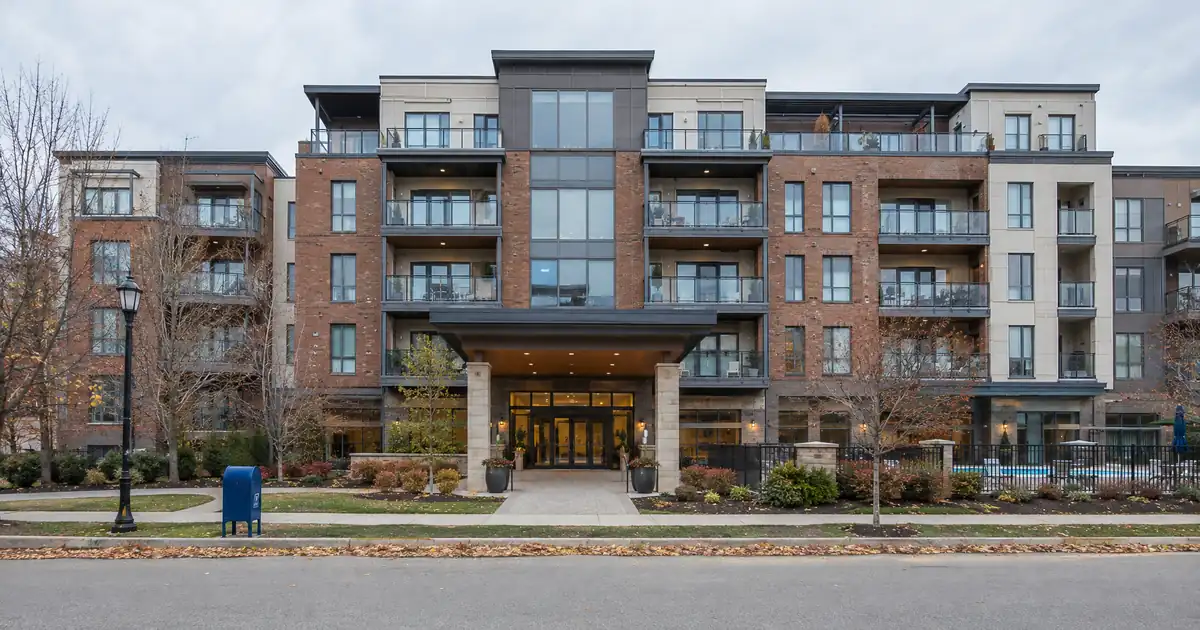
It can, but only through a narrow set of lenders. A condotel is a condominium unit in a building run like a hotel, where owners often put their unit into a rental pool and a management company handles guests. Big retail lenders usually decline these buildings. Select wholesale lenders in the non-QM space (loans that fall outside standard mortgage guidelines) will look at them.
Lendmire is a mortgage broker, not a lender. It places files with lenders in its wholesale network and matches the scenario to the program. That matching is the real work. A strong borrower on a building that fails project review still goes nowhere. A strong building with messy deposits needs a different income method.
Why Lenders Treat a Condotel Differently
Lenders call most condotels non-warrantable. That means the project does not meet the standard checklist that makes a condo easy to sell on the secondary market. Hotel-style operation is the main reason.
For contrast, Fannie Mae’s Selling Guide lists project traits that make a condo ineligible for agency purchase. Those traits include a project that is primarily transient in nature and a project whose name contains hotel, motel, or resort. That is why condotel loans live outside the agency world. Those agency rules do not set the terms on a bank statement program, though. Each wholesale lender sets its own.
What worries lenders is fairly consistent. BiggerPockets investor discussion lists rental income uncertainty, operational risk, market volatility, and the financial health of the association. Those match what we see in real files.
“Condotel” also covers a wide range:
- Resorts with a mandatory rental pool.
- Buildings with an optional rental program.
- Ordinary condos that simply allow nightly rentals.
Each type gets underwritten differently. Say which one you own, because the label alone tells a lender very little.
How Bank Statement Income Gets Calculated
The lender looks at your deposits, not your tax return. On most programs, the math follows the same logic.
1. The lender totals eligible deposits across 12 months of statements. 2. It removes transfers between your own accounts, loan proceeds, and other non-income deposits. 3. For business accounts, it applies an expense factor, which is a percentage of deposits treated as business costs. Some programs accept an accountant-prepared ratio instead of a fixed factor. 4. It divides the result by the number of months to get monthly qualifying income. 5. If you own part of the business, it counts only your ownership share.
Personal accounts are often counted at a higher share of deposits than business accounts. They may need supporting business documents to show the business is real. The exact expense factor varies by lender, so never assume a formula from a blog post, including this one.
Seasonal income deserves a plain warning. A resort-area owner with a strong winter and a weak summer can see averages swing. Some programs offer a longer averaging window. Ask which window flatters your pattern before you pick a program.
Deposits from a hotel operator or rental platform show up as deposits like any other. Keep them in a clean account that is separate from personal spending. Commingled accounts and large unexplained deposits slow a file and can lower your qualifying income.
Choosing the Best Bank Statement Cash-Out Refinance Program on a Condotel
The best program for your situation depends on five things: the project, the occupancy, your income pattern, your credit profile, and how much cash you need. A broker who shops multiple wholesale lenders can test those against real program sheets. A single lender can only test them against its own.
| Criterion | Why it matters | What to ask |
|---|---|---|
| Project acceptance | The building can end the file | Does the program take this project type? |
| Cash-out LTV ceiling | Sets maximum proceeds | What is the ceiling for my occupancy? |
| Income method | Changes qualifying income | Fixed expense ratio or accountant-prepared? |
| Statement window | Affects seasonal averages | 12 months only, or longer options? |
| Reserves and loan size | Can bind before LTV does | How many months of reserves? |
A program that wins on leverage but rejects your rental pool is not the best program. A lender that loves your building but caps leverage below what you need is not either.
How the Cash-Out Works on a Condotel
The cash-out follows a fixed order. The lender orders an appraisal, sets the new loan amount from the value and the program’s LTV ceiling, pays off your existing lien, and releases what is left after costs. Value is the pressure point. Condotel comparable sales are scarce, and a thin comp pool can pull the appraisal down. A lower value shrinks everything that follows.
Occupancy sets the leverage ceiling. These are the cash-out ceilings across the programs we place files with, typically and subject to lender guidelines:
| Occupancy | Cash-out LTV ceiling |
|---|---|
| Primary residence | Up to 80% (fixed expense ratio); 75% with accountant-prepared ratio |
| Second home | Up to 75% |
| Investment property | Up to 75% |
A primary residence can reach 90% LTV, but only on a purchase or rate-and-term refinance. It is not a cash-out figure. Few condotels are primary residences anyway, so plan around 75%. Every figure here varies by lender and program — guidelines, property type, leverage, and credit profile all apply.
Here is how the stack works, using percentages only. Say a condotel appraises at 100 units of value and your existing loan is 50% of that. A 75% new loan pays off the old lien, and the gap, about 25% of value before costs, is your gross cash. Loan size also matters. Programs generally run from $125,000 to $3,500,000, and lenders commonly want around six months of reserves. Whichever limit binds first sets your proceeds. Often it is the appraisal.
Occupancy also decides the paperwork. A second-home condotel is an owner-occupied file, which is a consumer mortgage, and TRID disclosure rules apply. Consumer files fall under ability-to-repay rules, which the CFPB’s ATR/QM compliance guide explains, so the lender documents how it verified your income. Lendmire’s consumer licensing covers 16 states, so owner-occupied availability depends on where the unit sits. A non-owner-occupied rental condotel is a business-purpose loan and exempt from TRID. Know which one you have before you apply, because the two do not mix.
On what you do with proceeds, tax treatment can depend on how the funds are used and how the property is held; borrowers should keep clear records and speak with a qualified tax professional before relying on any deduction.
Bank Statement, DSCR, or Asset Depletion?
Bank statement and DSCR are two different ways to qualify. A bank statement loan is reviewed around documented income under the applicable program, subject to lender guidelines. A DSCR loan is reviewed primarily on property-level rental income covering the payment, subject to lender guidelines. The first looks at you. The second looks at the unit.
| Factor | Bank statement | DSCR | Asset depletion |
|---|---|---|---|
| What is tested | Your deposits | The unit’s rent vs. its payment | Your liquid assets |
| Best for | Self-employed with strong cash flow | Strong, documented rental income | Asset-rich, light income |
| Condotel pain point | Project review | Hotel-pool rent is hard to document | Project review |
| Occupancy | Primary, second, investment | Investment only | Primary and others by program |
On a condotel, the rent flows through an operator. The owner’s share arrives after the operator’s split and association fees, so gross revenue overstates what you keep. That is why the unit’s coverage ratio can come out thin even when your business is healthy. In that case, a bank statement program may fit better. If your tax returns show low income because of write-offs, bank statements can show the cash flow they hide. The reverse is also true. If the unit’s rent is strong and clean, a DSCR cash-out can skip your personal income entirely.
Lendmire’s complete DSCR loans guide covers that route in detail. Asset depletion is reviewed against liquid assets and can reach about 80% LTV on a primary residence. It can fit a borrower with large balances and uneven deposits. Final terms depend on lender guidelines, property type, leverage, and the borrower’s complete credit picture.
What the Condotel Itself Must Show
Expect the lender to review the building as closely as you. The documents vary by program, but a typical file includes:
- The condo or association questionnaire.
- The rental-program or hotel-management agreement.
- The association budget and reserve information.
- Insurance certificates.
- Litigation disclosure.
- The mix of owner-occupied and investor-owned units.
A mandatory rental pool can limit your freedom to rent on your own and may bring furniture or renovation obligations. Read your agreement before the lender does. Pending litigation, large special assessments, and developer-held inventory are classic triggers for a decline on any condo, and they matter even more in a condotel.
For you personally, expect 12 months of statements, a credit review, proof of identity and ownership, a mortgage statement for the current lien, and reserves.
Where Files Stall and What to Do Next
Most stalls trace to a short list of problems.
- The project fails review. The fallback is a different lender whose project overlays differ, or a DSCR route if the rent is documented.
- The appraisal comes in low. The cash-out shrinks, and a larger payoff gap can make the loan pointless.
- Deposits look messy. Commingled accounts and large unexplained deposits cut qualifying income.
- Reserves run short. Cash-out proceeds may not count toward reserves on every program.
- Title is held in an LLC. Vesting rules differ by program and occupancy, so ask before you apply.
There is also an exit point. While the unit remains a condotel, it stays outside standard agency refinancing, so you are likely to remain in non-QM for the life of the asset.
Who This Fits, and Who It Doesn’t
It fits a self-employed owner whose deposits show more income than tax returns do, who owns a condotel the lender accepts, and who needs equity for a defined purpose.
It does not fit a borrower who needs more than about 75% LTV on a second home or investment unit. It also does not fit an owner whose building is under litigation or whose rental program is unclear. And it is a poor fit for anyone looking to pull equity from an asset that barely breaks even. Investor discussion about condotel returns is mixed, and net income after the operator’s split and fees matters more than headline revenue. These specifics are subject to lender guidelines and a full review of property, leverage, and credit.
Key Terms Defined
Condotel: A condominium unit in a building run like a hotel, often with a management company and a rental pool.
Non-warrantable: A condo project that falls outside the standard checklist for conventional, agency-eligible loans.
Non-QM: A mortgage that falls outside standard qualified mortgage rules and uses alternative ways to document income.
Expense factor: The share of business deposits a lender treats as costs before counting the rest as income.
LTV: Loan-to-value, the loan amount as a percentage of the property’s appraised value.
Rental pool: A program in which owners pool their units and share revenue after the operator’s cut.
Frequently Asked Questions
Can I use personal bank statements instead of business statements on a condotel?
Often yes. Personal accounts are usually counted at a higher share of deposits than business accounts. Some programs ask for extra documents showing the business is operating. Which route gives you more qualifying income depends on how your deposits flow.
How much cash can I take out of a condotel?
It depends on occupancy and the appraisal. Typically, cash-out tops out around 75% LTV on a second home or investment property, and up to 80% on a primary residence. The loan must also meet the program’s loan-size range and reserve requirements, so the gross cash is often less than the LTV math suggests.
Does my rental pool income count toward qualifying?
On a bank statement loan, your deposits count, not the unit’s rent. Deposits from the pool or operator show up in your statements like any other income. On a DSCR loan, the unit’s own documented rent is the test, which is where operator splits can drag coverage down.
Can I hold a condotel in an LLC for this loan?
It depends on the program and occupancy. Business-purpose investment files are more flexible on vesting, subject to program terms. Owner-occupied files generally need personal ownership. Raise it at the start.
What if the lender rejects the building?
Another lender may accept it, because project overlays differ across a wholesale network. If every lender rejects the project, the realistic options are a different equity source or selling. That is why project review comes first.
Next Step
If you are self-employed and want to see how the numbers work, Lendmire can help you compare bank statement loan options based on your deposits, the condotel, credit profile, leverage, and your goals. Reach the team at 828-256-2183 or request a quote. Condotels with thin comps and hotel-style income will keep rewarding the owner who walks in with a clean project file and clean statements.
For the mechanics of pulling equity out of a rental property, see Lendmire’s guide to cash-out refinance on an investment property.
About Lendmire
Lendmire — NMLS# 2371349 — is a mortgage broker that arranges bank statement, P&L-only, 1099-only and asset-based home financing in 16 states through wholesale lenders, on primary residences, second homes and investment properties. Every option is subject to the lender’s guidelines and full underwriting. Scotsman Guide named Lendmire a Top Mortgage Workplace in both 2025 and 2026.
Get Started
Ready to find the right loan for you?
See your offer in seconds. No credit pull, no obligation.
Informational only. Not a Loan Estimate, approval, or commitment to lend. Program availability and eligibility are subject to lender guidelines, credit approval, property review, and underwriting.
References
1. Fannie Mae Selling Guide, Ineligible Projects
2. BiggerPockets: Why Condotels Are Difficult to Fund
3. CFPB ATR/QM Small Entity Compliance Guide
This article is part of Lendmire’s bank statement loan program — full qualification details, guidelines, and scenarios live on the program page.
Related reading: Bank Statement Cash-Out Refinance Requirements for Debt-to-Income Ratio · Bank Statement Cash-Out Refinance Requirements to Pay Off Credit Cards · Bank Statement Cash-Out Refinance Rules on an Inherited House
Brandon Miller
Founder & CEO, Mortgage Loan Originator, Lendmire LLC
- Mortgage Loan Originator · NMLS# 1129696 · Verify on NMLS Consumer Access
- North Carolina Real Estate Broker · License# 343312 · Verify on NCREC
- North Carolina Insurance Producer · License# 19053198 · Property, Casualty, Life, Health · Verify on NAIC SBS
- Lendmire LLC · Firm NMLS# 2371349 · Verify firm licensure
Important disclosures. Lendmire (NMLS# 2371349) is a licensed mortgage brokerage. Lendmire is not a direct lender, depository institution, or financial advisor. All loan inquiries are subject to lender underwriting; this article does not constitute a commitment to lend. Rates, terms, and program guidelines are subject to change without notice and vary by borrower profile, property type, and state. Information in this article is general in nature and is not financial, legal, or tax advice. Equal Housing Opportunity. NMLS Consumer Access: nmlsconsumeraccess.org.