
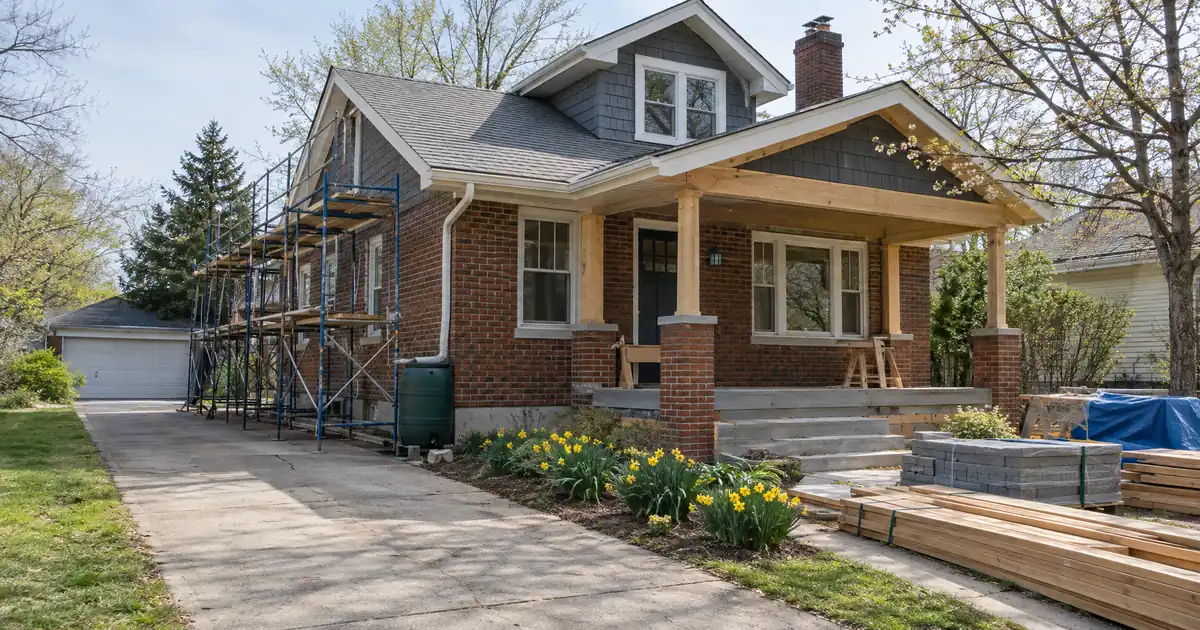
The Quick Read: A below-market lease rarely stops a hard money cash-out, because that loan is sized on the property’s value, the plan, and the exit, but the lease can cap the long-term loan that pays the hard money off later. The right program depends on whether the investor needs cash now or a clean takeout later. Most files end up in one of a few paths, and the lease decides which path works.
- Hard money cash-out refinances typically run up to 65% of value, and the lease matters little to that sizing.
- A DSCR loan, the usual exit, generally counts the lower of the signed lease and the appraiser’s market rent.
- A below-market lease can shrink the takeout loan even when the property is worth far more.
- Fixing the lease before the takeout application often does more for the file than any pricing change.
- The best program for your situation turns on lease type, ownership clock, and how long the bridge term lasts.
What “Hard Money Cash-Out Refinance” Means Here
The phrase carries two meanings, and mixing them up causes bad file planning. One meaning is using a hard money loan as the cash-out vehicle: the investor owns a rental, refinances into short-term asset-based debt, and pulls equity out. The other is refinancing out of a hard money loan into longer-term debt.
Lendmire is a mortgage broker, so it does not make either loan. It works with a wholesale network of lenders and matches the scenario to the program. Both meanings show up on files with a below-market lease, and they treat that lease very differently.
On the hard money side, the loan is underwritten on the property, the plan, and the exit. Parameters vary by lender, property, and experience, and nothing here is a commitment to lend. On most files in the network:
- Cash-out and rate/term refinances run up to 65% of value.
- Terms run 6 to 18 months, interest-only, with no prepayment penalty.
- Loan amounts go up to $5,000,000, with larger loans by exception.
- The minimum credit score is 620, with added conditions below 660.
- Collateral is non-owner-occupied residential property of one to four units.
The lease is not the main input on that loan. The exit is where it matters.
How Underwriting Treats a Below-Market Lease, Step by Step
Hard money underwriting asks three things. What is the property worth, what is the plan for the cash, and how does the borrower get out of the loan? A low lease does not change the value. It does change the answer to the third question.
Here is how the lease works its way through a typical two-stage file.
1. The hard money loan is sized on value. The lender orders an appraisal or valuation and applies its leverage cap. The tenant’s rent is part of the property’s story, but the loan does not run on a coverage ratio.
2. The exit plan gets tested. Most investors plan to refinance into long-term rental financing once the property is stabilized. Lendmire brokers that path into DSCR loans, and the lease starts to matter at that stage.
3. The appraiser produces two numbers. Value drives the leverage cap. Market rent drives coverage. On a one-unit property, the market rent comes from the appraiser’s rent schedule, the Fannie Mae Form 1007, which the lender uses to obtain the appraiser’s market-rent estimate. Freddie Mac publishes the same form as Form 1000. These are appraisal forms, not DSCR rules. Each DSCR lender decides how to use the number.
4. The lender picks the rent to count. On most files, DSCR lenders count the lower of the signed lease and the appraiser’s market rent. Some programs differ, so this is a question for the lender, not a given.
5. Coverage runs on the new payment. DSCR is the counted rent divided by the new PITIA: principal, interest, taxes, insurance, and any HOA dues. It is not the old payment. A below-market lease puts a smaller number over the same payment.
6. Loan size is the smaller of two limits. One limit is value times the leverage cap. The other is the loan the counted rent supports at the required coverage. With a below-market lease, the rent limit often binds first. It trims the cash-out by more than the rent discount alone suggests, and the payoff of the hard money loan plus closing costs comes out of what is left.
Clearing 1.00 is also not the same as positive cash flow. DSCR compares rent to PITIA only. Repairs, vacancy, management, utilities, and capital expenses sit outside the calculation.
Where the Lease Matters: Hard Money Versus the Takeout
The table shows the same lease hitting two different loans.
| Factor | Hard money cash-out | DSCR takeout |
|---|---|---|
| Sized on | Value, plan, exit | Value and counted rent |
| Role of the lease | Minor | Direct, often the cap |
| Typical leverage | Up to 65% of value | Up to 75% LTV on cash-out |
| Main catch | Short term | Rent limit shrinks proceeds |
The DSCR figures describe a standard investment rental on most files in the network. About 6 months of seasoning is the common expectation on a cash-out. Credit floors run from 620 in parts of the network to about 660 on most programs, and 700-plus opens the strongest leverage tiers. Reserves vary by lender, leverage, loan size, and transaction type, and commonly sit near 6 months of PITIA. Everything is subject to lender guidelines.
Here is the planning trap. A hard money cash-out can look easy because the lease does not matter to it. Then the bridge term runs out and the takeout lender counts the low lease. The investor is left with a payoff that the rent cannot support.
The Paths, and Which Fits Which Situation
No single program wins every time. The best program for your situation depends on the lease and the clock. These are the four paths that come up most.
| Path | Underwritten on | Lease impact | Main catch |
|---|---|---|---|
| Hard money cash-out now | Value, plan, exit | Low at entry | Exit risk at takeout |
| Bridge, reset lease, then DSCR | Value, then rent | Fixed before takeout | Term must outlast the reset |
| Payoff-only now, cash-out later | Value and rent | Smaller loan, less strain | Less cash today |
| Smaller cash-out request | Counted rent | Lower payment lifts coverage | Less cash than hoped |
A bridge term of 6 to 18 months is the whole runway on the current hard money program. There are no multi-year options. Investors who need longer runway refinance into long-term rental financing. Plan the term so the lease reset and the DSCR seasoning clock both fit inside it, because extending is not something to count on.
A decision framework is simple. The sections below break it out by lease type.
- A fixed-term legacy lease with a long tail points to payoff-only, a smaller cash-out, or waiting. The lease will not reset inside the bridge term.
- A month-to-month tenant offers the most room. A renewal at market before applying can fix the rent number, subject to local law.
- An expiring lease is the best window. A renewal signed at market before the takeout application lets the lender count the higher rent, if the program accepts it.
- A vacant, rent-ready unit lets the appraiser’s market rent set the number alone.
Worked Example: The Rent Gap in Ratios
This example uses modeled coverage ratios, not market data.
Say a property’s appraiser market rent covers the new PITIA at about 1.20x. If the signed lease sits at 85% of market rent, coverage falls to roughly 1.02x. Taxes and insurance do not move, so the payment stays fixed while the counted rent drops. Clearing 1.00 is still possible, but the cushion is thin, and it can affect which pricing tier and leverage the file lands in.
Now drop the lease to 80% of market. Coverage is roughly 0.96x. That is below 1.00. 1.00 is where many select programs start. A separate path through select lenders in the network takes coverage below 1.00, with leverage and terms adjusted. A lender would review that path, and eligibility review depends on credit approval and property review.
Now add the cash-out limits. Suppose the hard money loan was sized at 65% of value. A DSCR cash-out capped at 75% LTV leaves some room in value on paper before closing costs. The rent limit may bind first, so the real cash-out could be smaller, and it could be zero. A payoff-only loan then becomes the realistic goal. Leverage, reserves, and pricing vary by lender and program; the final terms follow the full file review.
Lowering the loan lifts the ratio, because the payment drops while counted rent stays the same. A larger down payment or smaller loan lowers the payment and can lift coverage, but it never erases leverage caps, credit floors, reserve rules, or property eligibility. The strongest files clear both tests: enough equity and enough rental coverage.
For Lendmire’s own treatment of the rent question on the takeout side, see its piece Best DSCR Cash-Out Refinance Program on a Below-Market Lease. The complete DSCR loans guide covers the full qualification model.
Where the General Rule Breaks: Edge Cases
The lower-of rule holds on most files. These cases bend it.
A below-market lease with the rent limit binding. Lowering the cash-out request lifts the ratio. The other options are a payoff-only loan, a renewal at market, or waiting out the lease.
A renewal at market before applying. Whether a lender accepts a renewed or amended lease depends on the program. Ask before the appraisal is ordered.
A related-party or family lease. Programs may scrutinize these leases or exclude them. A discounted family lease follows the same lower-of logic and adds a documentation question.
A mixed-occupancy two-to-four-unit property. Rent is reviewed per unit. An above-market unit does not offset a below-market one, because each unit’s counted rent is capped at market.
A rent-regulated unit. Some lenders may look at the legal registered rent rather than a market opinion. Ask early, since this varies by program.
A short-term rental. The rent schedule form is not built for nightly pricing. Short-term rentals are documented differently. Cash-out on short-term rental collateral generally tops out near 70%, against 75% on a standard rental, with about 12 months of hosting history expected on many programs. Short-term rental rules can vary by city, county, HOA, and property type, so investors should confirm local rules before relying on projected rental income.
A property type outside the programs. Manufactured homes, log homes, and barndominiums are not offered on DSCR loans in the network.
Fixing the Lease Before You Apply
Each option below has a cost, and the right choice depends on the lease and the local rules.
- Wait for expiration. This is the cleanest route. It costs carry time, and the hard money term is the clock.
- Renew at market. A signed renewal can lift the counted rent. Notice periods and local rent rules apply, and an investor should check them with counsel.
- Ask the lender to use the appraiser’s rent. Some programs allow it, most count the lower figure, and the answer varies by lender.
- Negotiate an early lease termination. This can involve a buyout. It carries legal exposure, so local law and counsel come first.
- Request a smaller loan. This is the lowest-friction fix, at the price of less cash.
The carry-cost trade-off is real. Staying in short-term money while the lease rolls costs interest every month. Taking less cash now costs opportunity. A side-by-side with the lender’s actual payment figures is the only way to compare, and the numbers come from the file, not from rules of thumb.
Documents Lenders Ask For
Clean documents leave fewer preventable gaps in review. Expect to assemble the following:
- The executed lease and any amendments
- Proof the rent is actually paid, such as deposits that match the lease
- The appraisal with its rent schedule
- The hard money payoff statement
- The settlement statement from the original purchase
- Insurance quotes that are complete and current
- Entity documents, if the property sits in an LLC, subject to lender program eligibility
- Reserves documentation
Stale insurance quotes and mismatched deposit records are the two items that most often send a file back for a second round. A tenant who pays in cash with no deposit trail is a documentation problem even when the lease is clean.
Mistakes That Derail These Files
Treating the lease as irrelevant because hard money ignores it. It matters on the exit, and the exit is the point.
Skipping the takeout math before choosing the bridge term. Model the exit on the lower of the lease and the expected rent-schedule figure before the bridge closes.
Assuming a strong ratio waives seasoning. Coverage and seasoning are separate tests. Both must clear.
Pulling the maximum. A larger payment can erase cash flow even when the DSCR clears. Many BRRRR investors expect to leave some money in the property for this reason.
Counting an above-market lease. A signed lease above market is capped at market rent. It earns no credit.
Ignoring appraisal risk. If the value or rent figure comes in low at takeout, the file shrinks. Build a cushion into the plan.
Key Terms Defined
Below-market lease: A signed lease whose rent is lower than what the appraiser says comparable units rent for.
Lower-of rule: The common DSCR practice of counting the smaller of the signed lease and the appraiser’s market rent.
DSCR: Debt service coverage ratio, meaning counted monthly rent divided by the full monthly payment of principal, interest, taxes, insurance, and any HOA dues.
Seasoning: The minimum ownership period a lender expects before it allows a cash-out refinance, documented by the settlement statement.
Bridge loan: A short-term, interest-only hard money loan used until the property can be refinanced into long-term debt.
Loan-to-value (LTV): The loan amount as a percentage of the property’s appraised value.
Frequently Asked Questions
Does a below-market lease block a hard money cash-out refinance?
Usually not. Hard money lenders size the loan on the property’s value, the plan, and the exit, and cash-out runs up to 65% of value on most files. Terms vary by lender, property, and experience. The lease does its damage later, when a DSCR lender counts the lower rent at the takeout.
Should I raise rent before refinancing?
It often helps, when the lease and local law allow it. A renewal at market before a DSCR application can lift the counted rent and the ratio. Whether the lender accepts an amended or renewed lease depends on the program, so ask first.
Can I terminate a below-market lease early to qualify?
It is possible, but it can involve a buyout and legal exposure. Notice periods and local rent rules differ. Check local law with counsel before approaching a tenant.
What if the property is vacant?
The appraiser’s market rent alone sets the number. That can be easier than a below-market tenant, though it depends on the program. A vacant, rent-ready unit still has to meet value, credit, and reserve requirements.
How long until I can cash out through a DSCR loan?
About 6 months of seasoning is the common expectation across most of the network, though it varies by program. The more useful question is whether the hard money term, which runs 6 to 18 months, outlasts both seasoning and the lease reset.
Next Step
If you are buying, rehabbing or refinancing an investment property on a short timeline and want to see how the numbers work, Lendmire can help you compare hard money options based on the project, the exit plan, leverage, and your goals. It arranges financing through select lenders in a wholesale network covering 41 markets, including Washington, D.C. For a takeout that pays off a bridge note, see its piece Best Super Jumbo DSCR Cash-Out Refinance Program to Pay Off a Hard Money Loan.
About Lendmire
Lendmire is a DSCR-focused mortgage brokerage, NMLS# 2371349, placing investor loans across 41 markets, including Washington, D.C. DSCR eligibility is generally reviewed by the lender around a property’s rental income rather than personal income documentation, which fits LLC-held rentals, self-employed investors, and portfolios scaling past conventional financed-property limits. Scotsman Guide named Lendmire a Top Mortgage Workplace in both 2025 and 2026.
Get Started
Ready to find the right loan for you?
See your offer in seconds. No credit pull, no obligation.
Informational only. Not a Loan Estimate, approval, or commitment to lend. Program availability and eligibility are subject to lender guidelines, credit approval, property review, and underwriting.
References
1. Fannie Mae Form 1007, Single-Family Comparable Rent Schedule
2. Freddie Mac Form 1000, Single-Family Comparable Rent Schedule
This article is part of Lendmire’s hard money loan program — full qualification details, guidelines, and scenarios live on the program page.
Related reading: DSCR vs. Conventional Cash-Out Refinance for a St. Charles MO Rental · Short-Term Rental Cash-Out Refinance Requirements When Your Mortgage Is Almost Paid Off · Top Hard Money Cash-Out Refinance Providers to Tap Equity From a Rental Property
Brandon Miller
Founder & CEO, Mortgage Loan Originator, Lendmire LLC
- Mortgage Loan Originator · NMLS# 1129696 · Verify on NMLS Consumer Access
- North Carolina Real Estate Broker · License# 343312 · Verify on NCREC
- North Carolina Insurance Producer · License# 19053198 · Property, Casualty, Life, Health · Verify on NAIC SBS
- Lendmire LLC · Firm NMLS# 2371349 · Verify firm licensure
Compliance and disclosures. Lendmire (NMLS# 2371349) is a licensed mortgage broker and is not a direct lender, depository institution, financial advisor, or tax professional. Content in this article is general market analysis and educational information — not financial, legal, or tax advice for any specific situation. Lendmire does not guarantee loan approval; every transaction is subject to underwriting by the funding lender. Mortgage pricing and loan program guidelines are subject to change at any time without notice and vary by borrower characteristics, property type, and state regulations. Lendmire complies with Equal Housing Opportunity. Licensure verification: NMLS Consumer Access.