
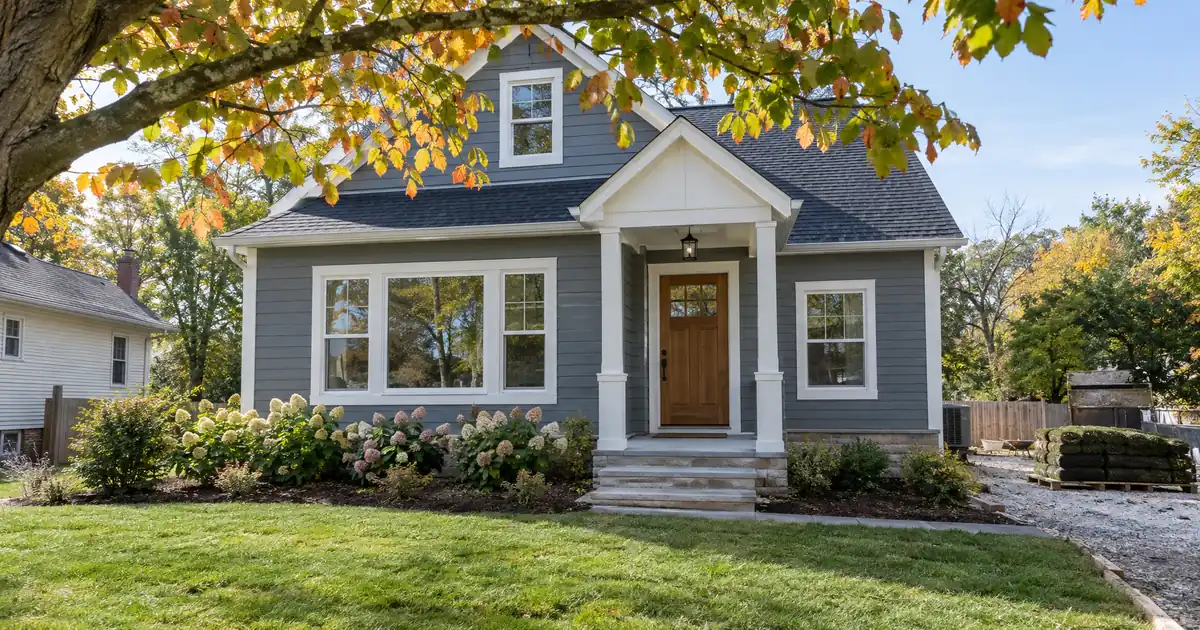
The Quick Read: For most owners with one stabilized, leased rental, a long-term DSCR cash-out refinance fits a roof better than a hard money loan. A hard money cash-out works as a short bridge when the property cannot yet qualify for long-term financing. The best program for your situation depends on your equity, your rent, and your exit plan. A cash-out is a business-purpose loan, and nothing here is a commitment to lend.
- Hard money cash-out loans are short, interest-only, and sized to property value, so they suit a property that is not ready for long-term financing.
- A DSCR cash-out (a loan that qualifies primarily on property-level rental income covering the payment, subject to lender guidelines) is built for a leased rental you plan to keep.
- Your one property carries the whole file, so its value, rent, and condition decide everything.
- A weak roof can shrink the appraisal, and a smaller appraisal means less cash than you planned.
- Program terms vary by lender, property, and experience.
Why “Hard Money Cash-Out Refinance” Mixes Two Products
The phrase blends two different loans. Hard money is short-term bridge debt. A DSCR loan is long-term debt for a rental you intend to hold. Both can hand you cash against equity, but they behave very differently after the check clears.
Hard money is built around the property and the plan. The lender looks at value, condition, and how you will get out of the loan. Terms are short, payments are interest-only, and the debt must be repaid or refinanced when the term ends.
A DSCR cash-out is built around rent. The lender divides the property’s monthly rent by its full monthly payment (principal, interest, taxes, insurance, and any HOA dues). That ratio, the debt service coverage ratio, tells the lender whether the rent carries the loan. The loan runs on a long fixed structure, and the 30-year fixed is the spine of most programs.
Think of the roof as a one-time expense on an asset you already own and lease. A long-term DSCR loan lets you spread that cost over many years, while a hard money loan must be repaid or refinanced within its short term. The exception is when the property cannot qualify for long-term debt today.
What Hard Money Looks Like for a Roof
Across the wholesale network Lendmire works with, the hard money cash-out and rate-and-term refinance tops out at roughly 65% of value on a non-owner-occupied rental. That is a lower ceiling than the long-term DSCR cash-out discussed below. Terms run 6 to 18 months, interest-only, with no prepayment penalty. Minimum credit sits around 620, with additional conditions below 660. Collateral is non-owner-occupied residential property, 1 to 4 units. Loan sizes go up to $5,000,000, and larger by exception. Every one of these figures varies by lender, property, and experience, and availability is not the same in every state.
Underwriting stays asset-based. The lender wants to see value, the roof scope, and a believable path out of the loan. Credit still matters, but the property and the plan carry the file.
The cost of that flexibility is maturity risk. When the term ends, you need a payoff. With one rental, you have no second property to lean on if the exit slips. Investors who start with hard money and then refinance also pay closing costs twice, once on each loan.
Where DSCR Cash-Out Fits Better
Think of a DSCR cash-out as the permanent version of the same move. Across most programs we place files with, cash-out tops out around 75% LTV on standard rentals, with about 6 months of seasoning as the common expectation. Seasoning is the waiting period a lender wants after you buy before it will let you pull cash out.
Short-term rental collateral runs tighter, with cash-out around 70% LTV. Expect a 640+ score and about 12 months of hosting history. Short-term rental rules can vary by city, county, HOA, and property type, so investors should confirm local rules before relying on projected rental income. Each figure is subject to lender guidelines and a complete review of property type, leverage, and credit.
Most programs want a credit score around 660. A 620 floor exists in parts of the network, and 700+ unlocks the strongest leverage tiers. Reserves, meaning cash you hold after closing, vary by lender, leverage, loan size, and transaction type. About 6 months of PITIA is common, and PITIA is the full monthly obligation: principal, interest, taxes, insurance, and association dues.
Coverage works as a rent test. Many select programs start at 1.00. A separate select-lender path takes coverage below 1.00, with leverage and terms adjusted. Cash-out raises your balance, so the payment rises and coverage tightens. A bigger pull can turn a comfortable ratio into a borderline one.
For a full walkthrough of how these loans work, see the complete DSCR loans guide.
Hard Money or DSCR: Side by Side
| Factor | Hard money cash-out | DSCR cash-out |
|---|---|---|
| Term | 6-18 months, interest-only | Long-term, 30-year fixed common |
| Cash-out leverage | Up to about 65% of value | Around 75% LTV on standard rentals |
| Reviewed on | Property, plan, and exit | Rent covering the payment |
| Prepayment penalty | None on this program | Varies by program |
| Best fit | Property not ready for long-term debt | Stabilized, leased rental you keep |
| Main risk | Maturity and exit | Tighter coverage after the pull |
Read the table as a fit test, not a ranking. Hard money gives you room to fix a property that cannot yet qualify. DSCR gives you room to keep one that already does.
How Underwriting Treats a Roof Cash-Out, Step by Step
The same sequence applies to both products, though the weights differ.
1. Equity test. The lender takes the appraised value and applies the cash-out cap. It subtracts your current payoff and closing costs. What remains is your cash.
2. Condition check. The appraiser looks at the roof’s remaining life as well as whether it keeps water out today. A leaking or end-of-life roof can lower value or trigger a repair condition. Appraisers adjust for remaining economic life, which is why an old roof can cost you proceeds before you spend a dollar on it.
3. Rent test. On a DSCR file, the lender reads the appraiser’s rent figure for the property. If that figure comes in below your lease, lenders generally use the appraiser’s number unless the program lets a signed lease substitute.
4. Credit and reserves. The lender checks your score and whether you hold enough reserves for the leverage you want.
5. Payoff and funding. Your existing loan is paid off first, including any prepayment penalty. The rest comes to you. On a business-purpose loan, proceeds are generally not tied to one use, so they can pay a roofer. They are not held back and released in draws the way rehab money is.
The business-purpose part matters. DSCR loans are designed for non-owner-occupied investment properties. Because they are business-purpose investor loans, they are reviewed differently from a standard owner-occupied mortgage.
A Worked Roof Example
Run the numbers on a modeled rental with one existing loan. These inputs are assumptions, not market data.
- The property appraises at 100% of value in this example.
- Your current loan sits at about 45% of value.
- The roof job costs about 4% of value.
- Closing costs take a few more percent.
On a hard money cash-out capped near 65% of value, you have roughly 20 percentage points of room before costs. That covers the roof with margin. On a DSCR cash-out near 75% LTV, you have about 30 points of room. Leverage, reserves, and pricing vary by lender and program; the final terms follow the full file review.
Now weaken the roof. If the appraisal comes in 5% lower because of the roof, every cap applies to a smaller number. The room shrinks by more than the 5%, because the cap percentage applies to the lower value while your payoff stays the same. A thin margin can disappear. That is why a failing roof is the single biggest threat to the cash-out plan.
The DSCR side adds a second check. Take only what the roof needs, plus a cushion.
Where the General Rule Breaks
An active leak or end-of-life roof. A roof in this condition can pull the appraisal down or trigger a repair condition. Government programs make the idea explicit. HUD’s archived guidance says an FHA-financed home’s roof should have at least two years of remaining physical life. That is an agency program standard, not a DSCR standard. Condition rules for DSCR loans are set by each program, so ask before you assume.
The property is not seasoned. If you bought recently and the seasoning window has not run, a DSCR cash-out may not be open. A hard money cash-out can bridge that gap.
Rent is thin. Clearing the coverage test on a DSCR cash-out does not mean the rental produces positive cash flow. The ratio compares rent to PITIA only. Repairs, vacancy, management, utilities, and capital costs sit outside it. If coverage is below 1.00, a select-lender path in the network takes it, with leverage and terms adjusted.
The unit is vacant or being renovated. A vacant roof job with no lease usually leans toward hard money, because property-rent-based lender review needs a rent history or a market rent figure the program accepts.
Payoff-only versus cash-out. If you already hold a hard money note and only pay it off plus costs, the refinance is generally treated as rate-and-term. Any cash above that makes it a cash-out, with a lower leverage cap, seasoning, and reserve rules.
Ineligible property types. DSCR financing through the network is not offered on manufactured homes, log homes, or barndominiums. Owner-occupied homes are not eligible for either product here.
A 1031 exchange in progress. Taking cash out before you sell the old property can create trouble with the exchange. Plan those two moves together, with your exchange advisor.
Refinance First, Repair First, or Bridge?
Use the situation to pick the order.
- Planned replacement, tenant in place, equity and coverage solid. Refinance first with a DSCR cash-out, then pay the roofer from proceeds.
- Active leak, short on seasoning or coverage. A hard money cash-out can fund the repair now, with a plan to refinance out once the property qualifies.
- Cash on hand. Paying the roofer directly can work, and you can refinance later to recover the cash if your timeline allows. Most programs place the same seasoning and leverage rules on that later cash-out.
- Vacant unit. Expect hard money to be the more realistic starting point, since rent documents are thin.
Many investors refinance out of hard money into long-term DSCR financing once the property is stabilized, and Lendmire brokers that path. Plan it before you sign the bridge, not after.
Costs, Risks, and When Hard Money Is the Wrong Tool
Hard money is overkill when the roof is a planned job on a leased rental that already qualifies for long-term financing. You pay for a short loan you do not need, then pay closing costs again on the refinance.
The one-rental risk is concentration. With a single asset, a vacancy or a lease gap during a short loan hits your entire income. If the exit slips, you face maturity with no second property to fall back on. A longer, fixed structure removes that deadline.
A larger loan also does not fix a weak file. More equity can lower the payment and lift the ratio, but it never erases leverage caps, credit floors, reserve rules, or property eligibility. The strongest files clear both tests: enough equity and enough rental coverage.
On the tax side, the IRS says that replacing an entire roof on a residential rental is a capital improvement. It is treated as a separate asset and depreciated over 27.5 years rather than deducted as a same-year repair. Tax treatment varies; consult a qualified professional.
Key Terms Defined
Hard money loan: A short-term, interest-only loan sized to the property’s value and the borrower’s plan.
DSCR (debt service coverage ratio): Monthly rent divided by the full monthly payment, used to test whether the rent carries the loan.
Cash-out refinance: A new loan larger than your current payoff, with the difference paid to you.
LTV (loan-to-value): The loan amount as a percentage of the property’s appraised value.
Seasoning: The waiting period a lender requires between buying a property and refinancing it.
Exit strategy: Your plan to repay or replace a short-term loan before it matures.
PITIA: Principal, interest, taxes, insurance, and association dues, which together make up the full monthly obligation.
What to Prepare
Gather these before you talk to anyone:
- Your roof bids and the scope of work.
- Your current loan statement, including any prepayment penalty.
- The lease, or proof of market rent if the unit is vacant.
- Proof of insurance and any insurer notes about the roof.
- Entity papers if the property sits in an LLC, subject to lender program eligibility.
- Your reserve statements.
A broker who places files with multiple wholesale lenders can match your scenario to a program, because lenders differ on condition standards, seasoning, and reserve rules. The best program depends on your property, your credit profile, and how much cash you need. Lendmire is a mortgage broker, not a lender. Each lender reviews and approves its own files.
Frequently Asked Questions
Can I use hard money to pay for a roof on my rental?
Yes, in the right setup. A hard money cash-out is a short, interest-only loan, so it fits best when the property cannot yet qualify for long-term financing, and you have a clear exit. Terms and leverage vary by lender, property, and experience.
Can a rental with tenants qualify?
Yes. A leased rental often fits a DSCR cash-out better than hard money, because the lease and the appraiser’s rent figure support the coverage test. Eligibility review depends on lender guidelines, credit, reserves, and the property review.
What if the appraisal comes in low because of the roof?
Every cap then applies to a smaller value, and the cash can fall below your roof cost. You can pull a smaller amount, fix the roof first, or bridge with hard money and refinance once the condition is resolved.
Is paying off a hard money loan the same as a cash-out?
Not always. Paying off the note plus costs is generally treated as rate-and-term. Cash above that makes it a cash-out, with lower leverage and seasoning and reserve rules.
Does a DSCR above 1.00 mean the rental cash flows?
No. The ratio compares rent to PITIA only. Repairs, vacancy, and management sit outside it, so run your own full budget.
Next Step
If you are buying, rehabbing or refinancing an investment property on a short timeline and want to see how the numbers work, Lendmire can help you compare hard money options based on the project, the exit plan, leverage, and your goals. Lendmire arranges these loans through select lenders in its wholesale network across 41 markets, including Washington, D.C. A roof is a one-time cost, but the loan you choose to pay for it stays with the property much longer.
About Lendmire
A DSCR-focused mortgage broker, Lendmire (NMLS# 2371349) places investor financing across 41 markets — 40 states plus Washington, D.C. — with DSCR eligibility generally reviewed by the lender on property cash flow instead of tax returns, subject to lender guidelines. Scotsman Guide named Lendmire a Top Mortgage Workplace in 2025 and 2026.
Get Started
Ready to find the right loan for you?
See your offer in seconds. No credit pull, no obligation.
Informational only. Not a Loan Estimate, approval, or commitment to lend. Program availability and eligibility are subject to lender guidelines, credit approval, property review, and underwriting.
References
1. HUD archive: single-family roof standards
2. IRS FAQ: depreciation of rental property
This article is part of Lendmire’s hard money loan program — full qualification details, guidelines, and scenarios live on the program page.
Related reading: DSCR Cash-Out Refinance Rules on an Inherited House · Best Short-Term Rental Cash-Out Refinance Program When the Ratio Falls Below 1.0 · Top Hard Money Cash-Out Refinance Providers When the Hard Money Note Is Coming Due
Brandon Miller
Founder & CEO, Mortgage Loan Originator, Lendmire LLC
- Mortgage Loan Originator · NMLS# 1129696 · Verify on NMLS Consumer Access
- North Carolina Real Estate Broker · License# 343312 · Verify on NCREC
- North Carolina Insurance Producer · License# 19053198 · Property, Casualty, Life, Health · Verify on NAIC SBS
- Lendmire LLC · Firm NMLS# 2371349 · Verify firm licensure
Compliance and disclosures. Lendmire (NMLS# 2371349) is a licensed mortgage broker and is not a direct lender, depository institution, financial advisor, or tax professional. Content in this article is general market analysis and educational information — not financial, legal, or tax advice for any specific situation. Lendmire does not guarantee loan approval; every transaction is subject to underwriting by the funding lender. Mortgage pricing and loan program guidelines are subject to change at any time without notice and vary by borrower characteristics, property type, and state regulations. Lendmire complies with Equal Housing Opportunity. Licensure verification: NMLS Consumer Access.