
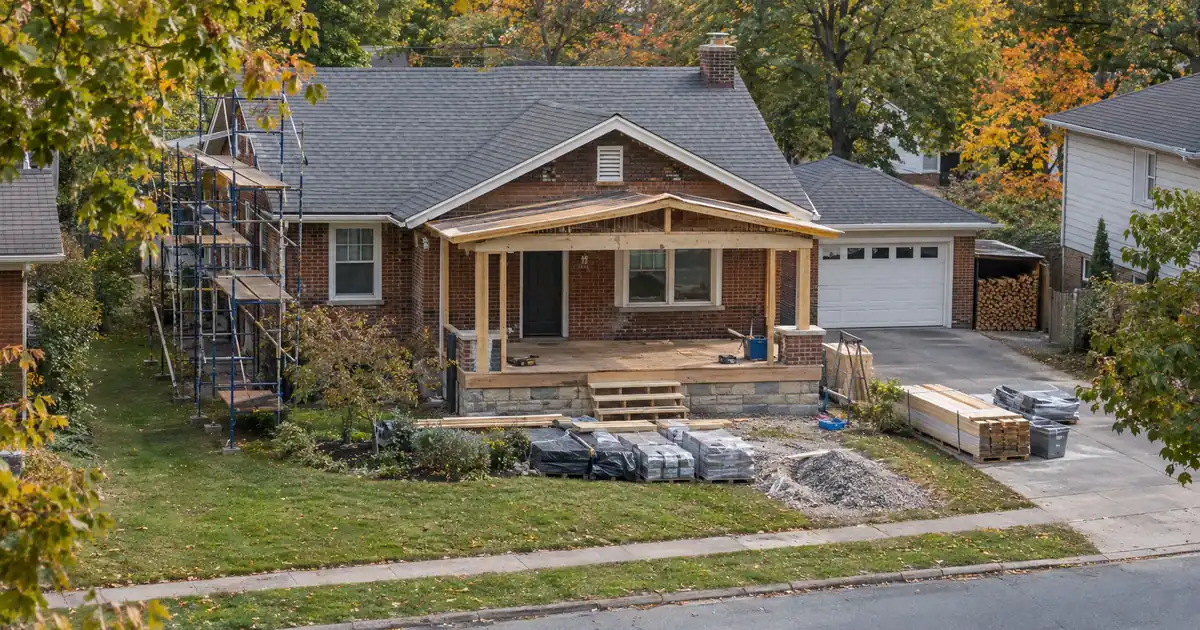
The Quick Read: A blanket hard money loan is short-term, asset-based financing that puts several properties under one note, while a portfolio DSCR loan is long-term hold financing that qualifies primarily on pooled property-level rental income covering the pooled payment, subject to lender guidelines. The first is a bridge for buying or fixing. The second is a home for rentals that already earn.
- Blanket hard money fits acquisition, rehab, or a bridge to a planned refinance.
- Portfolio DSCR fits stabilized rentals you intend to hold for years.
- Both can pledge every property to one lender, so one weak address can pull on the others.
- A release clause, which lets one property leave the pool, is a negotiated contract term and never automatic.
- DSCR is the qualification method. Blanket is the collateral structure. They are not opposites.
Many investors treat these as rivals. In practice they often sit at different points in the same property’s life, and that is the lens this article uses.
Side-by-Side
The portfolio DSCR column reflects structures in the wholesale network Lendmire places files with. The hard money blanket column reflects published industry norms, so details vary by lender. Nothing here is a quote or a commitment to lend.
| Factor | Blanket hard money | Portfolio DSCR |
|---|---|---|
| Review basis | Property value, plan, and exit | Pooled rent against pooled debt payment |
| Documentation | Lighter on income paperwork | Leases or market rent, valuation, entity papers |
| Property types | Often 1-4 unit residential | SFR, 2-4 unit, condo, townhome |
| Entity vesting | LLC or individual, varies | Special-purpose LLC on some structures |
| Time horizon | Short, bridge-style term | Long hold, 30-year or fixed terms |
| Reserves | Varies by lender and plan | Varies; term loans hold tax, insurance, capex reserves |
| Main risk | Maturity arrives before the refinance | One weak property drags the pool |
Key Terms Defined
Blanket loan: one loan secured by several properties at once. The structure describes collateral, not how the loan is underwritten.
Portfolio loan: a loan the lender keeps rather than sells. The label alone does not tell you whether the properties are pooled.
DSCR (debt service coverage ratio): rental income divided by the housing payment (principal, interest, taxes, insurance, and any HOA dues). It tests rent against the payment, nothing else.
Hard money: short-term, asset-based business-purpose lending that looks mainly at the property, the plan, and the exit.
Cross-collateralization: every pledged property backs the whole loan.
Release clause: the loan term that lets you sell one property by paying down an agreed amount.
Does “Portfolio” Mean “Blanket”?
Not always. A lender-held portfolio can be one pooled note, several separate notes, or a stack of individual loans. Only the pooled note needs a release clause to sell one property.
Ask which structure you are actually being offered. Two lenders can both say portfolio and mean opposite things. The DSCR label is just as loose, because a DSCR loan can be single-property or blanket.
When a Blanket Hard Money Loan Is the Better Fit
A blanket hard money loan wins when the properties need work, a short hold is planned, or income is not yet there to test. Rent coverage means little on a building that is half gutted.
Picture an investor buying several distressed small properties from one seller. A single note can fund the group, and the plan is to renovate, lease up, and refinance. Rent-based review would fit poorly here because there is no stabilized rent yet. Asset-based review fits because the lender looks at the property, the budget, and the exit.
Hard money also suits borrowers who are strong but slow to document. A self-employed investor with an unusual tax picture can still fit an asset-focused review. Using hard money does not mean a borrower is weak. It usually reflects the property’s condition or the payoff timeline.
For reference, single-property hard money in the network typically runs 6 to 18 months, interest-only, and often without a prepayment penalty. Leverage on bridge purchases without rehab goes up to 80% of purchase price. Refinance leverage goes up to 65% of value. Loan amounts reach up to $5,000,000, and the minimum score is 620 with added conditions below 660. All of this varies by lender, property, and experience. Whether a given lender will write one note across several properties is a separate question, so confirm it early.
The catch is the clock. A short note has a maturity date, and that date is a hard deadline. If rents come in light, the property is vacant longer than planned, or the refinance falls short, the exit gets expensive. A blanket hard money note raises the stakes because every property is pledged. Some blanket structures also carry features like balloon payments, so read the payoff terms closely.
When a Portfolio DSCR Loan Is the Better Fit
A portfolio DSCR loan wins when the rentals are leased, the plan is to hold, and you want long-term structure without selling a property to meet a deadline. The loan is reviewed primarily on rent covering the payment, subject to lender guidelines.
The network offers two main shapes. The 30-year portfolio loan takes 2 to 20 properties under one note, typically from $300,000 to $5,000,000. Leverage goes up to 80% of value on a purchase or rate-and-term refinance. Rate types include fixed and adjustable, and an interest-only period is available. Eligible property types are single-family, 2-4 unit, condo, and townhome.
The rental portfolio term loan is built for five or more properties or units. It typically runs from $500,000 to $50,000,000 at up to 75% of value. Terms are fixed at 3, 5, 7, or 10 years with a balloon at maturity. It can be recourse or non-recourse. A recourse loan carries a personal guarantee. A non-recourse loan looks to the real estate, with carve-outs such as fraud and bankruptcy. Prepayment uses yield maintenance, a formula-based exit charge. Reserves are held for taxes, insurance, and capital expenditures. Properties in several markets can sit under one loan, and small multifamily is eligible. The term loan adds that last property type.
Credit typically starts around 640, and some structures want 680 or 720. Some structures require a special-purpose entity, usually an LLC, subject to lender program eligibility. A cash-out on a portfolio loan stays at or below 75% of the pooled value. Owner-occupied property, mobile homes, co-ops, mixed-use, and commercial property are not eligible. Everything is subject to lender guidelines and varies by borrower and property.
The real advantage is pooled coverage. Rent and payments are added across the pool and divided, so a stronger property can offset a weaker one. That helps a mixed group of rentals. Each property still needs a lease or appraiser-supported market rent, and each still gets its own valuation review.
One more point on the math. DSCR compares rent to the full payment and nothing more. Clearing 1.00 does not mean positive cash flow, because repairs, vacancy, management, utilities, and capital spending sit outside the ratio. Treat the number as a lender test and run your own operating budget too.
How the Pool Behaves Under Stress
Pooling cuts both ways, and that is true under either loan type.
Release clauses. A release clause is what lets you sell one property without paying off the whole loan. Without one, a property tied up in a cross-collateralized loan can be much harder to sell, as Nav explains. Wording decides everything. The release price typically runs above the property’s allocated balance, and the remaining pool must still cover its debt service. On the DSCR side, releases, substitutions, and single-property sales follow the loan documents and the lender’s release terms.
A weak property. Say a pool of four rentals has one unit that is vacant or under-rented. Under a DSCR pool, underwriting tests the pooled coverage, the leverage, and the terms, subject to underwriting. If the other three carry strong rent, the pool can still show coverage that clears the lender’s test. A rental below 1.00 inside the pool is a pooled-coverage fact, not a separate low-coverage program. Under a short hard money note, the same vacancy is a different problem. It may delay the stabilization that your refinance depends on.
Default exposure. If one property goes into default, the lender can generally look to everything pledged. Building one note at a time loses the averaging benefit but isolates trouble.
Entity and purpose. DSCR loans are designed for non-owner-occupied investment properties. Because they are business-purpose investor loans, they are reviewed differently from a standard owner-occupied mortgage. Compliance counsel note that business purpose turns on how the proceeds are actually used. One law-firm guide adds that loans to bona fide business entities are treated differently from consumer loans to individuals. A cash-out spent on personal expenses can undercut that classification, so keep proceeds in the business. Tax treatment varies; consult a qualified professional.
The Bridge-to-Permanent Path (Where the Two Meet)
The cleanest answer for many investors is both, in order. Use short-term money to buy and renovate. Then move to long-term rental financing once the leases are in place.
Many investors refinance out of hard money into long-term DSCR financing once the property is stabilized, and Lendmire brokers that path.
Three timing traps show up again and again:
- Maturity before stabilization. If the properties are not leased by the time the note comes due, you are refinancing from weakness.
- Pool mismatch. A group financed together may not all be ready together. One unfinished rehab can hold back the pool’s coverage.
- Cash-out timing. Cash-out proceeds on a seasoned portfolio stay within 75% of pooled value. Inside the first six months of ownership, the cash-out amount is capped by the seasoning rule.
If the group is mixed, with some rent-ready and some not, split it. Put the ready rentals into a portfolio DSCR loan and finance the projects on their own short-term note. That keeps a half-finished building from dragging down a clean pool. For the separate-versus-pooled question on equity pulls, see Lendmire’s piece Portfolio Blanket Loan vs Separate Cash-Out Refinances Across Rentals.
Questions to Ask Any Lender
These separate the real structures from the labels:
1. Is this one note across all properties, several notes, or individual loans?
2. How does a release work, and what governs the release price?
3. Is coverage measured on the pool, on each property, or both?
4. What does the loan look like at maturity, and is there a balloon?
5. Is the loan recourse or non-recourse, and what are the carve-outs?
6. What reserves are required, and how are they held?
7. Which property types and entity structures are eligible?
The Verdict
Choose by property condition first and hold horizon second. A group of rentals that is leased and stable usually belongs in a portfolio DSCR structure, because long-term structure and pooled coverage match the way those properties earn. A group that needs work, or a bulk purchase that must be fixed before it can be leased, usually belongs on a short-term asset-based note with a refinance plan.
Honestly, the number of properties matters less than the condition of each one. Strong files clear two tests: enough equity and enough rental coverage. Leverage caps, credit floors, reserve rules, and property eligibility still apply either way.
The hard money tradeoff is flexibility for pressure from the maturity date. The DSCR portfolio tradeoff is stability for the cross-collateral drag. Neither is a mistake if it matches the plan.
If you are buying, rehabbing, or refinancing several investment properties and want to see how the structure, exit, and leverage fit together, Lendmire can help you compare options through its wholesale network, with investor programs across 41 markets, including Washington, D.C.
Frequently Asked Questions
Can I use a blanket hard money loan and then a portfolio DSCR loan on the same properties?
Yes, and it is a common sequence. Short-term money buys and rehabs, then a portfolio DSCR loan refinances once leases are in place. The pool must meet the lender’s coverage, leverage, and eligibility tests at that point, subject to lender guidelines.
Does clearing 1.00 coverage mean my portfolio is cash-flowing?
No. Coverage compares rent to the payment only. Repairs, vacancy, management, utilities, and capital spending sit outside it. A pool can clear the lender’s test and still run thin once real operating costs are counted.
What happens if I want to sell one property from a pooled loan?
It depends on the release terms in your documents. A release clause is a contract term, not a legal right.
Is hard money only for borrowers who cannot qualify elsewhere?
No. Many borrowers use it because of the property’s condition or the payoff timeline, not because of weak credit. Network hard money still needs a 620 minimum score, with added conditions below 660, and underwriting stays asset-based.
Does a portfolio loan always mean one pooled note?
No. Portfolio often just means the lender keeps the loan. It can be one blanket note, separate notes, or individual loans, so ask how the collateral is structured before comparing anything else.
About Lendmire
Lendmire (NMLS# 2371349) is a mortgage brokerage focused on DSCR investor financing, helping arrange programs through wholesale and investor-lending channels in 41 markets, including Washington, D.C. DSCR loans are evaluated by the lender on property cash flow rather than personal income, subject to lender guidelines, supporting LLC closings and accommodating investors with four or more financed properties. Scotsman Guide Top Mortgage Workplace in both 2025 and 2026.
Get Started
Ready to find the right loan for you?
In about 30 seconds you can review financing options available for your investment property. No commitment required.
Informational only. Not a Loan Estimate, approval, or commitment to lend. Program availability and eligibility are subject to lender guidelines, credit approval, property review, and underwriting.
References
1. Nav – Cross Collateralization
3. Doss Law – Business Purpose Exemption Simplified
This article is part of Lendmire’s hard money loan program — full qualification details, guidelines, and scenarios live on the program page.
Related reading: How a Portfolio DSCR Loan Moves From Application to Closing · Can Vacant Rentals Be Included in a Portfolio DSCR Loan? · Can a Single Portfolio DSCR Loan Cover Rentals in Several States?
Brandon Miller
Founder & CEO, Mortgage Loan Originator, Lendmire LLC
- Mortgage Loan Originator · NMLS# 1129696 · Verify on NMLS Consumer Access
- North Carolina Real Estate Broker · License# 343312 · Verify on NCREC
- North Carolina Insurance Producer · License# 19053198 · Property, Casualty, Life, Health · Verify on NAIC SBS
- Lendmire LLC · Firm NMLS# 2371349 · Verify firm licensure
Required disclosures. Lendmire (NMLS# 2371349) operates as a licensed mortgage broker, not a direct lender or depository. The discussion in this article is general in nature and should not be relied upon as financial, legal, or tax advice — every investment scenario is unique and should be reviewed by a qualified professional. Any loan inquiry is subject to lender underwriting, and this article is not a commitment to lend or a guarantee of approval. Mortgage rates, loan terms, and program guidelines vary by borrower, property, and state, and may change without notice. Equal Housing Opportunity. Verify licensure at NMLS Consumer Access.