
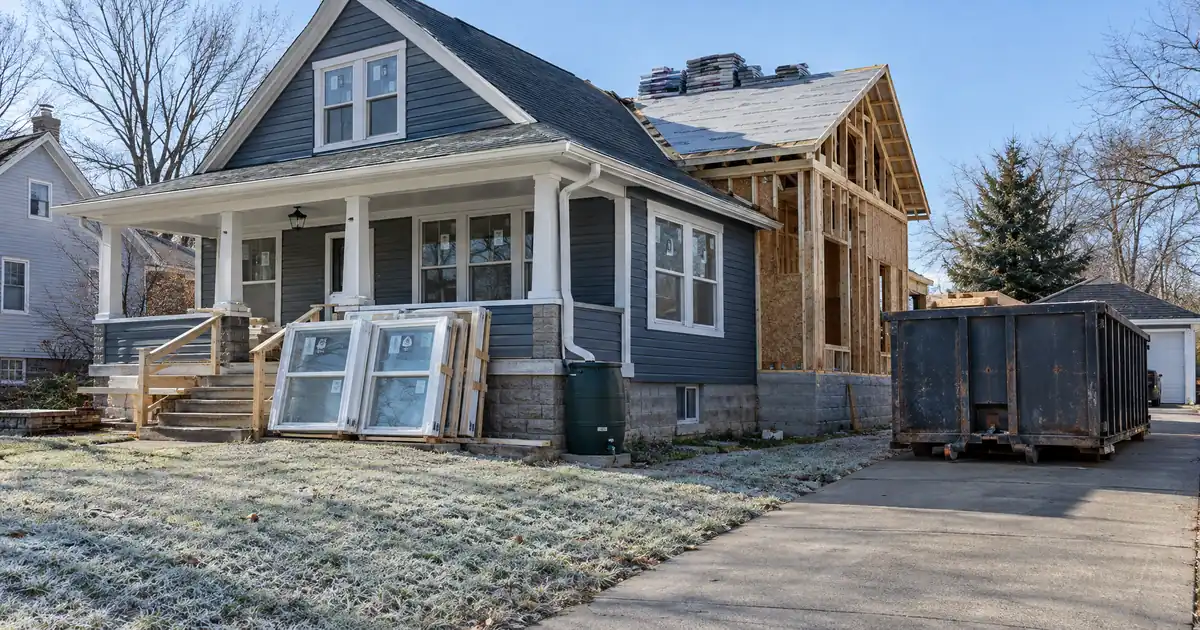
The Quick Read: Yes, self-employed and business-owning borrowers can usually get approved for a hard money fix and flip loan, because lenders in Lendmire’s wholesale network underwrite the property, the rehab plan, the borrower’s cash and the exit rather than tax-return income, subject to lender guidelines. Owning a business helps with liquidity and entity paperwork, but it does not count as flip experience, and experience is what sets leverage.
- Qualification runs on the deal: the property, the after-repair value (ARV), the rehab budget and the exit plan.
- Fix-and-flip leverage typically runs 85% to 93% of project cost, depending on documented completed projects, and never above 75% of ARV.
- Credit still matters: a 620 minimum score is the floor, with added conditions below 660.
- A business owner usually borrows through a new LLC that is separate from the operating company, depending on lender requirements.
- The loan is short-term and interest-only, so the exit has to be planned before the purchase.
Is This a Loan for Your Flip or for Your Business?
This article covers a loan that funds a residential flip, not a loan that funds your operating business. The two products share a name and almost nothing else, and mixing them up is a common source of confusion for business owners.
What this loan actually costs to carry.
Hard money is sized against the project and priced by time. Enter the deal and see how much the program will lend, the cash required at closing, the carry while you hold it, and what is left at the exit.
Leverage tiers on the current program: 85% with fewer than 2, 90% with 2 or more, 93% with 5 or more completed projects — every tier capped at 75% of after-repair value. Loan amounts up to $5,000,000, larger by exception; terms of 6 to 18 months, interest-only, no prepayment penalty. The rehab portion funds in draws against completed work, not at closing.
Program parameters shown update from Lendmire’s centralized guideline source. Rate, points, and months are editable assumptions, not quoted terms.
Cost cap sets the loan · positive spread
Illustrative estimate only — not a quote, Loan Estimate, approval, or commitment to lend. Rate, points, and months are editable assumptions. Hard money is business-purpose financing for real estate investors, not a consumer mortgage. Leverage on the current program tops out at 93% of project cost for investors with a documented track record, capped at 75% of after-repair value, with rehab funding up to 100% of the documented budget released in draws; actual terms vary by lender, borrower experience, property, and exit. Lendmire is a mortgage broker, not a lender.
| Factor | Hard money for a flip | Loan for your business |
|---|---|---|
| What it funds | Purchase and rehab of a property | Payroll, equipment, growth |
| Collateral | The investment property itself | Business assets or guarantees |
| Main test | Deal, ARV, exit, experience | Business financials, time in business |
| Typical term | 6 to 18 months, interest-only | Varies by product |
The collateral on a flip loan is a non-owner-occupied residential property of 1 to 4 units. Ground-up construction can go to 10 units. Commercial, industrial, land and owner-occupied properties are not part of these programs. Loan sizes run up to $5,000,000, with larger files by exception, and smaller balances vary by lender.
Why Business Owners Are a Natural Fit
Conventional mortgage underwriting reads your traditional personal-income documentation. A business owner who writes off heavily can look thin on paper even when the cash flow is strong. That gap is where many self-employed borrowers get stuck.
Hard money skips that test. Lenders in the network look at what the property will be worth after the work, whether the budget is realistic, and whether the borrower can cover the equity, the carry and the surprises. Uneven taxable income does not decide the file. The business may even help it, because operating cash and a healthy balance sheet show liquidity.
There is a cost to this flexibility. The loan is short, the structure is interest-only, and the borrower must exit by selling or refinancing. A strong business does not remove that obligation.
What Does a Lender Actually Underwrite?
Lenders in the network review five things in roughly this order: the property, the plan, the borrower’s cash, the borrower’s track record and credit, and the exit. Here is how a business owner can show each one.
| Factor | What it means | How a business owner shows it |
|---|---|---|
| Property and ARV | Value after the work | Comps, appraisal or broker opinion |
| Scope and budget | Is the rehab realistic? | Itemized scope, contractor bids |
| Equity in the deal | Your cash at risk | Bank statements, source of funds |
| Experience | Completed projects | Closing statements for past flips |
| Credit | 620 minimum score | Credit report, explained derogatories |
| Exit | How the loan is repaid | Sale comps or rental income support |
Notice what is missing: pay stubs, W-2s and a debt-to-income calculation. Qualification stays asset-based, meaning it rests on the property, the plan and the exit. It is still underwriting, and every file is reviewed individually.
How Much Leverage Will a First-Time Flipper Get?
Leverage is set by documented completed projects, not by how successful your other business is. Across Lendmire’s wholesale network, fix-and-flip programs size the loan against project cost, which is purchase price plus rehab budget. Every tier is capped at 75% of ARV. These figures vary by lender, property and experience.
| Completed projects | Loan-to-cost | Cap |
|---|---|---|
| Fewer than 2 | 85% of project cost | 75% of ARV |
| 2 or more | 90% of project cost | 75% of ARV |
| 5 or more | 93% of project cost | 75% of ARV |
The cap is what limits a thin-margin flip. When project cost sits well below ARV, the cost-based tier sets the loan. When project cost climbs close to ARV, the 75% of ARV cap takes over, and the borrower funds the difference. Thin margins therefore cost you more cash at the closing table, whatever your experience level.
Two related structures sit alongside this. A bridge purchase without rehab goes up to 80% of purchase price. Up to 100% of the rehab budget funds in draws against completed work. That is a rehab-budget figure, not a purchase ceiling. There is no true 100% purchase program, and the top tier is reserved for experienced investors.
Credit works the same way. The floor is a 620 score, with added conditions below 660. First-time investors qualify at the lower leverage tiers. A business owner with a strong operating company and a first flip should plan around the 85% of project cost tier.
Do I Need an LLC, or Can I Borrow Personally?
Most business owners should buy the flip through a new, separate LLC, subject to lender program eligibility. Many lenders in the network lend to entities and to individuals, and the entity route usually requires operating agreements and formation documents. The lender will typically also ask for a personal guarantee from the principal.
The reason for a separate entity is liability. If a flip goes sideways, you want that problem sitting in its own company. Putting the property inside your operating company ties the flip’s risk to your restaurant, your trade business or your practice.
| Structure | Best fit | Watch for |
|---|---|---|
| Personal name | One-off deal, simple file | No liability separation |
| New LLC for the flip | Most business owners | Entity documents, personal guarantee |
| Operating company | Rarely advisable | Mixes flip risk with your business |
A separate LLC does not shield you from a personal guarantee. If the deal fails, the lender can still look to you. Entity structure is also a legal decision, so an attorney should confirm it before you form anything.
What Is the Business-Purpose Rule, and Does It Affect Me?
Hard money loans on investment property are designed for non-owner-occupied investment properties. Because they are business-purpose investor loans, they are reviewed differently from a standard owner-occupied mortgage.
That classification is why personal income is not the gate. Credit extended primarily for a business purpose is exempt from the federal consumer-lending framework, as the FDIC’s compliance examination manual explains. The CFPB’s examination procedures list the same exemption. The practical result is lighter paperwork, and it also means fewer consumer protections than a residential mortgage carries.
The exemption turns on the purpose of the loan, not on the label. The FDIC manual notes that a checked business-purpose box may not be enough on its own, and that the borrower’s primary occupation and how it relates to the use of the proceeds can matter. A business owner should expect a signed business-purpose statement and possibly a question or two about the plan.
Occupancy is the other trigger. A practitioner guide from Doss Law explains that credit to acquire or improve non-owner-occupied rental property is treated as business purpose. It also explains that a property the owner expects to occupy more than 14 days in the coming year is treated as consumer credit unless it has more than 2 units. A flip you plan to live in is not a hard money case.
What Documents Should a Business Owner Prepare?
Lenders vary, but a business owner can build one package that covers most requests.
Personal documents
- Application and government ID
- Personal financial statement
- Schedule of real estate owned
- Recent bank statements, as the lender requests
Entity documents
- Formation documents and operating agreement for the flip LLC
- Evidence of who owns the entity
- Business income documentation or K-1s, if the lender asks for them
Deal documents
- Purchase contract
- Scope of work and itemized rehab budget
- Contractor bids or your own construction plan
- Comparable sales supporting ARV
- Your exit plan
For an operating-business owner, business returns and K-1s usually support liquidity and net worth. They are not run through a qualifying-income formula. Even so, tax treatment can depend on how the funds are used and how the property is held; investors should keep clear records and speak with a qualified tax professional before relying on any deduction.
A Hypothetical Walk-Through: The Restaurant Owner’s First Flip
Picture a restaurant owner with strong cash flow, a good credit profile and no completed flips. These numbers are modeled assumptions, not market data.
She finds a single-family property. The purchase price plus rehab budget comes to about 80% of the ARV her contractor and the lender’s valuation both support. With fewer than two completed projects, she sits in the 85% of project cost tier. Her loan lands near 68% of ARV, comfortably under the 75% cap.
The cash required is the remaining 15% of project cost, plus carrying costs and a cushion for overruns. The rehab funds in draws against completed work, so she needs enough liquidity to float the gap between finishing work and getting reimbursed.
Here is where the business matters. If she funds her equity by draining the restaurant’s operating account, she has traded one risk for another. A lender will see the source of funds, and so should she. The stronger file keeps the flip’s cash separate from the working capital the restaurant needs to stay open.
For the exit, she either sells or holds. If she holds, a refinance into long-term rental financing needs rent that covers the full monthly obligation. A modeled coverage near 1.1x would clear the 1.00 level where many select DSCR programs start, though that ratio does not mean positive cash flow after repairs, vacancy and management. Her exit would then be a DSCR refinance on property income, as laid out in Lendmire’s complete DSCR loans guide.
Why Do Business Owners Get Declined?
Most declines trace to a short list of causes, and most are fixable before applying.
- No credible exit. A plan to rent it or sell it, whichever works out, is not an exit. Pick one primary exit and show the comps or rent support behind it.
- Unrealistic budget. Lenders test the scope against the property. A budget that ignores the actual condition invites a pause or a decline.
- Equity from the wrong place. Borrowed or unexplained funds raise questions about your real cash at risk.
- Credit below the floor. A score under 620 is outside the program, and scores below 660 add conditions.
- Assuming business success equals flip experience. Running a company does not substitute for completed projects.
- Ineligible collateral. Commercial, land and owner-occupied properties are not offered in these programs.
Some lenders will consider a partner’s track record on a project that is much larger than the borrower’s past work. Whether that partner’s projects count toward your tier varies by lender, so ask before you structure the deal around it.
When Hard Money Is the Wrong Tool
Hard money is built for the flip phase. The term runs 6 to 18 months on an interest-only structure, with no prepayment penalty on the current program. There are no multi-year options, so an investor who needs longer runway refinances into long-term rental financing.
That makes the exit the real risk. If the sale takes longer than planned or the refinance does not appraise as hoped, the loan matures regardless. Line up the takeout independently rather than assuming one will be there. If your margin is thin, your rehab scope is uncertain, or you cannot absorb the carry through a slow sale, a longer-term financing route or a smaller project may be the better call.
Hard money also fits poorly when the real need is operating capital for your business. This product funds property, and the property is the collateral.
How the Process Works, Step by Step
1. Confirm the purpose. The loan is for a non-owner-occupied investment, and you will sign a business-purpose statement.
2. Choose the entity. Decide with your attorney whether the flip goes into a new LLC.
3. Assemble the deal package. Contract, scope, budget, comps and exit plan.
4. Submit the personal and entity documents listed above.
5. Property review. The lender orders a valuation for as-is value and ARV and reviews your scope.
6. Borrower review. Experience, credit and liquidity set the leverage tier and terms.
7. Draws and exit. Rehab funds in draws against completed work, and the loan is repaid by sale or refinance.
Are You Ready? A Self-Check
Score yourself yes or no before you apply.
- Is my credit score at or above 660, or can I explain anything below it?
- Do I know the ARV and can I support it with comparable sales?
- Is my budget itemized and tied to the property’s real condition?
- Can I fund my equity without draining my operating business?
- Is the flip going into an entity separate from my operating company?
- Do I know which completed projects I can document?
- Is there one primary exit with a plan B?
Five or more yeses usually means the file is ready for a conversation. Fewer than that means fixing the gaps first will likely save you a decline or a worse tier. Lendmire arranges these loans as a broker through select lenders in its network, across 41 markets including Washington, D.C., and the same project can price differently from one lender to the next.
Key Terms Defined
After-repair value (ARV): the estimated value of the property once the planned renovation is complete.
Loan-to-cost: the loan amount as a share of purchase price plus rehab budget.
Rehab draw: a release of renovation funds after completed work is verified.
Personal guarantee: the principal’s promise to repay if the borrowing entity cannot.
Exit strategy: the plan for repaying the loan, usually a sale or a refinance.
Broker’s price opinion or appraisal: the valuation a lender orders to confirm as-is value and ARV.
Frequently Asked Questions
Do I need an LLC to get a hard money fix and flip loan?
No, but most business owners are better off with one. Many lenders will lend to individuals or entities, and a separate LLC keeps the flip’s liability apart from your operating company. The entity route usually requires formation documents and a personal guarantee, subject to program terms.
Can I qualify if my traditional personal-income documentation shows low income?
Usually yes. Hard money files are underwritten on the property, the plan, your liquidity and your exit, not on tax-return income. Credit and a 620 minimum score still apply, and the lender will want to see where your equity comes from.
Can I use my business’s cash for the down payment?
Often yes, if the funds are documented and traceable. The harder question is whether you should. Pulling working capital out of your operating business can leave both the flip and the business short if the project runs over.
Do I need flip experience?
Not to qualify, but experience sets your leverage. Borrowers with fewer than two documented completed projects typically land at 85% of project cost, while 5 or more projects can reach 93% of project cost. Every tier is capped at 75% of ARV, and terms vary by lender, property and experience.
What happens after the flip if I want to keep the property?
Many investors refinance out of hard money into long-term DSCR financing once the property is rented and stabilized. That refinance qualifies primarily on property-level rental income covering the payment, subject to lender guidelines. A vacant unit needs rent support from the appraisal.
If you are buying, rehabbing or refinancing an investment property on a short timeline and want to see how the numbers work, Lendmire can help you compare hard money options based on the project, the exit plan, leverage, and your goals; to start, call 828-256-2183 or request a quote.
For current guidelines and terms, see Lendmire’s DSCR loan programs page.
About Lendmire
Lendmire (NMLS# 2371349) is a DSCR-focused mortgage broker that helps arrange investor financing across 41 markets, including Washington, D.C., through wholesale and investor-lending channels. DSCR eligibility is generally reviewed by the lender around the property’s rental income rather than personal income documentation, subject to lender guidelines, which works for self-employed investors, LLC operators, and portfolios above four financed properties. Scotsman Guide named Lendmire a Top Mortgage Workplace in both 2025 and 2026.
Get Started
Ready to find the right loan for you?
In about 30 seconds you can review financing options available for your investment property. No commitment required.
Informational only. Not a Loan Estimate, approval, or commitment to lend. Program availability and eligibility are subject to lender guidelines, credit approval, property review, and underwriting.
References
1. FDIC Consumer Compliance Examination Manual – Truth in Lending Act
2. CFPB TILA Examination Procedures
3. Doss Law – Business Purpose Exemption Simplified
This article is part of Lendmire’s hard money loan program — full qualification details, guidelines, and scenarios live on the program page.
Related reading: Can You Get Preapproval for a Hard Money Loan Before Offers? · Can You Get a Hard Money Loan Without Owning a Business? · Can Hard Money Cover a Fix and Flip Purchase?
Brandon Miller
Founder & CEO, Mortgage Loan Originator, Lendmire LLC
- Mortgage Loan Originator · NMLS# 1129696 · Verify on NMLS Consumer Access
- North Carolina Real Estate Broker · License# 343312 · Verify on NCREC
- North Carolina Insurance Producer · License# 19053198 · Property, Casualty, Life, Health · Verify on NAIC SBS
- Lendmire LLC · Firm NMLS# 2371349 · Verify firm licensure
Compliance and disclosures. Lendmire (NMLS# 2371349) is a licensed mortgage broker and is not a direct lender, depository institution, financial advisor, or tax professional. Content in this article is general market analysis and educational information — not financial, legal, or tax advice for any specific situation. Lendmire does not guarantee loan approval; every transaction is subject to underwriting by the funding lender. Mortgage pricing and loan program guidelines are subject to change at any time without notice and vary by borrower characteristics, property type, and state regulations. Lendmire complies with Equal Housing Opportunity. Licensure verification: NMLS Consumer Access.