
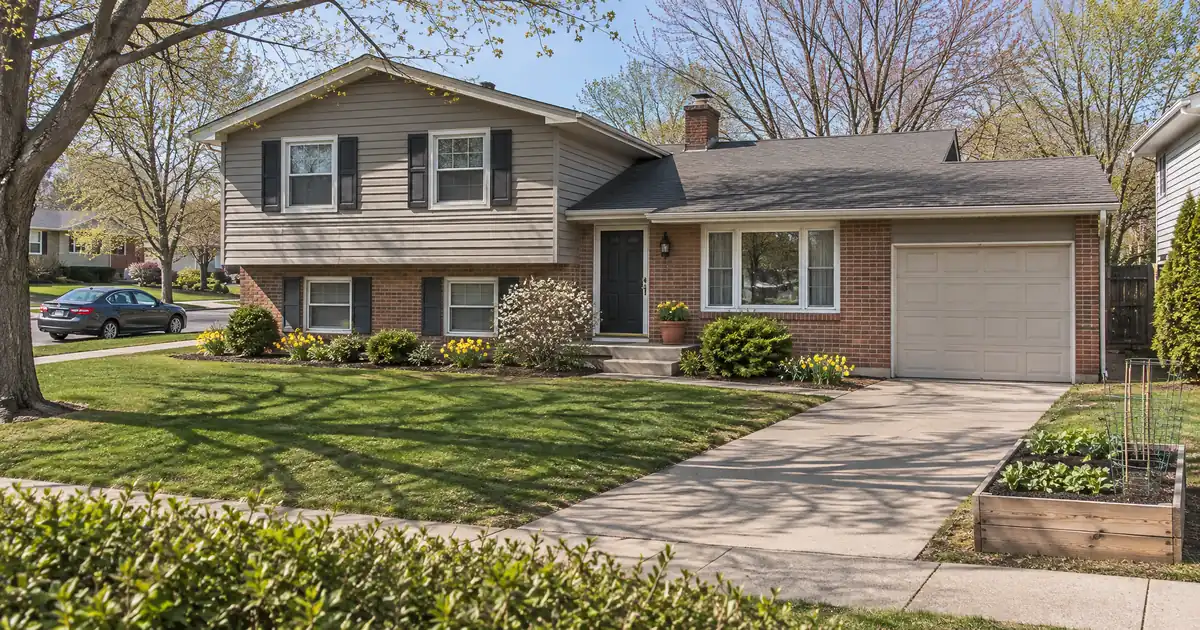
The Quick Read: Only when a court order specifically authorizes borrowing against that property, the title company accepts the order, and a lender in the network will take a conservator as signer, because the owner stays the legal owner and the conservator’s signature alone does not encumber the real estate. The line is then underwritten on the owner’s credit, equity and debt load, not on the rent.
- The court order should name the property, the loan type and a maximum amount.
- On Lendmire’s wholesale network, an investment-property line tops out at 70% CLTV, with a $500,000 maximum line and a 700 credit minimum, subject to lender guidelines.
- The property must be titled in an individual or a revocable living trust. An LLC cannot hold title on this product.
- Whether a lender accepts a conservator as signer is decided file by file.
- If the property cash-flows and sits in an entity, a DSCR cash-out refinance may be the better route, though it still needs court authority.
Why a Conservator Cannot Just Sign
A conservator manages the owner’s finances, but the owner keeps legal title. A title underwriting manual from Stewart says a guardian or conservator generally has no power to mortgage or otherwise encumber a ward’s property without a court order, and that title stays with the ward.
How large a line the equity supports.
An equity line is sized by combined loan-to-value, occupancy, and credit — not by rental coverage. Switch the occupancy or the credit band and the ceiling moves with it.
Investment-property lines require a 700 minimum credit score; second-home lines start at a 640 minimum and primary-residence lines at 600, and the combined-LTV ceiling steps down as the credit band drops on primary-residence and second-home lines and holds on investment-property lines; the line cap steps down on primary-residence lines and holds at every tier on investment-property and second-home lines.
A debt-to-income ratio above 45% requires 680+ credit. Profiles under 640 are limited to single-family homes. At least 75% of the approved line is drawn at closing. Ceilings, floors, and caps update from Lendmire’s centralized guideline source.
Line estimate
Illustrative estimate only — not a quote, Loan Estimate, approval, or commitment to lend. The rate is an editable assumption; equity-line pricing is variable through both the draw and repayment periods and never converts to fixed. Occupancy and credit drive the ceiling together: an investment property tops out at 70% combined LTV (minimum credit 700, line cap $500,000); a second home tops out at 90% combined LTV (minimum credit 640, line cap $500,000), with the ceiling stepping down as the credit band drops (the cap holds at every tier); a primary residence tops out at 90% combined LTV (minimum credit 600), and its $750,000 maximum line is available only at 75% combined LTV or below with a 700-or-better credit profile (720 on the longer-runway program) and a full appraisal. Lines above $500,000 require a full appraisal. Credit, debt-to-income, property type, and full underwriting review all affect the final line.
A HELOC is a lien on that title. So the conservator needs permission to create the lien, and the lender and title company need proof of it. A bare appointment, even one that covers the estate, usually does not supply that proof.
There is also no single national rule. A HousingWire title column on conservatorships notes that each state sets its own procedures. The usual path looks like this:
1. The conservator petitions the court to mortgage the real estate and states the reasons.
2. After notice and a hearing, the court may issue an order authorizing the mortgage documents.
3. The title company wants a certified copy of that order, which is recorded as an exhibit to the mortgage.
What the Statutes Say
State laws differ in wording but follow a similar pattern. Court authority comes first, and the borrowing must serve the owner.
California Probate Code section 2551 lets a conservator borrow against estate real property after a court order. The conservator signs the note and the deed of trust. The money must go to the purpose named in the order, and the court may cap the amount or set other terms.
Minnesota’s statute lets the court direct a mortgage of a protected person’s real estate when it is in that person’s best interest. The conservator files a petition describing the facts and the property. That is the 2016 text, so confirm the current version before relying on it.
Washington’s court guidance says encumbering the primary dwelling or any other real estate needs notice and specific court authorization.
The pattern holds across these examples. The order is specific. The use of funds is tied to the owner’s benefit. The loan terms must match what the court approved.
Step by Step: What the File Needs
1. Confirm the scope of the appointment. It must cover the estate, meaning the finances, not only the person. Some states use other labels, such as guardian of the estate or protected person.
2. Petition for authority to borrow. The petition names the property and the purpose. Expect notice to interested parties, a hearing and often evidence of value such as an appraisal.
3. Get the order and current letters. Ask for certified copies. The order should state the loan type, a maximum amount and that a mortgage or deed of trust may be placed on the named property.
4. Address the revolving feature. A line of credit is a revolving instrument. Ask the court to authorize draws up to the cap. If the order is silent, a lender or title company may want fresh authority for each draw.
5. Clear title. Title underwriters look for valid letters, the court order and execution by the conservator within the terms of that order.
6. Underwrite the owner. The lender reviews the owner’s credit, equity and debt-to-income ratio. Rent matters only as one part of that income picture.
7. Close, record and report. The order is recorded. Later draws and payments belong in the conservator’s accountings to the court.
What Decides the Outcome
Four factors carry most of the weight, and one of them, the purpose of the borrowing, shapes how a court views the request.
- How specific the order is. A general grant of authority is weaker than one that names this property and this loan.
- Whether the lender offers an investment line at all. Many do not.
- The owner’s own credit, equity and debt ratio. The conservator’s credit is not the file.
- Purpose of the borrowing. Courts apply a best-interest standard. Paying care costs or maintaining and insuring the held property is easier to justify than using the owner’s equity to buy another rental for a family investor. The second use is much harder to defend.
What the Network’s Investment Line Looks Like
On Lendmire’s wholesale network, a home equity line on an investment property follows these ranges, subject to lender guidelines and full file review. Lendmire is a broker and arranges these lines through select wholesale partners. It is not the lender.
| Item | Investment-property line |
|---|---|
| Max combined LTV | 70% CLTV |
| Max line | $500,000 |
| Minimum credit | 700 (hard floor) |
| Draw / repayment | 5-year draw, 25-year repayment |
| Drawn at closing | At least 75% of the line |
| Vesting | Individual or revocable trust |
| DTI | 50% maximum, tested on interest-only payment at full draw |
Credit above 700 does not raise the ceiling. A 720 and a 700 both top out at 70% CLTV on an investment property.
The line can sit in first or second lien position. At or below $500,000, valuation is ordinarily automated, though a lender may order a full appraisal. Pricing floats during both the draw and repayment periods and does not convert to a fixed term.
Availability is narrower than Lendmire’s DSCR footprint. These lines are offered in Lendmire’s 16 full-service states only, while DSCR investor loans reach 41 markets, including Washington, D.C.
Manufactured homes, co-ops, condotels, log homes, commercial and mixed-use properties are not offered on this product. Single-family, 2-4 unit, PUD, townhome and condominium properties are eligible.
One more point. A borrower with more than 15 financed properties is not eligible, and a borrower is limited to three lines, with combined exposure capped. A single-property ward rarely reaches these limits, but they matter if the owner holds a portfolio.
Edge Cases That Change the Route
A power of attorney instead of a conservatorship. An agent under a valid durable power of attorney, signed while the owner had capacity, may be able to act without a court. Lenders and title companies scrutinize these documents closely. If capacity was already gone when the document was signed, expect pressure toward a conservatorship. Confirm with the lender and title company directly.
A revocable trust already in place. If the owner funded a revocable trust and a successor trustee is serving, the trustee may borrow under the trust instrument without court involvement. The lender may still ask for a trust certification. This is the cleanest vesting for this product.
LLC ownership. If the property sits in an LLC, the conservator does not sign as an owner. The conservator would control the owner’s membership interest, and the court order would need to cover that. On this HELOC product, an LLC cannot hold title. The property would need a vesting change, or the owner would use a DSCR cash-out refinance, subject to lender program eligibility.
Out-of-state property. A conservatorship may need registration where the property sits, and the process for recognizing a foreign order varies by state. Ask the title company and the local court what that state requires.
Death or restored capacity. In some states a conservator’s authority ends at the owner’s death. Any open line then becomes an estate problem. Restored capacity also ends the conservator’s role. Ask the court how it wants an open line handled if either event occurs.
Conservatorship, Power of Attorney, Trust: Who Can Sign
| Setup | Who signs | Court order needed? | Lender view |
|---|---|---|---|
| Conservator | Conservator | Usually yes, specific | Case by case |
| Durable POA | Agent | Often no | Strict document review |
| Revocable trust | Successor trustee | Often no | Trust certification |
| LLC-held property | Manager or member | Depends on entity papers | Not eligible for this line |
When a DSCR Cash-Out Is the Better Tool
A home equity line is built on the owner’s personal credit. If the owner has little qualifying income, the debt ratio can end the file. A DSCR loan compares property rent to the full monthly obligation instead. It qualifies primarily on property-level rental income covering the payment, subject to lender guidelines.
For a cash-flowing rental, a DSCR cash-out refinance may reach the same equity. Typical ranges across the network:
- Cash-out leverage tops out around 75% LTV on a standard rental.
- About 6 months of seasoning is the common expectation.
- Coverage of 1.00 is where select programs start. A separate select-lender path goes below 1.00 with leverage and terms adjusted.
- Most programs want a credit score near 660. A 620 floor exists in parts of the network, and 700+ opens the strongest tiers.
- Reserves commonly run around 6 months of PITIA, though they vary by lender, leverage, loan size and transaction type.
Clearing 1.00 does not mean positive cash flow. Repairs, vacancy, management and capex sit outside the calculation.
A DSCR cash-out still needs court authority over the property. It also needs a guarantor with capacity. Whether a conservator can sign the guaranty is a question for the lender and the court, so do not assume it. Lendmire’s complete DSCR loans guide covers how the product works.
Key Terms Defined
Conservator: a person the court appoints to manage the finances of someone who cannot manage them.
Ward or protected person: the owner under the conservatorship, who keeps legal title to the property.
Letters of conservatorship: the court document that proves the conservator’s appointment and powers.
CLTV: combined loan-to-value, which adds every lien on the property and divides by its value.
DSCR: the debt service coverage ratio, which compares monthly rent to the full monthly housing obligation.
Vesting: the way title is held, such as an individual, a revocable trust or an LLC.
Frequently Asked Questions
Can a conservator sign for a HELOC without going to court?
Usually not. Title underwriters generally treat a conservator as lacking power to encumber real estate without a court order. Some states give limited statutory authority, so the answer depends on the state and the scope of the appointment.
Whose credit does the lender use?
The owner’s. On this product the lender reviews the owner’s credit, equity and debt-to-income ratio. On Lendmire’s network an investment line needs a 700 minimum credit profile, and the debt ratio caps at 50%.
How much can be borrowed against an investment property?
On Lendmire’s network, up to 70% CLTV with a maximum line of $500,000, subject to lender guidelines. At least 75% of the line is drawn at closing. The court may set a lower cap in its order, and the lower number controls.
What if the property is in an LLC?
The HELOC product cannot be written on LLC-held title. The options are a vesting change, which needs court sign-off for a ward, or a DSCR cash-out, subject to lender program eligibility.
Does a conservator need a new court order for each draw?
A line of credit is a revolving instrument, so the safest practice is to ask the court to authorize draws up to a stated cap. If the order is silent, a lender or title company may want more authority.
About Lendmire
Lendmire (NMLS# 2371349) is a mortgage brokerage serving homeowners and real estate investors in its 16 full-service states. Home equity lines of credit are arranged through wholesale lending channels; Lendmire brokers the line and the lender underwrites each application under its occupancy-based guidelines. Scotsman Guide named Lendmire a Top Mortgage Workplace in both 2025 and 2026.
Get Started
Ready to find the right loan for you?
See your offer in seconds. No credit pull, no obligation.
Informational only. Not a Loan Estimate, approval, or commitment to lend. Program availability and eligibility are subject to lender guidelines, credit approval, property review, and underwriting.
References
1. Stewart underwriting manual
2. HousingWire: Title Tip, Conservatorships 101
3. California Probate Code section 2551
4. Minnesota Statutes section 524.5-418
5. Washington Courts guardian and conservator guidance
This article is part of Lendmire’s investment property HELOC program — full qualification details, guidelines, and scenarios live on the program page.
Related reading: Can You Get an Investment Property HELOC With a 700 Score and High DTI? · Can You Get an Investment Property HELOC in a Living Trust? · Can You Get an Investment Property HELOC With One Year of History?
Brandon Miller
Founder & CEO, Mortgage Loan Originator, Lendmire LLC
- Mortgage Loan Originator · NMLS# 1129696 · Verify on NMLS Consumer Access
- North Carolina Real Estate Broker · License# 343312 · Verify on NCREC
- North Carolina Insurance Producer · License# 19053198 · Property, Casualty, Life, Health · Verify on NAIC SBS
- Lendmire LLC · Firm NMLS# 2371349 · Verify firm licensure
Compliance and disclosures. Lendmire (NMLS# 2371349) is a licensed mortgage broker and is not a direct lender, depository institution, financial advisor, or tax professional. Content in this article is general market analysis and educational information — not financial, legal, or tax advice for any specific situation. Lendmire does not guarantee loan approval; every transaction is subject to underwriting by the funding lender. Mortgage pricing and loan program guidelines are subject to change at any time without notice and vary by borrower characteristics, property type, and state regulations. Lendmire complies with Equal Housing Opportunity. Licensure verification: NMLS Consumer Access.