
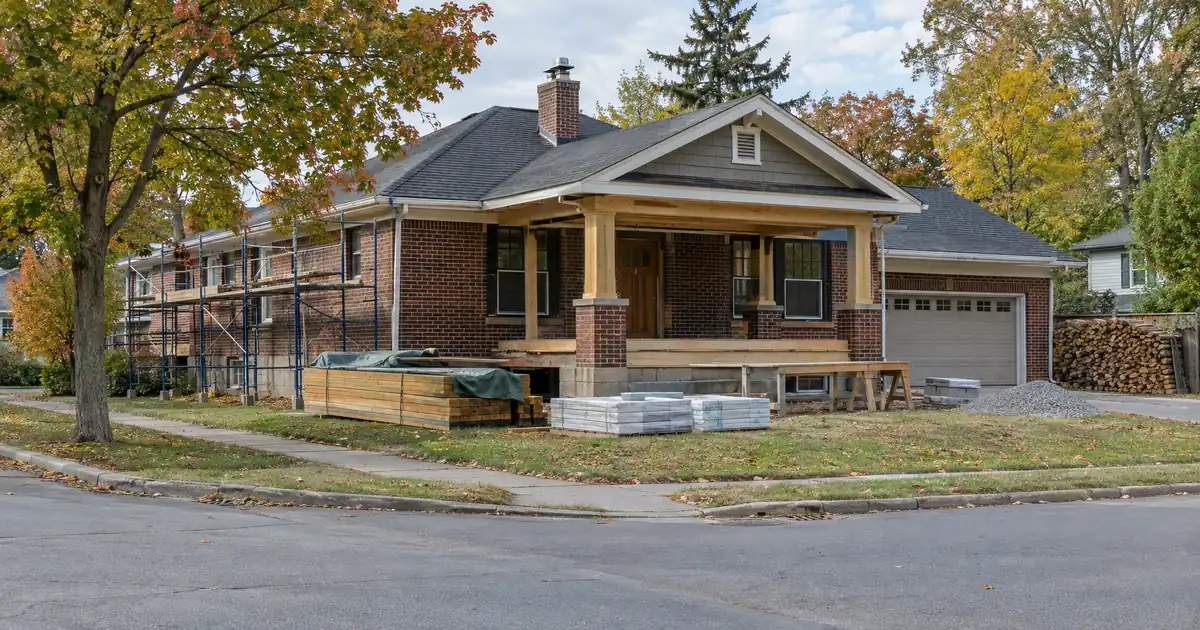
The Quick Read: The cash a flipper holds between draws is set by the largest phase of work they must pay for before the lender reimburses it, plus carrying costs and an overrun buffer, and it is not set by the size of the loan.
- A draw is a reimbursement. The flipper pays for the work, the lender inspects it, and the lender releases the money.
- Funding up to 100% of the rehab budget still leaves the flipper fronting each phase.
- Experienced operators size cash by phase size, not by loan size.
- A lender’s required reserve and the cash an operator chooses to keep are separate numbers.
- Overruns the draw schedule does not cover raise the payoff and the cash needed at exit.
No rule says how much cash a flipper must hold between draws. No regulator sets a number. The figure comes from the loan agreement, the lender’s credit policy and the project’s own schedule. Araze, a draw-inspection vendor, says no federal rule fixes an inspection schedule. It adds that the loan agreement and credit policy set how often inspections happen.
What this loan actually costs to carry.
Hard money is sized against the project and priced by time. Enter the deal and see how much the program will lend, the cash required at closing, the carry while you hold it, and what is left at the exit.
Leverage tiers on the current program: 85% with fewer than 2, 90% with 2 or more, 93% with 5 or more completed projects — every tier capped at 75% of after-repair value. Loan amounts up to $5,000,000, larger by exception; terms of 6 to 18 months, interest-only, no prepayment penalty. The rehab portion funds in draws against completed work, not at closing.
Program parameters shown update from Lendmire’s centralized guideline source. Rate, points, and months are editable assumptions, not quoted terms.
Cost cap sets the loan · positive spread
Illustrative estimate only — not a quote, Loan Estimate, approval, or commitment to lend. Rate, points, and months are editable assumptions. Hard money is business-purpose financing for real estate investors, not a consumer mortgage. Leverage on the current program tops out at 93% of project cost for investors with a documented track record, capped at 75% of after-repair value, with rehab funding up to 100% of the documented budget released in draws; actual terms vary by lender, borrower experience, property, and exit. Lendmire is a mortgage broker, not a lender.
This article explains the mechanics step by step. It also covers how experienced operators size their float and where the usual logic breaks.
How Do Hard Money Draws Work as Reimbursements?
A draw pays you back for work you have already done. The lender keeps the rehab money in a holdback at closing and releases it in stages as work is finished and verified. So the money exists, but it is not in your account when the contractor needs it.
Araze describes a holdback as loan money the lender keeps back at closing and releases in stages, and on a rehab loan that holdback is usually the renovation budget. Elite Commercial Servicing, a third-party draw administrator, says most costs are funded in arrears, reimbursing only the percentage of work completed at inspection.
The sequence looks like this:
1. Budget and scope of work. The lender approves a line-item budget at closing and holds the rehab portion back.
2. Draw schedule. The budget is split into milestones, such as demo and framing, rough-ins, drywall, finishes and a final punch list.
3. Borrower pays first. The flipper or the contractor pays for the phase.
4. Draw package. The flipper submits invoices, a schedule of values and lien waivers.
5. Inspection. A third party verifies the work.
6. Title check. Title searches for new liens since the last draw before more money goes out.
7. Funding. The lender releases the draw, sometimes minus fees or retainage.
Every step between three and seven is a place where cash sits out. That gap is what the float has to cover.
The Three Layers of Cash an Experienced Flipper Holds
Experienced flippers think in three layers, not one number. Each layer answers a different question, and mixing them is how projects run dry.
| Layer | What it covers | Who sets it |
|---|---|---|
| Stage float | Cost of the next phase before reimbursement | The draw schedule |
| Carry and interest reserve | Interest, taxes, insurance, utilities | The loan and the property |
| Operator buffer | Overruns and delayed draws | The operator’s own policy |
Stage float. This is roughly the cost of the largest single phase you must pay before it gets reimbursed. Smaller phases lower it. Larger phases raise it.
Carry costs. Interest keeps running while work happens. Hard money in Lendmire’s network is interest-only, so carry is a steady monthly obligation, and taxes, insurance and utilities sit on top of it. None of it is reimbursed by a draw.
Operator buffer. This is the cash a flipper keeps because projects surprise people, not because a lender asked. The first phase is where hidden conditions usually surface, so many operators hold the most buffer there.
A lender’s reserve or liquidity requirement, where one applies, is a floor for the file. An operator’s buffer is a policy. The two are separate, and the policy is usually larger.
What Do Practitioners Say the Float Should Be?
Practitioner guidance is anecdotal. There is no standard percentage. One BiggerPockets thread has a lender-member reply saying a newer flipper should plan on roughly 10–15% of the rehab budget to get started. The same reply adds roughly 10–15% of the purchase price, plus closing costs, financing costs and payment reserves.
That is advice aimed at a newer flipper. A different BiggerPockets discussion has a reply saying active rehabbers can often borrow nearly all of purchase and construction, leaving almost nothing out of pocket at closing. Both can be true. The experienced flipper puts less in at closing, but still fronts each phase while waiting for reimbursement.
The first BiggerPockets thread also has a contractor saying most hard money lenders fund about 70% of purchase and 100% of rehab. That is a market-wide comment, not a network term. Across the wholesale network behind Lendmire, leverage is tiered by completed projects and measured against cost, not purchase price alone:
- 93% of project cost at 5 or more completed projects
- 90% of project cost at 2 or more completed projects
- 85% of project cost with fewer than 2 completed projects
- Every tier capped at 75% of after-repair value
- Up to 100% of the rehab budget funded in draws against completed work
These figures vary by lender, property, and experience, and none of them is a commitment to lend. The 100% applies to the rehab budget only. There is no true 100% purchase program, and a flipper using the top tier still brings the balance of project cost, plus closing costs and carry, out of pocket.
How Do You Size the Float? A Worked Example
Size it by finding the largest unreimbursed stretch, then adding carry and a buffer. The method is simple: float equals the largest phase, plus the carry for that phase, plus the buffer. Run it across the whole schedule, not only the first draw.
The example below uses modeled assumptions, not market data. The rehab budget is split into five phases by share of the total, and each phase is fronted by the flipper and reimbursed after inspection.
| Phase | Share of rehab budget | Cash fronted before reimbursement |
|---|---|---|
| Demo and framing | 30% | 30% |
| Rough-ins | 25% | 25% |
| Drywall | 15% | 15% |
| Finishes | 25% | 25% |
| Punch list | 5% | 5% |
If each draw reimburses promptly, exposure peaks at the largest phase, 30% of the rehab budget, plus carry. It does not stack to 100%. That is why the BiggerPockets 10–15% guidance for newer flippers makes sense only when phases are smaller than the example above. It also shows why batching work into fewer, bigger phases pushes the float up.
Now add the realities. Reimbursement is not instant, so a flipper often starts the next phase before the last draw lands. That overlap can push exposure past the largest single phase. In practice the peak sits between one and two phases, depending on how the schedule and the funding cycle line up.
A flipper holding a standing liquidity policy would add a buffer on top of that peak. The buffer scales with scope risk, not loan size, so a cosmetic rehab and a gut rehab at the same loan size call for very different buffers.
What Delays and Overruns Add to the Number?
Delays and overruns are the reason the buffer exists. Each one adds cash on top of the base float, and the stress test below shows where.
| Event | What it does to cash |
|---|---|
| Late inspection | Next phase is fronted before the last is repaid |
| Draw held for lien waivers | Reimbursement waits; carry keeps running |
| Stage-one overrun | Overrun is fronted and may not be reimbursed |
| Title date-down | Funding waits on a new lien search |
Rabbet, a construction-payments software firm, says missing or incomplete lien waivers, especially at the subcontractor level, are the leading cause of draw rejections. That makes waiver hygiene a cash issue, not paperwork. A rejected draw leaves the flipper carrying the phase until the package is fixed.
Title adds its own gate. A title company searches for new liens since the last draw and issues a date-down endorsement, and Cislo Title describes the same flow of sworn statements, lien waivers and chain-of-title review before it endorses to the lender. Elite Commercial Servicing says a lender may require date-downs on a single draw over $75K or once aggregate draws reach $100K. Those are one servicer’s thresholds, not a universal rule, but they show how larger draws attract more checks.
The unreimbursed overrun matters most. If the draw schedule does not cover it, the overrun raises the payoff at refinance or sale. Brookmont Capital, a construction-finance advisor, frames holdbacks as a liquidity gap that has to be planned for from day one.
Where the General Rule Breaks
The rule that float follows the largest phase holds for typical flips. It bends in a few named cases.
Larger loans and larger draws. Bigger draws bring more title and waiver checks, as the servicer thresholds above show. That adds steps between work and money.
Retainage. Some construction loans hold back a percentage of each draw until completion. Brookmont cites 5–10% per draw for commercial construction. That is an advisor’s figure for commercial work, not a Lendmire network term, and retainage matters more on ground-up or large projects than on a typical flip. It is relevant here only because it would stretch the float further if a lender applied it.
Partial advances. Araze notes some lenders advance part of the first draw or fund material deposits, with terms set in the loan agreement. Where available, that can shrink the first-phase float.
Multiple projects at once. An experienced operator running several flips cannot size each in isolation. Peak exposures that overlap add together. Staggering start dates so one project’s reimbursement funds another’s gap lowers the combined peak.
Flip versus rental exit. A BiggerPockets discussion says the rental route only works if the after-repair value is strong and little cash is left in the deal. A flipper who plans a rental exit has more reason to keep the float small and the overruns lower.
How Do You Shrink the Float?
Smaller phases, firmer contractor terms and cleaner packages all lower the cash you need on hand. Each lever has a cost, so the choice is a trade.
- More draws, smaller phases. Shrinks exposure but adds inspection fees and admin work. Find the break-even where extra draw fees cost less than the cash they free.
- Contractor terms. Pay on milestones, not up front, so you pay only after the work exists.
- Supplier terms. Deposit-only or delayed-payment terms on materials can ease a heavy phase.
- Clean draw packages. Invoices, waivers and photos ready at completion avoid rejected draws.
- Prompt requests. Request the draw as soon as the phase is complete, not at month end.
Cutting the buffer is not on the list. An experienced operator cuts float, not safety margin.
Where Should the Cash Sit?
Keep reserve cash in an account separate from personal funds and from operating cash for other projects. That separation matters for two reasons. It stops one project’s shortfall from draining another, and it gives a lender a clean record if it asks to see liquidity.
Lenders and brokers verify liquidity from account statements. Mixed accounts make it harder to show what is truly available for the project. Reserve requirements vary by lender, property and experience, so a flipper should confirm what a given file needs before assuming it.
Reserve cash can return to the pipeline when the project is past its risk points. Most operators keep it locked until the last major phase is funded and inspected, since the last phase is where overruns and holdbacks can still surprise.
What if the Number Is Bigger Than Your Cash?
If the calculated float exceeds your liquidity, change the deal, not the math. Work through these options in order.
1. Resequence scope. Move the biggest-ticket phase later or split it so it needs less fronting.
2. Add draws. Smaller phases cut the float, and the fees may be worth it.
3. Negotiate contractor terms. Milestone payments can match your cash curve.
4. Reduce the scope of work. Drop the extras that carry the most overrun risk.
5. Pass on the deal. A project you cannot fund through a delay is a project you may not finish.
Many flippers also plan the exit before the first draw. Hard money in the network is interest-only, with terms typically running 6 to 18 months and no prepayment penalty, and there are no multi-year options on the current program. Investors who need a longer runway often refinance a stabilized property into long-term DSCR financing, and Lendmire brokers that path. Lendmire’s complete DSCR loans guide explains how that long-term loan works, and the piece Can a Top-Tier Flipper Pay Off Hard Money With a DSCR Cash-Out? covers the payoff step in more detail.
A DSCR loan is a lump-sum, long-term product on a rentable property. It does not fund staged rehab, so it does not replace the float during the flip itself.
Key Terms Defined
Holdback: loan money the lender keeps at closing and releases in stages as work is verified.
Draw: a release of holdback funds, paid after the work is inspected.
Float: the cash the flipper fronts for a phase before reimbursement.
Lien waiver: a signed document from a contractor or supplier giving up lien rights for work already paid.
Date-down endorsement: a title update showing no new liens since the last draw.
Retainage: a share of each draw withheld until the project is complete.
Loan-to-cost: the loan as a share of total project cost, used for hard money instead of a plain purchase LTV.
Frequently Asked Questions
Does 100% rehab funding mean no cash is needed?
No. Up to 100% of the rehab budget can be funded in draws, but draws reimburse finished work, so the flipper still pays for each phase first. The flipper also covers closing costs, carry and any part of project cost above the leverage tier. Terms vary by lender, property, and experience.
How many draws should an experienced flipper ask for?
Enough that no single phase is bigger than the cash on hand. More draws shrink exposure but add inspection fees and admin work, so the right count sits where the extra cost is less than the cash it frees. The lender’s loan agreement sets what is allowed.
Does interest accrue on the whole rehab budget?
Interest generally runs on the drawn balance, not on holdback money not yet released, though the loan agreement controls. Carry on the purchase portion runs from closing. Because the structure is interest-only, the monthly obligation grows as draws are released.
Should a flipper spend the contingency?
Not early. Contingency exists for overruns and delays, and spending it on scope creep leaves nothing for the surprise phase. Treat final-draw funds the same way, since they are reserved for finishing the work and not for backup.
How does experience change the cash a flipper must hold?
Experience can raise the leverage tier available, which lowers cash at closing. It does not remove the float, since reimbursement still follows the work. The network’s top tier, 93% of project cost, is reserved for investors with 5 or more completed projects, and all tiers are subject to lender guidelines.
If you are buying, rehabbing or refinancing an investment property and want to see how the numbers work, Lendmire can help you compare hard money options based on the project, the exit plan, leverage and your goals. Lendmire is a broker that arranges financing through select lenders in its wholesale network, covering 41 markets including Washington, D.C. The piece How Much Equity a Top-Leverage Hard Money Rehab Needs for DSCR Cash-Out is a useful companion before you size a deal.
About Lendmire
Lendmire is a non-QM mortgage brokerage (NMLS# 2371349) arranging DSCR investor loans in 41 markets, including Washington, D.C., through wholesale and investor-lending channels. DSCR loans are evaluated by the lender on rental income rather than personal income, subject to lender guidelines — a fit for LLC-owned portfolios, self-employed investors, and operators scaling beyond conventional loan caps. Recognized as a Scotsman Guide Top Mortgage Workplace in 2025 and 2026.
Get Started
Ready to find the right loan for you?
In about 30 seconds you can review financing options available for your investment property. No commitment required.
Informational only. Not a Loan Estimate, approval, or commitment to lend. Program availability and eligibility are subject to lender guidelines, credit approval, property review, and underwriting.
References
1. Araze – Draw Inspection FAQ
2. Elite Commercial Servicing – Ground-Up Construction Draw Process Guide
3. BiggerPockets – How Much Money To Save Before Flipping
4. BiggerPockets – Minimum Profit On Flip
5. Rabbet – Construction Draw Package Standard
6. Cislo Title – Construction Draw Guidelines
7. Elite Commercial Servicing – Draw Construction Budget Guide
8. Brookmont Capital – What Is Holdback in Construction Loans
9. BiggerPockets – Flip or BRRRR
This article is part of Lendmire’s hard money loan program — full qualification details, guidelines, and scenarios live on the program page.
Related reading: How to Document Private Loan Money on Your First DSCR Rental Loan · How to Decide Between a Cash-Out Refinance and Selling a Rental · How Much a DSCR Cash-Out Releases for a W-2 Investor Near the Loan Cap
Brandon Miller
Founder & CEO, Mortgage Loan Originator, Lendmire LLC
- Mortgage Loan Originator · NMLS# 1129696 · Verify on NMLS Consumer Access
- North Carolina Real Estate Broker · License# 343312 · Verify on NCREC
- North Carolina Insurance Producer · License# 19053198 · Property, Casualty, Life, Health · Verify on NAIC SBS
- Lendmire LLC · Firm NMLS# 2371349 · Verify firm licensure
Compliance and disclosures. Lendmire (NMLS# 2371349) is a licensed mortgage broker and is not a direct lender, depository institution, financial advisor, or tax professional. Content in this article is general market analysis and educational information — not financial, legal, or tax advice for any specific situation. Lendmire does not guarantee loan approval; every transaction is subject to underwriting by the funding lender. Mortgage pricing and loan program guidelines are subject to change at any time without notice and vary by borrower characteristics, property type, and state regulations. Lendmire complies with Equal Housing Opportunity. Licensure verification: NMLS Consumer Access.