
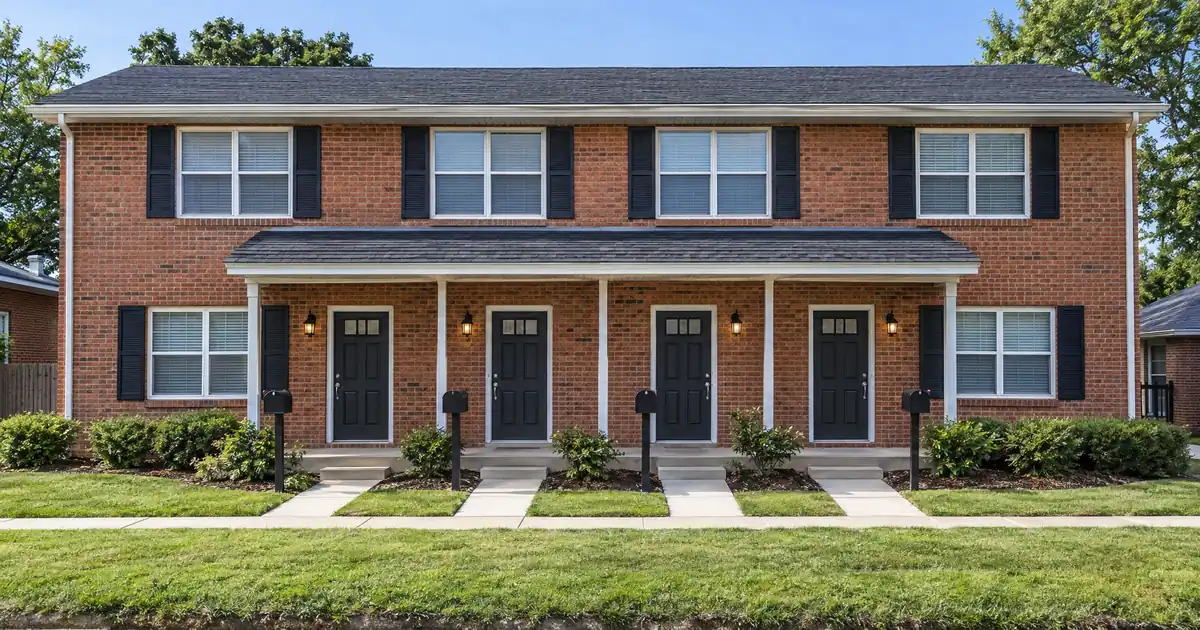
The Quick Read: If you live in one of the units, a conventional cash-out refinance can put cash in your hands, but the ceiling is 75% of the home’s appraised value, not the 80% a one-unit home gets. That new loan first pays off your current mortgage, any other liens and the closing costs. Whatever is left comes to you. Your reserves, your debt ratios and how long you have owned the home all shape the result.
Key Terms Defined
Cash-out refinance: A new first mortgage, larger than the one it replaces, that pays off the old loan and hands you the difference in cash.
Limited cash-out (rate-and-term) refinance: A new loan that pays off your current mortgage and costs, with only incidental cash back.
LTV (loan-to-value): The new loan balance divided by the appraised value of the home.
Seasoning: How long you have held the loan and the title before a lender will count the equity as yours to borrow against.
Reserves: Cash and liquid assets you still hold after closing, measured in months of your housing payment.
Rent schedule: The appraiser’s opinion of what each unit rents for, plus your leases and rent history.
What “Cash Back” Really Means
“Cash back” covers two different loans, and the line between them matters. A limited cash-out refinance replaces your mortgage and rolls in closing costs, and only small incidental cash comes back. Past that small allowance, the loan is reclassified as a true cash-out refinance. Fannie Mae’s Selling Guide treats them as separate products with separate rules.
Across the wholesale programs Lendmire places files with, the practical difference is leverage. A limited cash-out on a one-unit home reaches 95% LTV. A true cash-out on that same home tops out at 80%. Once cash is on the table, the lender wants a bigger equity cushion. Every figure here varies by lender and program — guidelines, property type, leverage, and credit profile all apply.
Can You Take Cash Out of a Home You Live In With 2-4 Units?
Yes. A duplex, triplex or fourplex is eligible as a principal residence as long as you occupy one unit. Freddie Mac’s 2- to 4-unit program page lists owner-occupied primary residences and cash-out refinances among eligible transactions.
Occupancy is not a formality. On a primary-residence cash-out, every borrower on the loan is expected to live there. If you plan to move out and rent all the units, you are in a different loan category, with different leverage. Occupancy decides the product, so settle that question before you apply.
If you are weighing this against the equity you could reach on a one-unit home, Lendmire’s cash-out refinance programs page lays out the options side by side.
How Much Cash Can You Actually Get?
Less than the headline LTV suggests. The ceiling is the appraised value times 75%. That figure is the maximum new loan, not your check.
Out of that ceiling come, in order:
1. The payoff of your existing first mortgage.
2. Any other liens being paid off, such as a home equity line or second mortgage.
3. Closing costs, prepaid items and escrow deposits.
What remains is your cash. Picture a fourplex that appraises well and carries a modest first mortgage. The maximum new loan is 75% of that value. Subtract the payoff and costs, and the check can be far smaller than 75% minus the balance would imply. Costs on a cash-out also tend to run higher than on a plain refinance, because lenders price extra risk into cash-out loans through fee adjustments.
One more wrinkle. If a second lien stays in place, it counts toward your combined LTV. Freddie Mac’s Guide §4203.1 sets the 75% cash-out limit on 2- to 4-unit primary residences and counts subordinate financing in the total. Don’t assume an old HELOC can simply remain. Final terms depend on lender guidelines, property type, leverage, and the borrower’s complete credit picture.
Why 2-4 Units Get a Lower Limit
The extra units add risk the lender prices in. A multi-unit property is harder to sell, more dependent on tenants and costlier to run. So the agencies cap cash-out leverage lower than for a one-unit home.
| Property | Conventional cash-out LTV | Limited cash-out LTV |
|---|---|---|
| One-unit primary home | 80% | 95% |
| 2-4 unit primary home | 75% | 95% |
The 95% figure for 2-4 units belongs to purchases and limited cash-out only. It does not apply once you take real cash. Fannie Mae’s eligibility matrix lays out these limits by unit count. This is the most common misreading on the topic, and it explains many lender “no” answers.
How the Other Units’ Rent Is Counted
Rent from the unit you live in generally cannot be used to qualify. Rent from the other units can help, but only when it is documented. Freddie Mac says rental income from the other units can be added to qualifying income when calculating housing expense and debt ratios.
Fannie Mae’s rental income rules still require the lender to report monthly gross rent for each unit on a 2-4 unit primary residence, even when that rent isn’t used to qualify.
In practice, the file typically includes:
- Signed leases for each rented unit.
- Rent history, such as deposits or payment records.
- The appraiser’s rent opinion, which comes from the appraisal on small multi-unit homes.
Vacant and month-to-month units are the weak spot. A unit with no lease or history gives the underwriter little to count. If one of your units is empty, expect that rent to carry little or no weight.
The Time and Ownership Clocks
You cannot cash out right after you buy or refinance. Two clocks run. Under Fannie Mae’s rules, the existing first mortgage must be at least 12 months old, measured note date to note date, and at least one borrower must have been on title for 6 months. Fannie Mae announced the 12-month test in SEL-2023-01.
Exceptions exist: delayed financing for cash purchases, inheritance, legal awards and buying out a co-owner under a legal agreement. A home currently listed for sale must be off the market before the loan funds.
What Lenders Look At: Credit, Ratios and Reserves
Credit and debt ratios work much as they do on any conventional loan. Across the wholesale conventional programs, the floor starts at a 620 decision score. The automated finding governs most files, with a total ratio ceiling of 50%. Manually underwritten loans run tighter, at 36% or 45% depending on reserves and score. A wholesale lane reaches 89.99% LTV with no mortgage insurance at a 680 score, but that applies to primary residences with conforming balances, and it is a separate lane from the 2-4 unit rule above.
Reserves are the quiet gatekeeper. Fannie Mae asks for six months of the housing payment on a 2-4 unit principal residence, and six months again on a cash-out with a ratio above 45%. Cash you receive from the refinance is netted out of your reserves. The cash-out check does not double as your cushion. Fannie Mae’s reserve requirements spell out the rules; confirm the current version with your loan officer. These specifics are subject to lender guidelines and a full review of property, leverage, and credit.
Mortgage insurance matters only if leverage crosses 80%, which a 75% cash-out doesn’t. That is one small advantage of the lower cap. Terms depend on the lender’s guidelines, the property type, the leverage, and a full review of the credit profile.
Which Loan Type Fits?
Conventional is the main lane for cash-out on a 2-4 unit home, but the other programs behave differently.
- FHA: The Streamline refinances an existing FHA loan with limited underwriting. It is not a cash-out tool. FHA does have a standard cash-out refinance, which carries its own tighter leverage and occupancy-history requirements.
- VA: The IRRRL refinances an existing VA loan and generally pays no cash to the borrower. VA’s separate cash-out refinance is the equity product, and the veteran must occupy the home. The VA Lenders Handbook describes it as refinancing a loan on a residence owned and occupied as a home.
- USDA: No cash-out refinance option.
- Jumbo: When the new loan exceeds the conforming limit, the jumbo lanes take over, with their own credit and reserve standards.
Veterans with a multi-unit home often find VA’s occupancy rules the deciding factor, so confirm eligibility early. Lendmire’s related piece Should You Cash-Out Refinance a 2-4 Unit Rental or Hold Off? covers the case where you’ve moved out.
Where the General Rule Breaks
The 75% rule has exceptions in both directions. Check these before you plan around a number.
- Condos and co-ops: Attached condo units and co-op units are not eligible for the 2-4 unit programs.
- Manufactured homes: Cash-out leverage is lower, and 2-4 unit manufactured homes sit in a separate row of the matrix.
- Free-and-clear homes: A new mortgage on a home with no existing lien is treated as a cash-out refinance, not a rate-and-term.
- Moving out: Leaving the home changes the occupancy class and the loan product.
- Texas homesteads: The state constitution caps cash-out on the homestead, and the wholesale 89.99% lane is not written there.
- Existing low-rate first mortgage: A cash-out replaces the entire loan, so your whole balance takes the new terms, not just the cash you pull.
Is the Cash Worth It? A Decision Check
A cash-out replaces your mortgage with a larger one. The CFPB’s guide to using home equity notes your payment may rise, your payoff period may lengthen and your terms change. It also notes no option converts 100% of your equity to cash.
Put the proceeds to the test:
- Value-building use: Repairs or improvements to the units may raise rents or value.
- Debt payoff: The CFPB’s research on cash-out borrowers found credit scores improved at first, but card balances often crept back. It also flags that moving unsecured debt into home-secured debt can raise foreclosure risk.
- Alternatives: A limited cash-out costs less if you only need a better loan, and a home equity line leaves your first mortgage untouched.
Tax treatment can depend on your situation; borrowers should speak with a qualified tax professional before relying on any deduction or credit.
The Process, Start to Finish
1. Decide your purpose and confirm you’ll live in the home.
2. Check the clocks: loan age and time on title.
3. Gather documents: mortgage statement, payoff figures, insurance, income records, leases and rent history.
4. Order the appraisal. On 2-4 unit homes it is typically a small residential income property report that includes a rent opinion.
5. Review the Loan Estimate and, later, the Closing Disclosure.
6. Close, with cash disbursed after the payoffs and costs.
Lendmire’s article How Reserves Are Counted on a 2–4 Unit Rental Cash-Out Refinance goes deeper on step three’s cash requirements, though it focuses on the rental lane.
Frequently Asked Questions
Can I do a cash-out refinance if I live in a duplex and a lender turned me down?
Often, yes, with a different lender. Some lenders add stricter overlays on multi-unit homes or skip them entirely, though the agency rules allow owner-occupied 2-4 units. A broker can check which wholesale programs fit your file. Approval is subject to lender guidelines and full file review.
What if I move out after the cash-out closes?
The loan was written as a primary residence, so you committed to occupying it. Moving out later is a different matter than misstating occupancy at application. Discuss your plans with the loan officer up front, since leaving changes which loan products apply.
Can I use the 95% LTV that 2-4 unit purchases get?
No. That figure applies to purchases and limited cash-out refinances. A true cash-out on a 2-4 unit primary residence tops out at 75% conventional. The exact numbers vary by lender and program and follow a full review of property, leverage, and credit.
Does an FHA or VA streamline give me cash back?
Not meaningfully. Both are built to lower the cost of an existing loan, and only small incidental adjustments are allowed. For real equity, you need a cash-out product.
How soon can I cash out after buying?
Generally not right away. Expect a 6-month title requirement and a first mortgage that is at least 12 months old, unless an exception such as inheritance or delayed financing applies.
If you are weighing a cash-out refinance against keeping the loan you have, Lendmire can help you compare the programs and the equity each one reaches.
For your own numbers, request a scenario review with Lendmire.
For current guidelines and terms, see Lendmire’s refinance programs page.
About Lendmire
As a mortgage broker (NMLS# 2371349), Lendmire helps homeowners and home buyers in 16 states with FHA, VA, conventional and jumbo purchase and refinance loans arranged through wholesale lenders. Lendmire is never the lender; program terms are set by the lender and the agency guidelines. Scotsman Guide named Lendmire a Top Mortgage Workplace in both 2025 and 2026.
Get Started
Ready to find the right loan for you?
In about 30 seconds you can review financing options available for your home or investment property. No commitment required.
Informational only. Not a Loan Estimate, approval, or commitment to lend. Program availability and eligibility are subject to lender guidelines, credit approval, property review, and underwriting.
References
1. Fannie Mae Selling Guide B2-1.3-03, Cash-Out Refinance Transactions
4. Fannie Mae Eligibility Matrix
5. Fannie Mae Selling Guide B3-3.1-08 Rental Income
6. SEL-2023-01
7. Fannie Mae Selling Guide B3-4.1-01 Minimum Reserve Requirements
8. VA Lenders Handbook, Chapter 3
9. CFPB, Using Home Equity guide
10. CFPB: CFPB Report Finds Cash Out Mortgage Refinance Borrowers Improve Credit Scores
This article is part of Lendmire’s Refinance series — every loan program’s qualification details, guidelines, and scenarios live on the loan options page.
Related reading: How Much Equity a Cash-Out Refinance Releases on a Two-to-Four Unit · Can a Cash-Out Refinance on Your Primary Home Fund a Second Home? · How to Get a Cash-Out Refinance on a Paid-Off Home in Retirement
Brandon Miller
Founder & CEO, Mortgage Loan Originator, Lendmire LLC
- Mortgage Loan Originator · NMLS# 1129696 · Verify on NMLS Consumer Access
- North Carolina Real Estate Broker · License# 343312 · Verify on NCREC
- North Carolina Insurance Producer · License# 19053198 · Property, Casualty, Life, Health · Verify on NAIC SBS
- Lendmire LLC · Firm NMLS# 2371349 · Verify firm licensure
Required disclosures. Lendmire (NMLS# 2371349) operates as a licensed mortgage broker, not a direct lender or depository. The discussion in this article is general in nature and should not be relied upon as financial, legal, or tax advice — every investment scenario is unique and should be reviewed by a qualified professional. Any loan inquiry is subject to lender underwriting, and this article is not a commitment to lend or a guarantee of approval. Mortgage rates, loan terms, and program guidelines vary by borrower, property, and state, and may change without notice. Equal Housing Opportunity. Verify licensure at NMLS Consumer Access.