
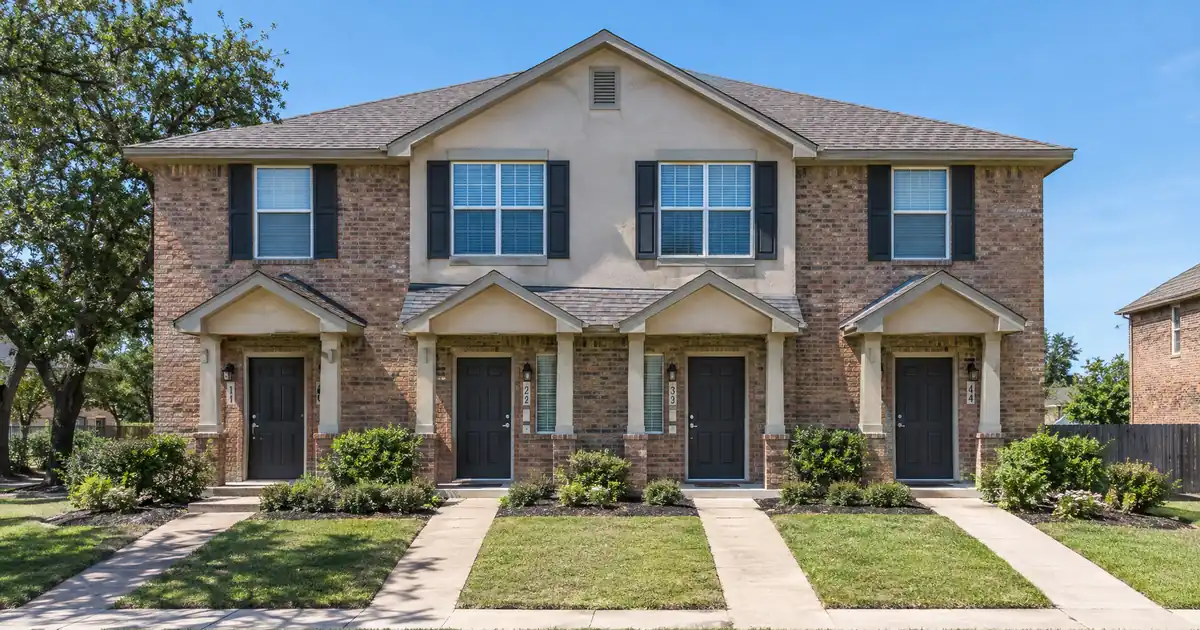
A cash-out refinance in Harker Heights starts with an appraisal, and right now the appraisal isn’t doing the investor any favors. Redfin puts the median sale price near $302K, down 4.2 percent year over year, with homes sitting 77 days on market versus 59 a year earlier. Equity on a DSCR cash-out gets sized from the lesser of what the value supports and what the leases support. In this city, the leases usually set the limit.
DSCR Cash-Out Calculator
Run the cash-out numbers in Harker Heights, TX
Rate source: Freddie Mac 30-yr average via FRED® — Federal Reserve Bank of St. Louis · effective Sep 24, 2026
Prefilled with starting assumptions — enter your property’s value, balance, taxes, and insurance for a more accurate picture.
Program parameters update from Lendmire’s centralized guideline source. Taxes and insurance are editable estimates.
As of Sep 24, 2026 · General Freddie Mac market benchmark, not a Lendmire loan offer. Property value, balance, taxes, and insurance are editable estimates. Maximum loan-to-value varies by lender, program, property type, and seasoning. Not a Loan Estimate, approval, or commitment to lend. Program availability and eligibility are subject to lender guidelines, credit approval, property review, and underwriting.
Key Takeaways:
A cash-out refinance on a Harker Heights, Texas rental is underwritten primarily on the property’s rental income measured against its full monthly obligation, with the loan capped at 75 percent of appraised value and sized by what the leases support, not by how much equity exists on paper.
- Median sale price has softened over the past year, and sits at a modest level compared with the broader Texas market.
- Single-family detached homes make up the large majority of housing units, so duplexes and fourplexes are scarce.
- Rents are flat to softening, so underwrite coverage at market rent, not housing-allowance ceilings.
- Seasoning runs about six months from title recording, and reserves run about six months of full housing payment.
This piece is about pulling equity out of a property already owned. Purchase mechanics are a separate conversation.
Harker Heights Market Snapshot
A quick read on the Harker Heights investor landscape — figures come from the cited sources below. Confirm current property-level numbers before underwriting.
| Metric | Detail |
|---|---|
| Home prices | $324,999 March 2026 median list (Wayfinder Builders blog) |
| Typical rents | $1,220 median gross (City-data Harker Heights) |
The Appraisal Problem Nobody Mentions
Softening prices mean cash-out proceeds in Harker Heights come mostly from rent-driven value and forced appreciation, not from market lift. An investor who bought a year ago should not assume the appraisal will land above the purchase price.
The Redfin snapshot shows price per square foot at $144, down 7.1 percent, and 112 sales in June versus 113 the year before. Volume is steady, but pricing is soft. One broker dashboard from Hayden Eastwood shows a $305,000 median with 289 active listings across a recent three-month window. Another broker guide claims double-digit annual appreciation. These sources disagree, and the Redfin trend is the one worth planning around. Treating the rosier figure as fact is how a cash-out file gets re-sized at appraisal.
Two program mechanics matter here. Cash-out leverage tops out at 75 percent of value, which is a hard ceiling and not the 80 percent that applies to purchases. And seasoning runs about six months of ownership measured from title recording, subject to lender guidelines. For an investor who bought a value-add duplex, six months of lease-up and rehab can move the appraisal more than the market will. For one who bought a turnkey property at full price, the refinance may return less than expected.
Why Single-Family Struggles and Stacked Units Pencil
Harker Heights single-family rentals carry thin rent-to-value, which limits cash-out proceeds. Duplexes and fourplexes, where two or four rent streams sit on one price, are where coverage improves enough to support a meaningful balance.
Start with the city-wide picture. Zumper reports a median rent of $1,400 across property types, flat over the year, while City-data’s census-derived figure shows $1,220 in median gross rent. Against a $302K median price, rent runs roughly 0.46 percent of price per month. That’s an illustration, since the sources are different vintages. Still, a single-family rental at that ratio generally won’t clear 1.00 once taxes and insurance are included, if the borrower pushes toward the 75 percent ceiling. Texas carrying costs are the reason. How DSCR coverage is calculated is monthly rent divided by the full monthly obligation, and in this state the tax and insurance line eats a large share of it.
Now run the numbers on a stacked product. New-construction duplexes on roads like Pima Trail and Clore Road have been listed in the high-$300s, according to a builder blog. LRG Realty puts three-bedroom rents around $1,400 to $1,700 in Harker Heights. Model both sides as three-bedroom units and rent lands somewhere around 0.7 to 0.9 percent of price. That’s modeled arithmetic, not a sourced ratio. At that range, coverage including taxes and insurance plausibly sits near the 1.00 line, and an investor should round down, not up. Near the line is workable. Comfortably above it requires lower leverage or a lower-priced building.
Is the duplex always the better play? Not for everyone. If you hold a single rental personally, have strong traditional employment income, and the property is the only one you finance, the conventional versus DSCR on investor loans choice may tilt conventional. Cash-out through a conventional lane can cost less and tolerates thin rent-to-value, because it underwrites you instead of the property. The flip point comes when the portfolio grows past what conventional will carry, when the property sits in an LLC (subject to lender program eligibility), or when traditional personal-income documentation doesn’t show the income cleanly. Then DSCR becomes the practical path.
Local multifamily is mostly duplexes and fourplexes, with very few triplexes. A Homes.com snapshot listed 29 multifamily homes for sale, priced from $189,000 to $1,778,600. That spread is wide, and it tells you comps are dispersed. If the collateral is a triplex, expect thin comparables and a harder appraisal. Underwrite assuming the appraiser will reach for duplex or fourplex sales.
Where the Pockets Differ
Older entry-level pockets lead on rent-to-value. Newer master-planned areas lead on amenities and struggle to cover as single-family. The sourcing here is broker commentary, so verify against MLS before committing.
The older Indian Trail and Dana Point areas offer entry from the low-to-mid $200s according to LRG’s neighborhood guide. Against a 3BR rent floor near $1,400, that works out to roughly 0.6 percent of price (derived, not sourced). It’s the cash-flow-led product. Bella Charis runs $350,000 to $500,000, and with newer-build rents above $1,800 the ratio falls to around 0.4 to 0.5 percent. As a single-family, that’s an appreciation and amenity story, and it will struggle to clear coverage at high leverage. Skip it for cash-out unless the borrower is deliberately accepting a lower-leverage structure.
Near Harker Heights High School and Stillhouse Hollow Lake, local managers advertise three-bedroom duplexes, though the rents aren’t verified. The Market Heights retail center, anchored by Target and Ross, is more a demand signal than a rental pocket. The corridor is car-dependent with no downtown core.
Killeen next door is the lower-priced comparison. Three-bedroom rents run $1,200 to $1,500 there versus $1,400 to $1,700 here, while Harker Heights carries a price premium of roughly $20,000 to $40,000 for comparable square footage. The rent premium is modest and the price premium is larger. Harker Heights is a quality-and-stability play, not a yield play. Investors chasing yield with extracted proceeds might find the stronger play is reinvesting across the line in Killeen. Others would argue Harker Heights’ retail base makes it the safer hold. It’s a genuine toss-up.
The Demand Base and Its Single Point of Failure
Fort Cavazos is the demand anchor, and also the concentration risk. Rental demand here is steady, but it’s tied to one employer.
The Texas Economic Development Corporation says the Killeen–Temple–Fort Hood metro has more than 475,000 residents, and that Fort Cavazos supports more than 36,000 active-duty personnel. The Harker Heights Chamber of Commerce cites healthcare, retail, and the military presence as cornerstones. Per HomeSnacks, the city has 33,595 residents, up 35 percent since 2010, with median income of $82,685. RentCafe’s tenure data shows 4,522 renter households, 38 percent of the total, against 7,440 owners. That’s a real rental pool, but most housing is owner-occupied.
Healthcare supports demand from two directions. The City of Harker Heights lists Seton Medical Center in town, Metroplex Adventist in Killeen, and the Baylor Scott & White campuses in Temple, roughly 18 to 22 minutes east.
One more detail matters. Harker Heights, Copperas Cove, and Belton fall in the same housing-allowance area, per LRG’s BAH guide. The allowance doesn’t rise with Harker Heights’ higher prices, and it’s designed to cover median rents, not premium ones. Source figures for specific allowance amounts conflict badly, so check the official Department of Defense calculator before quoting any. Underwrite at market rent, not at an allowance ceiling.
Working DSCR brokers see a recurring pattern in single-employer military-adjacent markets: the rent roll looks stable, but the appraiser and the lender both haircut the file for concentration. The files that move cleanest show leases at or below market rent, a documented reserve cushion, and leverage set below the 75 percent cap. Pushing to the ceiling on a flat-rent market tends to produce a re-sized offer.
Rent trend is the other watch item. Zumper’s July average shows rents down 4.49 percent year over year, while its earlier median read flat. Concessions on apartment-style supply compete with the lower end of duplex rents. Underwrite flat-to-down, not growth.
What Happens to the Proceeds?
Cash-out is only as good as the next deal. The strongest use of proceeds in Harker Heights is acquiring another stacked-unit property where coverage clears with room, not funding a reach elsewhere.
Picture an investor with a duplex owned past the seasoning window, rents at market, and a reserve account funded. After the 75 percent cap, reserves of about six months of full housing payment, and a coverage ratio at or above the 1.00 baseline, the proceeds depend on what’s left. They’re not a guaranteed figure. Lendmire’s DSCR cash-out refinance lays out how those inputs interact.
Run the numbers on the reinvestment side too. Pulling equity to buy a second duplex nearby makes sense if that one also clears coverage at current pricing. Pulling it to chase yield in a market where the math doesn’t work is a different decision, and one to stress-test first. A sub-1.00 structure may be available through select lenders, but the question to ask first is why the numbers need it.
DSCR vs. conventional financing
There are two common ways to finance an investment property in Harker Heights, TX, and they qualify you differently — here’s how investors weigh them.
Why investors choose it
- Qualifies on the property’s rental income — no personal tax returns, W-2s, or pay stubs needed to document income.
- No personal debt-to-income ceiling to clear, so existing mortgages and obligations don’t cap your borrowing the same way.
- Can be closed in an LLC, keeping the property inside a business entity.
- Built for scaling — not held to the limit on number of financed properties that conventional financing applies.
- Underwriting centers on the deal: generally qualifies when the rent covers the payment, a 1.00x coverage ratio being a common baseline (confirmed in underwriting).
- Designed specifically for investment property, including long-term and, where the program allows, short-term rentals.
Where it’s strong
- Often the lowest ongoing financing cost for a buyer who fully qualifies on personal income — a fit for a first property or a cost-first purchase.
Trade-offs for investors
- Requires full personal income documentation and must fit within a debt-to-income limit — salary, existing debts, and other mortgages all count.
- Typically held in your personal name rather than a business entity.
- Caps how many financed properties you can carry, which can become a ceiling as a portfolio grows.
- Evaluates you as a borrower as much as the property, which usually means more paperwork.
How investors usually choose: a first or single property often optimizes for the lowest financing cost; portfolio builders often optimize for leverage, vesting in an LLC, and scaling past conventional caps. The right answer depends on your goals, the property, and current guidelines — both paths run through select lenders in Lendmire’s wholesale network, with eligibility and terms confirmed in underwriting.
The cleanest file from a documentation standpoint has complete leases, entity documents, title, and property details ready for lender review. Where some DSCR platforms require tax-return review despite the DSCR label, Lendmire, a non-QM mortgage broker, arranges programs built around property-level rental income, subject to lender guidelines. Credit tiers start at a 620 floor, and standard programs go up to $3,000,000. Smaller balances route through select lenders in the network. Manufactured homes, log homes, and barndominiums fall outside these programs.
For Texas-specific program detail, see Texas DSCR financing. Investors with a property that has cleared seasoning can talk to Lendmire at 828-256-2183.
Frequently Asked Questions
How do you qualify for a DSCR loan in Harker Heights?
Qualification centers on the property’s rent compared with its full monthly obligation, including principal, interest, taxes, and insurance. Most standard programs use a 1.00 baseline, with some lenders reviewing lower ratios at reduced leverage or with stronger compensating factors. Credit tiers begin at a 620 floor, and reserves run about six months. Final eligibility depends on the lender, credit profile, and property review.
What are the requirements for an investment property cash-out loan in Harker Heights, Texas?
Expect about six months of ownership from title recording, a leverage ceiling of 75 percent of appraised value, a coverage ratio at or above the program baseline, and roughly six months of reserves. Entity-owned properties are reviewed subject to lender program eligibility. The cash available is whatever remains after those limits, not a fixed figure.
Does flat rent change how much cash-out an investor can pull in Harker Heights?
Yes, because coverage is rent-driven. With median rent flat and the Zumper average down year over year, an appraisal that comes in soft and a rent roll that hasn’t grown both limit proceeds. Raising rents toward market before refinancing, or refinancing at lower leverage, are the two common adjustments.
Is a fourplex or a single-family rental easier to cash-out refinance here?
Fourplexes generally clear coverage more easily because four rent streams sit on one price, but comps are thinner and the appraisal can be harder. Single-family detached homes make up 67.96 percent of units, so single-family comps are plentiful, but rent-to-value is thin. The better fit depends on whether the investor values appraisal certainty or coverage cushion.
The Blind Spot
The biggest blind spot for DSCR-financed investors here is single-employer dependence. A local broker guide warns that a future base-realignment round or major drawdown at Fort Cavazos would hit every community in the corridor, and Harker Heights’ retail base and school reputation may cushion it without insulating it. A cash-out at the 75 percent ceiling on a flat-rent market leaves little room if rents slip. Stress-test coverage at a lower rent than today’s, hold leverage below the cap if the numbers get tight, and verify current local rules, property taxes, and insurance with qualified local professionals. In a city whose rent roll rises and falls with one Army post, the thinnest margin is the one to size first.
For current guidelines and terms, see Lendmire’s DSCR loan programs page.
About Lendmire
As a non-QM mortgage broker (NMLS# 2371349), Lendmire facilitates DSCR investor loans across 41 markets, including Washington, D.C. DSCR eligibility is generally reviewed around property-level rental income rather than personal income documentation, subject to lender guidelines, which serves LLC-structured portfolios and self-employed borrowers who don’t fit conventional boxes. The firm was recognized by Scotsman Guide as a 2026 Top Workplace and is also a 2025 Scotsman Guide Top Mortgage Workplace.
Get Started
Ready to find the right loan for you?
In about 30 seconds you can review financing options available for your investment property. No commitment required.
Informational only. Not a Loan Estimate, approval, or commitment to lend. Program availability and eligibility are subject to lender guidelines, credit approval, property review, and underwriting.
References
1. Redfin: Harker Heights Housing Market
2. wayfinderbuilders.com — Where New Construction Is Growing in Harker Heights
5. Zumper: Harker Heights Rent Research
6. LRG Realty
7. Homes.com
8. lrgrealty.com — Lrg Blog Harker Heights Neighborhood Guide
9. Texas Economic Development Corporation: Killeen–Temple–Fort Hood
10. Harker Heights Chamber of Commerce
11. HomeSnacks: Harker Heights
12. BAH guide
13. recognized by Scotsman Guide as a 2026 Top Workplace
14. a 2025 Scotsman Guide Top Mortgage Workplace
This article is part of Lendmire’s investment property cash-out refinance program — full qualification details, guidelines, and scenarios live on the program page.
Related reading: DSCR Cash Out Refinance in Harker Heights, Texas: Duplex Rent Stacking and Equity Pull · DSCR Cash Out Refinance in Boerne, Texas: Can the Rent Carry the Loan After Cashing Out? · DSCR Cash Out Refinance in Waco, Texas: The 2026 DSCR Financing Guide to Elm Avenue Rentals
Guides: Investment Property Cash-Out Refinance in Texas
Brandon Miller
Founder & CEO, Mortgage Loan Originator, Lendmire LLC
- Mortgage Loan Originator · NMLS# 1129696 · Verify on NMLS Consumer Access
- North Carolina Real Estate Broker · License# 343312 · Verify on NCREC
- North Carolina Insurance Producer · License# 19053198 · Property, Casualty, Life, Health · Verify on NAIC SBS
- Lendmire LLC · Firm NMLS# 2371349 · Verify firm licensure
Compliance and disclosures. Lendmire (NMLS# 2371349) is a licensed mortgage broker and is not a direct lender, depository institution, financial advisor, or tax professional. Content in this article is general market analysis and educational information — not financial, legal, or tax advice for any specific situation. Lendmire does not guarantee loan approval; every transaction is subject to underwriting by the funding lender. Mortgage pricing and loan program guidelines are subject to change at any time without notice and vary by borrower characteristics, property type, and state regulations. Lendmire complies with Equal Housing Opportunity. Licensure verification: NMLS Consumer Access.