
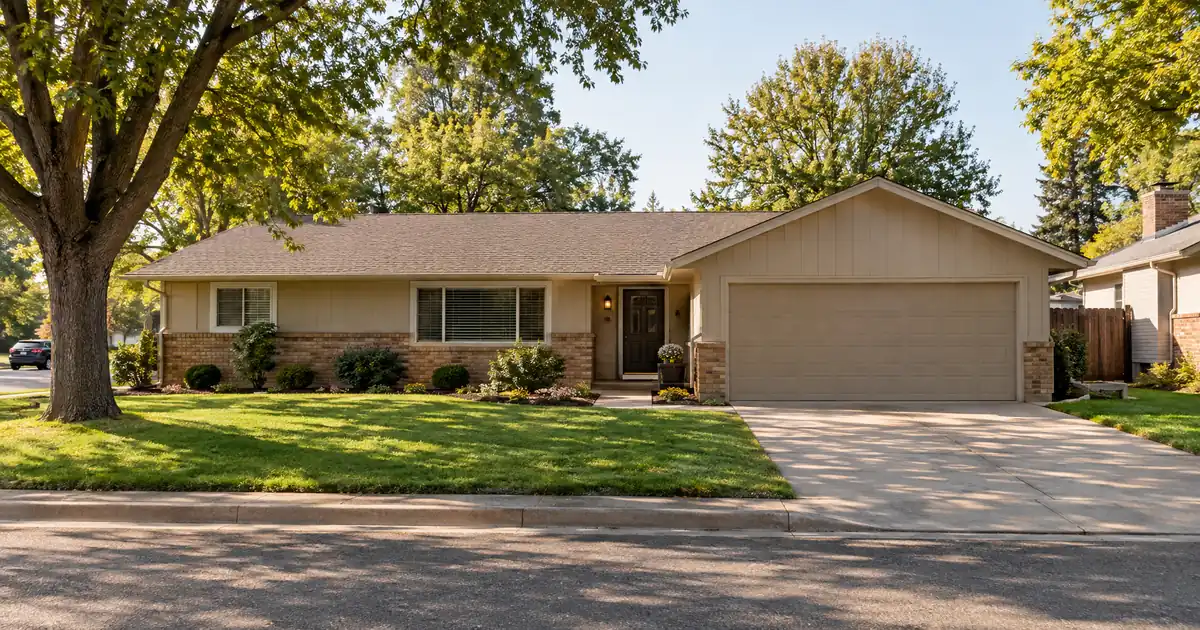
The Quick Read: A profit and loss loan is reviewed against business income, while a rental cash-out refinance qualifies the property primarily on rental income covering the payment, subject to lender guidelines, so the right pick depends on which of the two is stronger and how the property is used. The two are not a clean either/or, because a profit and loss file can itself be a cash-out.
- A P&L file suits self-employed owners with clean books, a CPA, and an owner-occupied or second-home property.
- A rental cash-out suits non-owner-occupied rentals where the rent covers the full monthly obligation.
- On select lenders in Lendmire’s wholesale network, owner-occupied alt-doc cash-out typically tops out near 80% LTV, and investment-property cash-out near 75% LTV.
- Occupancy decides the paperwork regime, so settle it before you pick a path.
- Cash-out raises the new balance, which lowers rent coverage. Clearing the test is not the same as positive cash flow.
The Honest Answer First
These two options answer different questions. The P&L route asks, “How much does this borrower earn?” The rental cash-out asks, “Does this property pay for itself?”
DSCR Cash-Out Calculator
Run the cash-out numbers in your market
Rate source: Freddie Mac 30-yr average via FRED® — Federal Reserve Bank of St. Louis · effective Oct 15, 2026
Prefilled with starting assumptions — enter your property’s value, balance, taxes, and insurance for a more accurate picture.
Program parameters update from Lendmire’s centralized guideline source. Taxes and insurance are editable estimates.
As of Oct 15, 2026 · General Freddie Mac market benchmark, not a Lendmire loan offer. Property value, balance, taxes, and insurance are editable estimates. Maximum loan-to-value varies by lender, program, property type, and seasoning. Not a Loan Estimate, approval, or commitment to lend. Program availability and eligibility are subject to lender guidelines, credit approval, property review, and underwriting.
A self-employed owner who lives in the home and wants equity out is the P&L borrower. An investor holding a leased rental, often in an LLC, is the rental cash-out borrower. The overlap is the self-employed investor who owns rentals. That person can often use either path, and a broker who sees many lenders’ guidelines can compare both side by side.
For the full picture of how rent-based loans work, see Lendmire’s complete DSCR loans guide.
Side-by-Side
The P&L column below reflects the alt-doc programs Lendmire’s network places. The rental column reflects published industry norms for DSCR cash-out loans. Exact terms follow individual lender program sheets.
| Factor | Profit and loss loan | Rental (DSCR) cash-out |
|---|---|---|
| What is underwritten | Borrower’s business income | Property’s rent vs. its obligation |
| Core document | Accountant-prepared P&L or 12 months of statements | Lease or appraisal rent schedule |
| Personal debt review | Usually part of the file | Typically not the basis |
| Property types | Primary, second home, investment | Non-owner-occupied investment |
| Entity vesting | Often an individual borrower | LLC common, with personal guaranty |
| Disclosure regime | Consumer rules if owner-occupied | Business-purpose investor loan |
| Reserves | Commonly around 6 months | Varies by program |
| Cash-out ceiling | About 75% LTV on investment property | Typically 70-75% by property type |
Timeline is not a row here on purpose. Both paths depend on appraisal scheduling, document completeness and title, and neither is a fixed-duration product.
Key Terms Defined
- Profit and loss (P&L) statement: A summary of a business’s revenue and expenses over a set period, prepared by a third-party professional.
- Bank statement loan: An alt-doc loan that is reviewed around average deposits over 12 months, less an expense factor.
- DSCR: The property’s monthly rent divided by its full monthly obligation: principal, interest, taxes, insurance and association dues.
- Seasoning: The ownership period a lender wants before it allows cash-out on a recent purchase.
- Personal guaranty: Your personal promise to repay when an LLC holds title.
- Business-purpose loan: A loan made primarily for investment or commercial use rather than personal use.
How Each Path Reads Your File
The P&L and alt-doc side
Across Lendmire’s wholesale network, alt-doc files qualify on documented income under the applicable program, subject to lender guidelines. The income source is the business. A common version uses 12 months of business or personal bank statements, with income taken from deposit averages and a lender-set expense factor. Another version uses a P&L prepared by a CPA, enrolled agent or similar licensed preparer. Scotsman Guide lists CPA-prepared P&Ls as an accepted qualifying-income tool for self-employed borrowers with complicated bank statements or multiple businesses.
Expect the file to include proof the business exists, bank statements, credit, reserves and an appraisal. The underwriter then looks at the new obligation against your other debts. Strong business income, a credible preparer and a modest debt load carry the file.
Do not promise a specific expense factor. Each lender sets its own, and the gap between a low factor and a high one can change qualifying income a lot.
The rental cash-out side
A rental cash-out pays off the existing first mortgage and returns the difference as cash. The file qualifies primarily on property-level rental income covering the payment, subject to lender guidelines. The appraisal sets value and market rent, usually on the small-residential rent schedule forms. The lender then divides rent by the full obligation and checks leverage, credit, reserves, seasoning and entity documents.
Select lenders in the network will review coverage below 1.00, but leverage and terms adjust when they do. Many programs treat 1.00 as their floor.
Documents are lighter on income and heavier on the property: the lease or rent schedule, insurance, entity papers, a personal guaranty and a business-purpose attestation.
When the Profit and Loss Loan Is the Better Fit
The P&L path wins in these situations.
1. Owner-occupied or second-home cash-out. Rental coverage does not apply to a home you live in. Documented income is the only basis. Owner-occupied cash-out on alt-doc typically reaches up to 80% LTV with a fixed expense ratio, and 75% when an accountant prepares the ratio. Never confuse that with the 90% ceiling, which applies to primary-residence purchase and rate-term files.
2. A rental that does not cover its own payment. If rent is thin against the full obligation, but your business income is strong, a documented-income file may carry the loan the property cannot.
3. Strong books and a cooperative CPA. If your preparer produces clean statements on demand, the document burden is low.
4. Mixed or unusual income. Multiple businesses or lumpy deposits often fit a bank statement or P&L analysis better than a tax-return review.
5. Asset-heavy borrowers. The asset-depletion alternative qualifies from liquid assets, up to about 80% LTV on a primary residence. Exact terms depend on the lender’s guidelines, property type, leverage, and a full review of the borrower’s file.
The cost: your personal debt counts. Every other obligation sits in the review, so a heavy load of personal debt can cap the file. Investment-property cash-out on alt-doc tops out around 75% LTV, and investment purchase leverage varies by lender.
Loan sizes in the network range from roughly $125,000 to $3,500,000, and reserves commonly run around 6 months of the housing payment.
When the Rental Cash-Out Refinance Is the Better Fit
Rental cash-out wins in these situations.
1. A leased, non-owner-occupied property with solid coverage. The rent does the work. Your business income does not enter the picture.
2. An LLC holding title. Many rent-based programs let the LLC stay on title with a personal guaranty, subject to program terms. Conventional habits push the deed into a personal name, and that move can reset seasoning. A rental in an LLC is a poor fit for a documented-income consumer file.
3. A growing portfolio. Because the property is the basis, personal debt-to-income does not stack up as you add doors.
4. Hard-to-document business income. If your books are messy, skipping the income question avoids the problem.
5. Short-term rentals. Lenders look harder at this income because it varies. A 70% cash-out ceiling applies to short-term-rental collateral, and 75% to standard rentals, on typical programs. Terms vary by lender guidelines, property type, leverage, credit profile, and full file review.
The cost: the new balance raises the obligation, so coverage drops after the cash-out. A file can clear the test and still lose money each month. Run the stress case before you borrow. Lendmire’s piece on pulling equity from a rental covers how the tool choice changes that math.
The Regulatory Frame, Briefly
Occupancy decides the paperwork. A bank-statement or P&L loan on an owner-occupied home is a consumer mortgage, and the lender must make a good-faith repayment determination. The eCFR text of 12 CFR 1026.43 lets a lender base that on income, assets or both, and requires verifying only what it relies on.
A loan on a non-owner-occupied rental is different. The CFPB’s Regulation Z § 1026.3 treats credit to acquire, improve or maintain non-owner-occupied rental property as business purpose. That is why a rent-based file can look at the property instead of the person.
Two limits matter. If you expect to occupy the property, or you use the proceeds for personal costs, the business-purpose treatment can change. Lenders often collect an attestation on how the cash will be used. And business purpose does not mean no rules. State licensing and other requirements can still apply.
Tax treatment varies; consult a qualified professional.
A Mixed Scenario
Picture a self-employed contractor who owns a leased duplex in an LLC and a home she lives in. She wants cash from one of them.
Pulling from the duplex: the rent is solid, so a rent-based cash-out can keep the LLC on title and ignore her write-offs. Coverage may land comfortably above 1.0x before the cash-out and lower after it.
Pulling from the home: only the documented-income path applies. Her traditional personal-income documentation understates her profit, so a P&L or 12 months of statements fits.
Same borrower, two properties, two different tools. The property’s use picks the path.
Common Mistakes That Derail These Files
- Treating the two as the same product. One documents you. The other documents the property.
- Skipping seasoning. Many programs expect roughly six months of ownership, measured from the recorded deed, before cash-out. Title changes can restart the clock.
- Mixing up borrower and guarantor roles. On LLC deals, confirm who is the borrower and who guarantees before the disclosures go out.
- Using proceeds for personal costs on a rental. That can pull a business-purpose file back toward consumer treatment.
- Reading a passing coverage ratio as profit. Test the new balance against vacancy and repairs.
- Stale entity documents or thin reserves records. These cause more pended files than most borrowers expect.
The Verdict
Use the P&L path when the home is owner-occupied, the rent will not carry the property, or your business income is strong and well documented. Use the rental cash-out when the property is leased, the rent covers the full obligation, and you want your income and personal debts out of the review. Self-employed investors often qualify both ways, so compare both before choosing.
If you are self-employed and want to see how the numbers work, Lendmire can help you compare options based on your deposits, the property, credit profile, leverage, and your goals. Reach the team at 828-256-2183 or request a quote. Consumer mortgage licensing for this lane covers 16 states.
Frequently Asked Questions
Can one borrower use both paths?
Yes, on different properties or sometimes on the same one. A self-employed investor with a leased rental can often qualify on rent, on documented income, or both, and a broker can compare. The lender still decides based on guidelines, credit and the property review.
Does a P&L loan work on an investment property?
Often yes, though investment cash-out on alt-doc tops out around 75% LTV. The P&L supports your income, not the rental’s. A lender could treat the loan as business purpose, and investment purchase leverage varies by lender.
Which one is easier on an LLC-owned rental?
The rent-based cash-out usually fits better, since many programs keep the LLC on title with a personal guaranty, subject to program terms. Documented-income files often want an individual borrower, which may mean moving title and resetting seasoning.
Does a passing coverage ratio mean the property cash flows?
No. The ratio only shows rent against the full obligation. A larger balance after cash-out lowers coverage, so stress the file for vacancy and repairs before you commit.
Do I need traditional personal-income documentation for either path?
Neither path is built on traditional personal-income documentation. The P&L path uses a prepared statement or bank deposits, and the rental path uses rent. Lenders still review credit, reserves, assets and the property.
For current guidelines and terms, see Lendmire’s DSCR loan programs page.
About Lendmire
Lendmire is a non-QM mortgage brokerage (NMLS# 2371349) that arranges alt-doc and DSCR loans through select lenders in its wholesale network. Qualification on documented income or on rental income is subject to lender guidelines, and nothing here is a commitment to lend. Recognized as a Scotsman Guide Top Mortgage Workplace in 2025 and 2026.
Investors weighing their equity options can start with Lendmire’s guide to cash-out refinance on an investment property.
Get Started
Ready to find the right loan for you?
In about 30 seconds you can review financing options available for your home or investment property. No commitment required.
Informational only. Not a Loan Estimate, approval, or commitment to lend. Program availability and eligibility are subject to lender guidelines, credit approval, property review, and underwriting.
References
1. Scotsman Guide, non-QM scenarios
3. CFPB, Regulation Z § 1026.3
This article is part of Lendmire’s self-employed mortgage guides — full qualification details, guidelines, and scenarios live on the program page.
Related reading: Cash-Out 24-Month Bank Statement Loan vs DSCR HELOC on a Rental · Can an Actor With Loan-Out Income Cash Out on Bank Statements? · Rental Cash-Out Refinance for 1099 Contractors With Uneven Income
Brandon Miller
Founder & CEO, Mortgage Loan Originator, Lendmire LLC
- Mortgage Loan Originator · NMLS# 1129696 · Verify on NMLS Consumer Access
- North Carolina Real Estate Broker · License# 343312 · Verify on NCREC
- North Carolina Insurance Producer · License# 19053198 · Property, Casualty, Life, Health · Verify on NAIC SBS
- Lendmire LLC · Firm NMLS# 2371349 · Verify firm licensure
Important disclosures. Lendmire (NMLS# 2371349) is a licensed mortgage brokerage. Lendmire is not a direct lender, depository institution, or financial advisor. All loan inquiries are subject to lender underwriting; this article does not constitute a commitment to lend. Rates, terms, and program guidelines are subject to change without notice and vary by borrower profile, property type, and state. Information in this article is general in nature and is not financial, legal, or tax advice. Equal Housing Opportunity. NMLS Consumer Access: nmlsconsumeraccess.org.