HELOC Lenders for Self-Employed Borrowers

Most alt-doc programs swap two years of tax returns for bank statements, 1099s, or a CPA-prepared profit-and-loss statement.

Most alt-doc programs swap two years of tax returns for bank statements, 1099s, or a CPA-prepared profit-and-loss statement.
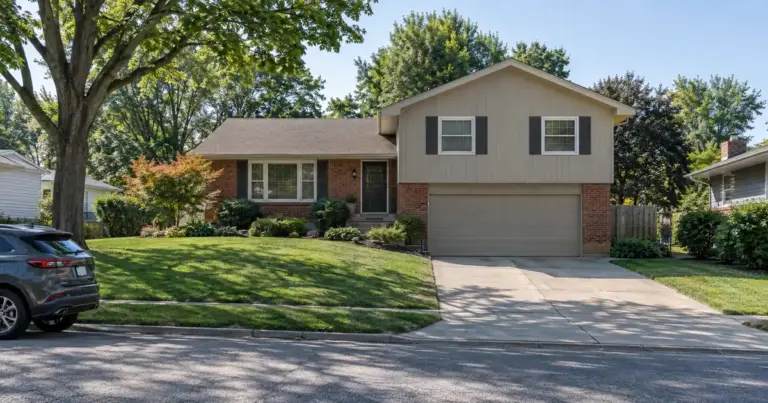
– Bank statement is a documentation method. HELOC is a structure. They get sold together, but they’re not the same thing.

It still runs through full underwriting — credit, equity, and reserves all apply — and title has to sit with the individual borrower, never an LLC.

Confuse the occupancy categories and you’ll misjudge how much equity is actually available.

Leverage, credit floors, and line size all shift by occupancy — investment property caps out well below what a primary residence can reach.

Best Refinance Companies For Self-employed — There’s no single “best” company here.

Can You Get A Home Equity Loan If You Are Self Employed — Yes.

Can You Do A Bank Statement HELOC — Yes, this is a real product, not a workaround.

Leverage, credit floors, and line size all shift depending on whether the property is a primary residence, a second home, or an investment property.

Loans through select programs in Lendmire’s wholesale network run from $300,000 to $30,000,000, structured across two size ladders.

On investment property, the line caps around 70% CLTV through select lenders in Lendmire’s wholesale network, and requires roughly a 700 credit floor.

Can I Use A HELOC If I’m Retired, Self-employed, Or On Disability? — Yes.
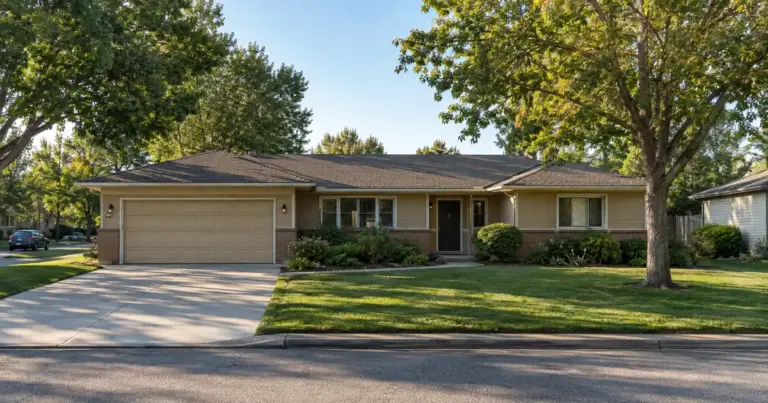
– HELOC underwriting for self-employed borrowers runs on credit score, DTI, and CLTV — not a uniform agency rule like a purchase mortgage.

A borrower with two solid years of rising income and clean books moves through underwriting almost like a W-2 buyer.