Fix-and-flip Loan Denied Because The Scope Of Work Is Incomplete
Fix-and-flip Loan Denied Because The Scope Of Work Is Incomplete: what investors need to know about hard money financing, from Lendmire.

Fix-and-flip Loan Denied Because The Scope Of Work Is Incomplete: what investors need to know about hard money financing, from Lendmire.
Fix-and-Flip Loan Denied. Because the Contractor Is Not Approved — A denial like this almost never means the deal is dead.
Fixing the documentation, not finding more money, is usually the actual path forward.
Hard money lenders price leverage off project cost and after-repair value, cap both, and lend against whichever number is more conservative.
Reserves are a separate liquidity test, not a bigger down payment.
That leftover cash is called liquidity, or reserves, and lenders underwrite it as its own line item, separate from the down payment.
Hard Money Loan Denied Because Of A Recent Foreclosure: what investors need to know about hard money financing, from Lendmire.
The usual fix isn’t a stronger application — it’s a bigger deal, a different structure, or a lender whose floor sits lower.
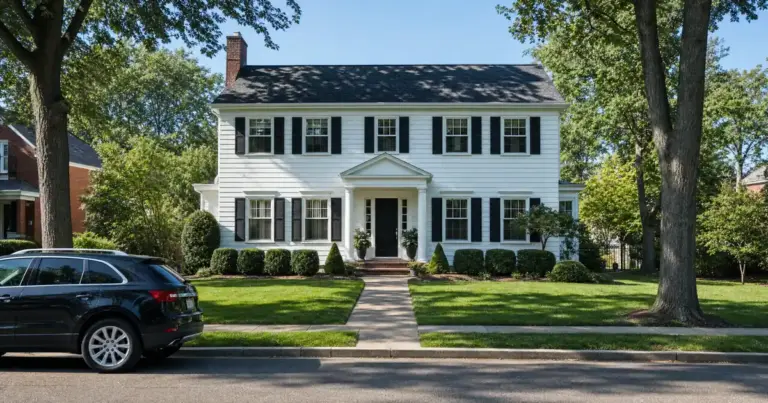
Foundation failure, a collapsed roofline, or load-bearing wall removal are the findings most likely to end in a hard no.
Fix-and-flip Loan Denied Because The Rehab Budget Is Too Small: what investors need to know about hard money financing, from Lendmire.
Fix-And-Flip Loan Denied Because The Rehab Budget Is Too Large — A big renovation number rarely gets rejected on its own.
Hard Money Loan Denied Because The Purchase Price Is Too High Compared With ARV: what investors need to know about hard money financing, from Lendmire.
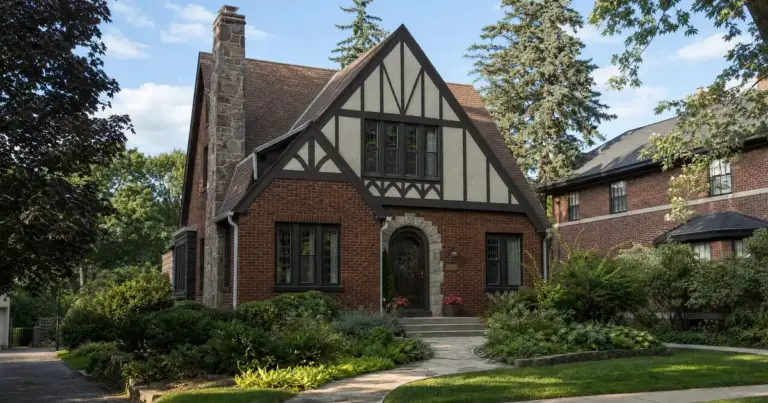
Fix-and-flip Loan Denied Because The ARV Came In Too Low: what investors need to know about hard money financing, from Lendmire.
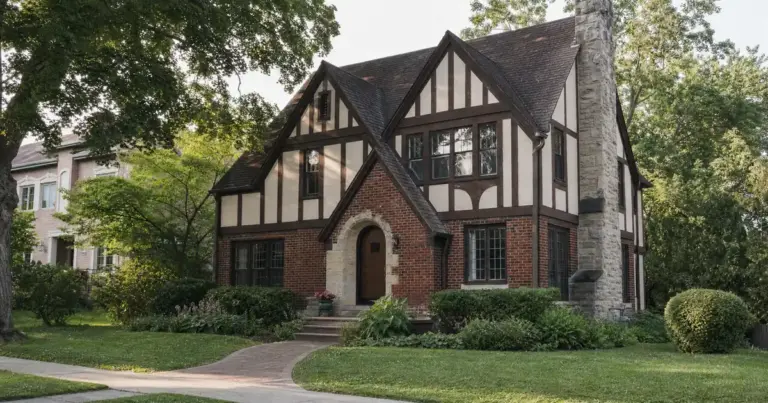
Hard Money Loan Denied Because You Have No Renovation Experience — A flat denial for lack of renovation history is uncommon.
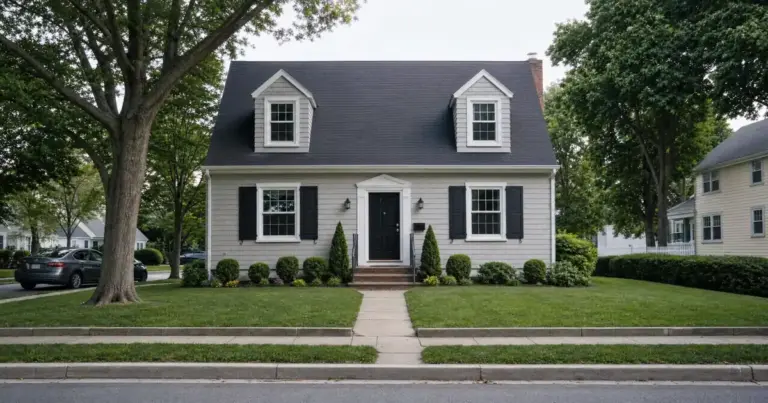
Hard Money Loan Maturing Before Renovations Are Finished: What Are Your Options?