What Is Soft And Hard Money?

Neither phrase is a legal term or a regulator-defined category; they’re industry shorthand for two ends of the same spectrum.

Neither phrase is a legal term or a regulator-defined category; they’re industry shorthand for two ends of the same spectrum.

Using Home Equity For Investment Property — Home equity converts into investment-property capital through three structurally different
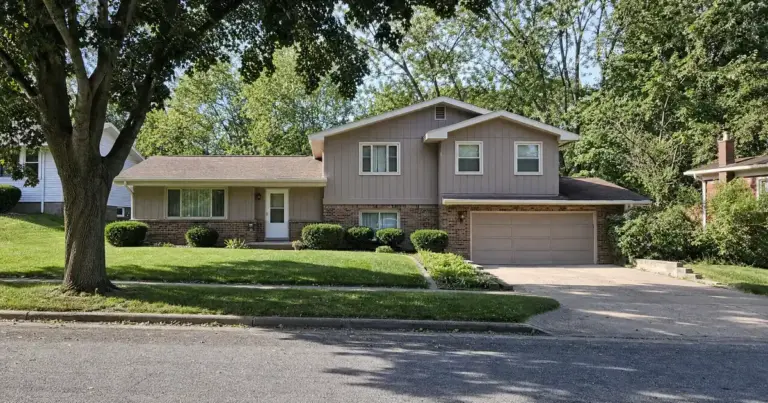
LLC-titled rentals face a separate, sharper restriction that most retail lenders can’t work around at all.
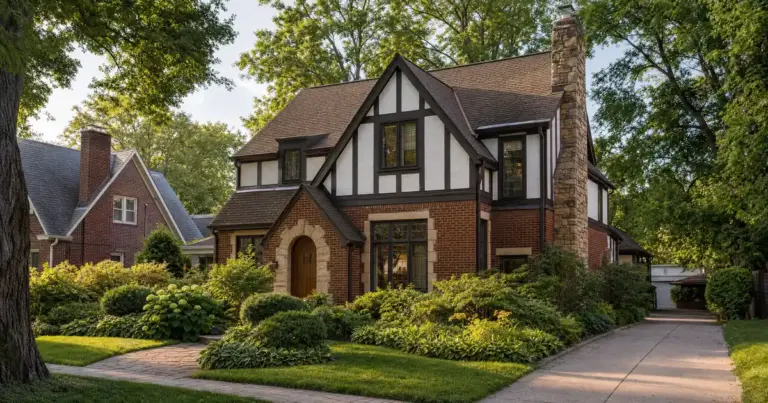
Can I Refinance And Take Money Out Of Rental Property — Yes.
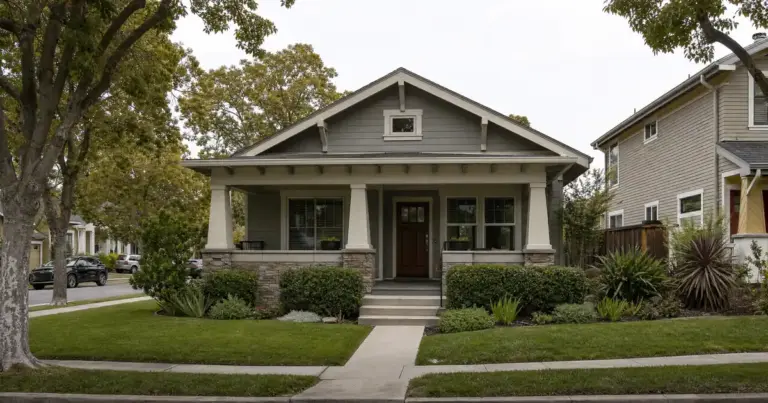
Being A Hard Money Lender — A hard money lender underwrites the property, not the person — collateral, equity cushion, and exit plan drive

The property’s rent — not your tax returns — decides whether the file works.
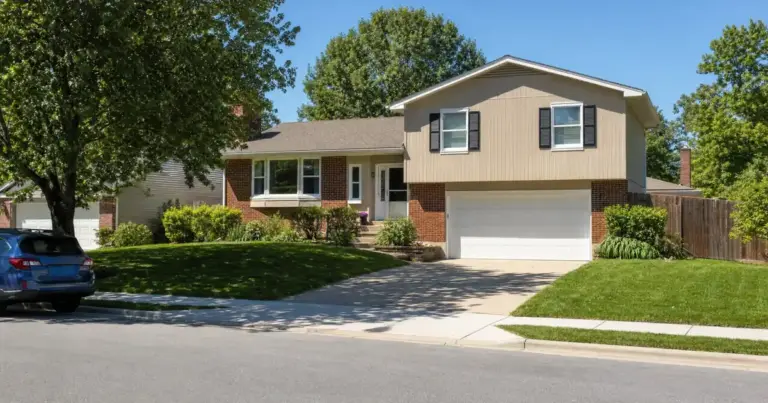
A “no-cost” refinance and a no-cash-out refinance answer two completely different questions, and mixing them up is where most confusion starts.

Private money isn’t sold off a shelf. It moves through relationships, referral chains, and small funds that most borrowers never see advertised.
Using HELOC To Invest In Stocks: what investors need to know about home-equity financing — eligibility, documentation, and loan structure, from Lendmire.

Can I Refinance An Investment Rental Property With HARP — No. HARP does not exist anymore, for any property type, including rentals.
Both routes exist. Which one fits depends on how the file is documented and how much leverage the investor actually needs.

Most investors end up using two or three channels at once, then narrowing to a shortlist before ever discussing a specific property.
Here’s what matters most before going further: – A HELOC funds the cash to close.
The loan amount itself gets set first, based on loan-to-value (LTV), loan-to-cost (LTC), or after-repair value (ARV), before any payment math applies.

How Long Does A Cash Out Refinance Take: what borrowers need to know about cash-out refinancing, from Lendmire.