
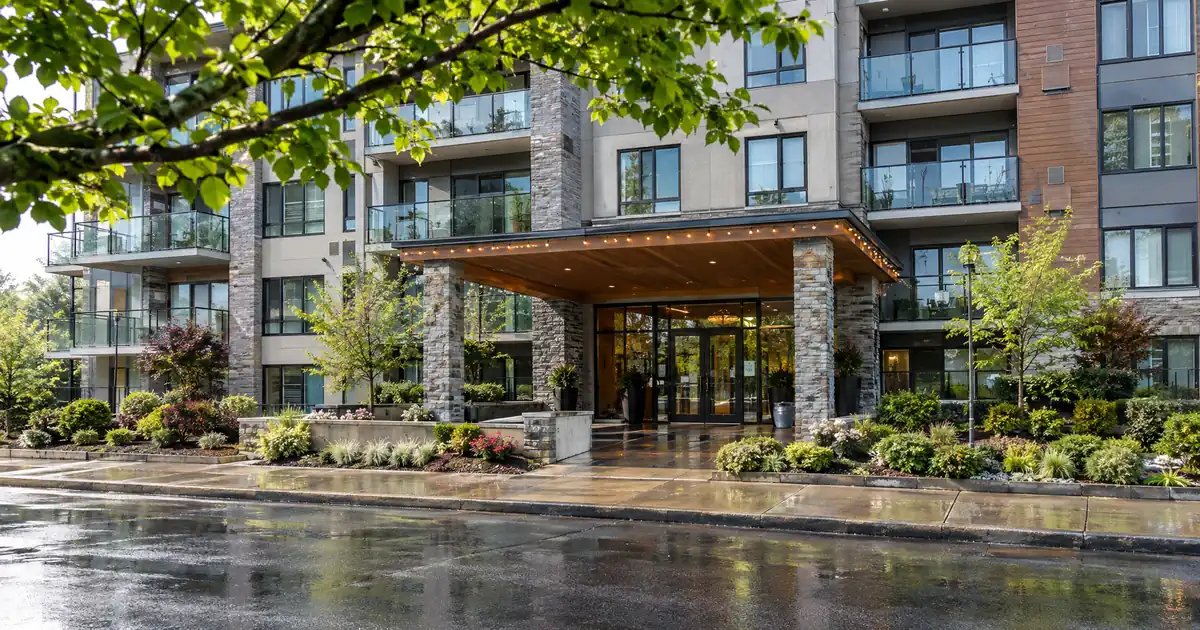
The Quick Read: A condo purchase with assistance has to clear two separate gates, and passing one does not fix a failure of the other. The first gate is the building and the unit, which must be eligible for the government first mortgage. The second is the assistance itself, which must be structured the way that first mortgage accepts. When both clear, assistance can cover the minimum investment on an FHA, USDA or HUD-184 loan, through wholesale lenders and subject to program guidelines and full underwriting.
What Is Down Payment Assistance, Exactly?
Down payment assistance is money that helps cover the minimum investment on a primary-residence purchase, paired with a government-backed first mortgage. Across the wholesale programs Lendmire places files with, it comes in four shapes. Two of them matter most for condo buyers, and all four are worth knowing.
Lendmire’s down payment assistance programs are built around these structures. The table shows how they compare.
| Shape | Size (of price or value) | What happens to it | Credit floor |
|---|---|---|---|
| Grant | 2% or 3.5% of price | Nothing to repay | 620 |
| Forgivable second | 3.5% | Forgiven after 36 or 60 on-time payments | 640 |
| Repayable second | 3.5% or 5% | Real loan, balloon in year 10 | 660 |
| Refinance-cost second | 1% to 3.5% of balance | Same terms as repayable | 660 |
The grant is released at closing with no lien, no payment and no interest. The forgivable and repayable options are second liens, which means they are loans recorded behind your first mortgage. The refinance-cost option applies to an FHA refinance, so it isn’t a purchase tool.
One thing surprises people. Nobody has to be a first-time buyer. Repeat and move-up buyers qualify. The grant carries an income test, at or below 140% of area median income, unless you fall into a qualifying category: first responder, educator, medical worker, civil servant, military, first-time buyer, or a property in an underserved census tract. The second-lien options carry no income limit beyond USDA’s own on a USDA loan.
Owner-occupied primary residence only. No second homes, no rentals.
Why Do Condos Get Extra Review?
Because with a condo you’re buying a unit inside a shared project, and the government lender insures the project’s health, not only your file. HUD’s FHA condominium page says the project must meet approval standards covering insurance coverage, financial condition, title, pending legal action and physical condition.
Under FHA, a project generally must be approved before individual units can be insured, and approved projects receive a Condo ID. FHA Connection’s condominium help page describes that sequence. HUD-184 handbook guidance lists units in FHA-approved projects as eligible property.
Here’s the catch. Assistance doesn’t approve the building. You can be a perfect borrower with assistance lined up and still be stopped by the project.
How Is the Deal Underwritten, Step by Step?
Check the building first, then the buyer. That order saves the most grief. Here’s the sequence on a typical file.
1. Pick the first loan. FHA sits underneath most condo files with assistance. USDA and HUD-184 are the other first liens for the second-lien options. The grant pairs only with FHA.
2. Confirm the project status. The lender searches HUD’s approved-condo records for FHA files. If the project isn’t approved, a unit may still qualify through single-unit approval (more below).
3. Choose the assistance shape. The grant fits a buyer who meets the income test or a category. The forgivable second suits someone who wants no monthly payment. The repayable second fits a buyer who needs the larger 5% size, which also reaches closing costs.
4. Classify the assistance. Under HUD’s rules, anything recorded as a lien against the property is secondary financing, not a gift, even when payments are zero or the debt is later forgiven. A true grant leaves no lien. FHA Connection’s secondary financing background page spells out the distinction.
5. Underwrite the monthly picture. A repayable second adds a payment that must qualify. A forgivable second adds none. HOA dues count either way, and USDA guidance directs lenders to include condo dues in total debt-to-income.
6. Appraise. Condo units are appraised on a unit-level report. For the second liens, the assistance is sized on the lesser of price or appraised value, so a low appraisal shrinks it.
7. Close. The second lien’s note and deed are recorded behind the first. It’s disclosed at application and carries its own Loan Estimate and Closing Disclosure treatment, because a repayable second is a consumer loan with its own paperwork.
On the FHA side, the minimum investment is 3.5% of the lesser of price or value, with 96.5% first-lien leverage. An upfront mortgage insurance premium applies and can be financed into the loan, and annual mortgage insurance follows by tier. One-unit FHA limits vary by county.
How Does the Condo Itself Pass or Fail?
A project can fail on issues that have nothing to do with you. The review looks at insurance coverage, the association’s finances, title, pending litigation and the physical condition of the buildings. Form HUD-9991 asks whether one owner holds multiple units and whether the project faces litigation.
You don’t control any of that. That’s why the project check comes before you spend money on appraisals and inspections.
Some practical red flags: an association with active lawsuits, thin or missing reserves, heavy investor ownership, or a project of fewer than five units that needs single-unit approval. Ask your agent for the HOA budget, the declaration and any litigation disclosures early.
What Is Single-Unit Approval?
Single-unit approval is the exception route for a unit in a project that isn’t FHA-approved. It took effect in October 2019, per the HUD announcement of the FHA condo rule. It has firm limits.
- The project must be complete and ready for occupancy, with at least five dwelling units.
- It can’t be a manufactured-home condo project.
- The project must meet a subset of full approval standards, including FHA insurance concentration, owner-occupancy percentage and financial condition.
- FHA-insured units are capped at 10% of the project’s units, and in projects under 10 units, no more than two FHA mortgages.
Notice what that last point means. A project that has hit its concentration cap can block new FHA case numbers, so your assistance can be approved and your unit still can’t get an FHA case number. Don’t read it as a failing in your file. It’s the building’s capacity.
Where Does the General Rule Break?
“Assistance works on condos if the building qualifies” is the rule. These are the edge cases where it bends.
- A “grant” that’s really a lien. HUD doesn’t treat a lien-securing grant as a gift. Always ask whether anything gets recorded against the property.
- Project not approved, and not eligible for single-unit approval. Fewer than five units or a manufactured-home project ends that route.
- Concentration cap reached. Covered above. The buyer is fine; the building is full.
- USDA lender authority. Not every lender can approve a non-listed condo for USDA. The lender must document the decision in the file.
- Stacking. Nothing combines with another assistance program, and a mortgage credit certificate isn’t permitted with the second-lien options.
- Appraisal gaps. Because the forgivable and repayable seconds are sized on the lesser of price or value, an appraisal below the contract price can reduce the assistance.
What Doesn’t Assistance Cover?
HOA dues. Special assessments. Condo dues also count in your debt ratios, so a building with high dues can shrink what you qualify for even when the down payment is fully covered.
Assistance does reach closing costs in one case: the repayable second at 5% (the 3.5% minimum investment plus 1.5% toward closing costs and prepaids). The grant and the 3.5% options go toward the minimum investment.
Think of it this way: assistance solves the cash-at-closing problem, not the cost-of-ownership problem. Budget for dues separately.
What Happens After Closing?
It depends on the shape you chose.
- Grant: nothing to repay. No lien, no payment.
- Forgivable second: no interest and no payment. It’s forgiven after 36 or 60 on-time first-lien payments, with no 90-day-or-greater delinquency. Sell or refinance early and the remaining balance may come due.
- Repayable second: a monthly payment on a 30-year amortization, with a balloon due in year 10. Plan for the balloon from day one.
All of it assumes you live in the unit as your primary residence. Renting it out later changes the picture, and a recorded second lien can reduce your net proceeds if you sell.
Key Terms Defined
Secondary financing: any loan recorded as a lien behind the first mortgage, even if it has no payments or is later forgiven.
Single-unit approval: the FHA route that lets a lender approve one unit in a project that isn’t on the approved list.
Combined loan-to-value: the first mortgage plus any second lien, measured against the property’s value.
Balloon: a lump-sum balance due at a set point, in year 10 for the repayable second.
Area median income: the local income benchmark used for the grant’s income test, which is set at 140% of area median unless a category applies.
What Does the Buyer’s Decision Look Like in Practice?
Picture a repeat buyer with modest savings eyeing a condo. First question: is the building FHA-approved or eligible for single-unit approval? If not, the assistance question is moot, and the search shifts to other buildings.
Second question: which shape fits? A teacher or nurse near the income line may land on the grant through a qualifying category. A buyer who wants zero monthly burden may prefer the forgivable second, accepting the commitment to stay and pay on time. A buyer who needs closing-cost help may take the repayable second, accepting a real payment and a year-10 balloon.
Third: does the monthly budget, including dues, hold up? That one decides more files than credit does.
The tradeoff is real. The grant is cleanest but has the narrowest gate and pairs only with FHA. The seconds are broader but they’re loans.
If you are buying a primary home and want to see whether a down payment assistance option fits your file, Lendmire can help you compare the grant, forgivable and repayable structures alongside an FHA, USDA or HUD-184 first mortgage. Call 828-256-2183.
Frequently Asked Questions
Does assistance work on a condo that isn’t on the FHA-approved list?
Sometimes. Single-unit approval can cover one unit in an unapproved project if it has at least five units, is complete, and meets concentration, owner-occupancy and financial standards. It isn’t available for manufactured-home projects, and the building’s cap can still block you.
Do I have to be a first-time buyer?
No. Repeat and move-up buyers qualify. First-time status is only one of several qualifying categories for the grant’s income test, and the second-lien options have no income limit beyond USDA’s own.
Can assistance pay my HOA dues?
No. Dues and special assessments aren’t covered, and dues count in your debt ratios. Assistance addresses the down payment and, on the 5% repayable second, closing costs.
Can I use it on a second home or a rental condo?
No. Every option is for an owner-occupied primary residence only.
What if the building has pending litigation?
It can sink the project review, since litigation is one of the factors HUD’s forms ask about. The building’s status matters more than your qualifications, so ask for litigation disclosures before you commit to a unit.
Investors who want the broader program framework can review how DSCR loans work.
About Lendmire
Lendmire (NMLS# 2371349) is a mortgage broker licensed for consumer lending in 16 states. Lendmire arranges FHA, USDA and HUD-184 purchase loans with down payment assistance options through wholesale lenders; every file is underwritten by the lender under the applicable program guidelines. Scotsman Guide named Lendmire a Top Mortgage Workplace in both 2025 and 2026.
Get Started
Ready to find the right loan for you?
In about 30 seconds you can review financing options available for your home or investment property. No commitment required.
Informational only. Not a Loan Estimate, approval, or commitment to lend. Program availability and eligibility are subject to lender guidelines, credit approval, property review, and underwriting.
References
2. FHA Connection – Condominiums Help
This article is part of Lendmire’s down payment assistance program — full qualification details, guidelines, and scenarios live on the program page.
Related reading: Can You Get Down Payment Assistance With No Occupancy Requirement? · Can You Use Down Payment Assistance on a Condo or Townhome Purchase? · Down Payment Assistance Property Rules for a Condo or Townhome
Brandon Miller
Founder & CEO, Mortgage Loan Originator, Lendmire LLC
- Mortgage Loan Originator · NMLS# 1129696 · Verify on NMLS Consumer Access
- North Carolina Real Estate Broker · License# 343312 · Verify on NCREC
- North Carolina Insurance Producer · License# 19053198 · Property, Casualty, Life, Health · Verify on NAIC SBS
- Lendmire LLC · Firm NMLS# 2371349 · Verify firm licensure
Required disclosures. Lendmire (NMLS# 2371349) operates as a licensed mortgage broker, not a direct lender or depository. The discussion in this article is general in nature and should not be relied upon as financial, legal, or tax advice — every investment scenario is unique and should be reviewed by a qualified professional. Any loan inquiry is subject to lender underwriting, and this article is not a commitment to lend or a guarantee of approval. Mortgage rates, loan terms, and program guidelines vary by borrower, property, and state, and may change without notice. Equal Housing Opportunity. Verify licensure at NMLS Consumer Access.