
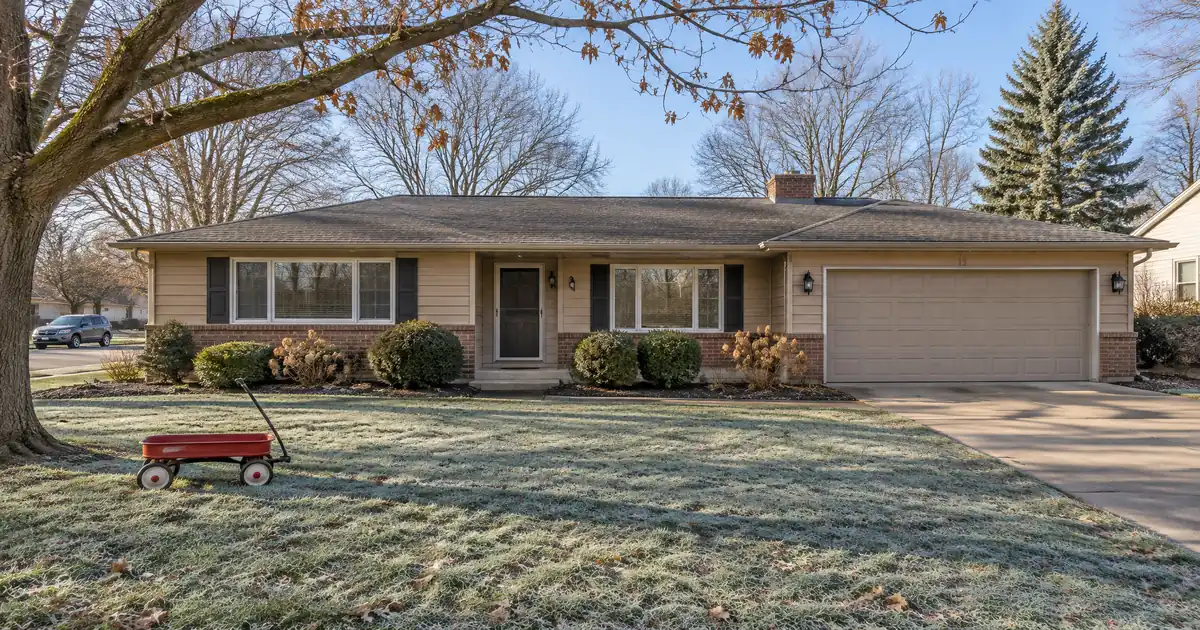
The Quick Read: A spousal quitclaim deed does not block a DSCR HELOC by itself, but it changes who is on title, which decides who signs, how the file is vested, and whether the lender treats the property as newly acquired, and lenders review each of those points on the file. A DSCR HELOC is a revolving line of credit on a rental that is reviewed on the property’s rent instead of your personal income. The deed is where most of the file questions start.
- The line qualifies primarily on rental income covering the stress payment, subject to lender guidelines. No tax returns, W-2s, pay stubs or debt-to-income ratio are part of that test.
- A deed moves title only. It does not move the debt on an existing mortgage.
- A spouse who holds title but is not borrowing typically signs the security instrument, not the note.
- Whether the deed restarts a lender’s waiting period is a policy question. Ask in writing before you record.
- Lendmire is a broker. Which lenders fit your file depends on title, leverage and property type.
Key Terms Defined
Quitclaim deed: A deed that transfers whatever ownership interest the signer has, with no promises about the title’s quality.
Vesting: The exact way title is held, such as an individual, a married couple, a trust or an LLC.
Seasoning: The waiting period a lender wants between an event, like a purchase or a recorded deed, and the new loan.
CLTV (combined loan-to-value): The first mortgage balance plus the new line, divided by the property’s value.
Non-borrowing owner: A person on title who does not borrow but signs to let the lien attach to the property.
Due-on-sale clause: A mortgage term that lets the first lender demand payoff if the property is transferred.
How Does a DSCR HELOC Work on a Rental?
It is a standalone second lien behind the first mortgage you keep, or a standalone first lien on a rental with no mortgage. It is never closed with a purchase, never a third lien, and never a line on your own home. Your LLC can stay on title through select programs, subject to program terms.
Here is the coverage test. The minimum DSCR is 1.10x: gross monthly rent divided by the qualifying payment, which is a stress payment. It assumes the entire credit limit is drawn, fully amortizing, at a higher assumed rate. Taxes and insurance are not part of that payment. Rent is the lesser of the appraisal’s market rent and the lease, unless three months of receipts support a lease above market. A lease must be in place, and a two-to-four-unit building can have at most one vacant unit. On a second lien, confirm on the file how the lender treats the first-mortgage payment, because the lender’s own coverage calculation governs.
Leverage depends on the lien and your credit score, always subject to underwriting:
- Second lien on an investment rental: up to 70% CLTV at a 720 score or better, on lines of $50,000 to $500,000.
- First lien on a rental with no mortgage: up to 75% LTV at 740 or better, or 70% at 700 to 739, on lines to $500,000.
- First-lien lines above $500,000, up to $1,000,000: a 65% LTV ceiling at 720 or better. The exact numbers vary by lender and program and follow a full review of property, leverage, and credit.
The draw period is 5 years of interest-only payments on the drawn balance. Then a 25-year repayment period follows, with a 30-year maturity and a variable rate. At least 80% of the line is drawn at closing, and later draws are at least $5,000. The complete DSCR loans guide covers the broader product family.
What Does the Deed Change for the Lender?
It changes title and nothing else. A law-firm explainer on quitclaim deeds and mortgages makes the point that anyone who signed the note stays liable until a refinance, a formal assumption or a payoff releases them. That matters for a departing spouse who is still on the first mortgage.
| Item | After a spousal quitclaim |
|---|---|
| Title | Changes on the recording date |
| Existing first mortgage debt | Unchanged |
| Who owes on the old note | Everyone who signed it |
| New line’s borrowers | Can differ from the first mortgage |
| Owner’s income in the file | Not calculated |
Federal law also helps with the existing first lender. Under the Garn-St Germain Act, a transfer that makes a borrower’s spouse an owner is among the exceptions to due-on-sale enforcement, as Foust & Foust’s summary of the due-on-sale exceptions explains, citing subsection (d)(6). A transfer to a spouse under a divorce decree is separately covered. That law stops the first lender from calling the loan. It does not release anyone from the note, and it does not bind the new lender’s title rules. The Act’s reach on investment property is a question for your attorney.
Signatures are the next piece. Federal credit rules generally bar a lender from requiring a spouse’s signature on the credit instrument when the applicant qualifies alone, according to the CFPB’s text of Regulation B. For secured credit, the lender may still require a signature on an instrument it reasonably believes state law makes necessary, with examples including creating a valid lien and passing clear title. That is why a titled spouse who is not borrowing typically signs the security instrument and a non-borrowing owner acknowledgment, but not the note.
Step by Step: How Underwriting Treats the File
Each step below runs in the order a wholesale lender typically follows it.
1. The deed is recorded. The recording date fixes who holds title and since when.
2. The lender reviews vesting. Title must sit with an eligible borrower, such as an individual or an LLC. Whether a trust works depends on the program.
3. The lender checks the waiting periods. A rental bought or refinanced inside the last 6 months is not eligible (that clock runs from the last note date to the new note date), and the owner must have held title for 6 months (settlement date to note date). Whether a recorded spousal deed restarts the title clock is lender policy, so get the answer in writing before you record.
4. Signers are sorted out. Borrowers sign the note. LLC members sign as guarantors. A titled non-borrower signs the acknowledgment and security instrument.
5. The rent is tested. The lender checks the lease, the market rent from the appraisal’s rent schedule, and the 1.10x coverage.
6. The property is valued. Lines to $400,000 use an automated valuation with a property inspection report, or a full interior appraisal. Larger lines require the full appraisal. Appraisal waivers are not accepted.
7. Title is confirmed. The title company confirms vesting, the signatures state law requires, and whether the owner’s policy survives the deed.
Credit still counts. The program looks for no 30-day mortgage late in the last 12 months, and 48 months since a bankruptcy, foreclosure, short sale or deed-in-lieu. There are no reserve or cash-to-close requirements. Each borrower is limited to 5 loans or $2,500,000 with the program.
Where the Rule Breaks: Edge Cases
Community-property and homestead states. State law can make a spouse’s signature necessary even when that spouse is off the deed. The title company decides this, so ask it early.
Deed into an LLC. If the quitclaim moved title into an LLC, vesting is the first problem to check, and the LLC must be eligible under program terms. A deed into a land trust is worse, because land trusts are outside this lane. The fallbacks are a deed back to an individual or a DSCR cash-out refinance, which is a different product with its own rules.
Departing spouse still on the first mortgage. The deed does not release them. The new line can have different borrowers, but the old first loan stays joint until it is refinanced, assumed or paid off.
Divorce versus a voluntary deed. A transfer under a decree falls under its own due-on-sale exception, but the new lender can still treat it differently on seasoning. Ask, and do not assume.
An existing line already open. A deed does not shut off draws on it. A former spouse may keep draw access until that lender freezes or closes the line, so settle it first.
A first mortgage that is itself a non-QM or DSCR loan. Its documents must allow a second lien, and some second-lien programs avoid certain first-loan types. Confirm both sides before applying.
The keeping spouse plans to move in. This line is for non-owner-occupied rentals. A primary-residence HELOC is a different, owner-occupied product, so an owner-occupant needs that instead.
Property outside the lane. Rural-designated property, condotels, row homes, leaseholds, mixed-use, and a property listed for sale in the prior 2 months are not eligible. A declining-market flag lowers the leverage ceiling 5 points.
Deed First or Loan First?
Loan first is the safer sequence when the deed is optional. A line closed on current title does not depend on how a lender counts a later deed. When the deed is required, such as in a divorce, the sequence is your lawyer’s call, and the loan conversation should start before recording.
Here are three common setups, each subject to underwriting.
- Spouse added to title, rental in individual names. Often the cleanest case. The spouse signs the security instrument if not borrowing, and the lender’s seasoning treatment is the open question.
- Spouse removed, kept spouse borrows alone. Rent still qualifies the line, but the departing spouse stays liable on a joint first mortgage until it is refinanced or paid off.
- Title moved into an LLC. Vesting must be eligible, members guarantee, and the owner’s title policy should be confirmed.
If the first mortgage carries a low payment you want to keep, a second-lien line leaves it alone, while a cash-out refinance replaces it. Lendmire’s piece on choosing a home equity line or a cash-out refinance after a spousal quitclaim walks through that tradeoff.
What to Prepare and Who Can Help
Gather the recorded deed, a title report, confirmation that the owner’s policy survives the deed, the lease and the first mortgage statement. If you are considering a home equity line on a rental property and want to see how the numbers work, Lendmire can help you compare DSCR HELOC options based on the property, the rent, the equity available, credit profile, combined leverage and your goals. The program is offered in 15 of Lendmire’s 16 licensed states, every licensed state except Tennessee. It is placed through a network of wholesale lenders, and the right fit depends on the file.
This article is general education, not legal or tax advice. Consult a qualified attorney or CPA about your own situation, especially before recording a deed.
Frequently Asked Questions
Can I get a DSCR HELOC right after a quitclaim deed between spouses?
Sometimes. The deed itself is not a bar, but the lender reviews vesting, signers and the waiting periods. Outcomes can turn on whether the lender counts time from the recorded deed or from the original purchase, so ask in writing before you record.
How long do I have to wait after the deed?
Two six-month clocks apply: the line is not available on a rental bought or refinanced in the last 6 months (last note date to new note date), and title must have been held for 6 months (settlement date to note date). Whether a recorded deed resets the title clock depends on the lender, so confirm it before you sign.
Does my spouse have to be on the line?
Not necessarily. A spouse on title who is not borrowing typically signs the security instrument and a non-borrowing owner acknowledgment, but not the note. The rent qualifies the line, so no income is calculated for that spouse.
Can the LLC hold title after the deed?
Often yes for investment property, per lender program requirements. The members sign as guarantors. A deed into a land trust is outside this lane, so check vesting before you record.
Which lender is best for my situation?
That depends on property type, credit, existing first mortgage, leverage and title. A broker that shops multiple wholesale lenders matches the scenario to the program. Programs change and every file is underwritten individually.
About Lendmire
Lendmire, NMLS# 2371349, is a mortgage brokerage with consumer lending licenses in 16 states. It arranges DSCR home equity lines of credit on rental property through wholesale lending partners in 15 of its 16 licensed states (every licensed state except Tennessee); each line is written on a non-owner-occupied one-to-four-unit rental and reviewed individually by the lender under the program’s credit and leverage guidelines. Scotsman Guide named Lendmire a Top Mortgage Workplace in both 2025 and 2026.
Get Started
Ready to find the right loan for you?
See your offer in seconds. No credit pull, no obligation.
Informational only. Not a Loan Estimate, approval, or commitment to lend. Program availability and eligibility are subject to lender guidelines, credit approval, property review, and underwriting.
References
1. Collins Legal: Quitclaim deed and mortgage
2. Foust & Foust: Due-on-sale exceptions
3. CFPB: Regulation B, 12 CFR 1002.7
This article is part of Lendmire’s DSCR HELOC program — full qualification details, guidelines, and scenarios live on the program page.
Related reading: Best DSCR HELOC Program After a Quitclaim Deed Between Spouses · Banks That Offer a DSCR HELOC After a Quitclaim Deed Between Spouses · Top DSCR HELOC Providers After a Quitclaim Deed Between Spouses · Can You Get a DSCR HELOC After a Quitclaim Between Spouses? · Can You Get a DSCR HELOC After a Quitclaim Deed?
Brandon Miller
Founder & CEO, Mortgage Loan Originator, Lendmire LLC
- Mortgage Loan Originator · NMLS# 1129696 · Verify on NMLS Consumer Access
- North Carolina Real Estate Broker · License# 343312 · Verify on NCREC
- North Carolina Insurance Producer · License# 19053198 · Property, Casualty, Life, Health · Verify on NAIC SBS
- Lendmire LLC · Firm NMLS# 2371349 · Verify firm licensure
Disclosure information. Lendmire is a state-licensed mortgage brokerage under NMLS# 2371349. Lendmire is not a depository institution, direct lender, or financial advisor — all loans referenced are placed through wholesale lender partners and are subject to each lender's underwriting standards. This article is provided for general informational purposes and is not a commitment to lend, nor does it constitute financial, legal, or tax advice. Loan programs, terms, rates, and qualification standards change without notice and depend on borrower profile, property type, and the state in which the subject property is located. Equal Housing Opportunity provider. NMLS Consumer Access: nmlsconsumeraccess.org.