
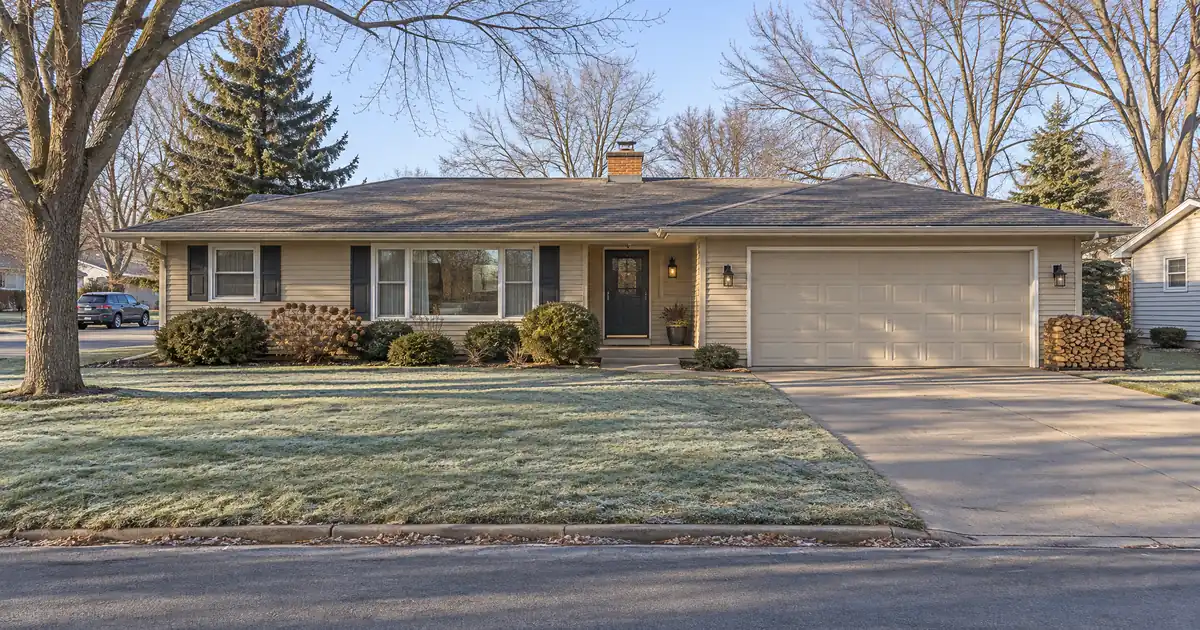
The Quick Read: A storm-damaged rental with an open insurance claim usually cannot qualify for a DSCR HELOC until the unit is leased, habitable and its rent is supportable. A unit a tenant cannot occupy has no rent to test. Minor damage with tenants still paying is a different story. Subject to underwriting, that file can move forward once the lender sees the damage does not touch safety, soundness or the lease.
- Rent qualifies the line, and a lease in place is required.
- A unit with no tenant and no rent usually waits until repairs are done.
- Combined leverage is measured against value, and a damaged property is worth less until it is fixed.
- Claim checks often name the lender, so the money may not be yours to spend freely.
- Start the claim first and the financing second.
How Does a DSCR HELOC Work on a Rental?
A DSCR HELOC is a revolving credit line on a non-owner-occupied one-to-four-unit rental. It is written as a standalone second lien behind the first mortgage you keep, or as a standalone first lien on a rental with no mortgage. The rent qualifies the line. Through select programs, there is no traditional personal-income documentation, W-2s, pay stubs or personal debt-to-income calculation, subject to lender guidelines. The LLC can stay on title, subject to program eligibility.
The test is a debt service coverage ratio (DSCR) of at least 1.10x. That is gross monthly rent divided by a stress payment on the entire credit limit. Rent is the lesser of the appraisal’s market rent and the lease, unless three months of receipts support a lease above market. Across our wholesale network, this is the part that matters most for a damaged rental. The whole test depends on rent that actually exists.
If you want the broader picture first, Lendmire’s complete DSCR loans guide covers how property-rent-based lender review works across products.
Why Does Storm Damage Matter to a Rent-Based Line?
Damage matters because the rent is the qualifying income. A lease in place is required, and a two-to-four-unit property may have at most 1 vacant unit. If a storm leaves a tenant unable to live there, the lease may be broken or the rent interrupted. The ratio then has nothing to measure.
Value matters too. Combined loan-to-value (CLTV) is the first mortgage balance plus the new line, divided by value. A second lien reaches up to 70% CLTV at a 720 credit score or better, subject to underwriting. A damaged house is worth less than it was before the storm. A line sized on pre-storm value can fall short once the valuation reflects the damage. Exact terms depend on the lender’s guidelines, property type, leverage, and a full review of the borrower’s file.
An appraisal also reflects the property as of its effective date. Damage that happens after that date is a new fact. Lenders in the agency world draw the same line: Fannie Mae’s guide requires repair before delivery when damage is uninsured or affects safety, soundness or structural integrity. Fannie Mae’s rules do not govern DSCR lines. They show the same instinct, which is that the collateral must be sound before a lender lends against it.
How Does the Lender Read an Open Claim?
An open claim tells the lender three things: how big the damage is, how much insurance will pay, and who controls that money. You can expect the file to ask for the following.
- The claim number and the adjuster’s scope and estimate
- The insurer’s coverage position and any proof of loss
- The repair contract and photos
- The current policy, including any separate wind or flood policy, and the deductible
- The lease and current rent
- A property inspection report or appraisal that reflects present condition
On the second-lien test, confirm on the file how the lender treats the first-mortgage payment. The lender’s own coverage calculation governs.
Insurance proceeds are a separate issue. The CFPB says an insurer generally pays by check made out to both the owner and the mortgage servicer or lender. It also says you must keep making mortgage payments while the claim is paid out. Under a loss-draft process, the first-lien servicer may hold the funds and release them in stages as repairs are inspected. So a new line cannot assume that claim money is free cash.
Which Damage Level Fits Which Path?
The severity of the damage and the lease status decide most of the outcome. Every row below is subject to underwriting.
| Situation | Lease and rent | Likely path |
|---|---|---|
| Minor damage, tenant in place | Rent still paid | File may proceed with an inspection or appraisal update |
| Partial damage, some units down | Mixed | Depends on vacancy limits and the lender’s review |
| Uninhabitable, claim open | No current rent | Wait, or use a bridge or repair loan first |
| Claim denied or underpaid | Varies | Shortfall falls on the owner; equity may be lower |
Picture a fourplex where one unit loses its roof section and the other three stay leased. With only one unit vacant, that file may still be reviewable. The lender would want to confirm the damage does not reach the occupied units or the building’s soundness. Now picture a single-family rental with the tenant moved out and the claim unsettled. No lease income exists to test. Waiting makes more sense than forcing the file.
What Are the Alternatives While the Claim Is Open?
You have four realistic paths, and the sequence matters.
| Path | Fits when | Main tradeoff |
|---|---|---|
| Insurance proceeds | Damage is covered | Staged releases; lender may control funds |
| Bridge or repair loan | Unit is not rentable | Short-term financing, then a refinance later |
| DSCR cash-out refinance | Property is repaired and leased | Replaces the first mortgage |
| Wait, then DSCR HELOC | Repairs done, rent restored | Time without the line |
For covered damage, insurance is the primary source of repair money. A line is better suited to the deductible or a gap the policy does not cover. Do not borrow against a claim you have not settled, and work with the insurer on an accurate estimate before rushing into repairs on borrowed money.
If the property was recently bought or refinanced, seasoning applies too. A rental bought or refinanced inside the last 6 months is not eligible (that clock runs from the last note date to the new note date), and the owner must have held title for 6 months (settlement date to note date). Lendmire’s piece Can a Wildfire-Area Rental With an Open Claim Get a DSCR Cash-Out? covers the cash-out side of the same problem.
What Does the Valuation Look Like?
Valuation depends on line size. Lines to $400,000 use an automated valuation (confidence score 85 or better) with a property inspection report, or a full interior appraisal. Lines above $400,000 take a full interior appraisal. Appraisal waivers are not accepted.
On a damaged property, an inspection report is where the damage becomes visible. The lender may want a fresh look rather than relying on an older appraisal. A stale valuation is a risk because it may not reflect the property’s current condition.
How Do Insurance Costs Change the Coverage Number?
Insurance affects your cash flow, but the line’s qualifying payment is principal and interest on the full line at a stress rate. Taxes and insurance are not part of it. Still, hazard insurance must cover both liens, and flood coverage is required where applicable. A property in a Special Flood Hazard Area generally needs flood insurance, which standard homeowner’s policies typically do not cover.
Higher premiums after a loss cut your own margin even if they do not change the test. A deductible, a staged payout and months of lost rent also strain cash. Keep reserves. The program does not require them, but a damaged rental will use them.
Where Does the General Rule Break?
- Light damage, tenant stays. The unit still produces rent. The file may proceed with an updated inspection.
- Settled claim, repairs underway. Once scope and funds are known, the lender can size equity more accurately. Rent still has to be in place.
- Denied or underpaid claim. The owner bears the shortfall, and less equity may be left than you assumed.
- LLC title. The LLC can stay on title, subject to lender program eligibility. Members sign as guarantors.
- Ineligible property types. Rural-designated property, condotels, row homes and leaseholds are outside the program regardless of damage.
- Disaster loans. The SBA offers physical damage loans for losses insurance does not fully cover. That is a separate path, and eligibility limits may apply.
Key Terms Defined
Loss payee: the lender named on an insurance policy so it gets paid when covered damage occurs.
Loss draft: a process where claim funds are held by the servicer and released in stages as repairs progress.
Replacement cost vs. actual cash value: replacement cost pays to rebuild; actual cash value subtracts depreciation.
CLTV: combined loan-to-value, meaning the first mortgage balance plus the new line, divided by value.
Seasoning: the waiting period a lender wants after a purchase or refinance before a new loan.
Frequently Asked Questions
Can I get a DSCR HELOC while an insurance claim is still open?
Sometimes, if the unit is habitable, leased and still producing rent. A unit a tenant cannot occupy usually has to wait, since a lease in place is required. Eligibility is subject to underwriting and a current valuation of the property.
Does the insurance check go to me or to my lender?
Often to both. The CFPB says checks are generally made out to the owner and the mortgage servicer, and funds may be released in portions as work progresses. Your own note and security instrument control the details.
Do my first mortgage payments stop while the claim is open?
No, not unless forbearance was granted. You remain responsible for the mortgage while the claim is paid out.
How does seasoning apply to a recently bought rental?
Two six-month clocks apply: the line is not available on a rental bought or refinanced in the last 6 months (last note date to new note date), and title must have been held for 6 months (settlement date to note date).
What if the claim is denied or pays less than the damage?
The shortfall falls on you. That can reduce equity, which lowers the leverage available through this program. A bridge or repair loan, then a refinance after stabilization, is a common route.
What Should You Do Next?
Start the claim and document everything. Get the adjuster’s scope, the repair contract and the lease status in order. Then decide whether the line fills a deductible or gap, or whether the property needs repairs before any rent-based loan makes sense.
The DSCR HELOC is offered in 15 of Lendmire’s 16 licensed states, every licensed state except Tennessee, through select programs and subject to underwriting. Lines run from $50,000 to $500,000 on a second lien, with variable rates, a 5-year interest-only draw period and a 25-year repayment period. If you are considering a home equity line on a rental property and want to see how the numbers work, Lendmire can help you compare DSCR HELOC options based on the property, the rent, the equity available, credit profile, combined leverage, and your goals. Lendmire is a broker, and every file is reviewed individually by the lender. This is not a commitment to lend.
About Lendmire
Lendmire is a mortgage brokerage (NMLS# 2371349) arranging DSCR home equity lines of credit — standalone first or second liens on non-owner-occupied one-to-four-unit rentals, qualified on rent — through a wholesale lending network in 15 of its 16 licensed states (every licensed state except Tennessee). Eligibility is determined by the lender on each file. Scotsman Guide named Lendmire a Top Mortgage Workplace in both 2025 and 2026.
Get Started
Ready to find the right loan for you?
See your offer in seconds. No credit pull, no obligation.
Informational only. Not a Loan Estimate, approval, or commitment to lend. Program availability and eligibility are subject to lender guidelines, credit approval, property review, and underwriting.
References
1. Fannie Mae Selling Guide B2-3-05
2. CFPB
This article is part of Lendmire’s DSCR HELOC program — full qualification details, guidelines, and scenarios live on the program page.
Related reading: How Much Can You Borrow on a DSCR HELOC on a Vacant Rental Without a Lease? · DSCR HELOC Rules for Real Estate Investing With Rental Equity · DSCR HELOC Requirements for a Paid-Off Rental
Brandon Miller
Founder & CEO, Mortgage Loan Originator, Lendmire LLC
- Mortgage Loan Originator · NMLS# 1129696 · Verify on NMLS Consumer Access
- North Carolina Real Estate Broker · License# 343312 · Verify on NCREC
- North Carolina Insurance Producer · License# 19053198 · Property, Casualty, Life, Health · Verify on NAIC SBS
- Lendmire LLC · Firm NMLS# 2371349 · Verify firm licensure
Required disclosures. Lendmire (NMLS# 2371349) operates as a licensed mortgage broker, not a direct lender or depository. The discussion in this article is general in nature and should not be relied upon as financial, legal, or tax advice — every investment scenario is unique and should be reviewed by a qualified professional. Any loan inquiry is subject to lender underwriting, and this article is not a commitment to lend or a guarantee of approval. Mortgage rates, loan terms, and program guidelines vary by borrower, property, and state, and may change without notice. Equal Housing Opportunity. Verify licensure at NMLS Consumer Access.