
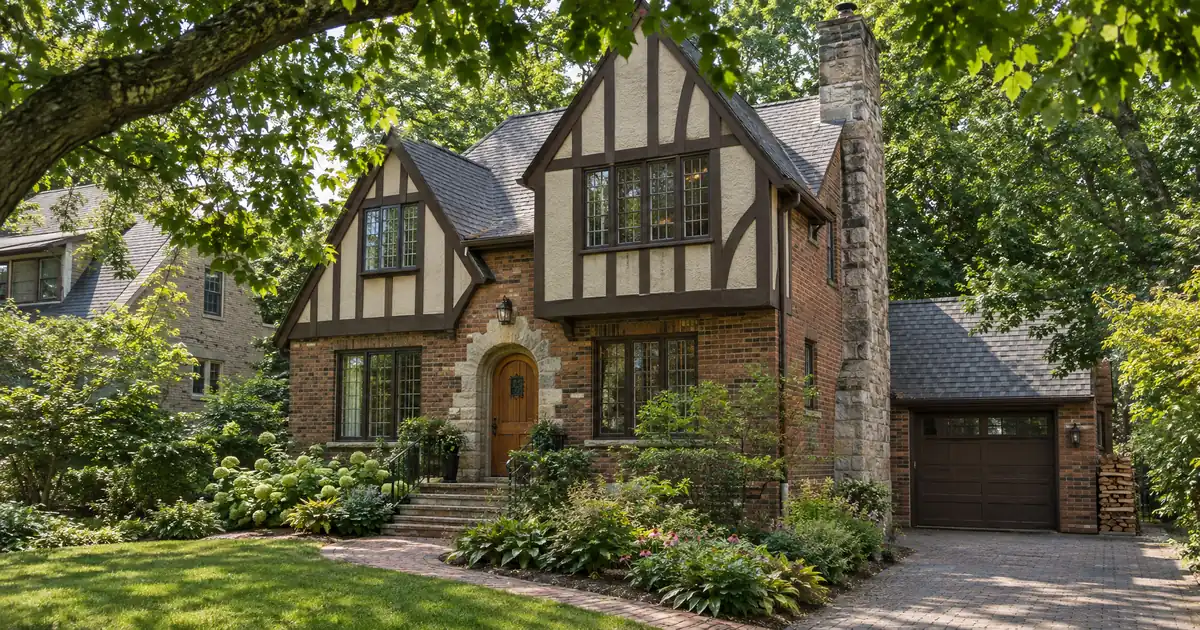
The Quick Read: A DSCR HELOC can fund a spouse buyout, but only when the departing spouse is not on the rental’s first mortgage, or when the rental has no mortgage at all. The line is a standalone second lien behind the first mortgage you keep, or a first lien on a paid-off rental, and it qualifies primarily on property-level rental income covering the payment, subject to lender guidelines. It pays the buyout. It does not release anyone from an existing loan.
- A second lien reaches 70% CLTV at a 720 credit score or better, on lines of $50,000 to $500,000, subject to underwriting.
- A first lien reaches 75% LTV at 740 or better, or 70% from 700 to 739, on lines to $500,000.
- Coverage is tested at 1.10x or better on a stress payment across the whole line.
- If the ex-spouse is on the first note and the decree demands a release, a cash-out refinance, an assumption or a sale is the path.
- The line is offered in 15 of Lendmire’s 16 licensed states, every licensed state except Tennessee. Leverage, reserves, and pricing vary by lender and program; the final terms follow the full file review.
Divorce settlements rarely hinge on one clean rule, so this page walks the mechanics in order. It covers what the product is, how underwriting treats it, the structures that exist, where the general rule breaks, and what the decision looks like in practice.
What a DSCR HELOC Is (and What It Isn’t)
A DSCR HELOC is a revolving line of credit secured by a non-owner-occupied rental of one to four units. The rent qualifies the line. No traditional personal-income documentation, W-2s, pay stubs or debt-to-income calculation enter the review, subject to lender guidelines. The rent, the lease, the credit report and the valuation are all documented.
It comes in two lien positions. Behind a first mortgage you keep, it is a standalone second lien. On a rental with no mortgage, it is a standalone first lien. It is never closed with a purchase, never a third lien, and never a line on your own home. Across the wholesale network Lendmire works with, most programs that carry this name follow the same basic shape. A few products sold as DSCR HELOCs are really closed-end seconds that pay out one fixed amount, so confirm the product is a true revolving line.
Don’t confuse it with a bank HELOC on a primary residence. As the federal consumer-finance regulator’s explainer on home equity products notes, a HELOC on a property that already has a mortgage is a second mortgage, paid in addition to the first. That one fact drives the whole buyout question. A draw leaves the first note exactly where it was.
| Factor | DSCR HELOC | DSCR cash-out refinance |
|---|---|---|
| First mortgage | Stays in place | Replaced |
| Lien position | Second, or first if no mortgage | First |
| Releases ex from old loan | No | Yes, if the old loan is paid off |
| Best fit | Keeper has a good first mortgage and ex is not on it | Ex is on the first note |
How Underwriting Treats It, Step by Step
Underwriting follows a sequence, and each step can end the conversation. Here is the order a lender reviews things.
Step 1: Read the decree first. Confirm the buyout amount, the deadline, and whether the settlement requires a refinance or a release of the ex from the loan. This matters because a HELOC cannot satisfy a release requirement. Borrowing before you read the language is the most expensive mistake on these files.
Step 2: Classify the property. DSCR programs are designed for non-owner-occupied investment properties. If one spouse lives in the home, it is an owner-occupied transaction and this line is off the table. A two-to-four-unit property may have at most one vacant unit. Because the federal consumer-finance regulator’s HELOC booklet warns that renting out a home may be prohibited under an ordinary HELOC, a consumer line is the wrong tool on a rental.
Step 3: Fix the title. The keeping spouse generally needs to hold the property individually or in a revocable trust. An LLC can stay on title for the DSCR HELOC, subject to program terms, with the members signing as guarantors. A title holder who is not a borrower signs a non-borrowing owner acknowledgment and the security instrument. Some bank-style investment HELOCs, which qualify on personal income, do not accept LLC-titled rentals. That is a different product. Don’t mix the two.
Step 4: Size the buyout against equity. The settlement sets the ex’s share, not the lender. The lender’s test is combined loans divided by value.
Step 5: Run the coverage test. Gross monthly rent is divided by a stress payment: a fully amortizing payment on the entire credit limit at the start rate plus 2 percentage points. Minimum coverage is 1.10x. Rent is the lesser of the appraisal’s market rent and the lease, unless three months of receipts support a lease above market. A lease must be in place. Confirm on the file how the lender treats the first-mortgage payment on a second lien, since the lender’s own calculation governs.
Step 6: Valuation and title. Lines to $400,000 use an automated valuation (confidence score 85 or better) with a property inspection report, or a full interior appraisal. Larger lines need a full interior appraisal. Appraisal waivers are not accepted.
Step 7: Funding. Cash moves through the closing table, and closing costs come out ahead of the payout to your spouse.
The Buyout Math, in Percentages
Say a rental is worth 100% of appraised value, with a first mortgage at 45% of value. Equity is 55%. A 50/50 split puts the departing spouse’s share at 27.5% of value. On a second lien capped at 70% CLTV, total loans can reach 70%, so the new line can be up to 25% of value. That leaves a 2.5%-of-value shortfall against the 27.5% owed. Those are modeled assumptions, not market data.
Closing costs widen the gap further. So the keeping spouse either brings cash, negotiates a smaller payout or offsets the difference with other assets. Credit score matters here too. Below 720 there is no second-lien tier at all. A 700-719 borrower who keeps a first mortgage can’t use this line. That’s the obstacle, not lien position.
If the first mortgage is paid off, the picture improves. A first lien reaches 75% LTV at 740 or better, or 70% from 700 to 739, on lines to $500,000. Lines above $500,000, up to $1,000,000, carry a 65% LTV ceiling at 720 or better. Then the same 100%-value rental with no mortgage could support a payout of 27.5% of value with room left over. Terms vary by lender guidelines, property type, leverage, credit profile, and full file review.
How the Draw Changes Your Coverage
Coverage that passed before the buyout can fail after it. The qualifying payment is sized on the entire credit limit, not just what you plan to use. At least 80% of the line is drawn at closing, and that draw is never less than $50,000. On the smallest lines, that means the whole line funds at closing. Later draws are at least $5,000.
Run the check in your head this way. If a rental clears the first mortgage at, say, 1.4x, adding a line sized to a large buyout can pull the combined picture toward the 1.10x floor. If it falls short, you have three moves: shrink the line, bring cash to the table, or switch structures to a cash-out refinance. The rate is variable, and the stress test already assumes a higher payment than the start rate implies.
One more point: clearing 1.00 or 1.10 is not the same as positive cash flow. The ratio compares rent to the debt payment. It ignores repairs, vacancy and management. (A buyout that squeaks past the floor often leaves a thin monthly margin.)
Why the HELOC Doesn’t Release Your Ex
A divorce decree doesn’t change a lender’s note. The lender wasn’t a party to the divorce.
Two tempting shortcuts fail here.
- The quitclaim deed. It moves ownership, not the loan. Your ex stays liable on the old note until a refinance, an approved assumption or a payoff.
- Federal due-on-sale protection. It generally stops a lender from calling the loan because of a transfer after divorce. It protects the transfer. It does not release anyone from liability. Whether it reaches an investment-property loan is a question for your attorney.
If the decree demands a release, a DSCR cash-out refinance in the keeping spouse’s name is the usual route. It replaces the first mortgage, pays off the old note and funds the buyout in one transaction. A cash-out typically carries a lower leverage ceiling than a purchase and its own seasoning rules, so the tradeoff is giving up a low-cost first mortgage you wanted to keep.
Where the General Rule Breaks
Rules look tidy until a file lands on the desk. These are the edge cases that change the answer.
Free-and-clear rental. No first mortgage means the line becomes a first lien, and this is the cleanest fit. A buyout of $50,000 or more on a paid-off rental is the textbook case.
A sibling or heir as co-owner. If the departing owner isn’t a spouse, the divorce-transfer rules don’t apply, and the departing owner is often not on any loan. The structure can still work, but the paperwork differs.
The marital home. If anyone lives there, it isn’t DSCR eligible. Owner-occupied cash-out paths apply instead.
Property exclusions. Rural-designated property, condotels, row homes, leaseholds, land trusts, mixed-use and properties listed for sale in the prior 2 months fall outside the program. Warrantable and non-warrantable condos are eligible property types. Any leverage cap still follows the tiers above.
Vague settlement language. A loosely worded agreement can push the lender to treat the deal as an ordinary cash-out, which changes the leverage review.
Seasoning after a transfer. A rental bought or refinanced inside the last 6 months is not eligible (that clock runs from the last note date to the new note date), and the owner must have held title for 6 months (settlement date to note date). If a quitclaim between spouses resets the title clock, plan for that before the decree deadline.
Credit and history. The floor is 720 on a second lien and 700 on a first lien. There can be no 30-day mortgage late in the last 12 months, and 48 months must have passed since a bankruptcy, foreclosure, short sale or deed-in-lieu.
The transfer itself. A transfer of property to a former spouse incident to divorce generally recognizes no gain or loss, and the recipient takes the transferor’s basis. A buyout therefore does not step up basis. Tax treatment varies; consult a qualified professional.
What the Decision Looks Like in Practice
For many files, the decision hangs on two questions: is the ex on the first note, and does the decree demand a release? Everything else is sizing.
| Situation | Usual fit |
|---|---|
| Ex not on first note, keeper wants to keep it | DSCR HELOC (second lien) |
| Rental owned free and clear | DSCR HELOC (first lien) |
| Ex on first note, decree demands release | Cash-out refinance, assumption or sale |
| Someone lives in the property | Owner-occupied options, not DSCR |
| Credit below 720 with a first mortgage | Second lien unavailable; consider cash-out |
An investor whose first mortgage is a good one has a real reason to prefer the line. Replacing it with a cash-out costs that structure. An investor whose ex is on the note has little choice. Self-employed or post-divorce borrowers whose income is in flux often value the rent-based review, since personal income never enters the calculation. DSCR loans typically carry recourse to the guarantor, so the keeping spouse is personally on the hook.
The complete DSCR loans guide covers the underlying loan type. If the numbers need a personal-income route, Lendmire’s piece How to Qualify for an Investment Property HELOC for Buying Out a Spouse covers that product.
Key Terms Defined
DSCR: The debt service coverage ratio, meaning gross monthly rent divided by the qualifying payment.
CLTV: Combined loan-to-value, which is the first mortgage balance plus the new line, divided by value.
Second lien: A loan that sits behind the first mortgage and is paid after it if the property is sold or foreclosed.
Quitclaim deed: A deed that moves ownership between people without changing who owes the mortgage.
Non-borrowing owner acknowledgment: A signed form from a title holder who is not on the loan, agreeing to the lien.
Frequently Asked Questions
Can a DSCR HELOC take my ex-spouse off the mortgage?
No. A draw leaves the first mortgage untouched, so your ex stays liable on that note. If the decree requires a release, a cash-out refinance, a lender-approved assumption or a sale is needed instead.
Can the rental stay in my LLC?
Yes, in most cases. Vesting in the owner’s LLC is allowed on an investment property, subject to program terms, with the members signing as guarantors. A title holder who is not a borrower signs the non-borrowing owner acknowledgment and the security instrument.
How long must I own the rental before applying?
Two six-month clocks apply: the line is not available on a rental bought or refinanced in the last 6 months (last note date to new note date), and title must have been held for 6 months (settlement date to note date). Plan the timing around your decree deadline.
How much of the line do I have to draw?
At least 80% is drawn at closing, never less than $50,000, and later draws are at least $5,000. The draw period is 5 years interest-only, followed by a 25-year repayment period and a 30-year maturity, at a variable rate.
What if the buyout is bigger than the line allows?
The difference has to come from cash, a negotiated smaller payout or other assets. Leverage limits are ceilings set by credit tier and lien position, and the lender’s own review governs.
If you are considering a home equity line on a rental property and want to see how the numbers work, Lendmire can help you compare DSCR HELOC options based on the property, the rent, the equity available, credit profile, combined leverage, and your goals. Reach the team at 828-256-2183. Lendmire is a broker, so every program here is arranged through a wholesale lender and remains subject to underwriting and lender guidelines, not a commitment to lend.
About Lendmire
As a mortgage broker (NMLS# 2371349), Lendmire helps landlords and real estate investors open DSCR home equity lines of credit on their rentals — lines qualified on the property’s rent, never on the owner’s own home — through wholesale lenders in 15 of Lendmire’s 16 licensed states (every licensed state except Tennessee). Lendmire is never the lender; line amounts, ceilings and terms are set by the lender under its guidelines. Scotsman Guide named Lendmire a Top Mortgage Workplace in both 2025 and 2026.
Get Started
Ready to find the right loan for you?
See your offer in seconds. No credit pull, no obligation.
Informational only. Not a Loan Estimate, approval, or commitment to lend. Program availability and eligibility are subject to lender guidelines, credit approval, property review, and underwriting.
References
1. CFPB – HELOC vs home equity loan
This article is part of Lendmire’s DSCR HELOC program — full qualification details, guidelines, and scenarios live on the program page.
Related reading: How a DSCR HELOC Works When the DSCR Comes in Below 1.10 · DSCR HELOC Rules When the Home Is Still in the Estate · How a DSCR HELOC Works for Out-of-State Investors Managing Remotely
Brandon Miller
Founder & CEO, Mortgage Loan Originator, Lendmire LLC
- Mortgage Loan Originator · NMLS# 1129696 · Verify on NMLS Consumer Access
- North Carolina Real Estate Broker · License# 343312 · Verify on NCREC
- North Carolina Insurance Producer · License# 19053198 · Property, Casualty, Life, Health · Verify on NAIC SBS
- Lendmire LLC · Firm NMLS# 2371349 · Verify firm licensure
Required disclosures. Lendmire (NMLS# 2371349) operates as a licensed mortgage broker, not a direct lender or depository. The discussion in this article is general in nature and should not be relied upon as financial, legal, or tax advice — every investment scenario is unique and should be reviewed by a qualified professional. Any loan inquiry is subject to lender underwriting, and this article is not a commitment to lend or a guarantee of approval. Mortgage rates, loan terms, and program guidelines vary by borrower, property, and state, and may change without notice. Equal Housing Opportunity. Verify licensure at NMLS Consumer Access.