
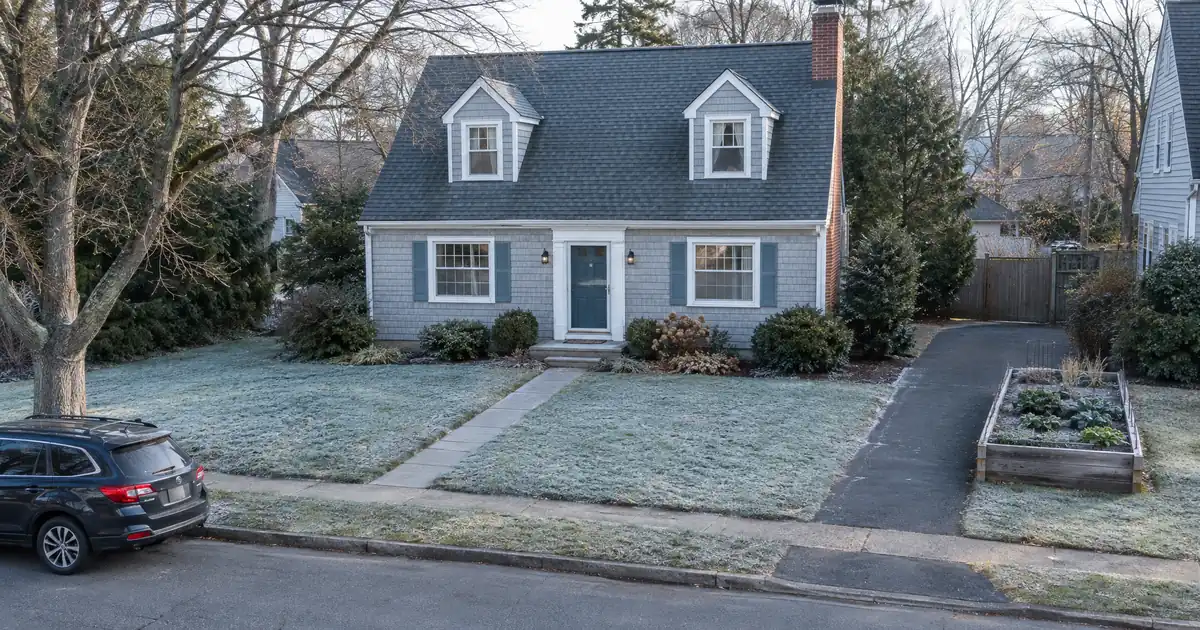
The Quick Read: A DSCR HELOC keeps your first mortgage in place and adds a revolving line behind it, while a DSCR cash-out refinance replaces the whole stack with one new first lien. Both qualify primarily on property-level rental income covering the payment, subject to lender guidelines. A closed-end second with a fixed rate is a third path with a lump sum and a set schedule, and few lenders write it.
- A DSCR HELOC is a standalone second lien (or a first lien on a paid-off rental), with a variable rate.
- A cash-out refinance reprices the entire balance, not just the new cash.
- A fixed-rate closed-end second is a lump-sum second lien, and availability is thin.
- The first mortgage’s documents decide whether any second lien is allowed.
- Leverage on the HELOC lane tops out at 70% CLTV on a second lien, through select programs.
The honest answer on who each option is for: the HELOC fits an owner who likes the first mortgage and wants staged access to equity. The cash-out refinance fits an owner with a defined cash need who is fine replacing the first loan. The fixed closed-end second fits an owner who wants a lump sum and a set schedule without touching the first, if a lender will write it and the first mortgage allows it.
What Does “DSCR HELOC” Actually Mean?
The label is a market nickname, not one standardized product. Across the wholesale network, the same words get used for three structures: a revolving line, a closed-end second lien, and a first-lien cash-out refinance. Ask what is actually being offered before comparing anything.
The CFPB’s explanation of home equity loans and HELOCs draws the line cleanly. A home equity loan is a lump sum. A HELOC lets you draw repeatedly up to a maximum, credit replenishes as you repay, and the rate is usually adjustable. If a mortgage already exists, both sit behind it as second mortgages. A HELOC is a type of second mortgage. “Second mortgage” describes lien position, not a product.
So “closed-end second with a fixed rate” is the lump-sum, fixed-schedule version. A DSCR HELOC is the revolving version. The cash-out refinance is neither. It is a new first lien that pays off what came before.
Side-by-Side
The DSCR HELOC column reflects the program Lendmire’s network places, subject to underwriting. The cash-out refinance and closed-end second columns describe published industry norms, which vary by lender.
| Factor | DSCR HELOC | DSCR cash-out refinance | Fixed closed-end second |
|---|---|---|---|
| Lien position | Second lien, or first on a paid-off rental | New first lien | Second lien |
| Fate of the first mortgage | Stays in place | Paid off and replaced | Stays in place |
| Draw structure | Revolving, 5-year draw period | One lump sum | One lump sum |
| Rate type | Variable | Varies by program | Fixed |
| Review basis | Rent coverage, 1.10x stress test | Rent coverage, per program | Rent coverage, per program |
| Personal income file | Not calculated | Not the primary basis | Not the primary basis |
| Entity vesting | LLC allowed, guarantors sign | Often allowed per program | Varies by lender |
| Property types | 1-4 units, PUD, warrantable condos | Broader, per program | Varies by lender |
| Seasoning | 6 months since last note date and 6 months on title | Varies by program | Varies by lender |
| Reserves | None required | Commonly required | Varies by lender |
| Availability | 15 of Lendmire’s 16 licensed states | Widely available | Thin, lender-dependent |
| Later refinance of the first | Second must be paid off or subordinated | No issue, stack is paid off | Second must be paid off or subordinated |
Pricing is not on this table on purpose. Rate and pricing terms come with the lender’s disclosures for any specific file.
How the DSCR HELOC Works on a Rental
The structure leads. It is a standalone second lien behind the first mortgage the owner keeps, or a standalone first lien on a rental with no mortgage. It is never closed with a purchase, never a third lien, and never a line on the owner’s own home or a second home.
The coverage test uses gross monthly rent divided by a stress payment. The payment is fully amortizing and sized on the entire credit limit, not just the drawn balance. Minimum coverage is 1.10x. Rent is the lesser of the appraisal’s market rent and the lease, unless three months of receipts support a lease above market. A lease in place is required, and a two-to-four-unit property can have at most one vacant unit. Confirm on the file how the lender treats the first-mortgage payment on a second lien, because the lender’s own coverage calculation governs.
Leverage, through select programs and subject to underwriting:
- Second lien: up to 70% CLTV (first mortgage plus the new line, over value) at a 720 score or better, on lines up to $500,000.
- First lien on a paid-off rental: up to 75% LTV at 740 or better, 70% LTV from 700 to 739, on lines up to $500,000. Lines above $500,000 run to $1,000,000 at a 65% LTV ceiling. Exact terms depend on the lender’s guidelines, property type, leverage, and a full review of the borrower’s file.
Lines start at $50,000. At least 80% of the line is drawn at closing, and later draws are at least $5,000. The draw period is 5 years interest-only on the drawn balance, then a 25-year fully amortizing repayment period, with a 30-year maturity. The rate is variable.
Valuation depends on size. Lines to $400,000 use an automated valuation with a property inspection report, or a full interior appraisal. Larger lines take a full interior appraisal. Appraisal waivers are not accepted. A rental bought or refinanced inside the last 6 months is not eligible (that clock runs from the last note date to the new note date), and the owner must have held title for 6 months (settlement date to note date). No reserves are required.
Out of scope on this lane: rural-designated property, condotels, row homes, leaseholds, and a few other types. The line is offered in 15 of Lendmire’s 16 licensed states, every licensed state except Tennessee. Borrowers must be U.S. citizens, permanent residents, or non-permanent residents with a Social Security number. Foreign nationals and ITIN borrowers are not eligible.
When the DSCR HELOC Is the Better Fit
Pick the line when these conditions line up:
- The first mortgage is worth keeping. A cash-out refinance reprices the entire payoff balance. A second lien leaves the first alone. If the existing first loan carries terms you would not replace today, that is the case for a standalone second.
- The cash need is staged or uncertain. Renovation phases, a down payment on the next deal, or a reserve cushion all fit a revolving structure better than a lump sum. The CFPB page makes the same structural point: revolving credit suits uncertain needs.
- The owner’s personal income file is the obstacle. Rent qualifies the line, and the owner’s income is never calculated. NerdWallet notes that an investment-property HELOC is possible but usually comes with stricter requirements, fewer lenders, and lower limits than a primary-home line. Many of those lines underwrite on the borrower. A rent-based line moves the test to the property.
- The LLC should stay on title. Vesting in the owner’s LLC is allowed on this lane, with members signing as guarantors.
The tradeoffs are real. The rate is variable, so the payment moves with the balance and the market. A second lien must be paid off or subordinated at any future refinance of the first, and the first lender can require it. Seasoning keeps recent purchases out. And if the first mortgage’s documents bar additional liens, the line never gets written.
When the DSCR Cash-Out Refinance Is the Better Fit
The refinance is the cleaner structure when you want one loan and one payment.
- The existing first is not worth keeping. If the current loan has a short runway, a balloon coming, or terms you would replace anyway, repricing the full balance costs little extra.
- The need is defined. A lump sum for a specific purchase or payoff suits a single closing. The new first lien pays off the old first and any junior liens, then the borrower receives the net cash.
- There are junior liens to clear. A cash-out refinance has no subordination problem. It pays off the stack. That is a real advantage over adding a second now and untangling it later.
- The property is held in an entity or sits outside the line’s boxes. Cash-out is generally the entity-friendly lane, subject to each lender’s program eligibility, and broader property types are often available. A line has hard exclusions that a first-lien refinance may not.
- The owner wants a long fully amortizing schedule from day one. A refinance gives a defined term without a draw period or variable-rate exposure.
The costs are also real. A refinance reprices and resets the entire balance, not just the new cash. A low-rate first mortgage gets replaced. Many programs expect reserves, which the HELOC lane does not require. The appraisal sets value for the LTV test, and a rent schedule sets market rent: Form 1007 for a single unit, Form 1025 for two to four units. Those are Fannie Mae form names that DSCR programs borrow. Agency rules do not govern a DSCR file.
Leverage on a cash-out varies by program. The complete DSCR loans guide walks through how cash-out files are structured across the network.
The Fixed-Rate Closed-End Second
A closed-end second is recorded behind the existing first and paid out as one lump sum on a fixed schedule. The fixed rate makes the payment predictable. It does not change lien priority or consent requirements. Fixed is a payment feature, not a safety feature.
The coverage test is where these files get tight. Rent has to cover the combined obligations of both loans. A first mortgage that clears coverage alone can fail once the second payment joins it. A fully amortizing second starts paying principal on day one, so coverage is tested against the full payment immediately. A revolving line with an interest-only draw period behaves differently in the early years.
Then there is availability. Rent-qualified closed-end seconds are a thin market. Across the wholesale network, the cash-out refinance is the widely available option. The fixed second is a lender-dependent specialty. If a plan depends on one, confirm a lender will write it before building the rest of the deal around it. When a bank-style investment line is declined, a rent-based second or a refinance is the usual pivot.
Lendmire’s network places the DSCR HELOC and the cash-out refinance. The closed-end second column in the table above shows published industry norms, so program details differ by lender.
The Gate Every Second Lien Has to Clear
The first mortgage’s note and deed of trust decide whether a junior lien is allowed, needs notice or consent, or is barred. Read them before pricing a second.
Federal law does address one piece. 12 U.S.C. § 1701j-3 limits a lender’s ability to call a loan due when a subordinate lien is created, but subsection (d) covers only residential property with fewer than five units, and the implementing regulation frames the protection around homes occupied by the borrower. Do not assume that protection reaches an investor-owned rental. The first mortgage’s own additional-lien covenant is the safer thing to read.
Existing DSCR first mortgages add friction. A second behind a DSCR first is limited, and some first lenders will not consent. One sequencing approach is to refinance the long-term debt into the first-lien DSCR loan first, then add a second after.
The later-refinance problem is the second quiet cost. A second does not automatically stay second. When the first gets refinanced, the new first lender generally requires the second to be paid off or subordinated, and the junior holder can refuse. A cash-out refinance never creates this issue.
Blended Cost, Without the Pricing
The real comparison is mechanical. Keeping the first and adding a second preserves the first loan’s terms but adds a second payment. A cash-out refinance replaces both with one payment, but reprices the entire balance.
Four variables decide which wins:
- The gap between the existing first loan’s terms and what a new first would carry.
- How the balance splits between the old loan and the new cash.
- The hold period before the next refinance or sale.
- Closing costs relative to the size of the cash need.
A large cash need against a modest existing balance favors the refinance, because little low-cost debt is being replaced. A small cash need against a large, favorable first favors the second. Run those inputs through the lender’s own disclosures. They carry the pricing that this article does not.
A Quick Coverage Picture
Picture a rental whose rent clears the first mortgage alone at about 1.5x. Add a second lien and the combined obligations rise, so coverage compresses toward the 1.10x HELOC floor, which tests a stress payment on the whole line. That is why a large line against a modest rent can fail even when the first loan looks comfortable. Run the same rental through a cash-out refinance and the test is one coverage ratio on one new payment, with the result depending on the balance and program. These ratios are illustrative. The lender’s calculation governs.
A Short Decision Checklist
1. Read the first mortgage’s documents. If additional liens are barred or need consent that will not come, the second is off the table.
2. Size the cash need. Defined and large leans refinance. Staged or uncertain leans line.
3. Test the existing first loan’s terms. Worth keeping leans second. Worth replacing leans refinance.
4. Check the title. An LLC-held rental can work on the HELOC lane, and many cash-out programs also accept entity vesting, subject to program terms.
5. Check property type and seasoning. A rental inside the 6-month windows is out on the HELOC lane. Rural, condotel, and row-home collateral are also out.
6. Test combined coverage. If both payments crowd the rent, the line shrinks or the refinance becomes the path.
Key Terms Defined
CLTV: the first mortgage balance plus the new line, divided by the property’s value.
Closed-end second: a lump-sum loan recorded behind the first mortgage, repaid on a fixed schedule.
Seasoning: the minimum time a borrower must have owned or refinanced the property before a new loan is eligible.
Subordination: a junior lienholder agreeing to stay behind a new first lien after a refinance.
Stress payment: the fully amortizing payment, sized on the whole credit limit, that the HELOC coverage test uses.
Verdict
Choose the line when the first mortgage is worth keeping, the need is staged, and the property fits the box. Choose the cash-out refinance when the first mortgage is not worth keeping, the need is defined, or junior liens and property types complicate a second. Treat the fixed-rate closed-end second as a possible fit, not a plan, until a lender confirms it will write it and the first mortgage allows it. The tradeoff is simple: a second preserves what you have and adds a lien to manage later, and a refinance resets everything and leaves one loan.
If you are considering a home equity line on a rental property and want to see how the numbers work, Lendmire can help you compare DSCR HELOC options based on the property, the rent, the equity available, credit profile, combined leverage, and your goals.
Frequently Asked Questions
Is a DSCR HELOC a real, standardized product?
No. The label gets applied to a revolving line, a closed-end second, and a first-lien cash-out refinance. Ask which structure is on offer, what lien position it takes, and whether the rate is variable or fixed. The program described here is a revolving line qualified on rent, through select programs in 15 of Lendmire’s 16 licensed states.
Does a second lien replace my first mortgage?
No. A second lien sits behind the first, which stays in place. A cash-out refinance is the option that replaces the first. Either way, the first mortgage’s documents decide whether a junior lien is allowed.
Does a fixed rate make a second lien safer or easier to get?
No. A fixed rate makes the payment predictable. It does not change lien priority, the first lender’s consent requirements, or how coverage is tested against combined payments.
Can an LLC hold title on these loans?
On the DSCR HELOC lane, yes. The LLC can hold an investment property, members sign as guarantors, and a title holder who is not a borrower signs a non-borrowing owner acknowledgment. Cash-out entity rules depend on program guidelines, and closed-end second availability varies by lender.
What happens to a second lien when I refinance the first later?
The new first lender generally requires the second to be paid off or subordinated, and the junior holder can refuse. A cash-out refinance avoids this because it pays off the stack.
A deeper walk-through of investment-property equity extraction lives in Lendmire’s guide to cash-out refinance on an investment property.
About Lendmire
Lendmire is a mortgage brokerage (NMLS# 2371349) arranging home equity lines of credit — primary-residence, second-home and investment-property lines — through a wholesale lending network in its 16 full-service states. Eligibility is determined by the lender on each file. Scotsman Guide named Lendmire a Top Mortgage Workplace in both 2025 and 2026.
Get Started
Ready to find the right loan for you?
See your offer in seconds. No credit pull, no obligation.
Informational only. Not a Loan Estimate, approval, or commitment to lend. Program availability and eligibility are subject to lender guidelines, credit approval, property review, and underwriting.
References
1. CFPB – Home equity loan vs HELOC
2. NerdWallet – HELOC on investment property
3. U.S. Code, 12 U.S.C. § 1701j-3 (govinfo)
This article is part of Lendmire’s DSCR HELOC program — full qualification details, guidelines, and scenarios live on the program page.
Related reading: DSCR HELOC Rules After a Quitclaim From a Parent · DSCR HELOC Requirements for a Cash Offer on a Rental · Best DSCR HELOC Program When Rental Cash Flow Dips
Brandon Miller
Founder & CEO, Mortgage Loan Originator, Lendmire LLC
- Mortgage Loan Originator · NMLS# 1129696 · Verify on NMLS Consumer Access
- North Carolina Real Estate Broker · License# 343312 · Verify on NCREC
- North Carolina Insurance Producer · License# 19053198 · Property, Casualty, Life, Health · Verify on NAIC SBS
- Lendmire LLC · Firm NMLS# 2371349 · Verify firm licensure
Required disclosures. Lendmire (NMLS# 2371349) operates as a licensed mortgage broker, not a direct lender or depository. The discussion in this article is general in nature and should not be relied upon as financial, legal, or tax advice — every investment scenario is unique and should be reviewed by a qualified professional. Any loan inquiry is subject to lender underwriting, and this article is not a commitment to lend or a guarantee of approval. Mortgage rates, loan terms, and program guidelines vary by borrower, property, and state, and may change without notice. Equal Housing Opportunity. Verify licensure at NMLS Consumer Access.