
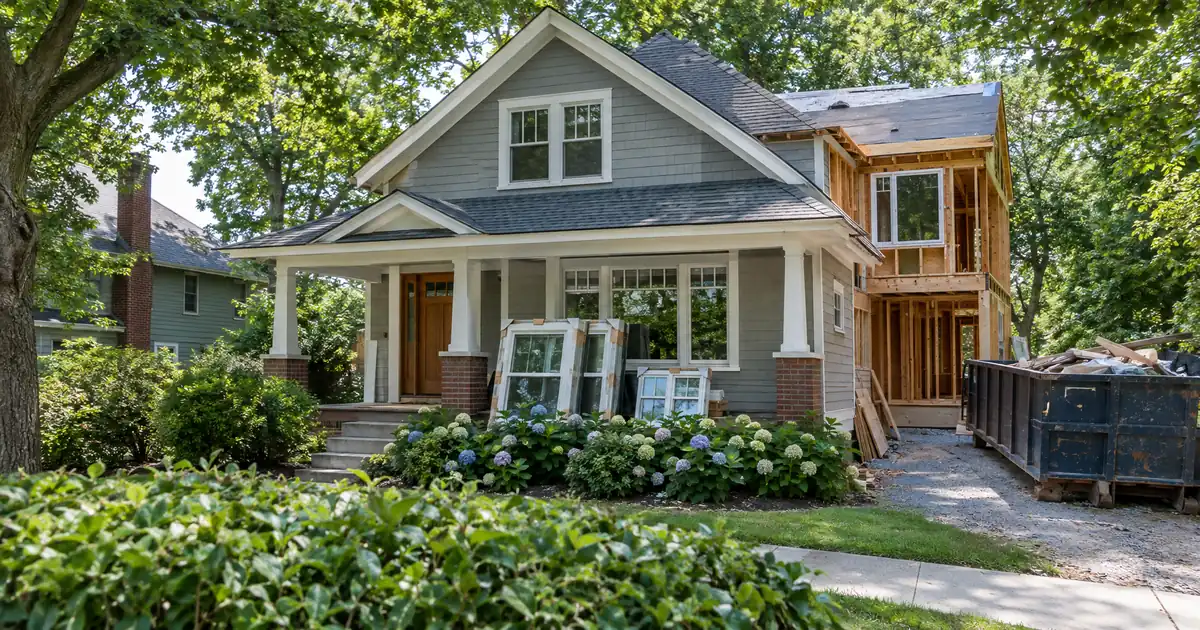
The Quick Read: Usually not: on a first flip, title, escrow, recording and insurance costs come out of your own cash, the lender’s fee is normally withheld from loan proceeds instead of added to the loan, and only a few programs finance fees at all, at the price of a larger balance. The rehab budget does not cover closing costs either. Plan your cash around the down payment, the fees, the third-party costs and a cushion.
- Third-party costs (title, escrow, appraisal, insurance) are normally paid in cash at closing.
- The lender fee is usually deducted from proceeds. You still owe the full loan amount at payoff.
- The rehab holdback is tied to the approved scope of work, so it is not a pocket for closing costs.
- First-timers typically sit in the lowest leverage tier, which leaves the least room to finance anything extra.
- Leverage figures vary by lender, property, and experience, and nothing here is a commitment to lend.
How Is a Hard Money Loan Built?
A fix-and-flip hard money loan has two parts: an initial advance that buys the property and a rehab holdback released in draws. Both parts sit under a cap tied to the property’s after-repair value. Closing costs fit into neither part cleanly, which is why they usually land on you.
What this loan actually costs to carry.
Hard money is sized against the project and priced by time. Enter the deal and see how much the program will lend, the cash required at closing, the carry while you hold it, and what is left at the exit.
Leverage tiers on the current program: 85% with fewer than 2, 90% with 2 or more, 93% with 5 or more completed projects — every tier capped at 75% of after-repair value. Loan amounts up to $5,000,000, larger by exception; terms of 6 to 18 months, interest-only, no prepayment penalty. The rehab portion funds in draws against completed work, not at closing.
Program parameters shown update from Lendmire’s centralized guideline source. Rate, points, and months are editable assumptions, not quoted terms.
Cost cap sets the loan · positive spread
Illustrative estimate only — not a quote, Loan Estimate, approval, or commitment to lend. Rate, points, and months are editable assumptions. Hard money is business-purpose financing for real estate investors, not a consumer mortgage. Leverage on the current program tops out at 93% of project cost for investors with a documented track record, capped at 75% of after-repair value, with rehab funding up to 100% of the documented budget released in draws; actual terms vary by lender, borrower experience, property, and exit. Lendmire is a mortgage broker, not a lender.
Here is the structure on the programs Lendmire brokers. On a fix-and-flip, leverage is measured against project cost, meaning purchase price plus rehab budget. First-time investors typically qualify at the lowest tier, around 85% of project cost. Investors with 2 or more completed projects can reach about 90% of project cost. At 5 or more, the top tier is about 93% of project cost. Every tier is capped at 75% of after-repair value.
Rehab money behaves differently. Up to 100% of the rehab budget can fund in draws, but only against completed work. You front each phase, the work is inspected, and the lender reimburses you. A draw is a reimbursement for approved work, not a cash advance you can spend on anything.
Bridge purchases without a rehab plan run lower, up to 80% of the purchase price. Cash-out and rate-and-term refinances run up to 65% of value. Terms are 6 to 18 months, interest-only, with no prepayment penalty. All of this varies by lender, property, and experience.
One more point on the headline. There is no true 100% purchase program. When you see 100% financing advertised, it usually refers to the rehab budget, not the purchase price and not your closing costs.
Can a First-Time Flipper Roll Closing Costs Into the Loan Balance?
Usually no. Three different things get called rolling in, and only one of them actually adds to the balance. Sorting them out is the fastest way to know how much cash you need.
1. Fees netted from proceeds. The lender withholds its origination fee when the loan funds. REInvestorGuide describes origination fees as typically withheld from proceeds at closing, which means you receive a smaller net amount than the loan’s face value. Many borrowers hear deducted from proceeds and assume the fee is free. It is not. You owe the full face amount at payoff, so the fee is a cost you have already paid.
2. A larger initial advance. If a lender counts certain closing costs as part of project cost and you have room under the 75% after-repair-value cap, the advance can be larger. This is rare for a first flip because first-timers sit at the lowest tier, and because the cap is often the binding limit. Whether a given lender counts any fee in project cost varies by lender, property, and experience.
3. Fees added to the balance. A few programs will add fees to the loan. You pay for it with a bigger balance, more interest over the term and a thinner margin at exit.
What does not work is paying closing costs from the rehab holdback. The holdback is released against inspected work in the approved scope. A title invoice is not a renovation line item.
Which Costs Can Be Financed and Which Cannot?
Cost types behave differently, and lumping them together is how first-timers end up short at the table. This table sorts them by how they typically work. Treat it as a general pattern, not a promise from any lender.
| Cost | Typically financed? | What usually happens |
|---|---|---|
| Lender origination fee | Netted, sometimes added | Withheld from proceeds |
| Title and escrow | Rarely | Paid from your cash |
| Appraisal and inspections | Rarely | Paid up front, from cash |
| Hazard insurance | Rarely | Paid from your cash |
| Interest reserve | Varies | Depends on the lender’s structure |
| Draw fees | Rarely | Billed as each draw is processed |
The pattern is simple. The lender’s own fee has flexibility. Everyone else’s invoice does not, because the title company and the appraiser want to be paid when they deliver.
Why Does the Cap Decide How Much Room You Have?
The 75% after-repair-value cap is the ceiling over everything. If your loan already presses against it, there is no space to add a dollar of closing costs.
Run the numbers on a modeled flip, using ratios only. Assume purchase price plus rehab equals 82% of the after-repair value. At the first-timer tier of 85% of project cost, the loan comes to about 70% of after-repair value. That leaves some room under the cap, so a lender could in theory fit a modest fee inside it.
Now change one assumption. Say project cost is 90% of after-repair value, a thin-margin deal. Eighty-five percent of that cost works out to about 76.5% of after-repair value. That is above the cap, so the cap binds and the loan shrinks to 75% of after-repair value. There is no room to roll anything in, and you bring more cash, not less.
This is a hypothetical, so do not read it as a market statistic. But it shows why a deal that needs closing costs financed is often a deal with too little margin. Thin deals are where the cap bites hardest.
How Does Experience Change the Answer?
Experience changes how much of the deal the lender finances and how much room you have, not whether hard money is open to you. First-time investors qualify at the lower leverage tiers, and the top tier is reserved for investors with a documented track record.
| Factor | First flip | 2+ completed projects | 5+ completed projects |
|---|---|---|---|
| Fix-and-flip leverage | About 85% of project cost | About 90% of project cost | About 93% of project cost |
| Cap on all tiers | 75% of after-repair value | Same | Same |
| Room for extra costs | Least | More | Most |
Credit matters too. The programs Lendmire brokers typically want a 620 minimum score, with additional conditions below 660. Underwriting stays asset-based, so the lender cares about the property, your plan and your exit. Those figures vary by lender, property, and experience.
For a first flip, the practical read is simple. Leverage is lowest and the cap is the same, so your cash cushion matters more than it will on your fifth deal. ReSimpli makes the same point from the education side. It recommends that first-timers stick with a conventional hard money loan and bring cash for the down payment and closing costs, so a mistake does not leave them overleveraged.
What Does Paying Versus Rolling In Do to Your Profit?
Rolling costs in lowers the cash you bring to closing and raises everything else. Paying them is the reverse. Neither is free, and on a short hold the tradeoff leans toward paying.
Compare the two paths on the same deal:
- Paid in cash: You bring more cash up front. The balance stays lower. Interest-only carry runs on a smaller loan, and the payoff at exit is smaller.
- Rolled in: You bring less cash up front. The balance is larger, so interest accrues on more, and the payoff is bigger. If the sale price slips or the rehab runs over, the extra balance eats directly into your margin.
Terms run 6 to 18 months, so the extra interest has a limited window to grow. But up-front fees matter most on short holds, because you pay them in full no matter how quickly the flip sells. A cost spread over a short term lands hard on a thin margin.
Overruns work the same way. If the plan is to refinance the finished property into a rental, every financed dollar is also a dollar the new loan has to clear.
Tax treatment can depend on how the funds are used and how the property is held; investors should keep clear records and speak with a qualified tax professional before relying on any deduction.
What If the Lender Says No?
You have options, and most of them involve the deal, not the loan. These are worth trying before you accept a thinner cushion.
1. Ask for a seller credit. A seller may agree to contribute toward closing costs. Whether it works depends on the contract and on the lender’s rules about contributions, so raise it before you sign.
2. Negotiate the fee. The lender’s own fee is the one cost that has some give. Ask what changes it, and ask for the full fee schedule in writing.
3. Buy smaller. A lower purchase price shrinks the down payment, the fees and the third-party costs at once.
4. Bring a partner. An equity partner can supply the cash you lack. Agree on the split before you commit, since a partner changes who gets paid first at sale.
5. Finance part, pay part. If one lender’s structure lets you add a portion of fees, take only what you need and cover the rest from cash.
6. Wait. If the numbers only work with every cost financed, another deal may serve a first flip better.
One caution on stacking. Layering a second loan or other borrowing on top of hard money to cover closing costs adds settlement costs of its own and complicates the exit. It rarely helps a first flip.
What Should You Ask Before You Apply?
Get the full cost picture in writing before you pick a lender. A short list covers most surprises.
- Is the lender fee netted from proceeds, added to the balance, or charged at payoff?
- Which third-party costs must I pay in cash, and when?
- Does any part of closing costs count toward project cost under the cap?
- What is the leverage tier for a borrower with my track record?
- What draw fees apply, and how does each reimbursement cycle work after inspection?
- Is there any proof of post-closing liquidity required, and how much?
- Are there prepayment penalties or extension fees if I sell early or run long?
Then build a cash-to-close sheet. Add purchase price, rehab budget, lender fee and third-party costs. Subtract the loan advance and the fees netted from proceeds. What remains is the cash you actually need. Add your contingency and first draw on top. If that number makes you uncomfortable, adjust the deal, not the loan.
Hard money terms of 6 to 18 months do not offer much runway. Many investors who plan to hold the finished property refinance from hard money into long-term rental financing once it stabilizes, and Lendmire arranges that path too. The complete DSCR loans guide explains how that second loan is evaluated.
Key Terms Defined
Closing costs: The fees paid at closing beyond the purchase price, including title, escrow, recording, appraisal and insurance.
Cash to close: The total cash you bring to the table after the loan advance and any netted fees are subtracted.
Origination fee (points): A one-time lender fee charged as a share of the loan amount, due whether or not the flip works out.
Initial advance: The part of the loan that funds the purchase at closing.
Rehab holdback: The part of the loan reserved for renovation and released in draws after inspected work.
After-repair value (ARV): The estimated value of the property once the renovation is finished.
Loan-to-cost: The loan amount as a share of purchase price plus rehab budget.
Frequently Asked Questions
Can closing costs be financed on a first flip?
Rarely, and only in part. Third-party costs like title and escrow typically come from your cash. The lender’s fee is usually withheld from proceeds, and a few programs add fees to the balance at a cost. Because first-timers sit at the lowest leverage tier, they have the least room to try.
Does 100% financing include closing costs?
No. The 100% figure applies to the rehab budget, released in draws against completed work. It does not cover the purchase price or your closing costs, and no true 100% purchase program exists. Leverage on a first fix-and-flip is typically around 85% of project cost.
Can I roll in the lender’s origination fee?
Sometimes the fee is netted from proceeds, which means you receive less than the face amount of the loan. That lowers your cash in hand but not your payoff. Adding the fee to the balance is a separate and less common structure, and it raises interest paid over the term.
Is rolling costs in allowed if I am already at the maximum loan?
Not in practice. If the loan already sits at the 75% of after-repair value cap, nothing more can be added. The cap is the ceiling over every tier, and the cost side of the deal has to fit under it. Thin-margin deals hit this wall first.
Do I need cash left over after closing?
Yes, plan on it. You front each phase of the renovation and are reimbursed after inspection, so early costs come from your own funds. Some lenders also want proof of post-closing liquidity, and the amount varies by lender, loan size, and experience.
If you are buying, rehabbing or refinancing an investment property and want to see how the numbers work, Lendmire can help you compare hard money options based on the project, the exit plan, leverage and your goals. Lendmire is a broker, and its hard money and DSCR programs run across 41 markets, including Washington, D.C. Every file is reviewed by the lender and is not a commitment to lend.
A first flip rewards the investor who budgets the full cash picture before bidding, because the loan funds the project and the fees come from you.
For current guidelines and terms, see Lendmire’s hard money loan programs page.
About Lendmire
A DSCR-focused mortgage broker, Lendmire (NMLS# 2371349) places investor financing across 41 markets — 40 states plus Washington, D.C. — with DSCR eligibility generally reviewed by the lender on property cash flow instead of traditional personal-income documentation, subject to lender guidelines. Scotsman Guide named Lendmire a Top Mortgage Workplace in 2025 and 2026.
Get Started
Ready to find the right loan for you?
In about 30 seconds you can review financing options available for your investment property. No commitment required.
Informational only. Not a Loan Estimate, approval, or commitment to lend. Program availability and eligibility are subject to lender guidelines, credit approval, property review, and underwriting.
References
1. REInvestorGuide — Hard Money Loan Terms
2. ReSimpli — Loans for Flipping Houses
This article is part of Lendmire’s hard money loan program — full qualification details, guidelines, and scenarios live on the program page.
Related reading: Joint Venture vs LLC vs Tenants-in-Common on a Hard Money Loan · How Much Cash a First-Time Flipper Needs Between Hard Money Draws · Keeping Seller Financing vs Refinancing Into a Hard Money Loan
Brandon Miller
Founder & CEO, Mortgage Loan Originator, Lendmire LLC
- Mortgage Loan Originator · NMLS# 1129696 · Verify on NMLS Consumer Access
- North Carolina Real Estate Broker · License# 343312 · Verify on NCREC
- North Carolina Insurance Producer · License# 19053198 · Property, Casualty, Life, Health · Verify on NAIC SBS
- Lendmire LLC · Firm NMLS# 2371349 · Verify firm licensure
Compliance and disclosures. Lendmire (NMLS# 2371349) is a licensed mortgage broker and is not a direct lender, depository institution, financial advisor, or tax professional. Content in this article is general market analysis and educational information — not financial, legal, or tax advice for any specific situation. Lendmire does not guarantee loan approval; every transaction is subject to underwriting by the funding lender. Mortgage pricing and loan program guidelines are subject to change at any time without notice and vary by borrower characteristics, property type, and state regulations. Lendmire complies with Equal Housing Opportunity. Licensure verification: NMLS Consumer Access.