
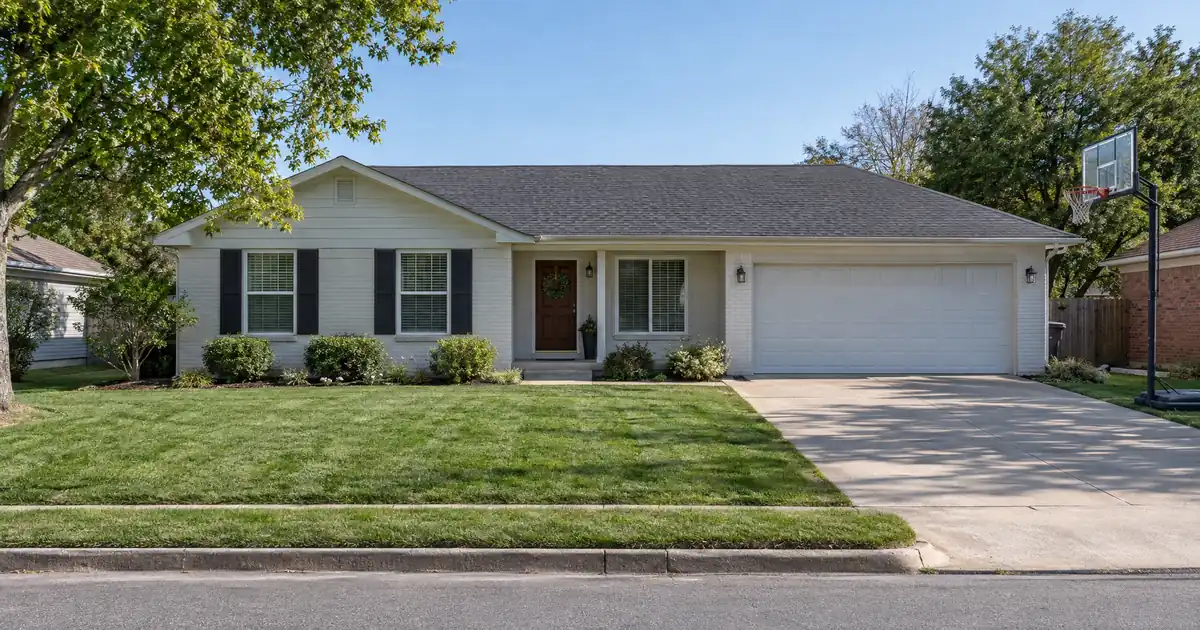
Does A Grant Or Repayable Second Skip The Occupancy Requirement — The Quick Read: No. Adding a grant, a forgivable second, or a repayable second on top of an FHA, USDA, or HUD-184 first mortgage does not remove the requirement that you live in the home. Occupancy is a condition of the first loan, not something the assistance layer can waive. In fact, most assistance options add their own occupancy-linked clock on top of the one the first loan already has.
That surprises a lot of buyers. The logic feels backwards — if the government is helping you buy the house, shouldn’t it be more flexible about how you use it? It’s the opposite. These programs exist to put people into homes they’ll actually live in, and every layer of the deal is built around that.
Why Doesn’t Assistance Change the Occupancy Rule?
The occupancy requirement lives inside the first mortgage — the FHA, USDA, or HUD-184 loan — not inside the assistance. A grant or second lien sits on top of that first loan. It doesn’t rewrite the first loan’s terms; it just helps you fund part of the purchase.
Think of it this way: the first mortgage is the contract that says “you must live here.” The assistance is a separate agreement layered on top, and it usually says “and if you don’t live here long enough, you owe us something back.” Two different documents, two different jobs. Neither one cancels the other.
Lendmire arranges FHA, USDA, and HUD-184 purchases paired with down payment assistance every week through wholesale lenders, and this is one of the most common misunderstandings buyers bring to the table. The assistance is a tool to fund the loan — not a workaround for how the loan has to be used.
What Do the Four Assistance Shapes Actually Look Like?
Across the wholesale programs Lendmire places files with, assistance for an owner-occupied purchase generally takes one of four shapes, and each pairs with a specific set of first-lien programs.
A grant-style option covers 2% or 3.5% of the purchase price toward the FHA minimum required investment. Nothing to repay — it’s released at closing with no lien and no payment. It requires a credit score of at least 620 and pairs only with an FHA first lien. Eligibility runs through either an income test — household income at or below 140% of the area median income — or a qualifying category: a first responder, an educator, medical personnel, a civil servant, military personnel, a first-time buyer, or a purchase in an underserved census tract. A HUD-approved homebuyer education course is required, and this option isn’t offered in Washington.
A forgivable second covers 3.5% of the lesser of the purchase price or the appraised value. No interest, no monthly payment — it’s forgiven outright after the first 36 or 60 on-time payments on the first lien. Credit floor is 640. It pairs with FHA, HUD-184, or USDA first liens and carries no income limit beyond whatever USDA itself applies on a USDA loan.
A repayable second covers 3.5% or 5% and, at the 5% level, can also help with closing costs and prepaid items. This one is a real loan: it carries interest, a monthly payment, and a 30-year amortization schedule with a balloon due in year 10. Credit floor is 660. It pairs with the same first-lien programs as the forgivable second.
A refinance-cost second covers 1% to 3.5% of the current first-lien balance toward closing costs on an FHA refinance, with combined leverage up to 104%. Credit floor is 660. These specifics are subject to lender guidelines and a full review of property, leverage, and credit.
| Assistance Type | Repayment | Credit Floor | First-Lien Pairing |
|---|---|---|---|
| Grant | Nothing to repay | 620 | FHA only |
| Forgivable second | Forgiven after 36 or 60 payments | 640 | FHA, HUD-184, USDA |
| Repayable second | Monthly payment, balloon year 10 | 660 | FHA, HUD-184, USDA |
| Refinance-cost second | Same repayment terms as repayable | 660 | FHA refinance only |
None of these four options changes who has to live in the house, or when.
How Does the First Lien’s Occupancy Clock Actually Work?
The occupancy requirement is a promise you make when you sign the loan: you’ll move in within a set window and stay long enough to make the loan legitimate. It’s not tied to the assistance at all — it’s built into the mortgage itself.
FHA requires at least one borrower to occupy the property within 60 days of signing and intend to stay for at least one year, according to FHA.com’s summary of HUD Handbook 4000.1. USDA’s guaranteed loan program similarly requires the borrower to occupy the home as a principal residence throughout the loan term. HUD-184 is limited to owner-occupied primary residences as well.
Layering a grant or second lien on top doesn’t touch any of that. If you can’t honestly certify that you intend to occupy the home, the underlying FHA, USDA, or HUD-184 loan won’t close as owner-occupied — no matter what assistance you’re bringing to the table. There’s no version of this where the assistance “unlocks” a second home or a rental. If the property you’re eyeing is a vacation home or an investment property, the answer is simple: these options don’t apply. Assistance under this framework is for a primary residence you plan to live in, full stop.
Does the Assistance Add Its Own Occupancy Clock?
Often, yes — and this is the part buyers miss most. The forgivable second’s 36- or 60-month forgiveness clock runs independently of the first loan’s occupancy language, and it can outlast it.
Say the FHA loan’s occupancy intent is satisfied after roughly a year. That doesn’t mean the forgivable second is off the hook. Its own clock — 36 or 60 on-time first-lien payments — keeps running. Move out, sell, or stop making those payments on time before that clock finishes, and the forgivable balance stops being forgiven; it becomes something you owe back.
Nationally, second-mortgage-style down payment assistance is the dominant structure, and forgiveness periods with a multi-year wait are common across the industry broadly, per Urban Institute research on down payment assistance programs. That’s useful context — it tells you the pattern of “assistance carries its own timeline” isn’t unique to any one program. The specific forgiveness windows that apply to Lendmire’s network — 36 or 60 payments — come from the program parameters above, not from that broader industry data.
Who Actually Qualifies — Does It Have to Be a First-Time Buyer?
No. None of the four assistance shapes requires a first-time buyer. Repeat buyers and move-up buyers qualify on the same footing.
The confusion usually comes from the grant option’s eligibility list, where “first-time homebuyer” is one of several qualifying categories — alongside first responders, educators, medical personnel, civil servants, and military personnel. It’s a way in, not a requirement. If you don’t fit any of those categories, you can still qualify for the grant through the income test instead: household income at or below 140% of the area median.
The second-lien options — forgivable, repayable, and refinance-cost — carry no income limit beyond whatever USDA itself applies on a USDA first lien. So a repeat buyer with income above the grant’s threshold can often still make the numbers work through a forgivable or repayable second instead.
One more eligibility wrinkle worth knowing: recent federal changes tightened who can use FHA and HUD-184 programs based on citizenship and residency status — a separate issue from occupancy. Effective October 6, 2025, HUD revised Section 184 borrower residency requirements, aligning eligibility with citizens and lawful permanent residents, according to the Federal Register’s Section 184 residency rule. FHA made a parallel change, limiting Title II Single Family Forward eligibility to U.S. citizens and lawful permanent residents, per NAR’s Washington Report on FHA’s 2025 residency rule. Don’t confuse this citizenship-based eligibility gate with the physical occupancy requirement — they’re separate rules governing separate things.
What Can’t Be Combined With These Options?
None of the four assistance shapes stacks with another down payment assistance program, and a mortgage credit certificate isn’t permitted alongside the second-lien options. If you’re comparing assistance from more than one source, expect to pick one path, not blend them.
The grant option also can’t pair with FHA High Balance, FHA $100 Down, FHA 203(h), FHA Good Neighbor Next Door, or FHA One-Time Close loans. If your first-lien scenario involves any of those, the grant is off the table — a forgivable or repayable second built for HUD-184 or USDA first liens might still work, depending on the property and your file.
Key Terms Defined
Occupancy requirement: the loan condition that says at least one borrower must live in the home as a primary residence, generally within a set window after closing.
Owner-occupied primary residence: the home you actually live in day to day — not a second home, not a rental, not a vacation property.
Forgivable second: a subordinate loan with no interest and no monthly payment that disappears entirely once you’ve made a set number of on-time payments on the first mortgage.
Repayable second: a genuine loan behind the first mortgage — it carries interest and a monthly payment, and it’s structured with a 30-year amortization and a balloon payment due in year 10.
Balloon payment: a lump-sum payoff due at a specific point in a loan’s term, rather than the loan simply amortizing to zero.
Area median income (AMI): a benchmark income figure for a given area, used to set eligibility caps for certain assistance programs.
Common Mistakes Buyers Make
Buyers often assume a grant means “no strings attached” simply because there’s no repayment. But even grant-paired first liens still carry the full occupancy requirement — the grant just removes the repayment string, not the occupancy one.
Another common mix-up: assuming the first mortgage’s occupancy clock and the assistance’s forgiveness clock run on the same schedule. They don’t. The FHA occupancy language is about intent and a short move-in window; a forgivable second’s clock is about staying long enough — 36 or 60 payments — for the balance to actually be forgiven.
Buyers also sometimes assume assistance is limited to first-time purchasers, but none of these options actually impose that restriction — repeat buyers qualify across the board. The grant option provides 2% or 3.5% of the purchase price with nothing to repay, subject to a 620 credit score, an FHA first lien, and an income test at 140% of area median unless a category applies, along with homebuyer education. The forgivable second option provides 3.5%, forgiven after 36 or 60 on-time first-lien payments.
What This Means for Your Monthly Budget
A repayable second adds a real monthly payment on top of your first mortgage’s payment, so a lender factors that combined obligation into what you can comfortably afford. A grant or forgivable second avoids that second monthly payment, but it isn’t free of risk — moving out before the forgiveness window closes can turn what looked like assistance into a repayment obligation.
Tax treatment can depend on your situation; buyers should speak with a qualified tax professional before relying on any deduction or credit tied to a first mortgage or an assistance program.
For the end-to-end picture of how these loans work — qualification, structures, and the full process — see Lendmire’s complete DSCR loans guide.
Frequently Asked Questions
Can I use a grant or second lien to buy a second home?
No. Every assistance option described here — grant, forgivable second, repayable second, refinance-cost second — is built for an owner-occupied primary residence only. None of them applies to a second home, vacation property, or rental.
Does a forgivable second mean I never have to pay anything back?
Only if you meet the forgiveness terms. The balance is forgiven after the first 36 or 60 on-time payments on your first mortgage, depending on the option. Move out or fall behind before that window closes, and the unforgiven portion becomes repayable.
Do I have to be a first-time buyer to qualify for any of these?
No. Repeat and move-up buyers qualify for all four assistance shapes. Under the grant option, applicants must have a credit score of 620 or better, use an FHA first lien, complete homebuyer education, and meet an income test set at 140% of area median income unless they fall into a qualifying category — and “first-time buyer” is simply one of several optional categories that can apply, not a requirement. The grant itself provides 2% or 3.5% of the purchase price with nothing to repay, while the forgivable second option provides 3.5%, forgiven after 36 or 60 on-time first-lien payments depending on the option chosen. None of these paths requires first-time buyer status to qualify.
Can I combine a grant with a second lien for extra help?
No. None of the four assistance shapes stacks with another down payment assistance program, and a mortgage credit certificate can’t be paired with the second-lien options either. Buyers pick one path.
What happens if I move out before the occupancy period ends?
The first mortgage’s occupancy requirement and any assistance-specific forgiveness clock are separate obligations, and moving out early can trigger issues with either or both — depending on how long you’ve owned the home and which assistance option is attached to your loan.
If you’re buying a primary home and want to see whether a down payment assistance option fits your file, Lendmire can help you compare the grant, forgivable, and repayable structures alongside an FHA, USDA, or HUD-184 first mortgage — explore down payment assistance programs to see how the pieces fit together, subject to program guidelines and full underwriting.
Investors who want the broader program framework can review how DSCR loans work.
About Lendmire
Lendmire (NMLS# 2371349) is a mortgage brokerage serving home buyers in 16 states. Down payment assistance programs are arranged with FHA, USDA and HUD-184 first liens through wholesale lending channels; Lendmire brokers the financing and the lender underwrites each application. Scotsman Guide named Lendmire a Top Mortgage Workplace in both 2025 and 2026.
Get Started
Ready to find the right loan for you?
In about 30 seconds you can review financing options available for your home or investment property. No commitment required.
Informational only. Not a Loan Estimate, approval, or commitment to lend. Program availability and eligibility are subject to lender guidelines, credit approval, property review, and underwriting.
References
1. FHA.com – HUD Handbook 4000.1 Occupancy Rule
2. Urban Institute – Expanding DPA Awareness
3. Federal Register – Section 184 Residency Rule
4. NAR Washington Report – FHA ML 2025-09
This article is part of Lendmire’s First Time Home Buyer series — every loan program’s qualification details, guidelines, and scenarios live on the loan options page.
Related reading: How A Repayable Down Payment Assistance Second Affects Your DTI? · Grant Vs Forgivable Vs Repayable Down Payment Assistance Explained · Can A Repeat Buyer Get Down Payment Assistance On A Primary Home?
Brandon Miller
Founder & CEO, Mortgage Loan Originator, Lendmire LLC
- Mortgage Loan Originator · NMLS# 1129696 · Verify on NMLS Consumer Access
- North Carolina Real Estate Broker · License# 343312 · Verify on NCREC
- North Carolina Insurance Producer · License# 19053198 · Property, Casualty, Life, Health · Verify on NAIC SBS
- Lendmire LLC · Firm NMLS# 2371349 · Verify firm licensure
Important disclosures. Lendmire (NMLS# 2371349) is a licensed mortgage brokerage. Lendmire is not a direct lender, depository institution, or financial advisor. All loan inquiries are subject to lender underwriting; this article does not constitute a commitment to lend. Rates, terms, and program guidelines are subject to change without notice and vary by borrower profile, property type, and state. Information in this article is general in nature and is not financial, legal, or tax advice. Equal Housing Opportunity. NMLS Consumer Access: nmlsconsumeraccess.org.