
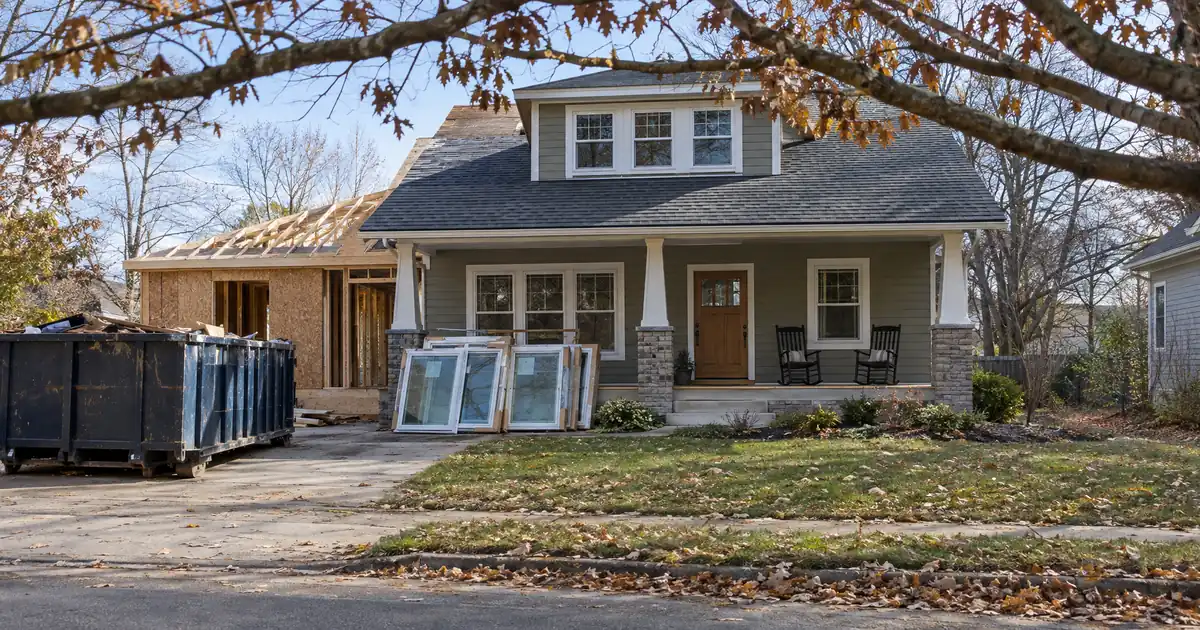
The Quick Read: A hard money lender qualifies a fix-and-flip borrower by underwriting the deal first and the borrower second. The lender tests the purchase price, rehab budget, after-repair value (ARV) and exit plan, then checks credit, liquidity and experience to set leverage and terms.
- Two leverage tests apply together: loan-to-cost and a cap against ARV. Whichever binds first sets the loan.
- Across Lendmire’s network, fix-and-flip leverage is tiered by completed projects: 85% of project cost with fewer than 2, 90% with 2 or more, 93% with 5 or more. Every tier is capped at 75% of ARV.
- The minimum credit score is 620, with extra conditions below 660. Terms run 6-18 months, interest-only.
- Rehab money is released in draws against completed work, not at closing.
- All figures vary by lender, property and experience, and nothing here is a commitment to lend.
Why the Deal Gets Reviewed First
Hard money is asset-based lending. The property, the plan and the exit carry the file. A bank leans on W-2s, traditional personal-income documentation and debt-to-income. A hard money lender leans on what the house will be worth when the work is done and whether the numbers leave room for error.
What this loan actually costs to carry.
Hard money is sized against the project and priced by time. Enter the deal and see how much the program will lend, the cash required at closing, the carry while you hold it, and what is left at the exit.
Leverage tiers on the current program: 85% with fewer than 2, 90% with 2 or more, 93% with 5 or more completed projects — every tier capped at 75% of after-repair value. Loan amounts up to $5,000,000, larger by exception; terms of 6 to 18 months, interest-only, no prepayment penalty. The rehab portion funds in draws against completed work, not at closing.
Program parameters shown update from Lendmire’s centralized guideline source. Rate, points, and months are editable assumptions, not quoted terms.
Cost cap sets the loan · positive spread
Illustrative estimate only — not a quote, Loan Estimate, approval, or commitment to lend. Rate, points, and months are editable assumptions. Hard money is business-purpose financing for real estate investors, not a consumer mortgage. Leverage on the current program tops out at 93% of project cost for investors with a documented track record, capped at 75% of after-repair value, with rehab funding up to 100% of the documented budget released in draws; actual terms vary by lender, borrower experience, property, and exit. Lendmire is a mortgage broker, not a lender.
That does not mean the borrower is ignored. Credit, liquidity and experience still get reviewed. They mostly change how much leverage a borrower gets, not whether the deal gets looked at. Lendmire is a broker, so it places these files with lenders in its wholesale network. The lenders review eligibility and approve.
Hard money loans are short-term and collateral-based. Corporate Finance Institute describes them that way, which is why the collateral story matters more than the borrower’s paystubs.
Key Terms Defined
After-repair value (ARV): what the property should be worth once the renovation is finished, supported by comparable sales.
Loan-to-cost (LTC): the loan as a percentage of purchase price plus rehab budget.
Scope of work: a line-item list of every repair, tied to a budget and usually to contractor bids.
Draw: a release of rehab funds after a phase of work is done and verified.
Exit strategy: how the loan gets repaid, by sale or by refinance.
Liquidity: cash on hand for the down payment, closing costs, interest and holding costs.
How Underwriting Treats the File, Step by Step
The order below is how most files move. Each step is a place a file can stall.
1. Application and entity. The file usually goes in under an entity name. Expect a signed application, purchase contract, scope of work, rehab budget, contractor bids, insurance, and entity papers with an EIN letter.
2. Collateral valuation. On a flip, the lender looks at ARV, not just as-is value. It may confirm ARV with an appraisal or broker price opinion. Thin margins between cost and ARV draw more scrutiny.
3. Sizing. The lender sizes the loan against total cost, then checks the ARV ceiling. Whichever limit is lower sets the maximum.
4. Liquidity. The borrower shows cash for the down payment, closing costs and some interest and holding costs. Equity gained by buying at a discount is not cash.
5. Closing and holdback. Rehab money is held back and released in draws. Across the network, up to 100% of the documented rehab budget funds in draws against completed work. That is a rehab-budget figure, not a purchase leverage figure.
The Leverage Math
Here is the part that trips up first-timers. Two tests run at once.
| Test | What it measures | Network figure |
|---|---|---|
| Loan-to-cost | Loan vs. purchase plus rehab | 85% / 90% / 93% of project cost |
| ARV cap | Loan vs. finished value | 75% of ARV, every tier |
| Rehab draws | Budget released on completion | Up to 100% of rehab budget |
Run the numbers on a modeled flip as a ratio, not a dollar figure. Say total project cost is 80% of the ARV. A borrower at the 90% cost tier would borrow 72% of ARV, which fits under the 75% cap. Now say total cost is 88% of ARV. The same 90% tier would imply about 79% of ARV, so the ARV cap binds and the loan shrinks, which means more cash from the borrower. These are modeled assumptions, not a quote.
Market context points the same direction. Nav’s explainer on 100% financing reports that most hard money lenders cap lending by ARV, often at 70% to 75%. Lendmire’s network sits at 75% of ARV. There is no true 100% purchase program. A deal marketed as 100% financing works only when the margin is wide enough to fit under the ARV cap.
What Decides the Outcome
ARV credibility. Tight, recent comps and a conservative number beat an optimistic resale story. Lenders discount hope.
Rehab plan quality. A line-item scope that matches the budget and the contractor bids reads as a plan. Vague line items and budgets that do not match the scope tend to create documentation gaps.
Track record. Experience shifts leverage. A borrower with fewer than 2 completed projects sits at the 85% tier. Two or more moves to 90%. Five or more reaches 93%. The top tier is reserved for experienced investors.
Skin in the game. Real cash in the deal keeps the borrower aligned with the lender. Longer rehab timelines call for more conservative leverage.
Credit. The minimum is 620 in the network, with additional conditions below 660. Stronger scores tend to improve terms. Credit is reviewed next to the deal, not instead of it.
Contractor involvement. Larger projects are more likely to require a licensed general contractor. Experienced borrowers on cosmetic flips may avoid that, depending on the lender.
Where the General Rule Breaks
First-time flippers. Experience mostly changes leverage and price, not eligibility. First-timers qualify at the lower tier. Some lenders still want a track record, so this is not universal.
| Factor | First-time borrower | Experienced borrower |
|---|---|---|
| Leverage tier | 85% of project cost | 90% to 93% of project cost |
| ARV cap | 75% | 75% |
| Proof needed | Team, budget, more cash | Completed-project documentation |
| Eligibility | Still considered | Still considered |
Draw shortfalls. Inspectors may not credit repairs found after the scope was submitted. A contingency line in the budget, and the ability to move unspent amounts between lines, help here. Lendmire’s page on hard money draw process checks covers this.
Contractor cash flow. Draws reimburse finished work. A thinly capitalized investor needs a contractor who can carry costs between draws.
Licensing. There is no single national hard money license. Each lender is licensed or exempt under the law of the state where the property sits. Lendmire’s network covers 41 markets, including Washington, D.C., but not Louisiana, Minnesota, North Dakota, South Dakota, or Baltimore, Chicago and Detroit.
Property type. The program covers non-owner-occupied residential property, 1-4 units. Ground-up construction runs to 10 units. Commercial, industrial, land, hospitality and owner-occupied properties are not offered.
When One Pillar Is Weak
Underwriting is a trade-off. A thin pillar can sometimes be offset by a strong one, though lender guidelines decide.
- Weak credit, strong deal: expect lower leverage and added conditions below 660.
- First flip, strong reserves: the borrower still lands in the lower tier, but a documented team and cash help the file.
- Thin budget detail, strong contractor: rewrite the scope line by line. A good contractor does not fix a vague budget.
- Thin ARV margin: the ARV cap shrinks the loan. Bring more cash or renegotiate the price.
Why the Business-Purpose Paperwork Shows Up
These are business-purpose loans on investment property. Consumer disclosure rules generally do not apply to credit extended primarily for business purposes, which is why the lender asks for a signed statement that the property will not be the borrower’s home. The CFPB’s Truth in Lending Act guide explains the exemption and how primary purpose is determined. The FDIC’s compliance manual covers the same point. Tax treatment varies; consult a qualified professional.
How the Exit Shapes the Decision
Flip financing is short and interest-only. Terms run 6-18 months with no prepayment penalty. There are no multi-year options on the program. A flipper who decides to keep the property needs a refinance. Many investors refinance out of hard money into long-term DSCR financing once the property is stabilized, and Lendmire brokers that path. DSCR underwriting looks at rent against the monthly obligation, not ARV. For the mechanics, see the complete DSCR loans guide.
Cash planning matters most. The cash at closing plus reserves, not just the down payment, decides whether a deal is fundable. A clean entity, scope and budget package removes preventable gaps from the review.
Common Misconceptions
Hard money ignores the borrower. It does not. Credit, liquidity and experience set leverage, pricing and eligibility.
The rehab money arrives at closing. It does not. Draws reimburse completed work, so the borrower often fronts the cost first.
No money down is standard. Lenders still require cash, and the deal needs margin under the ARV cap.
You must have flipped before. Not universal. First-time investors qualify at the lower leverage tier.
The 70% rule is the lender’s formula. Lenders apply their own standards. The network’s cap is 75% of ARV.
Readiness Check Before You Apply
- Entity formed, with operating agreement and EIN letter in hand.
- Purchase contract signed.
- Line-item scope matched to contractor bids and a budget.
- Comps that support the ARV, picked conservatively.
- Proof of cash for the down payment, closing costs and interest.
- Credit at or above the 620 minimum, ideally 660 or higher.
- A written exit: sale, or refinance into long-term financing.
Frequently Asked Questions
Can a first-time flipper qualify with a hard money lender?
Yes, usually at a lower leverage tier. In Lendmire’s network, borrowers with fewer than 2 completed projects sit at 85% of project cost, capped at 75% of ARV. A tight budget, a credible contractor and real cash in the deal help. Some lenders still want prior experience, and terms vary by lender, property and experience.
How much does credit matter?
Credit shapes leverage and pricing more than eligibility. The network minimum is 620, with added conditions below 660. The deal is still underwritten on the property, the plan and the exit.
How much cash does the borrower need?
Enough for the down payment, closing costs and holding costs, plus a reserve for interest. Rehab funds are released in draws, so the borrower often fronts costs before reimbursement. The gap between project cost and the loan is the cash in the deal.
Do I need an LLC?
Files are usually submitted in an entity name, subject to lender program requirements. Expect to provide entity documents and an EIN letter along with the business-purpose statement.
How are rehab funds released?
Through draws. The borrower funds a phase, submits a draw package, an inspection or photos confirm the work, and the lender reimburses. Agree on cadence in writing.
What gets a file declined?
Common causes are a thin margin under the ARV cap, vague scope and budget detail, an unsupported ARV, and not enough documented cash. A property type outside the program is not offered at all.
If you are buying, rehabbing or refinancing an investment property and want to see how the numbers work, Lendmire can help you compare hard money options based on the project, the exit plan, leverage, and your goals. Call 828-256-2183 or request a quote at Lendmire’s quote page.
About Lendmire
Lendmire — NMLS# 2371349 — is a mortgage brokerage specializing in DSCR investor loans, helping arrange financing across 41 markets, including Washington, D.C., through wholesale and investor-lending channels. The model centers on property-level rental income reviewed by the lender rather than W-2 documentation, subject to lender guidelines, suiting entity-owned and multi-property investors. Lendmire holds Scotsman Guide Top Mortgage Workplace recognition for 2025 and 2026.
Get Started
Ready to find the right loan for you?
In about 30 seconds you can review financing options available for your investment property. No commitment required.
Informational only. Not a Loan Estimate, approval, or commitment to lend. Program availability and eligibility are subject to lender guidelines, credit approval, property review, and underwriting.
References
1. Corporate Finance Institute: Hard Money Loan
2. Nav: Hard Money Loans and 100% Financing
4. FDIC: Truth in Lending Act Compliance Manual
This article is part of Lendmire’s hard money loan program — full qualification details, guidelines, and scenarios live on the program page.
Related reading: Does a Hard Money Lender Require a Down Payment on a Flip? · Hard Money Loan Documentation Requirements for Fix-and-Flip Borrowers · Hard Money Loan to Cost Limits for a Fix and Flip
Brandon Miller
Founder & CEO, Mortgage Loan Originator, Lendmire LLC
- Mortgage Loan Originator · NMLS# 1129696 · Verify on NMLS Consumer Access
- North Carolina Real Estate Broker · License# 343312 · Verify on NCREC
- North Carolina Insurance Producer · License# 19053198 · Property, Casualty, Life, Health · Verify on NAIC SBS
- Lendmire LLC · Firm NMLS# 2371349 · Verify firm licensure
Legal disclosures. Lendmire (NMLS# 2371349) is a state-licensed mortgage brokerage that arranges financing through wholesale lender relationships. Lendmire is not a direct lender, depository institution, or registered financial advisor. The discussion above is general informational content about real estate financing — it is not financial, legal, or tax advice, and readers should consult licensed professionals for guidance on their individual circumstances. Loan inquiries are subject to lender underwriting; this article does not represent a commitment to lend. Loan terms, rates, and qualification standards vary by borrower, property, and state, and are subject to change at any time. Equal Housing Opportunity. NMLS Consumer Access: nmlsconsumeraccess.org.