
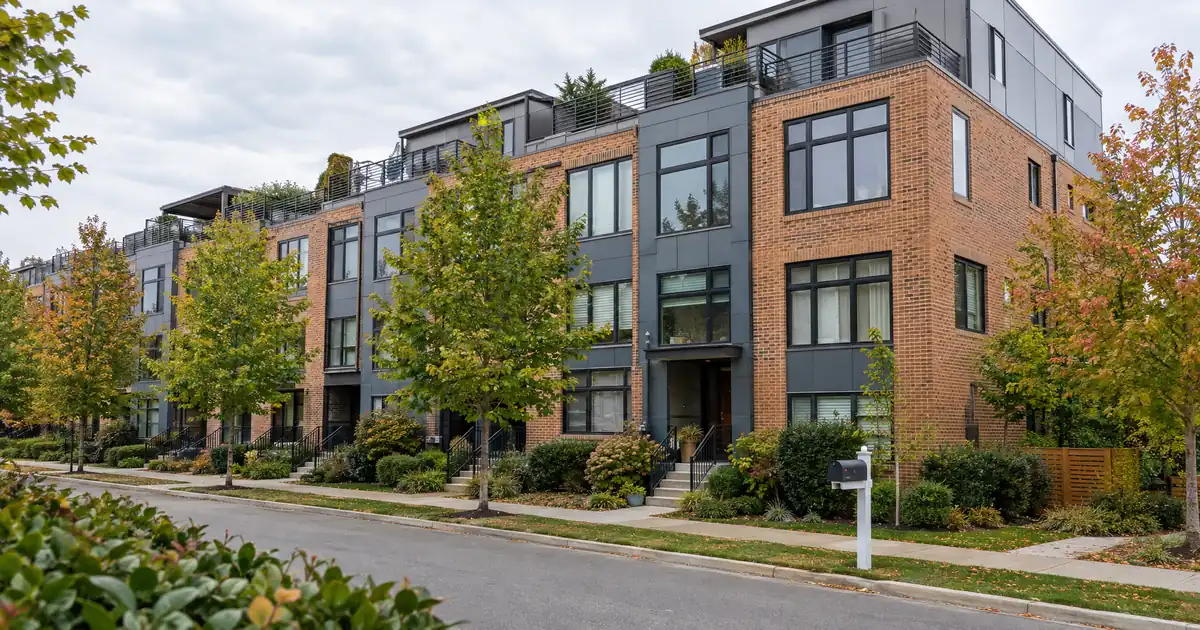
The Quick Read: No law sets a maximum for a condo purchase, so each lender sets its own, and your real limit is the lowest result from several tests. Those tests measure the price, the project cost, the finished value, and the quality of the condo building itself. Lenders then size the loan on the lowest of those caps.
- Leverage is measured against cost or value, never against your income.
- Across most files, a bridge purchase with no rehab is sized as a share of purchase price. A fix-and-flip is sized on project cost, with the share depending on your track record, and always capped as a share of after-repair value.
- Refinances of a condo you already own are sized lower, as a share of value.
- The condo building can lower your leverage or end the deal, but it never raises it.
- Hard money is a bridge, so the exit matters as much as the limit.
This guide walks through how the number gets built, what the condo changes, and what to do if the math leaves you short. Every figure here is a typical range that varies by lender, property, and experience. It is not a commitment to lend.
What this loan actually costs to carry.
Hard money is sized against the project and priced by time. Enter the deal and see how much the program will lend, the cash required at closing, the carry while you hold it, and what is left at the exit.
Leverage tiers on the current program: 85% with fewer than 2, 90% with 2 or more, 93% with 5 or more completed projects — every tier capped at 75% of after-repair value. Loan amounts up to $5,000,000, larger by exception; terms of 6 to 18 months, interest-only, no prepayment penalty. The rehab portion funds in draws against completed work, not at closing.
Program parameters shown update from Lendmire’s centralized guideline source. Rate, points, and months are editable assumptions, not quoted terms.
Cost cap sets the loan · positive spread
Illustrative estimate only — not a quote, Loan Estimate, approval, or commitment to lend. Rate, points, and months are editable assumptions. Hard money is business-purpose financing for real estate investors, not a consumer mortgage. Leverage on the current program tops out at 93% of project cost for investors with a documented track record, capped at 75% of after-repair value, with rehab funding up to 100% of the documented budget released in draws; actual terms vary by lender, borrower experience, property, and exit. Lendmire is a mortgage broker, not a lender.
Key Terms Defined
Loan-to-value (LTV): The loan amount divided by the property’s value. A loan at 75% LTV covers three-quarters of value. These specifics are subject to lender guidelines and a full review of property, leverage, and credit.
Loan-to-cost (LTC): The loan divided by your total project cost, meaning the purchase price plus the rehab budget. Hard money fix-and-flip leverage is usually quoted this way.
After-repair value (ARV): What the condo should be worth once the work is done. Lenders cap the loan against it so you cannot borrow more than the finished unit supports.
Draws: Rehab money released in stages as work is completed, instead of all at once at closing.
Warrantable condo: A building that meets standard agency project rules on things like investor concentration, reserves, and litigation. A non-warrantable building misses at least one of those tests.
PITIA: Principal, interest, taxes, insurance, and association dues. HOA dues are the “A,” and they matter at the refinance.
Personal guarantee: Your promise to repay personally if the property does not cover the loan.
Why There Is No Single Borrowing Limit
Hard money is private, asset-based lending. There is no conforming loan limit, no jumbo threshold, and no agency formula. The lender looks at the collateral, the plan, and who is carrying it out.
Across the wholesale network where Lendmire places files, the loan can reach $5,000,000, and larger by exception. Smaller balances vary by lender. Almost no condo buyer hits that dollar ceiling first. Percentage caps on cost and value bind long before it.
Why does the ceiling work this way? A lender who funds nearly everything has nothing to protect it if the deal stalls. The borrower’s equity is the protection. Lenders also differ on what the percentage is measured against. One lender may go to 75% of cost but only 65% of after-repair value. Always confirm whether a quoted percentage is a cost number or a value number. Scotsman Guide makes a related point: lenders vary in how they review condo projects.
The borrower still matters. Hard money lending is asset-first, not borrower-blind. Most programs expect a credit pull, a track record or a plan that makes sense, and a personal guarantee. In the network, a 620 credit score is the minimum, with extra conditions below 660. First-time investors can qualify, but at the lower leverage tiers.
How the Loan Gets Sized, Step by Step
Here is how a lender builds the number on a condo, in the order it usually happens.
1. Choose the base. A purchase with no rehab is sized on the purchase price. A rehab deal is sized on total project cost, with a second cap on after-repair value.
2. Apply the percentage. A bridge purchase without rehab goes up to 80% of purchase price. Fix-and-flip leverage depends on your documented completed projects, as shown in the table below.
3. Apply the value cap. Every fix-and-flip tier is capped at 75% of after-repair value. The loan is the lesser of the cost-based result and the value-based result.
4. Layer in the rehab money. Up to 100% of the rehab budget funds in draws as work is completed. This is a rehab-budget figure. It is never a purchase loan-to-value.
5. Order the appraisal and the building review. The lender wants a valuation of the unit and the condo documents behind it.
6. Check rental and use rules. The lender will not fund a plan the HOA documents prohibit.
7. Run borrower underwriting. Credit, experience, liquidity, and the exit plan all get reviewed.
The lender takes the lowest result from steps 2 and 3. That lowest result is your limit.
| Your profile | Cost-based cap | Value cap |
|---|---|---|
| Fewer than 2 completed projects | 85% of project cost | 75% of ARV |
| 2+ completed projects | 90% of project cost | 75% of ARV |
| 5+ completed projects | 93% of project cost | 75% of ARV |
| Bridge purchase, no rehab | Up to 80% of price | Not applicable |
| Refinance (cash-out or rate/term) | Up to 65% of value | Not applicable |
There is no true 100% purchase program. Some marketing implies one. What actually exists is rehab funded in draws, which can look like 100% financing on the construction side while you still fund part of the purchase. The top tier is reserved for experienced investors, and every figure here is subject to lender guidelines.
Three Condo Deals Run Through the Formula
These examples use index numbers, not dollars. The purchase price is set to 100, and everything else scales from it. They are modeled assumptions, not market data. The point is to see which cap binds.
Assume the 2+ completed projects tier for deals B and C: 90% of project cost, capped at 75% of ARV.
| Deal | Inputs (index points) | Loan limit | Binding cap | Your cash share |
|---|---|---|---|---|
| A: Purchase only | Price 100 | 80 | 80% of price | 20 |
| B: Light interior rehab | Price 100, rehab 15, ARV 125 | 93.75 | 75% of ARV | 21.25 |
| C: Appraisal comes in low | Price 100, rehab 15, ARV 110 | 82.5 | 75% of ARV | 32.5 |
The value cap is 93.75, which is 75% of 125. The lender uses the smaller number. The ARV cap binds even though your cost-based tier is generous.
Deal C is the trap. Nothing changed in the purchase or the rehab. The appraised finished value simply came in lower, so the value cap fell from 93.75 to 82.5. The cash you must bring jumped by more than ten index points. On a condo, that can happen when the comparable sales in the same building are thin or old.
The cost cap binds when the finished value is high relative to cost. A first-time investor at the 85% tier buying a cheap unit with a big upside would be limited by cost, not value. In deals A, B, and C, the equity requirement comes from a cap on price or value, not from the cost tier.
Any of these deals still has to survive building review, which is where condos differ from houses.
How the Condo Changes Your Limit (Not Just the Unit)
The building is part of the collateral. A lender is not only lending against your unit. It is lending against a unit inside an association, and the association’s health affects what the unit is worth if the loan goes bad.
Here is what lenders typically check. According to Scotsman Guide’s coverage of condo financing, the review covers outstanding HOA litigation, the adequacy of HOA reserves, and the percentage of owner-occupied versus non-owner-occupied units.
| What the lender checks | Why it matters | How it can affect sizing |
|---|---|---|
| Pending litigation | Legal costs can drain the association | Lower leverage or a decline |
| HOA reserves | Thin reserves invite special assessments | Lower leverage |
| Investor concentration | Too many renters can hurt resale | Lower leverage or a decline |
| Delinquent dues | Unpaid dues starve the budget | Lower leverage or a decline |
| Rental restrictions | Minimum-lease rules can block your plan | Deal may not fit |
| Single-owner concentration | One owner holding many units adds risk | Added scrutiny |
A flagged building gets equal or lower leverage. It never gets higher. If the lender finds a problem after you have paid for an appraisal, you have spent money on a deal that cannot close. Scotsman Guide calls that a common pitfall, and it is one reason to request the building’s documents early.
Many investors worry that “non-warrantable” means “unfinanceable.” It does not. The label describes whether a building meets agency project standards. Scotsman Guide notes that as agency condo rules tightened, investors increasingly turned to DSCR loans for non-warrantable units. Hard money lenders look at the building through their own risk lens, and many will consider a non-warrantable project at adjusted terms. Lender appetite varies widely here, so one lender’s decline is not a verdict on the building.
Status can also change during a loan. Investor ratios shift as units sell, so a building that passes at purchase may not pass at your refinance.
Cash to Close Is More Than the Down Payment
A broker sees this mistake often. An investor computes the equity gap, finds the number acceptable, and then runs short on the items that sit outside the loan.
| Cost item | Where it sits |
|---|---|
| Equity share of price or cost | Your cash, per the caps above |
| Appraisal and condo questionnaire fees | Your cash, usually upfront |
| HOA transfer or capital contribution fees | Often your cash at closing |
| Special assessments already levied | Your cash, or a price negotiation |
| Carrying costs during the rehab | Your cash flow |
| Closing costs and reserves | Lender-dependent |
Some of the closing costs may be rolled into the loan, but lenders differ. Ask early which items they allow in the loan and which they do not. The loan limit tells you what the lender will fund. It does not tell you the full cash you need.
Investors Only: Why Owner-Occupants Do Not Fit
Hard money loans in the network are business-purpose loans on non-owner-occupied property. The collateral is one-to-four-unit residential property you will rent or sell. Owner-occupied homes are not on the program sheet, and neither are commercial property, land, or hospitality assets.
That means a condo you plan to live in is not a fit for this product. If you are buying a condo for a flip or a rental, it can be. Condotels and resort units sit in a tighter bucket, because operator splits and fees come off the income before it is counted. Short-term rental rules can vary by city, county, HOA, and property type, so investors should confirm local rules before relying on projected rental income.
The Exit Is the Real Limit
Terms run 6 to 18 months, interest-only, with no prepayment penalty. There are no multi-year options on the current program. If you need a longer runway, you refinance into long-term financing.
That makes the exit the real constraint. A condo can clear hard money sizing and still struggle at the refinance. HOA dues sit inside PITIA, and Scotsman Guide describes DSCR loans as measuring whether the property covers its payment, taxes, insurance, and HOA fees. A unit with strong rent and a high monthly assessment can land lower on coverage than you expected.
So work the exit backward before you commit to the bridge:
- Estimate rent after the rehab, using realistic comps for the building.
- Add the HOA dues to the carrying costs, because they reduce coverage directly.
- Check whether the building would pass a long-term lender’s project review.
- Remember that clearing the coverage test is not the same as positive cash flow. DSCR compares rent to PITIA only. Repairs, vacancy, management, and capital expenses sit outside the ratio.
Many investors refinance out of hard money into long-term DSCR financing once the property is stabilized, and Lendmire brokers that path. The complete DSCR loans guide explains how that coverage test works.
| Factor | Hard money bridge | DSCR refinance |
|---|---|---|
| Purpose | Buy and rehab | Hold and rent |
| Sized on | Cost and finished value | Value and rental coverage |
| Term | 6 to 18 months, interest-only | Long-term, amortizing |
| Condo building review | Yes | Yes, with HOA dues in PITIA |
What To Do If the Number Comes Up Short
When the limit leaves a larger gap than you planned for, you have real options. None of them involve pushing the lender to lend more.
Bring more equity. This is the cleanest fix. More cash lowers the lender’s risk.
Renegotiate the price. Deal C above shows how a lower appraisal turns into a larger cash requirement. A seller who sees the appraisal may reprice.
Shrink the scope. A lighter rehab lowers total cost and can reduce how much the value cap matters.
Build your track record. Moving from fewer than 2 completed projects to 2+ moves the cost-based tier from 85% to 90%. At 5+, it reaches 93%. But the value cap stays at 75% of ARV regardless, so a track record only helps when cost is the binding cap.
Try a different building. If the project fails review, a similar unit in a healthier building may fit the same plan.
Consider the refinance route. If you already own the condo, a refinance goes up to 65% of value.
Your Own Quick Self-Check
Before you call a lender, run this on your deal:
1. Write down the purchase price, the rehab budget, and your best supported finished value.
2. Multiply total cost by your tier percentage: 85%, 90%, or 93%.
3. Multiply finished value by 75%.
4. Take the lower of the two. That is your likely loan.
5. Subtract it from total cost. The remainder is your equity share, before closing costs and HOA fees.
6. Request the HOA budget, reserve level, litigation status, and owner/renter split before paying for an appraisal.
7. Confirm the exit works on post-rehab rent and HOA dues.
The site’s illustrative calculator can help you test scenarios, but treat it as a rough estimate. Final terms depend on underwriting.
Frequently Asked Questions
Is there a maximum hard money loan amount for a condo?
There is no regulatory cap. Lenders set their own. In the network, loans run up to $5,000,000, larger by exception, but percentage caps on cost and value almost always bind first. Your limit is the lowest result from those caps, and it varies by lender, property, and experience.
Do condos get a lower limit than houses?
Often the percentages are the same, but the building review can lower your leverage or end the deal. A flagged building gets equal or lower leverage, never higher. The tiers here apply to one-to-four-unit residential collateral, and condo-specific adjustments vary by lender.
How much do I need to put down on a condo?
On a bridge purchase with no rehab, expect a down payment of at least 20%, since leverage tops out at 80% of purchase price. On a rehab deal, your share depends on the cost tier and the value cap. Fixed costs like HOA fees and appraisals sit on top of that.
Can I get 100% financing on a condo flip?
No true 100% purchase program exists. Up to 100% of the rehab budget can fund in draws, but you still contribute equity on the purchase. If an offer sounds like full financing, ask whether it refers to the rehab budget only and which base the percentage uses.
What if the building is non-warrantable?
It is not an automatic decline. Lender appetite varies, and expect equal or lower leverage than a clean building. The bigger question is the exit, because a long-term lender will review the same building. Request the documents early so you do not pay for an appraisal on a deal that cannot proceed.
Next Step
If you are buying, rehabbing, or refinancing an investment property on a short timeline and want to see how the numbers work, Lendmire can help you compare hard money options based on the project, the exit plan, leverage, and your goals. As a mortgage broker, Lendmire arranges financing through select lenders in its wholesale network across 41 markets, including Washington, D.C. Programs change, every file is underwritten individually, and nothing here is a commitment to lend.
About Lendmire
Lendmire, NMLS# 2371349, is a non-QM mortgage broker serving real estate investors in 41 markets, including Washington, D.C., through DSCR investor loan programs. Qualification is generally reviewed around the subject property’s rental income, not the borrower’s W-2 history — a practical fit for LLC-titled portfolios and self-employed investors. All scenarios remain subject to lender review and program guidelines. Two consecutive Scotsman Guide Top Mortgage Workplace recognitions (2025, 2026).
The exit plan matters as much as the purchase price on short-term financing – see the hard money loan overview.
Get Started
Ready to find the right loan for you?
In about 30 seconds you can review financing options available for your investment property. No commitment required.
Informational only. Not a Loan Estimate, approval, or commitment to lend. Program availability and eligibility are subject to lender guidelines, credit approval, property review, and underwriting.
References
1. Scotsman Guide — Get in the Game (condo financing and project review)
2. Scotsman Guide — Invest in Your Future (non-warrantable condos and DSCR loans)
This article is part of Lendmire’s hard money loan program — full qualification details, guidelines, and scenarios live on the program page.
Related reading: Should a Rental Buyer Choose Hard Money or a Non-QM Loan? · Can Hard Money Cover a Fix and Flip Purchase? · Can an Investor Get a Hard Money Loan Without Verifying Income?
Brandon Miller
Founder & CEO, Mortgage Loan Originator, Lendmire LLC
- Mortgage Loan Originator · NMLS# 1129696 · Verify on NMLS Consumer Access
- North Carolina Real Estate Broker · License# 343312 · Verify on NCREC
- North Carolina Insurance Producer · License# 19053198 · Property, Casualty, Life, Health · Verify on NAIC SBS
- Lendmire LLC · Firm NMLS# 2371349 · Verify firm licensure
Compliance and disclosures. Lendmire (NMLS# 2371349) is a licensed mortgage broker and is not a direct lender, depository institution, financial advisor, or tax professional. Content in this article is general market analysis and educational information — not financial, legal, or tax advice for any specific situation. Lendmire does not guarantee loan approval; every transaction is subject to underwriting by the funding lender. Mortgage pricing and loan program guidelines are subject to change at any time without notice and vary by borrower characteristics, property type, and state regulations. Lendmire complies with Equal Housing Opportunity. Licensure verification: NMLS Consumer Access.