
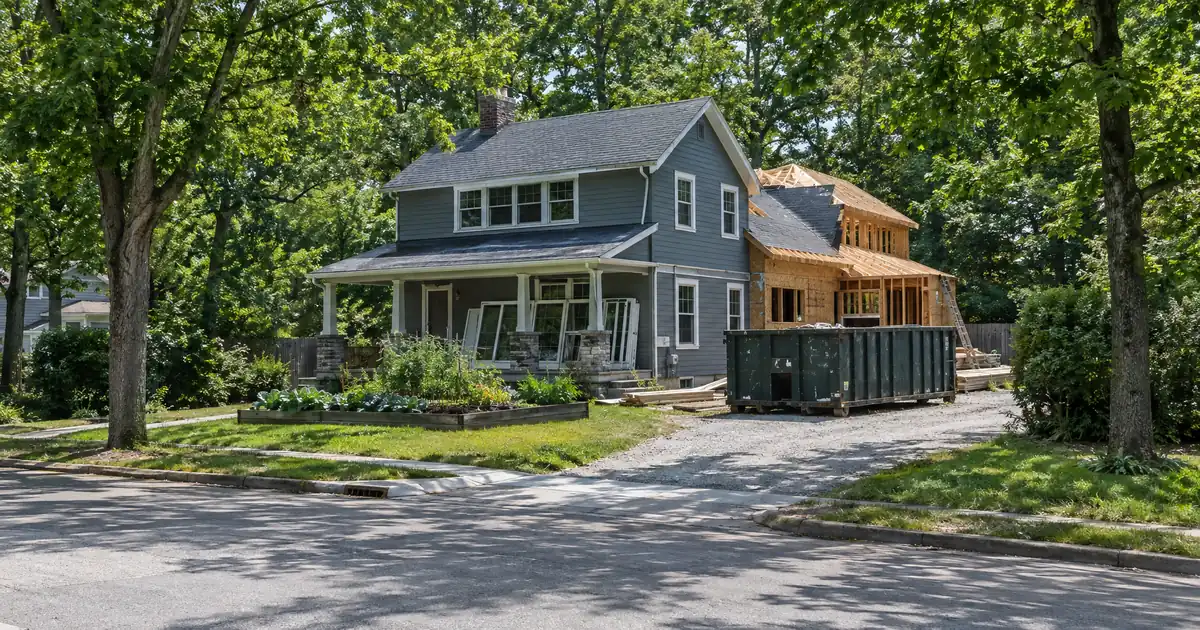
The Quick Read: A first-time investor qualifies for hard money mainly on the strength of the deal, the cash they put in, and a clear exit plan, with credit and experience setting how much leverage the lender offers. Hard money is asset-based, business-purpose lending, so the property and the plan come before personal income, and every figure below varies by lender, property, and experience.
- Fix-and-flip leverage is tiered by completed projects: 85% of project cost with fewer than 2, 90% at 2+, and 93% at 5+, all capped at 75% of after-repair value.
- Bridge purchases without rehab run up to 80% of purchase price. Refinances run up to 65% of value.
- Up to 100% of the rehab budget funds in draws against completed work. That is a rehab-budget figure, not a purchase LTV.
- A 620 minimum credit score applies, with added conditions below 660.
- Terms run 6 to 18 months, interest-only, with no prepayment penalty.
Nothing here is a commitment to lend. Each file is reviewed on its own facts.
What this loan actually costs to carry.
Hard money is sized against the project and priced by time. Enter the deal and see how much the program will lend, the cash required at closing, the carry while you hold it, and what is left at the exit.
Leverage tiers on the current program: 85% with fewer than 2, 90% with 2 or more, 93% with 5 or more completed projects — every tier capped at 75% of after-repair value. Loan amounts up to $5,000,000, larger by exception; terms of 6 to 18 months, interest-only, no prepayment penalty. The rehab portion funds in draws against completed work, not at closing.
Program parameters shown update from Lendmire’s centralized guideline source. Rate, points, and months are editable assumptions, not quoted terms.
Cost cap sets the loan · positive spread
Illustrative estimate only — not a quote, Loan Estimate, approval, or commitment to lend. Rate, points, and months are editable assumptions. Hard money is business-purpose financing for real estate investors, not a consumer mortgage. Leverage on the current program tops out at 93% of project cost for investors with a documented track record, capped at 75% of after-repair value, with rehab funding up to 100% of the documented budget released in draws; actual terms vary by lender, borrower experience, property, and exit. Lendmire is a mortgage broker, not a lender.
How Does Hard Money Qualification Differ From a Mortgage?
Hard money lenders judge the property and the exit first. Mortgage lenders judge the borrower’s income first. The gap exists because hard money is a business-purpose loan on a non-owner-occupied property, so it is reviewed differently from a standard owner-occupied mortgage.
The Federal Reserve’s Regulation Z background material treats credit used to buy or improve non-owner-occupied rental property as business-purpose credit. In practice, the file does not turn on W-2s or debt-to-income. It turns on whether the numbers on the project work.
| Factor | Hard money | Owner-occupied mortgage |
|---|---|---|
| Main focus | Deal and exit plan | Borrower income |
| Income and DTI | Not the driver | Central |
| Cash from borrower | Required, tiered | Down payment |
| Property use | Non-owner-occupied | Primary residence |
| Term | 6-18 months | Long-term |
Short version: the project qualifies first. The borrower qualifies second.
What Are the Core Qualification Factors?
Six factors decide most files: the deal itself, cash in the deal, credit, reserves, experience, and the exit. A lender weighs them together. A strong project can offset a thin résumé. A weak project is not rescued by good credit.
The deal. The lender wants purchase and rehab numbers that make sense against the after-repair value (ARV). Comps should support both the purchase price and the exit price. The rehab plan should be detailed, with a budget and a timeline.
Cash in the deal. First-time investors do not get a pass on skin in the game. On a flip, the 85% of project cost tier means the borrower funds the remaining share from their own cash. The top tier is reserved for experienced investors.
Credit. The minimum score is 620, with additional conditions below 660. Credit affects terms more than it decides the file. Underwriting stays asset-based.
Reserves. Lenders want to see cash left over after closing. Carrying costs, a contractor who wants money up front, and surprise repairs all draw on it. Thin reserves sink more first-time files than low scores do.
Experience. The lender counts documented completed projects, not years of interest. It also matches experience to scope. A borrower whose past rehabs were modest may give a lender pause on a much larger job. Adding a partner or contractor with larger-project history can help.
The exit. The loan is short-term and interest-only, and it ends in a balloon payoff. The exit is a sale or a refinance. A file with no believable exit is not a file.
How Is Loan Size Actually Set?
Leverage is measured against cost and against after-repair value, and the lower number controls. The borrower covers the gap in cash. That is why two investors buying the same house can get different loan amounts.
Here is the structure by project type, all of it varying by lender, property, and experience:
| Project type | Typical leverage |
|---|---|
| Flip, fewer than 2 projects | 85% of project cost, max 75% of ARV |
| Flip, 2+ projects | 90% of project cost, max 75% of ARV |
| Flip, 5+ projects | 93% of project cost, max 75% of ARV |
| Bridge, no rehab | Up to 80% of purchase price |
| Cash-out or rate/term refinance | Up to 65% of value |
| Ground-up, 3+ projects | Up to 90% of cost, 75% of completed value |
Loan amounts run up to $5,000,000, and larger by exception. Smaller balances vary by lender.
Run it as a scenario. Say a first-time investor buys a distressed duplex with a moderate rehab. They sit in the 85% of project cost tier. The lender then checks that the total loan stays at or under 75% of ARV. If the ARV is conservative, the ARV cap controls and the investor brings more cash than the first test implies. If the ARV is strong, the cost test controls. Either way, the investor funds the difference.
There is no true 100% purchase program. When someone advertises 100% financing, the real structure is almost always full funding of the rehab budget in draws, with the purchase side still carrying a down payment. Rehab money is not released at closing. It sits in a holdback and is paid out as work is completed and inspected. Slow draws stretch carrying costs, and borrowers often front the first stretch of work themselves.
What Counts as a First-Time Investor?
For leverage purposes, a first-timer is someone with fewer than 2 documented completed projects. That puts them in the 85% of project cost tier on a flip. Qualifying at the lower tier is fully possible. Reaching the 90% and 93% tiers takes a track record.
What verifies a completed project? Typically settlement statements and the property history. A lender wants to see that you bought, improved, and exited. Owning a rental you never renovated usually does not move you up a tier.
If you are new, there are a few ways to improve the file:
- Pick a smaller, simpler first project than your ambitions suggest.
- Bring a contractor with a documented record and binding quotes.
- Keep the rehab budget in line with any prior work you can show.
- Hold more cash than the minimum.
What Does the First-Timer Path Look Like Step by Step?
The path runs from a readiness check to payoff. Most failures happen before the application, in a deal that was never sized properly. Sequence matters.
1. Check readiness. Confirm your credit sits at or above 620, and understand that anything under 660 brings added conditions. Count liquid cash against the full need, not only the down payment.
2. Build the deal package. Gather the purchase contract, the scope of work, the line-item budget, comps that support the purchase and the exit price, and a timeline.
3. Set up the entity. Many lenders prefer or require a business entity, and requirements vary. Have formation documents and an operating agreement ready. Loans to LLCs are subject to lender program eligibility.
4. Size the file. Test the loan against project cost and against 75% of ARV. Add closing costs, interest carry, utilities, insurance, and a cash cushion for the contractor.
5. Submit and respond to conditions. Expect requests for a personal financial statement, entity documents, and bank statements. Each lender asks for something a little different.
6. Close and run the draws. Draws release against completed, inspected work. Plan the cash flow so you are never waiting on a draw to pay a crew.
7. Execute the exit. Sell, or refinance into long-term rental financing. Many investors refinance out of hard money into long-term DSCR financing once the property is stabilized, and Lendmire brokers that path. The complete DSCR loans guide explains how that stage is reviewed.
What Is the Real Cash You Need?
The down payment is the smallest surprise. The full cash need includes closing costs, interest carry on a loan that is interest-only, holding costs like utilities and insurance, and the cushion for fronting contractor work.
Picture an investor who focuses only on the equity gap. The loan sizes out fine. Then the first draw is delayed by an inspection, the contractor wants payment, and the investor has no cash. The deal does not fail on paper. It fails on liquidity. That is why reserves documentation matters as much as the down payment, and why the loan term has to outlast the rehab, the lease-up, and the refinance appraisal. The exit plan is part of qualifying.
What Documents Does a Lender Ask For?
Expect four groups of documents: borrower, entity, deal, and experience. Lender requests vary, and each file gets its own list.
| Group | Typical documents |
|---|---|
| Borrower | ID, personal financial statement, bank statements |
| Entity | Formation papers, operating agreement, EIN |
| Deal | Contract, scope of work, budget, comps, timeline |
| Experience | Settlement statements from completed projects |
Missing entity papers and unclear budgets are the two gaps that stall files most often. A budget with round numbers and no line items reads as a plan that was not built.
Does the Borrower Need an LLC?
Often yes, but it varies by lender. Business-purpose lending is commonly done through an entity, and a loan to a non-natural person is generally outside the consumer-credit rules. The question is not always that simple, though.
Hunton’s legal analysis notes that loans to non-natural persons are exempt, and so are loans primarily for a business purpose, but it also warns that a business-purpose label does not make a loan compliance exempt. A consumer-purpose loan mislabeled as business purpose creates risk for the lender.
The edge case is an individual borrower with an LLC guarantor. The ABA Banking Journal says the answer depends on the purpose of the loan. For an investor, the practical point is to keep the purpose clean. The property must be non-owner-occupied, and the paperwork must say so.
Where Do the General Rules Break?
Four edge cases come up often.
Owner-occupied property. Hard money on this program covers non-owner-occupied residential, 1-4 units, with ground-up construction up to 10 units. Owner-occupied, commercial, industrial, land or lots, and hospitality are not on the sheet.
Zero-experience, high-leverage offers. These exist in the market. They are not universal, and they usually come with limits on project size. A lender taking on a new investor at very high leverage is taking on real risk, so expect conditions.
Heavy rehab. DSCR loans generally do not fund rehab, so a gut renovation fits hard money.
Overruns. A budget that grows mid-project puts the draw schedule and the leverage test under pressure.
Why Do Applications Get Declined or Repriced?
Most declines trace to one of a few causes. Each has a fix.
| Problem | Lender concern | Fix |
|---|---|---|
| Thin reserves | Cannot carry the project | Hold more cash, smaller project |
| Weak comps | Exit price unsupported | Better comps, lower ARV |
| Vague budget | Overrun risk | Line-item budget, binding quotes |
| Scope beyond experience | Execution risk | Partner or smaller first project |
| Missing entity papers | Ownership unclear | Complete documents early |
| Credit under 660 | Added conditions apply | Cure items, expect tighter terms |
Repricing and lower leverage are more common than outright denial. A lender who likes the property but doubts the borrower usually trims the leverage, not the deal.
When Is Hard Money the Wrong Fit?
When the property is already in rentable condition, a rental-income-based loan is often the better tool. DSCR loans qualify primarily on property-level rental income covering the payment, subject to lender guidelines. They suit a stabilized rental, not a rehab. If you plan to buy, renovate, rent, and hold, hard money is the bridge and DSCR financing is the usual destination. If you plan to hold a finished rental from day one, skip the bridge.
Terms on the current program run 6 to 18 months, with no multi-year options. An investor who needs longer runway refinances into long-term rental financing.
Key Terms Defined
After-repair value (ARV): The estimated value of the property once the planned work is finished.
Loan-to-cost: The loan amount as a share of total project cost, meaning purchase plus rehab.
Holdback: Rehab money held by the lender and released in stages.
Draw: One release of holdback funds after completed work is inspected.
Reserves: Liquid cash a borrower keeps after closing to cover carrying costs and surprises.
Balloon payoff: The full remaining balance due at the end of an interest-only term.
Business-purpose loan: A loan made for investment or commercial use rather than personal or household use.
Frequently Asked Questions
Can a first-time investor really get a hard money loan?
Yes, at the lower leverage tiers. With fewer than 2 completed projects, flip leverage is typically 85% of project cost, capped at 75% of ARV. The 90% and 93% tiers need a documented track record. Terms vary by lender, property, and experience.
What credit score do I need?
The minimum is 620, with additional conditions below 660, so a score at or above 660 gives the cleanest file. Credit shapes terms more than it decides the outcome, since underwriting stays asset-based on the property, the plan, and the exit. It is still reviewed, and requirements vary by lender.
Can I finance 100% of a flip?
No. There is no true 100% purchase program. Up to 100% of the rehab budget can fund in draws against completed work, but the purchase side still needs cash from you.
Do I have to use an LLC?
It depends on the lender. Many prefer an entity for business-purpose loans, and some accept individual borrowers. Keep the loan’s purpose clearly business and the property non-owner-occupied.
How do I get out of the loan?
Sell the property, or refinance into long-term rental financing. Many investors move into a DSCR loan once the property is stabilized. The term has to be long enough to cover rehab, lease-up, and the refinance appraisal.
If you are buying, rehabbing or refinancing an investment property on a short timeline and want to see how the numbers work, Lendmire can help you compare hard money options based on the project, the exit plan, leverage, and your goals.
About Lendmire
A non-QM mortgage broker (NMLS# 2371349), Lendmire arranges DSCR financing for real estate investors in 41 markets — 40 states plus Washington, D.C. Because deals are underwritten primarily on property cash flow rather than personal income documentation, the structure suits self-employed buyers and entity-owned portfolios. Lendmire places loans through wholesale investor lenders; it is not a direct lender. Scotsman Guide named Lendmire a Top Mortgage Workplace in both 2025 and 2026.
Get Started
Ready to find the right loan for you?
In about 30 seconds you can review financing options available for your investment property. No commitment required.
Informational only. Not a Loan Estimate, approval, or commitment to lend. Program availability and eligibility are subject to lender guidelines, credit approval, property review, and underwriting.
References
1. Federal Reserve – Regulation Z Truth in Lending Introduction
2. Hunton – Beware of “Business Purpose”
3. ABA Banking Journal – Compliance QOTM
This article is part of Lendmire’s hard money loan program — full qualification details, guidelines, and scenarios live on the program page.
Related reading: Is There a Limit on a Hard Money Fix-and-Flip Loan? · Hard Money Loan Alternatives and Requirements for a Rental Investor · Hard Money Payoff Requirements When the Loan Matures
Brandon Miller
Founder & CEO, Mortgage Loan Originator, Lendmire LLC
- Mortgage Loan Originator · NMLS# 1129696 · Verify on NMLS Consumer Access
- North Carolina Real Estate Broker · License# 343312 · Verify on NCREC
- North Carolina Insurance Producer · License# 19053198 · Property, Casualty, Life, Health · Verify on NAIC SBS
- Lendmire LLC · Firm NMLS# 2371349 · Verify firm licensure
Legal disclosures. Lendmire (NMLS# 2371349) is a state-licensed mortgage brokerage that arranges financing through wholesale lender relationships. Lendmire is not a direct lender, depository institution, or registered financial advisor. The discussion above is general informational content about real estate financing — it is not financial, legal, or tax advice, and readers should consult licensed professionals for guidance on their individual circumstances. Loan inquiries are subject to lender underwriting; this article does not represent a commitment to lend. Loan terms, rates, and qualification standards vary by borrower, property, and state, and are subject to change at any time. Equal Housing Opportunity. NMLS Consumer Access: nmlsconsumeraccess.org.