
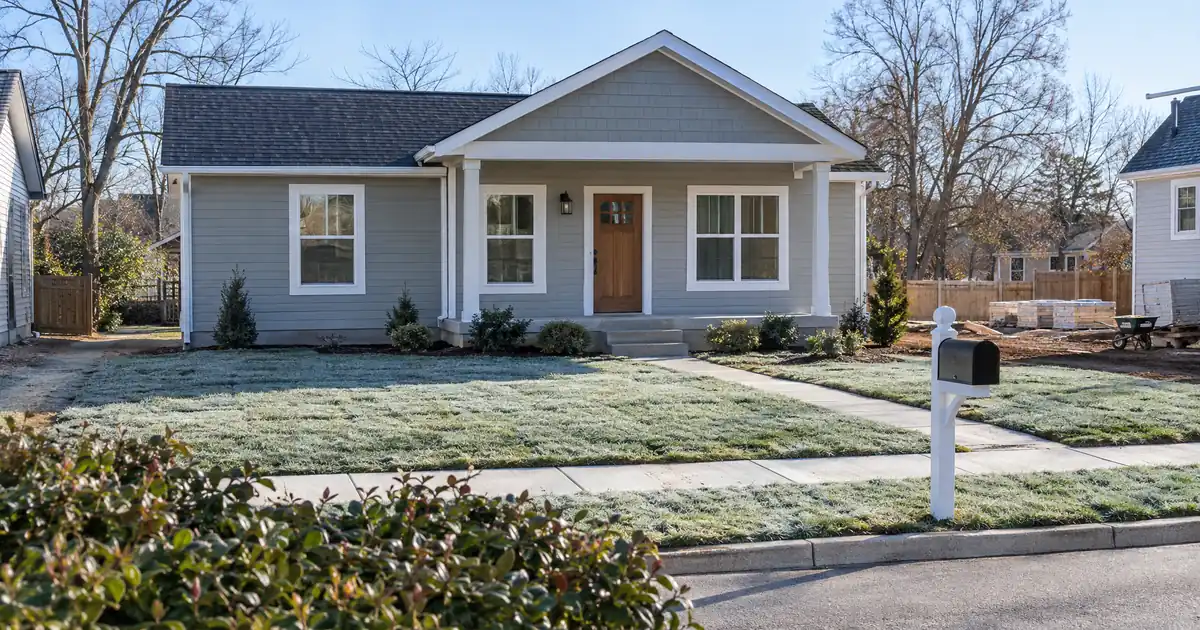
The Quick Read: A rehab draw is a staged release of renovation money: the lender holds the rehab budget back at closing, you finish a phase and pay for it first, an inspector confirms the work matches the approved scope, and the lender then reimburses you from the holdback.
- The lender holds the rehab money; you do not receive it at closing.
- Each draw is tied to finished, inspected work that matches the approved line-item budget.
- Expect to front early costs and carry the project while you wait for each reimbursement.
- Every lender sets its own inspection, fee, and documentation rules, so ask before you sign.
- Leverage, credit, and terms vary by lender, property, and experience, and nothing here is a commitment to lend.
What Is a Rehab Draw, and Why Do Lenders Require One?
A rehab draw is one installment of the renovation money, released after a phase of work is done and verified. Lenders use draws because the house is their collateral. Money that goes into a wall or a roof only protects them if the work actually happens.
What this loan actually costs to carry.
Hard money is sized against the project and priced by time. Enter the deal and see how much the program will lend, the cash required at closing, the carry while you hold it, and what is left at the exit.
Leverage tiers on the current program: 85% with fewer than 2, 90% with 2 or more, 93% with 5 or more completed projects — every tier capped at 75% of after-repair value. Loan amounts up to $5,000,000, larger by exception; terms of 6 to 18 months, interest-only, no prepayment penalty. The rehab portion funds in draws against completed work, not at closing.
Program parameters shown update from Lendmire’s centralized guideline source. Rate, points, and months are editable assumptions, not quoted terms.
Cost cap sets the loan · positive spread
Illustrative estimate only — not a quote, Loan Estimate, approval, or commitment to lend. Rate, points, and months are editable assumptions. Hard money is business-purpose financing for real estate investors, not a consumer mortgage. Leverage on the current program tops out at 93% of project cost for investors with a documented track record, capped at 75% of after-repair value, with rehab funding up to 100% of the documented budget released in draws; actual terms vary by lender, borrower experience, property, and exit. Lendmire is a mortgage broker, not a lender.
A fix-and-flip loan has two halves. The first half pays the seller at closing. The second half is the rehab budget, which stays in a lender-controlled holdback and comes out in pieces. On the program parameters we see, up to 100% of the rehab budget is funded in draws against completed work. That is a rehab-budget figure, not a purchase leverage figure.
This is why “hard money” does not mean “no money down.” Flipping is cash-intensive, and ATTOM’s home flipping research describes a first flip as needing liquidity well beyond the down payment. Financing is also a normal part of the business: HousingWire’s flipping report puts investor-financed purchases at 37.7% of flips.
What Are the Hard Money Rehab Draw Requirements at Each Stage?
Draw requirements fall into four stages: before closing, before the first draw, with each draw, and at the final draw. The table shows what you provide, what the lender checks, and where first-timers slip.
| Stage | You provide | Lender checks | Common pitfall |
|---|---|---|---|
| Before closing | Line-item scope and budget | Budget is realistic and complete | Vague or lean line items |
| Before first draw | Funds for early work, contractor info | Holdback is set up | No cash to start work |
| Each draw | Request, photos, invoices, lien waivers | Work matches approved scope | Phase not truly finished |
| Final draw | Finished work, final documents | Completion and any permit sign-off | Open permit or missing waiver |
The exact packet varies by lender. Some want a form and photos. Others want invoices and lien waivers for every payee. Ask for the draw packet list before closing, not after your first request.
How Does Underwriting Treat a First Flip?
Underwriting is asset-based. The lender looks at the property, your plan, and your exit. Your experience still sets your leverage tier. Across the programs we place files with, flip leverage is measured against project cost, which is purchase plus rehab, and tiered by completed projects.
| Completed projects | Leverage (of project cost) | Cap |
|---|---|---|
| Fewer than 2 | 85% | 75% of after-repair value |
| 2 or more | 90% | 75% of after-repair value |
| 5 or more | 93% | 75% of after-repair value |
Loan-to-cost means the loan as a share of what you spend to buy and renovate. After-repair value is what the finished property should be worth. As a first-time flipper, expect the 85% tier. The after-repair-value cap applies to every tier, so a thin margin can reduce the loan even when the cost-based figure looks fine.
Other parameters worth knowing, all varying by lender, property, and experience:
- Terms run 6 to 18 months, interest-only, with no prepayment penalty.
- Loan amounts go up to $5,000,000, with larger loans by exception.
- The minimum credit score is 620, with added conditions below 660.
- Collateral is non-owner-occupied residential property, 1 to 4 units.
Lendmire is a broker, so these loans are arranged through a wholesale network of lenders, and each lender approves its own files.
A First Flip, Draw by Draw
A typical first flip uses three to five draws, though the number and size are set by the lender and your budget. The sequence below is generic. Your scope of work should be written so each phase ends at something an inspector can see.
| Phase | What must be finished | Evidence to submit | Cash position |
|---|---|---|---|
| Demo and structural | Gutting, framing, roof repairs | Photos, invoices | You paid; awaiting reimbursement |
| Rough-ins | Plumbing, electrical, HVAC | Photos, permit sign-off where required | You front again |
| Drywall and interior | Drywall, paint, flooring | Photos, waivers | Float is shrinking |
| Finishes | Kitchen, baths, fixtures | Photos, invoices | Near the final draw |
| Punch list | Final fixes, cleaning | Completion proof | Last draw returns your own money |
Treat the last row carefully. The final draw is not bonus funding. It is the lender returning the portion you already fronted.
What Is the Request-to-Funding Sequence?
The sequence is the same on almost every loan, even though the details differ:
1. Scope and budget. You submit a line-item scope. Lenders pay only what is in the approved budget.
2. Closing. Purchase money goes to title. The rehab money stays in the holdback.
3. You front early costs. Your contractor starts work before any draw exists, so the first phase comes from your pocket.
4. Draw request. When a phase is finished, you send the request form, photos, invoices, and lien waivers.
5. Inspection. A third-party inspector or a desk review confirms the work. Some lenders send someone on site. Others review photos and video.
6. Release. After approval, funds are wired. Complete, well-organized documentation is the main thing you control here.
7. Budget shifts. Savings on one line can usually be moved to another line. Ask your lender how they want that documented.
Lenders often pay partial credit for partial work, in proportion to the line item. Half a fence earns about half of that line. Do not count on it, though. Request a draw when the phase is truly done.
How Much Cash Does the Float Take?
The float is the most cash you will have out of pocket before a reimbursement arrives. It is the number first-timers underestimate most. Build it from these pieces:
- Your share of the purchase (the portion above the loan-to-cost tier).
- Closing costs.
- Early rehab spending before the first draw.
- Holding costs while draws are pending, including utilities, insurance, and interest.
- Inspection or draw fees, if your lender charges them.
- Reserves for surprises.
The worst moment is usually right before an approval. You have paid the contractor, the inspector has not signed off, and the next phase needs deposits. Pad your plan for waiting, because inspection scheduling and review take time you do not control.
Contractor sequencing helps. Pay deposits small and tie each payment to a finished milestone, which mirrors how the lender pays you. Some investors hire larger contractors who can carry costs until a draw lands, or use contractor financing. Both cost something, so price them into the budget.
A lean budget does not save cash. A budget with no contingency line can leave you short the first time a surprise shows up. Include a contingency line in the budget you submit, so the lender approves it up front.
Where Does the General Rule Break?
Most of the surprises sit in a handful of edge cases.
Scope creep. You open a wall and find new repairs. If the scope was already approved, the inspector may not credit the extra work on your next draw, and you cover it with unplanned cash. Get scope changes approved in writing before you spend, and carry the contingency line.
Interest method. Under one method, interest accrues on the full approved loan, including rehab money you have not drawn. Under the other, it accrues only on money already disbursed. Lender guides describe both, so ask which applies. It changes your carry cost.
Inspection cadence. Some lenders send an inspector for every draw. Others do one physical visit and accept photos for the rest. More visits can mean more fees and more waiting.
Permits. Some draws may require permit sign-off. A county building department typically inspects permitted work against the permit scope and gives a final sign-off after it passes, as Los Angeles County’s inspection page describes. An open permit can hold up a draw.
Lien waivers. A lien waiver is a signed statement from a contractor giving up the right to file a lien on the property for the work covered. State statutes govern these, and they differ by state. Arizona’s statute, for example, prescribes waiver-and-release forms. Use the forms your lender and local law call for.
Materials on site. Some lenders will not fund materials that are delivered but not installed. Others allow limited advance draws. Ask before you order a large delivery.
Cash offers. Hard money is not cash. If you tell a seller you are a cash buyer and your financing needs inspection or approval steps, you may have no contingency to protect you.
Why Do Draws Get Cut or Delayed?
Most delays trace back to documentation or an unfinished phase. The table pairs each problem with a fix.
| Problem | Cause | Fix |
|---|---|---|
| Partial approval | Phase not fully done | Finish punch items, then request |
| Draw withheld | Missing waiver or invoice | Build the packet before requesting |
| Work not credited | Unapproved scope change | Get written approval first |
| Permit hold | Open or unsigned permit | Close the permit with the county |
| Inspector disagrees | Percent-complete dispute | Send dated photos tied to line items |
If a draw is rejected, ask for the reason in writing. Fix the specific item and resubmit. Do not argue percent-complete over the phone without photos.
What Happens at the Last Draw and the Exit?
At completion, the final inspection confirms the scope is done. Then the last holdback is released, and any retained portion comes with it. After that, you either sell or refinance.
Many investors who plan to keep the property refinance out of hard money into long-term DSCR financing once it is rented and stabilized. A DSCR loan is reviewed primarily on property-level rental income covering the payment, subject to lender guidelines. The hard money balance at maturity becomes the payoff that refinance must clear, so rehab overruns raise the bar. Lendmire’s complete DSCR loans guide explains how coverage is measured.
Tax treatment varies, so consult a qualified professional before relying on any deduction.
What Should You Ask Any Lender About Draws?
Ask these before you commit:
- How many draws are allowed, and who sets the schedule?
- Who inspects, how often, and what does each inspection cost?
- Does interest accrue on the full loan or only on funds drawn?
- Which documents does each request need?
- Are funds paid to you or to the contractor?
- Will you fund materials on site, and do advance draws exist?
- How are budget changes and change orders approved?
- Which permit sign-offs affect release?
Key Terms Defined
Holdback: The part of the loan, set aside at closing, that pays for renovation as work is completed.
Draw: One release of holdback money after a phase of work is finished and verified.
Scope of work (SOW): The line-item list of repairs and costs the lender approves before closing.
Lien waiver: A signed statement from a contractor or supplier giving up the right to file a lien for the work paid.
Punch list: The short list of final fixes completed before the last inspection.
Retainage: A small portion of payment held back until the work is fully done.
Loan-to-cost: The loan as a percentage of purchase price plus rehab budget.
Frequently Asked Questions
Do I get any rehab money at closing?
No. Closing pays the seller, and the rehab money stays in the holdback. You release it in pieces as work is finished and inspected.
Who pays the contractor?
You do, at least for the early phases. The lender reimburses you after inspection. Some lenders pay contractors directly, so ask which method applies.
Do I pay interest on money I have not drawn?
It depends on the lender’s method. Some accrue interest on the full approved loan, and others only on funds disbursed. Ask in writing before you sign.
What if the inspector disagrees with my percent-complete?
Send dated photos tied to the budget line items, and finish any remaining work. Lenders often pay partial credit in proportion to the work done. Then resubmit.
Can a first-time flipper qualify?
Yes, at the lower leverage tiers, which for fewer than two completed projects sit at 85% of project cost and are capped at 75% of after-repair value. These figures vary by lender, property, and experience, and approval is never a commitment to lend.
Talk Through Your First Flip
If you are buying, rehabbing or refinancing an investment property on a short timeline and want to see how the numbers work, Lendmire can help you compare hard money options based on the project, the exit plan, leverage, and your goals. Lendmire is a broker arranging financing through select lenders in its wholesale network across 41 markets, including Washington, D.C.
About Lendmire
Lendmire is a non-QM mortgage brokerage (NMLS# 2371349) arranging DSCR investor loans in 41 markets, including Washington, D.C. DSCR eligibility is generally reviewed around property-level rental income rather than personal income, subject to lender and program guidelines, a fit for self-employed investors and LLC-owned portfolios. Lendmire was recognized as a Scotsman Guide Top Mortgage Workplace in 2025 and 2026.
Hard money often opens the deal, and a refinance typically closes the chapter – see the hard money loan overview.
Get Started
Ready to find the right loan for you?
In about 30 seconds you can review financing options available for your investment property. No commitment required.
Informational only. Not a Loan Estimate, approval, or commitment to lend. Program availability and eligibility are subject to lender guidelines, credit approval, property review, and underwriting.
References
2. HousingWire: Home Flipping Report
3. Los Angeles County Public Works: Inspections
4. Arizona Revised Statutes 33-1008
This article is part of Lendmire’s hard money loan program — full qualification details, guidelines, and scenarios live on the program page.
Related reading: How to Time a Two-Step DSCR Cash-Out After a Hard Money Flip · Own Cash vs Gap Loan vs Hard Money Modification on a Rehab Overrun · Can a Cosmetic Flip Get More Hard Money When Costs Run Over?
Brandon Miller
Founder & CEO, Mortgage Loan Originator, Lendmire LLC
- Mortgage Loan Originator · NMLS# 1129696 · Verify on NMLS Consumer Access
- North Carolina Real Estate Broker · License# 343312 · Verify on NCREC
- North Carolina Insurance Producer · License# 19053198 · Property, Casualty, Life, Health · Verify on NAIC SBS
- Lendmire LLC · Firm NMLS# 2371349 · Verify firm licensure
Required disclosures. Lendmire (NMLS# 2371349) operates as a licensed mortgage broker, not a direct lender or depository. The discussion in this article is general in nature and should not be relied upon as financial, legal, or tax advice — every investment scenario is unique and should be reviewed by a qualified professional. Any loan inquiry is subject to lender underwriting, and this article is not a commitment to lend or a guarantee of approval. Mortgage rates, loan terms, and program guidelines vary by borrower, property, and state, and may change without notice. Equal Housing Opportunity. Verify licensure at NMLS Consumer Access.