
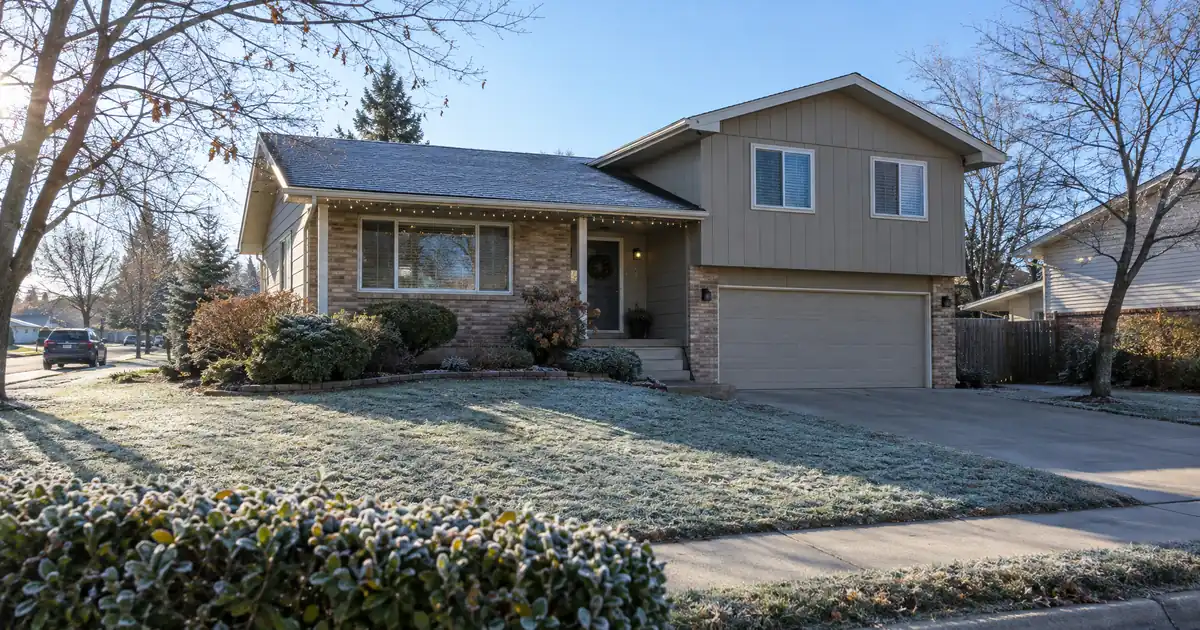
The Quick Read: A pending divorce rarely makes a home equity line impossible, but it usually makes one conditional. You typically need the other spouse’s written consent or a court order, and anyone on title must sign the lien. Strong credit does not unlock that gate.
- Many states issue automatic restraining orders once a divorce is filed, and those orders often bar new liens on marital property.
- The note (the promise to repay) and the lien (the claim on the property) are two separate documents with two different sets of signers.
- A spouse on the deed generally signs the lien. A spouse who isn’t a borrower does not become one by signing it.
- Rules vary by state, so ask a family-law attorney before you apply.
Why the Answer Is Not a Flat No
You will see blunt claims online that you can never take out a line of credit mid-divorce. That overstates it. The accurate version is that three things decide the outcome: whether a court order restricts new debt, who is on the deed, and whether the other spouse consents in writing.
How large a line the equity supports.
An equity line is sized by combined loan-to-value, occupancy, and credit — not by rental coverage. Switch the occupancy or the credit band and the ceiling moves with it.
Investment-property lines require a 700 minimum credit score; second-home lines start at a 640 minimum and primary-residence lines at 600, and the combined-LTV ceiling steps down as the credit band drops on primary-residence and second-home lines and holds on investment-property lines; the line cap steps down on primary-residence lines and holds at every tier on investment-property and second-home lines.
A debt-to-income ratio above 45% requires 680+ credit. Profiles under 640 are limited to single-family homes. At least 75% of the approved line is drawn at closing. Ceilings, floors, and caps update from Lendmire’s centralized guideline source.
Line estimate
Illustrative estimate only — not a quote, Loan Estimate, approval, or commitment to lend. The rate is an editable assumption; equity-line pricing is variable through both the draw and repayment periods and never converts to fixed. Occupancy and credit drive the ceiling together: an investment property tops out at 70% combined LTV (minimum credit 700, line cap $500,000); a second home tops out at 90% combined LTV (minimum credit 640, line cap $500,000), with the ceiling stepping down as the credit band drops (the cap holds at every tier); a primary residence tops out at 90% combined LTV (minimum credit 600), and its $750,000 maximum line is available only at 75% combined LTV or below with a 700-or-better credit profile (720 on the longer-runway program) and a full appraisal. Lines above $500,000 require a full appraisal. Credit, debt-to-income, property type, and full underwriting review all affect the final line.
If no case has been filed, no automatic order exists. If a case is pending in a state with automatic orders, the lender is not the main obstacle. The order is. A lender can be perfectly willing and you can still be barred from encumbering the home.
Think of it as two locks on one door. The lender’s underwriting is the first lock, and your credit, equity, and income open it. The court’s restraint is the second lock, and only the other spouse’s consent or a judge’s permission opens that one.
That is why this topic confuses people. A strong file clears the first lock and says nothing about the second.
Key Terms Defined
HELOC: A home equity line of credit, a revolving line secured by a lien on property you own.
Note: The signed promise to repay. It creates personal liability for the borrower.
Security instrument: The mortgage or deed of trust that puts the lien on the property. It creates no personal debt by itself.
CLTV: Combined loan-to-value, meaning all loans against the property divided by its value.
Automatic restraining order: A temporary court order, in many states, that takes effect when a divorce is filed. It freezes certain financial moves until the court says otherwise.
Marital property: Property the court may divide in the divorce. Which assets count depends on state law.
What Automatic Restraining Orders Actually Do
Many states attach restraints to a divorce filing, and the details are state law. Montana’s automatic economic order, as Womenslaw.org describes it, issues when the petition is filed. It bars placing a lien or mortgage on marital property without the other party’s written consent or court permission.
New York works differently on paper but lands in a similar place. Weinrieb Law explains that New York’s automatic orders bar unreasonable debt against marital property, including borrowing on credit lines. The firm adds that a court can charge dissipated amounts against the violator’s share of the estate. In California, the orders printed on the family-law summons prohibit loans against community property, and a HELOC or second mortgage on the family home is the standard example.
Three practical points follow.
First, timing matters. Orders generally take effect on filing, and in some places on service. A draw taken in that gap can still draw scrutiny later.
Second, scope matters. Some people assume orders cover only the family home. Montana’s order reaches marital property generally, so whether a given rental is covered depends on how your state classifies it.
Third, some states have no automatic order at all. Don’t assume your state behaves like the three above.
The consequence of getting this wrong is not a denied application. It is a lien that gets challenged, a draw that gets charged against your share, or a contempt problem. Those are expensive outcomes.
What the Federal Signature Rules Say
Federal credit rules sit underneath all of this. Under the federal rule on spousal signatures (Regulation B, section 1002.7), a lender may not require the signature of an applicant’s spouse on a credit instrument if the applicant qualifies alone for the amount and terms requested.
The official commentary draws the line that matters for divorce. The commentary on the rule says a signature needed to make the collateral reachable generally belongs only on the security agreement, not the note. It allows a legend stating that the spouse’s signature grants a security interest and creates no personal liability.
So the federal rule does two things at once:
- It protects a borrower who qualifies alone from being forced to add a spouse to the note.
- It still lets the lender ask a titled spouse to sign the lien, because the lender cannot reach the collateral without it.
The rule does not override a court order. If an automatic restraint applies, federal law does not let you skip it. The ICBA compliance Q&A restates the same two limits: no spousal signature from an individually qualified applicant, and a signature allowed where community-property rules apply.
Two Signatures, Two Documents
| Signer | Note | Lien document |
|---|---|---|
| Borrower on title | Signs | Signs |
| Spouse on title, not a borrower | Does not sign | Usually signs |
| Spouse off the deed | Does not sign | Generally not needed |
| Borrower, sole title, qualifies alone | Signs | Signs |
A lien-only signer takes on no repayment duty, assuming the legend described above appears on the document. They are giving up priority in the property, not promising to pay.
Who Signs, by Title Situation
| Situation | Spouse signature usually needed | Why |
|---|---|---|
| Joint title | Yes, on the lien | Both owners must grant it |
| Sole title, qualifies alone | No, not on the note | Federal bar on spousal note signatures |
| Spouse off the deed | Usually no | Nothing for the spouse to pledge |
| Community-property state | Sometimes | State law, or reliance on spouse’s separate income |
| Title held so neither spouse can pledge alone | Yes | State law blocks a solo pledge |
The community-property row has a catch. The commentary says a spouse’s signature may be required if you rely on the spouse’s separate income to qualify. State law may also require consent for the lien to be valid, so a title that looks clean can still need a second signature.
Your own file also has to qualify without the spouse. Underwriting tests the applicant, and the lender can’t lean on the spouse’s income unless the spouse joins.
Stage by Stage: What Changes
Before filing, no automatic order exists. Your main decision is whether to borrow at all, because a draw taken just before filing can be reviewed when property is divided.
After filing and service, assume the lien is restricted until the other spouse consents in writing or a judge permits it. A lender may ask for that consent or order as part of the file.
Once a settlement is signed, the agreement itself often resolves who can borrow against what. After the decree, title and signatures follow whatever the decree and any deed transfer say.
What If Your Spouse Won’t Sign?
Start with the realistic paths, in order of how often they work.
1. Negotiate consent. Written consent from the other spouse, usually drafted by attorneys, is the cleanest fix.
2. Ask the court. A motion for permission to encumber the property is the formal route where an order applies.
3. Write it into the settlement. If a buyout or division is coming, the borrowing can be folded into the agreement.
4. Wait for the decree. Often the simplest answer, if the money isn’t urgent.
What does not work is asking the lender to proceed anyway. A lender that takes a lien in violation of an order is exposed too, and responsible lenders won’t do it. Expect them to ask for the consent form, the court order, or the decree.
Existing Joint Lines
A line you already hold jointly is a different problem. As a matter of general lending practice, a divorce decree between spouses does not rewrite the lender’s contract. Both names usually stay liable to the lender until the line is paid off, closed, or refinanced. Confirm the specifics with counsel, because the lender’s agreement controls.
Many couples close or freeze a joint line during the case so neither can draw. Whether a lender can freeze or reduce a line because you filed depends on the line agreement, so read it. A spouse-requested freeze generally needs the lender’s own process.
If you discover your spouse drew on a line without telling you, pull a title search to see what liens exist and talk to your attorney right away. In New York, the court can charge the draw against the violator’s share, per the Weinrieb source above.
Where the General Rule Breaks
- Community-property states. A signature may be required if you rely on the spouse’s separate income, and state law may demand consent for validity.
- Titles that block solo pledges. In some states, neither spouse can commit jointly held property alone, so the signature becomes mandatory.
- Separate or pre-marital property. Restraints can still reach it where an order covers all property. State-by-state confirmation is the only safe approach.
- Guarantees. The federal bar on spousal signatures applies equally to a guarantor’s spouse, per 12 CFR Part 1002. A spouse of an entity guarantor generally can’t be automatically required to sign.
- States without automatic orders. The consent hurdle may not exist, though title and community-property rules still do.
Honestly, this is a toss-up for many borrowers: the paperwork is easy and the court issue is hard. Get the second answered first.
What the Investor Decision Looks Like
If you own rentals and want equity during a case, your path depends on how the property is held.
Across the wholesale network Lendmire works with, the standalone equity line on an investment property tops out at 70% CLTV, with a 700 minimum credit profile and lines up to $500,000. These lines use a 5-year draw followed by a 25-year repayment period. On a primary residence, the network’s top tier reaches 90% CLTV, but only at a 720 or better credit profile. Availability is limited to 16 states, narrower than the DSCR footprint. Everything is subject to lender guidelines and full file review.
Title is a hard gate. These lines require the property to be vested in you individually or in a revocable living trust. LLC-held rentals can’t use them, subject to lender program requirements, and would need a vesting change first.
The DSCR cash-out refinance is the other route investors consider. It qualifies primarily on property-level rental income covering the payment, subject to lender guidelines. Cash-out on standard rentals tops out around 75% LTV, with about 6 months of seasoning the common expectation. Coverage of 1.00 is where many select programs start. A separate select-lender path takes coverage below 1.00, with leverage and terms adjusted.
Here’s the catch: a different loan product doesn’t sidestep the restraint. An order limits the lien, not the underwriting method. A DSCR cash-out places a new lien too, so the consent or court-order question stays the same. Timing the financing before filing versus after the decree changes who must sign, and a lien taken during the case can be reviewed in the property division.
The complete DSCR loans guide covers the rental-income alternative.
If you are considering a home equity line and want to see how the numbers work, Lendmire can help you compare HELOC options based on the property, the equity available, credit profile, combined leverage, and your goals.
Frequently Asked Questions
Can I open a HELOC while my divorce is pending?
Often yes, but only with the right permission. Where an automatic order applies, you typically need your spouse’s written consent or a court order. Where none applies, title and state property rules still decide who signs.
Does my spouse have to sign if I am the only borrower?
Not on the note, if you qualify alone. A spouse on title generally signs the lien, and in community-property states a signature may be required if you rely on the spouse’s separate income.
Does signing the lien make my spouse a borrower?
No. A lien signer grants a security interest in the property. The official commentary allows a legend stating that signature creates no personal liability.
Can my spouse borrow against our home without telling me?
Where an order applies, doing so may violate it. Remedies can include a court setting aside the draw or charging it against the drawing spouse’s share. Pull a title search and call your attorney.
Does a divorce decree release me from a joint line?
Not automatically. A decree binds the spouses, while the lender’s contract generally stays in place until the balance is paid, the line is closed, or it is refinanced. Confirm the details with counsel.
About Lendmire
Lendmire is a mortgage brokerage (NMLS# 2371349) arranging home equity lines of credit — primary-residence, second-home and investment-property lines — through a wholesale lending network in its 16 full-service states. Eligibility is determined by the lender on each file. Scotsman Guide named Lendmire a Top Mortgage Workplace in both 2025 and 2026.
Investors who want the broader program framework can review how DSCR loans work.
Get Started
Ready to find the right loan for you?
See your offer in seconds. No credit pull, no obligation.
Informational only. Not a Loan Estimate, approval, or commitment to lend. Program availability and eligibility are subject to lender guidelines, credit approval, property review, and underwriting.
References
1. Womenslaw.org – Montana automatic economic order
2. Weinrieb Law
3. CFPB – Regulation B, §1002.7
4. CFPB Official Interpretations, via Cornell LII
5. ICBA – Compliance Questions and Answers
This article is part of Lendmire’s HELOC & home equity loan program — full qualification details, guidelines, and scenarios live on the program page.
Related reading: How to Qualify for an Investment Property HELOC While the Home Is Still in Probate · Can You Get a HELOC Without Deeding to Personal Name? · Can You Get an Investment Property HELOC During a Divorce?
Brandon Miller
Founder & CEO, Mortgage Loan Originator, Lendmire LLC
- Mortgage Loan Originator · NMLS# 1129696 · Verify on NMLS Consumer Access
- North Carolina Real Estate Broker · License# 343312 · Verify on NCREC
- North Carolina Insurance Producer · License# 19053198 · Property, Casualty, Life, Health · Verify on NAIC SBS
- Lendmire LLC · Firm NMLS# 2371349 · Verify firm licensure
Legal disclosures. Lendmire (NMLS# 2371349) is a state-licensed mortgage brokerage that arranges financing through wholesale lender relationships. Lendmire is not a direct lender, depository institution, or registered financial advisor. The discussion above is general informational content about real estate financing — it is not financial, legal, or tax advice, and readers should consult licensed professionals for guidance on their individual circumstances. Loan inquiries are subject to lender underwriting; this article does not represent a commitment to lend. Loan terms, rates, and qualification standards vary by borrower, property, and state, and are subject to change at any time. Equal Housing Opportunity. NMLS Consumer Access: nmlsconsumeraccess.org.